Time Period and Setting: Nazi occupied France during the second world war.
First Publication: 2015
‘The Nightingale’ is a historical fiction, set in German-occupied France during WWII. Spanning the years of the war, this riveting story follows two sisters as they struggle to survive and persevere through the Nazi invasion. As the reader, you get to see the war that was taking place on the home front from each sister’s unique vantage point. It is a heart wrenching, beautiful and tragic story.
As the older sister, Vianne feels responsible for keeping her younger sister, Isabelle, safe. When the occupation begins, Isabelle is sent to stay with Vianne in the country, being cast out of Paris by her father. Vianne’s husband, Antoine, has been called to report to the Army, leaving Vianne and their young daughter, Sophie, behind. As the Germans invade Paris, Isabelle begins the trek to her sister’s home, witnessing the atrocities committed by the invading troops firsthand.
By the time that Isabelle arrives on Vianne’s doorstep, she is determined to join the resistance and make a difference. Young and impulsive, Vianne is certain that her younger sister will get herself, if not all of them, killed. Their relationship is tenuous, at best, and Vianne struggles to get through to her strong-minded sibling. Vianne is naive, having not witnessed the actions of the invading Nazis, as her sister had. She believes that if they keep their heads down and don’t draw attention to themselves, they’ll be okay. She follows the rules and tries to reign in Isabelle’s defiant behaviors before it is too late.
However, as time passes and the occupation grows increasingly difficult, the sisters go their separate ways. Each of them sets out on a different course, trying to survive the best way they know how. Despite the distance between them, each sister ends up fighting the Nazi invasion in different ways. The bold and daring Isabelle actively assists allied airmen in their escapes, while the mild-mannered Vianne begins helping hide away Jewish children.




















 Best Memoirs and Autobiographies by Hollywood Filmmakers
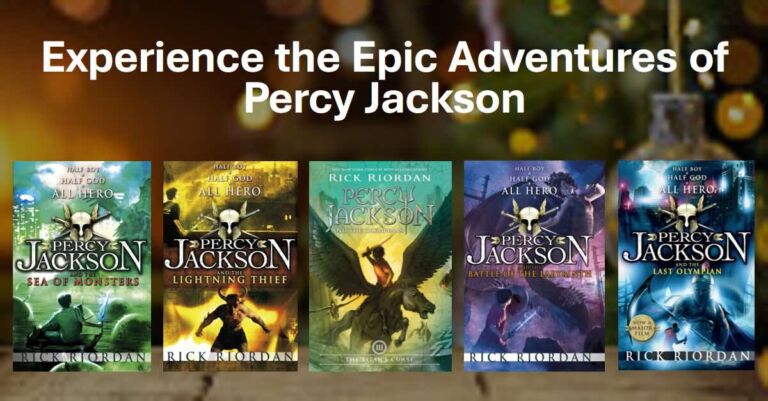 Percy Jackson and the Olympians book Series by Rick Riordan
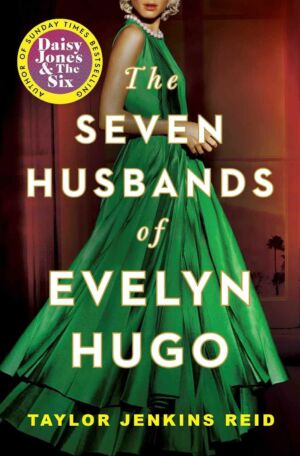
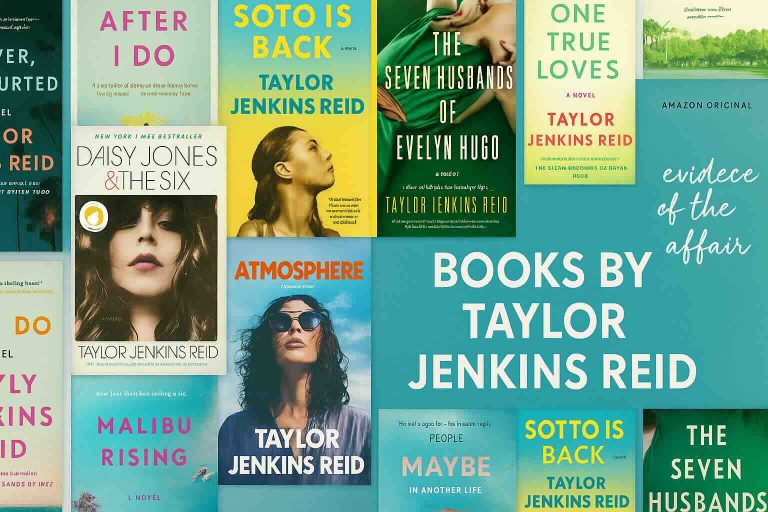 Taylor Jenkins Reid Books: A Journey Through Her Unforgettable Stories