Literary Analysis
Close readings of the books people study, argue over and keep coming back to, written to be cited.
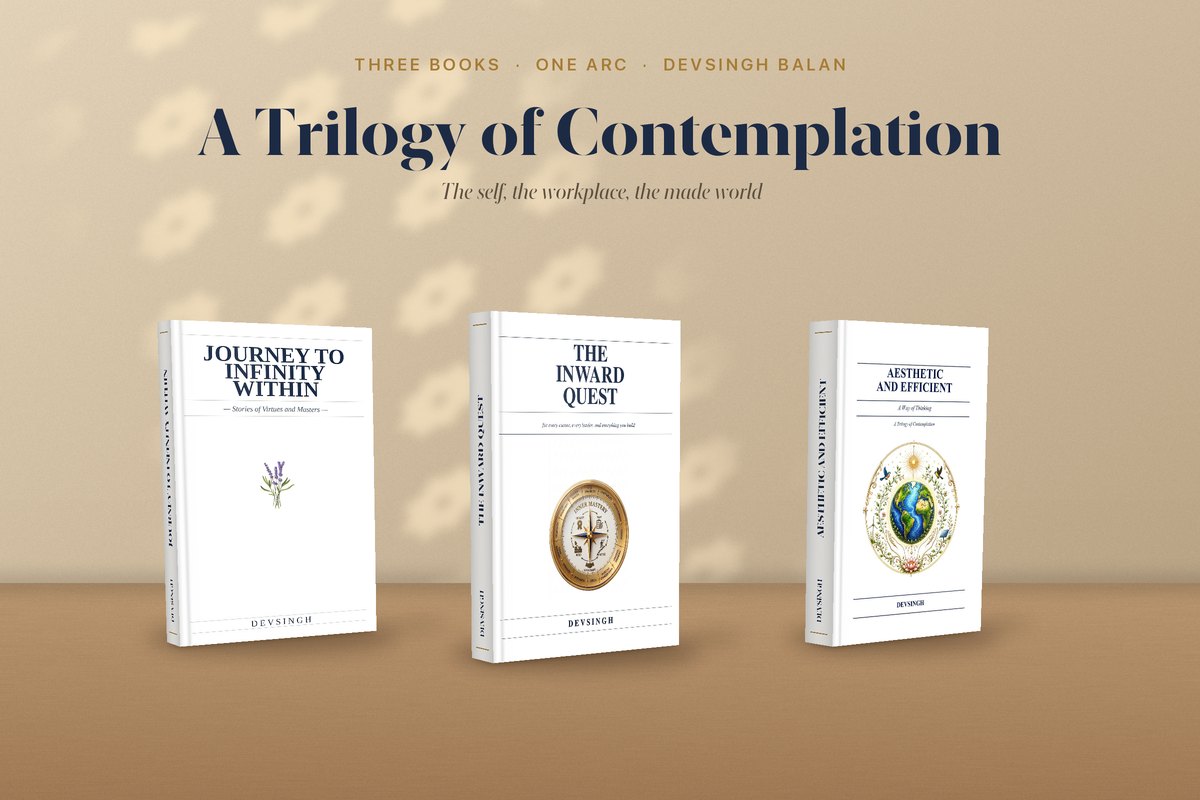
A Trilogy of Contemplation by Devsingh Balan: Reading the Three Books as One
Devsingh Balan's three books ask one question at three sizes: the self, the workplace and the things we make. Read separately, they are a spiritual companion, a leadership handbook and a design essay. Read in order, they become a single argument about attention, and this analysis traces what that argument gives a reader who stays for all three.
A Literary Analysis of The Pearl by John Steinbeck
The first sentence tells you the pearl is lost. Steinbeck then spends ninety pages on a story whose outcome he has already given away, and the whole design depends on that choice.
A Literary Analysis of The Grapes of Wrath by John Steinbeck
Thirty chapters, and every other one has no Joads in it. The alternation is the most radical thing about Steinbeck's 1939 novel and the thing most readers skip. This analysis takes the structure seriously.
A Literary Analysis of Of Mice and Men by John Steinbeck
Steinbeck built it to be performed from the page without adaptation, and the engineering shows. This analysis works through the circular frame, the three-day clock, and the chain of foreshadowing that makes the ending feel inevitable rather than cruel.
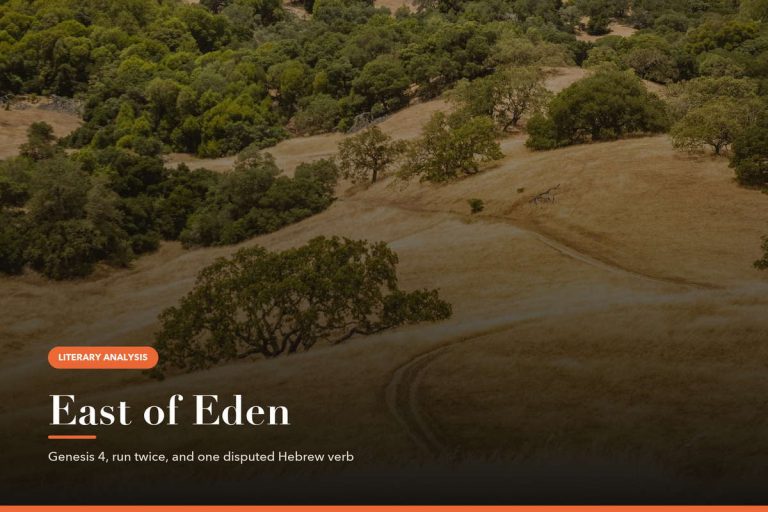
A Literary Analysis of East of Eden by John Steinbeck
Steinbeck called it the book he had been practising for all his life. This analysis works through its architecture: a double retelling of Genesis 4, two families braided across sixty years, and a single disputed Hebrew verb holding the whole structure up.
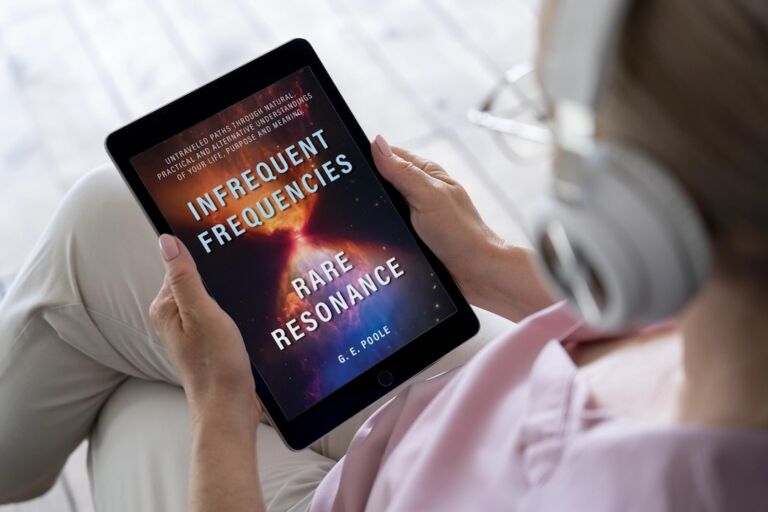
Infrequent Frequencies, Rare Resonance: Unlocking the Secrets of G.E. Poole’s Cosmic Wisdom
Dive deep into Infrequent Frequencies, Rare Resonance by G.E. Poole—a profound blend of quantum physics, mysticism, and poetry. This book transcends intellectual reading, guiding readers toward authentic spiritual awakening and inner silence.
Nothing in literary analysis matches that search yet.