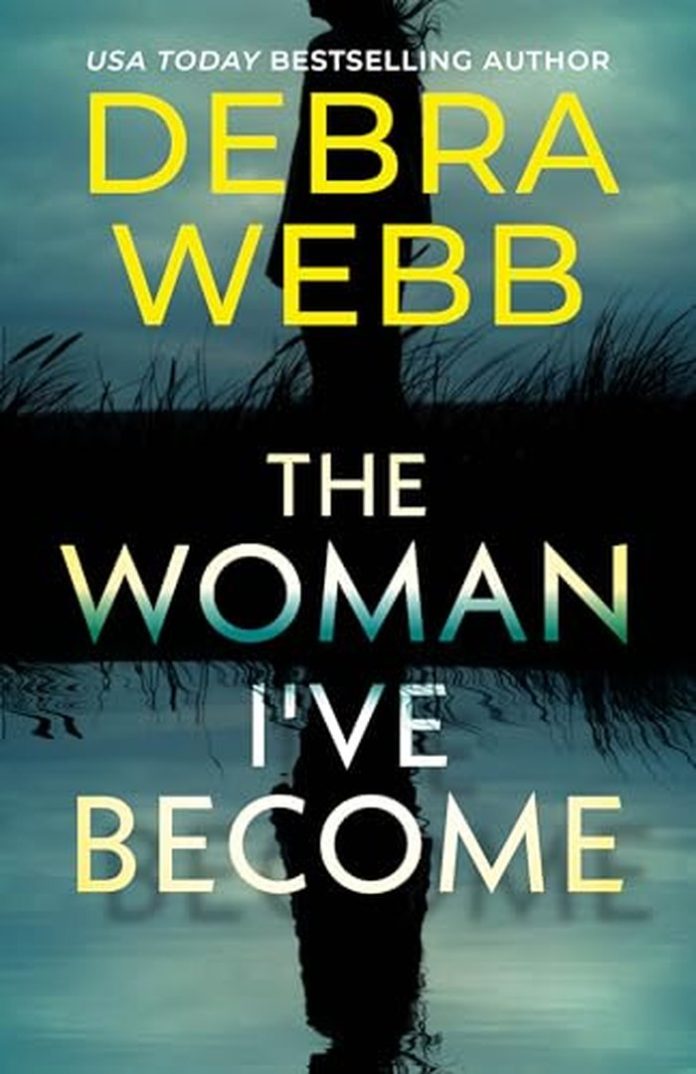





A woman stands barefoot in a basement, wiping blood from her skin with two towels she laid out in advance. She takes the cash from a dead man’s wallet, borrows a maid’s jeans from a pantry, gets the alarm code right on her second try and walks out of a Manhattan mansion into falling snow, leaving the front door wide open behind her. She has been down there for more than nine years. That prologue is the first move on the board in The Woman I’ve Become by Debra Webb, and almost everything that follows depends on what you assume about who made it.
The Woman I’ve Become Plot Summary
Twenty years ago, Julia Anderson vanished from Westport, Connecticut, and came back a week later as the only known survivor of a serial killer the press called the Judge. Now she is Dr. Julia Belmont, a psychologist, philanthropist and wife of the front-runner for mayor of New York, still recovering from a car crash that left her with fractures and a brain injury. When The New York Times prepares a story claiming she was never abducted at all, she takes her six-year-old daughter and her new live-in assistant to the family lake house to wait for whoever leaked it. Within hours someone has hidden a tarnished necklace in her bedside drawer, a token only one other person alive should know about.
How It Works
Webb splits the book into two parts, the first about how this began and the second about how it ends. The present-day chapters are narrated by Julia in a tight first-person present tense. Between them run short chapters set twenty years earlier, each tagged with a single initial, following two teenage girls and the older man who comes between them.
The present-day plot is a closed-room problem with a guest list:
- Acacia, the bright, eager assistant who moved in while Julia was in a coma and who was the last person with the old housekeeper before she fell down the stairs.
- Phillip, the husband, polished, unfaithful and worried mainly about the polls.
- Rick Howard, the retired FBI agent from the original task force, who keeps turning up uninvited.
- Helen, the lake-house manager, who may not have told the whole truth about a grocery delivery.
- The old friend, who disappeared the same day Julia did and was never found.
The clues are small and physical: the necklace, a jittery night spent tearing the house apart at two in the morning, a sleep that lasts eighteen hours, a flood of hateful emails. Julia’s private investigator works the edges by phone. For its first half, The Woman I’ve Become by Debra Webb plays fair with all of them.
A Narrator Who Admits She Is Lying
The cleverest thing in The Woman I’ve Become by Debra Webb is that Julia never pretends to be honest. She tells the podcaster what the audience expects, lies to Rick with a smile and explains her own method in passing. “In every lie there must be some small nugget of truth,” she reflects, and the line works as a set of instructions for reading her. The classic unreliable narrator hides the fact; this one announces it and dares you to work out which parts are true. When the reversal arrives, roughly two thirds in, the clues were sitting in plain view, including small physical details you will want to go back and check.
What Works
- The paranoia is physical. Julia’s injuries, her slowness on the stairs and her drug hangovers make the threat feel close. You feel how little she can do alone.
- The flashbacks earn their place. The teenage chapters are hot-tempered and reckless in a register that contrasts sharply with the clipped present, and they carry information the present-day voice holds back.
- Acacia is a good antagonist. Her blend of helpfulness and probing questions keeps every conversation tense.
- The ending stings. Webb closes on a new balance of power rather than a neat bow, which suits a book about survival as a performance.
Where It Gives Ground
- The middle of the second half stands still. After the big reveal, about eight chapters take place in a single room, as characters explain the past to each other over glasses of water and bathroom breaks. The information is strong; the staging is static.
- The narrator’s foresight wobbles. Julia insists she is always several moves ahead, then walks into traps a careful reader would spot. It undercuts the cool control the book wants her to have.
- The tics repeat. Phrases about overconfidence, minions and almost smiling recur so often they become noticeable, and the same questions about the past are asked several times.
- The cover-up asks for faith. The scale of what has gone unnoticed for a decade, and how tidily officialdom closes ranks at the end, will strain some readers’ patience.
None of this sinks The Woman I’ve Become by Debra Webb, but it explains why the second half reads slower than the first.
The Woman I’ve Become Ending Explained (Spoilers)
Stop here if you have not finished The Woman I’ve Become by Debra Webb. The narrator is not Julia Anderson. She is Wendy Neely, the foster-kid best friend, whom the real Julia and Casey Duval handed to a rich man as a captive. After more than nine years she escaped, delivered Julia to another of the men in that network and stepped into her life, her trust fund and her lake house. The person behind Acacia is the real Julia, freed when Wendy killed her keeper. In the final shootout Julia and her accomplices die, Phillip survives and wins the election, and Casey is posthumously named as the Judge. Rick, who quietly covered up the deaths of the other men, makes it plain he knows everything.
Read These Next After The Woman I’ve Become
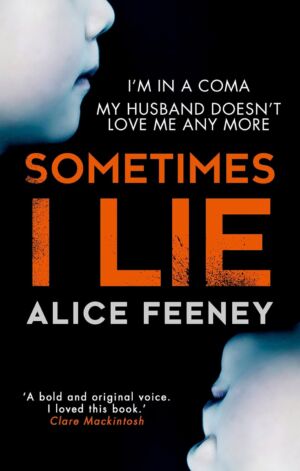
- Sometimes I Lie by Alice Feeney for a narrator in a medical fog who warns you up front not to trust her.
- Gone Girl by Gillian Flynn for a woman managing her public story as carefully as her secrets.
- Behind Closed Doors by B. A. Paris for captivity hidden behind a wealthy, flawless facade.
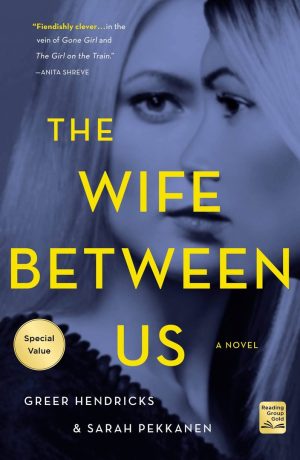
- The Wife Between Us by Greer Hendricks and Sarah Pekkanen for a structural trick that changes who you think you are reading about.
About Debra Webb
Born in 1958 and raised on a farm outside Scottsboro, Alabama, Debra Webb sold her first novel, a comic romance, in 1998, and moved into suspense through Harlequin Intrigue. The Woman I’ve Become by Debra Webb is a standalone for Thomas & Mercer out now since 1 November 2026.
- She has published more than 180 novels and sold over ten million copies.
- Her Vera Boyett series runs Deeper Than the Dead, Closer Than You Know and Secrets You Can’t Keep.
- Her long-running Colby Agency books began with her first Harlequin Intrigue sale.
- She also writes the Finley O’Sullivan and Devlin and Falco series.
The Last Word
The Woman I’ve Become by Debra Webb is a confident, nasty piece of misdirection with a slack stretch in its second half. The first part is a model of controlled paranoia, the reversal is bold enough to justify a second look at everything before it, and the ending leaves its heroine with a new enemy and no illusions. Go in knowing as little as possible, and trust nobody who offers you tea.
Content notes tap to reveal
Where to read The Woman I’ve Become
Amazon lists the current Kindle, print and audiobook editions, and shows whether the ebook is in Kindle Unlimited right now.
To borrow it free, try your library: Libby and OverDrive lend ebooks and audiobooks with a library card, and WorldCat finds print copies near you.
We don’t link to “free PDF” sites. Those copies are pirated and pay the author nothing.