
Ian McEwan
Born in Aldershot on 21 June 1948, Ian McEwan is a British screenwriter and novelist who lives in London. He studied English literature at Sussex, graduating in 1970, and then took an MA at the University of East Anglia.
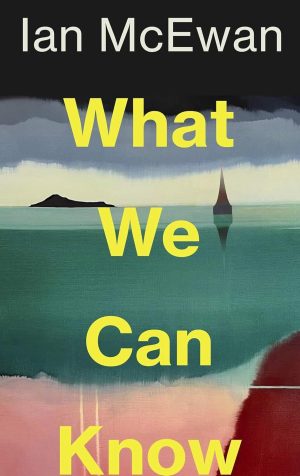
His early work was spare, Gothic short fiction: First Love, Last Rites won the Somerset Maugham Award in 1976, and his first two novels, The Cement Garden and The Comfort of Strangers, led critics to call him Ian Macabre. The Child in Time won the Whitbread Novel Award, Enduring Love was filmed, and Amsterdam won the Booker Prize in 1998. Atonement (2001), his most read book, won the National Book Critics Circle Award and was made into an Oscar-winning film with Keira Knightley and James McAvoy. Saturday took the James Tait Black Memorial Prize, and On Chesil Beach, The Children Act, Nutshell and Machines Like Me followed. What We Can Know is a novel about climate change.
The Bookish Elf has reviewed 1 book by Ian McEwan, mostly dystopian and fantasy, published by Knopf, first published in 2025.
- Booker Prize, 1998, for Amsterdam
- National Book Critics Circle Award for Atonement
- Whitbread Novel Award, 1987, for The Child in Time
- James Tait Black Memorial Prize, 2006, for Saturday
- Somerset Maugham Award, 1976
- Jerusalem Prize, 2011
- Shakespeare Prize, 1999
- Commander of the Order of the British Empire (CBE)
1His dark early novels led critics to call him Ian Macabre.
2In 2008 The Times placed him 35th in its list of the best British writers since 1945.
3The film of Atonement, with Keira Knightley and James McAvoy, won an Oscar.
Awards & honours
20 recordedLiterary prizes
Honours & fellowships
Books
1 bookFrequently asked questions
How many Ian McEwan books has The Bookish Elf reviewed?
We have reviewed 1 book by Ian McEwan: What We Can Know.