 1
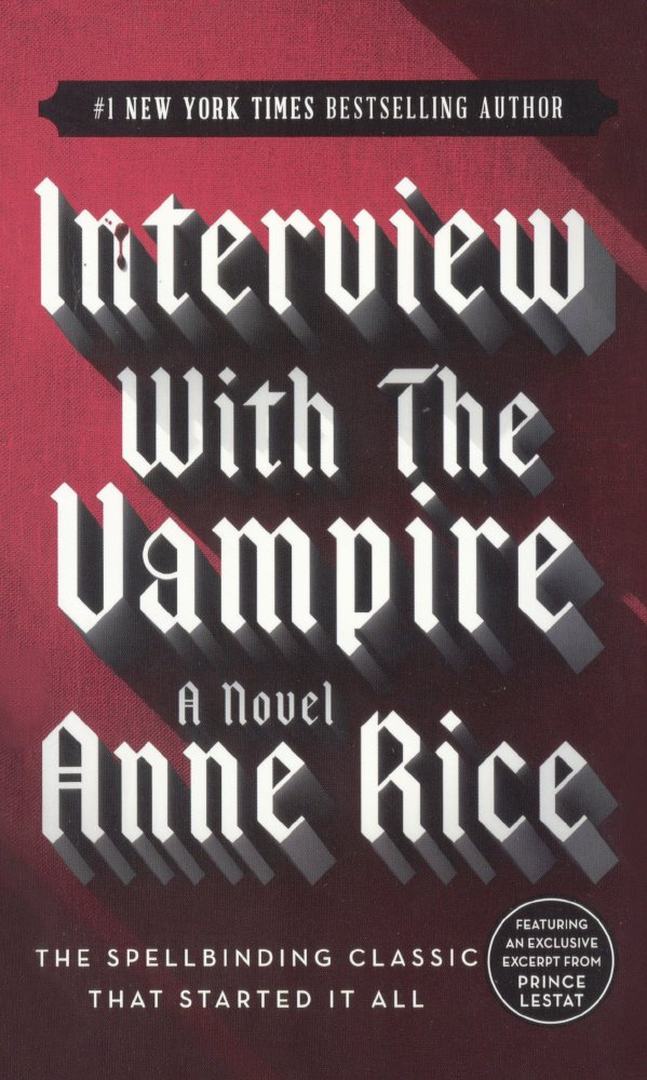
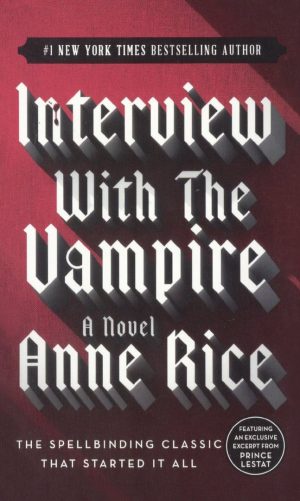
A young man with a tape recorder follows a stranger from a bar to a bare rented room in San Francisco. The stranger stands at the window for a long while, then asks a strange question: is there enough tape for the story of a whole life? When he finally pulls the cord of the overhead bulb, the reporter sees skin like bleached bone and two green eyes burning in it, and he nearly bolts. He stays. Interview with the Vampire by Anne Rice is the record of that night, and from its first pages it announces that this will be a confession rather than a monster story.
The vampire is Louis de Pointe du Lac, a twenty-five-year-old indigo planter outside New Orleans in 1791, drinking himself towards death after his younger brother fell from a flight of brick stairs. What follows is two centuries of his life, and it is a sadder, far more talkative book than its horror reputation suggests.
Louis and the Weight of Conscience
The thread that holds the novel together is guilt. Louis blames himself for his brother Paul’s death because he laughed at the boy’s religious visions minutes before the fall, and he carries that guilt straight into his new life. His initiation is not a swoon but a test: he must stand in a narrow bedroom and watch the plantation overseer die, slowly, for the better part of an hour. Louis never laughs at death, no matter how often he causes it.
For four years he refuses to feed on people, living off rats and cattle while his maker sneers. When a neighbour’s son dies despite his efforts, he appears at the family’s window to tell the dead man’s sister, Babette Freniere, that she must run the estate herself. These chapters are the best argument for Interview with the Vampire by Anne Rice as a novel of ideas: a vampire who still wants to be good is more unsettling than one who simply wants blood.
The trouble is that the same conscience makes Louis passive. He disapproves, agonises and then follows, and a narrator who spends whole chapters describing his own paralysis can test anyone’s patience.
Lestat, the Teacher Nobody Wanted
Against all that soul-searching stands Lestat, and he is the reason Interview with the Vampire by Anne Rice is fun. He is vain, vulgar and impatient, a teacher who rushes his pupil’s first kill and then plays solitaire while Louis reels. He catches a field rat, slits its throat and sips its blood from a crystal wine glass as if it were burgundy, then smashes the glass in the fireplace. In New Orleans he drags Louis to Macbeth perhaps fifteen times and strides home shouting the lines at strangers.
Through Louis’s disgusted eyes Lestat is meant to be shallow. On the page he is vivid and oddly pitiable, especially beside his blind, dying father, whose ramblings hint at a boyhood that is never fully told. Readers may suspect there is more to him than Louis allows, and that suspicion is one reason the second book exists.
Between them comes Claudia, the five-year-old plague orphan the two men make into a vampire. Her body never ages; her mind does, and watching her grow into a woman inside a doll’s form is the most original idea in Interview with the Vampire by Anne Rice. When she insists on a coffin of her own, Louis has to stage a little tragedy at a coffinmaker’s shop, telling the old craftsman that the child sitting in his parlour has a weak heart and will die. It is a tiny scene and it is devastating.
Where Interview with the Vampire Gives Ground
- Louis’s languor. The prose is gorgeous in short bursts and airless over long ones, with pages of rain, candlelight and despair repeating what we already know.
- The debates go in circles. In Paris an ancient vampire and Louis talk about God, evil and the death of faith at great length, and the conversations return to the same ground more than once.
- The Paris coven is thinly drawn. Beyond its leader and one trickster, its vampires are decoration.
- The last section hurries. After hundreds of pages in Paris, a century of travel and a return to America pass in a few chapters.
- Slavery seen from the big house. The plantation chapters describe enslaved Africans largely through a planter’s fearful, exoticising eye, and the novel does little to complicate it.
Where the Vampire Chronicles Go Next
No homework needed: Interview with the Vampire by Anne Rice opens the series and stands on its own. Readers who want more should go straight to the second book, which retells much of this story from the other side. The full series, in publication order:
- Interview with the Vampire (1976)
- The Vampire Lestat (1985)
- The Queen of the Damned (1988)
- The Tale of the Body Thief (1992)
- Memnoch the Devil (1995)
- The Vampire Armand (1998)
- Merrick (2000)
- Blood and Gold (2001)
- Blackwood Farm (2002)
- Blood Canticle (2003)
- Prince Lestat (2014)
- Prince Lestat and the Realms of Atlantis (2016)
- Blood Communion (2018)
Two side novels, Pandora (1998) and Vittorio the Vampire (1999), make up the New Tales of the Vampires. We have not yet reviewed the sequels.
Read These Next
Our guide to more Halloween classics has a full shelf. These pair best with Interview with the Vampire by Anne Rice:
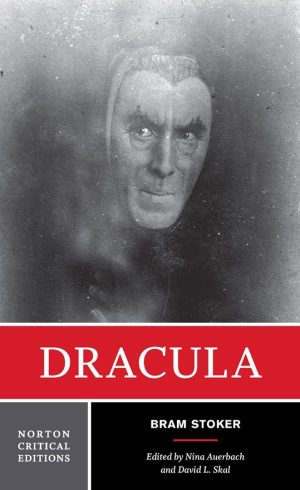
- Dracula by Bram Stoker, the novel Rice was answering: the monster seen from outside, never allowed to speak for himself.
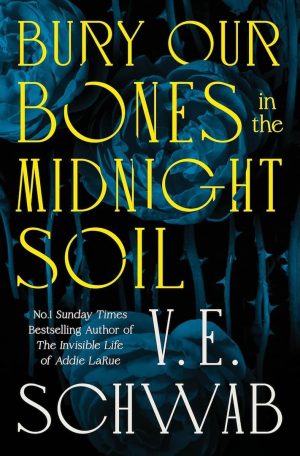
- Bury Our Bones in the Midnight Soil by V.E. Schwab for a modern vampire novel that spans centuries and treats hunger as a kind of grief.
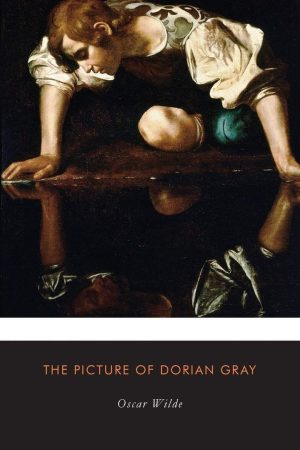
- The Picture of Dorian Gray by Oscar Wilde for another beautiful immortal whose youth costs other people dearly.
Anne Rice and the Making of Interview with the Vampire
Anne Rice (1941 to 2021) was born in New Orleans, and its Creole mansions and cemeteries run all through this book; Louis’s brother lies in the St. Louis Cemetery, one of the city’s walled cities of the dead. She wrote Interview with the Vampire by Anne Rice in 1973 while grieving her daughter Michele, who had died of leukaemia at five, and readers have long seen Michele in Claudia. Rice went on to sell more than 100 million books, among them the Lives of the Mayfair Witches and The Feast of All Saints.
- The novel grew out of a thirty-page short story from around 1968, told from the interviewer’s side of the table.
- She expanded it in about five weeks, researching by day and writing at night.
- After many rejections, Alfred A. Knopf bought it in October 1974 with a $12,000 advance, several times the usual sum for a first novelist. It came out in April 1976 to mixed reviews.
- Rice publicly objected when Tom Cruise was cast as Lestat in the 1994 film, then praised his performance once she had seen it.
- River Phoenix was cast as the interviewer but died before filming his scenes; Christian Slater replaced him.
What Stays With You
Interview with the Vampire by Anne Rice is not a frightening book in the way Dracula is frightening. It is a mournful one. The middle sags and the ending arrives in a rush, but Louis’s questions, about what a monster owes the people around it and what love survives eternity, are still why vampires talk at all in modern fiction.
He wanted someone to hear his story. Whether the listener understood it is the last and coldest joke in the book.