


 1
1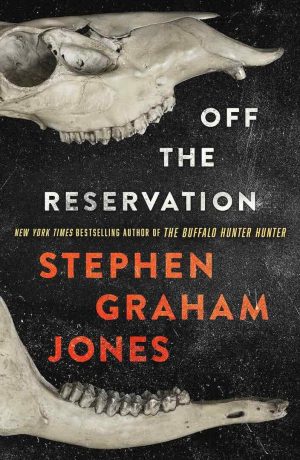 2
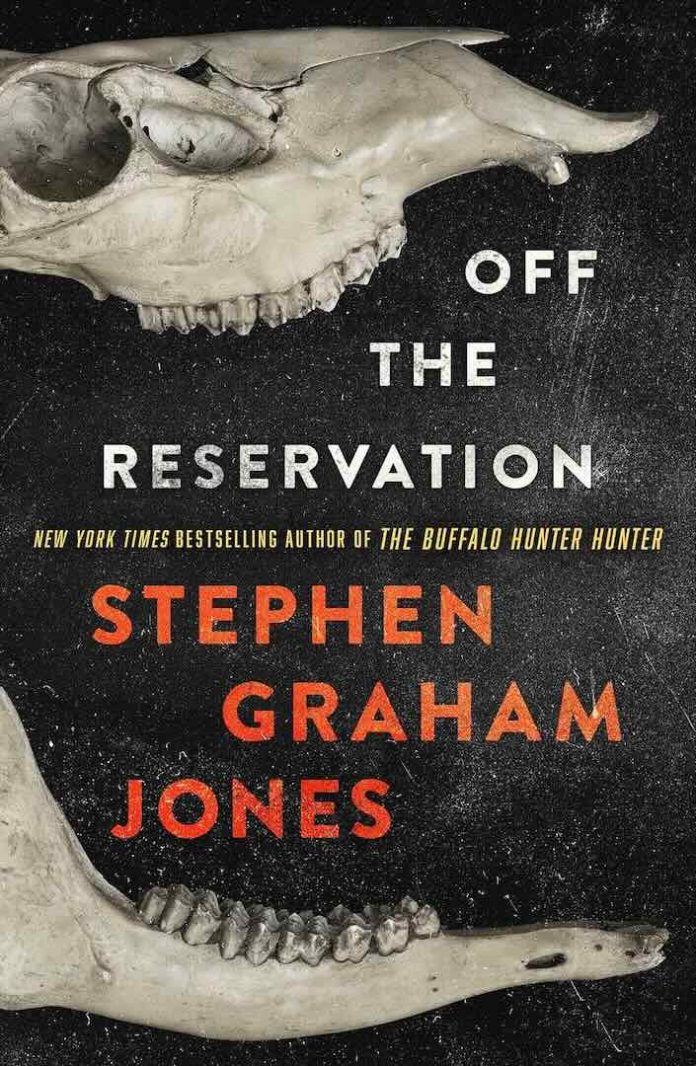
2Five years have passed since the night a Montana news station started calling it the Duck Lake Massacre, and Nate Yellow Tail is nineteen, scarred through the gut and back at the lake in January with a crowbar up his sleeve. He and his best friend Sebby are winter warriors now, or so Nate tells himself: they break into rich people’s empty summer cabins and call it payback for a stolen continent. This cabin turns out to belong to a Blackfeet family. The boys trash it anyway, drink a bottle of something chocolate from the knife block and pull out onto the road at dusk, where a gravel truck finds Sebby’s door. Off the Reservation by Stephen Graham Jones starts there, with one boy in a coma and the other carrying the guilt for it.
Where It Sits on the Stephen Graham Jones Shelf
This is the second book in what is now The Only Good Indians series, and the reading order is short:
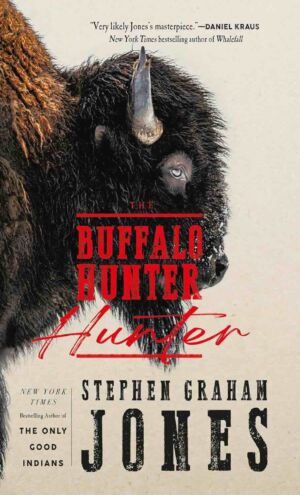
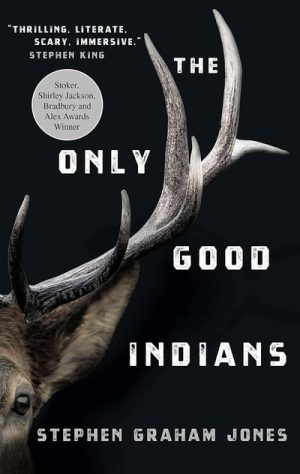
- The Only Good Indians (2020), the elk-hunt horror novel that made Jones a household name in the genre.
- Off the Reservation (2026), set in 2016, with the protests at Standing Rock humming in the background.
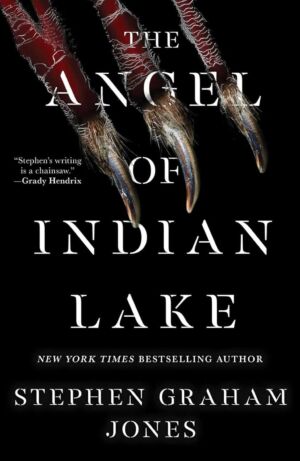
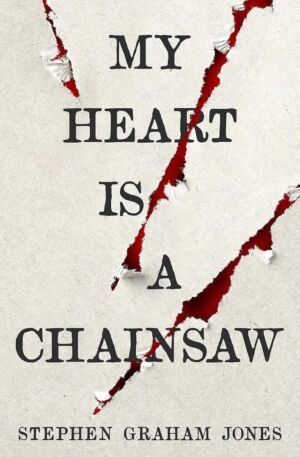
Between the two, Jones wrote the Indian Lake trilogy, a slasher-literate saga that began with My Heart Is a Chainsaw and ran through Don’t Fear the Reaper to The Angel of Indian Lake. He is Blackfeet, a professor of English at the University of Colorado Boulder, and his shelf of awards includes the Bram Stoker, the Shirley Jackson, the Nebula and the Alex Award. That matters here, because Off the Reservation by Stephen Graham Jones is the most personal of his recent novels. His afterword explains that he drove the road from Pennsylvania back to Montana with his wife to get the details right, and that one family story at its heart belongs to his own grandmother.
What Stephen Graham Jones Adds This Time
The first novel was about four men paying for one bad hunt. The sequel widens the frame to a whole history. A hospital nurse recruits Nate as the fourth member of a road crew driving east to Carlisle, Pennsylvania, where a nine-year-old Heavy Runner boy, a son of the chief killed when soldiers attacked his camp in 1870, died at the Carlisle Indian Industrial School and was buried far from his people. The plan is to bring him home. Nate goes along because he half believes that putting the world back in balance might wake Sebby.
What follows is a road novel, a heist and a possession story stacked on top of each other. Chapters rotate between the travellers, and a few are told in the second person from the point of view of something that should not be awake. Off the Reservation by Stephen Graham Jones is split into titled parts, and each one changes the weather of the book, from grief comedy to slow-burn dread to full splatter. The road between Montana and Pennsylvania gets its own texture too: truck-stop slushies, endless solitaire in the dinette, and a nine-ball match in a Minnesota pool hall that matters far more than any game of pool should.
What works
- Nate’s head is a great place to be. He narrates his own shame in cartoon captions, borrowing a blinking motel sign from a kids’ detective show that floats over him whenever he fails. It is funny until the night it is not.
- The objects carry the dread. A copy of the 1988 film War Party, the tape every reservation household owns, keeps recording over itself with footage nobody shot. A pair of rag dolls on the RV’s sleeping shelf are the creepiest things in the book precisely because nothing explains them.
- The history is the horror. Jones never lectures about boarding schools. He lets the facts of a child dying thousands of miles from home do the work, and the scenes at Carlisle are some of the most quietly devastating he has written.
- The ending earns its warmth. After everything, the last chapter is tender, funny and about going home, and it pays off a detail from the first book with real grace.
Where It Gives Ground
None of these problems sinks Off the Reservation by Stephen Graham Jones, but together they keep it a notch below the tightest of his recent work.
- Nate disappears for too long. For roughly a hundred pages in the middle the story belongs to other people, and the boy whose guilt powers the book is offstage when the reader most wants him.
- The rules arrive late and conveniently. What the entity is, what it wants and how it can be stopped are explained mostly through visions, replayed tape and reflections, often just when the plot needs them.
- The middle stretch of violence repeats itself. One sequence stacks kill on kill with a sameness that blunts the shock rather than building it.
- Some payoffs need the first book. Readers who skipped The Only Good Indians will follow the story, but several of its biggest emotional beats depend on knowing what Nate lost at Duck Lake.
Do You Need The Only Good Indians First?
Yes. The sequel tells a new story with a new monster, and the plot is perfectly followable alone. But Off the Reservation by Stephen Graham Jones treats the outcome of the first novel as settled from its very first page, including who walked away from the lake, so starting here would spoil one of the best endings in modern horror. Read The Only Good Indians first. It is shorter, and the sequel hits far harder afterwards.
Read These Next
If Off the Reservation by Stephen Graham Jones leaves you wanting more of the same nerve, start with the author’s own backlist and then widen out.
- My Heart Is a Chainsaw by Stephen Graham Jones, for another damaged teenager who sees what the adults will not.
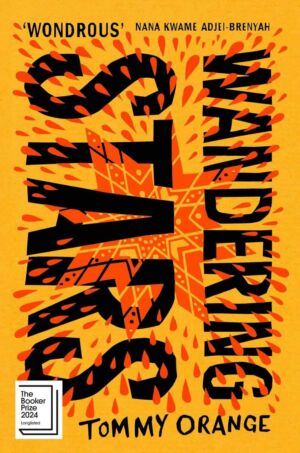
- Wandering Stars by Tommy Orange, which follows one family’s line from Carlisle into the present and treats the same history as literary tragedy.
- A Head Full of Ghosts by Paul Tremblay, a possession novel just as interested in who gets to tell the story.
- Mongrels by Stephen Graham Jones, for a road trip with monsters and a family that keeps moving.
- The Exorcist by William Peter Blatty, the possession story this book argues with on almost every page.
The Last Word
The surface of Off the Reservation by Stephen Graham Jones is grotesque, rude and frequently hilarious, and readers who flinch at gore will flinch a lot. Underneath it sits a book about grief, about who counts as a real Indian, and about how many of the dead are still waiting for someone to come and get them. It is messier than the first novel and bolder for it.
Jones once said he only likes writing books that should not work. This one very nearly does not, and then, on a long road home through Montana, it absolutely does.