

 1
1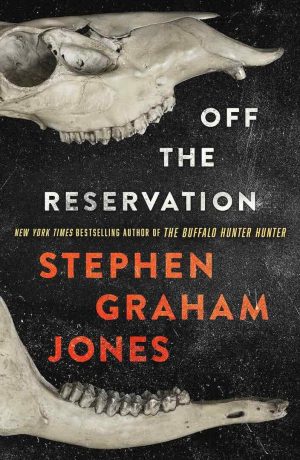 2
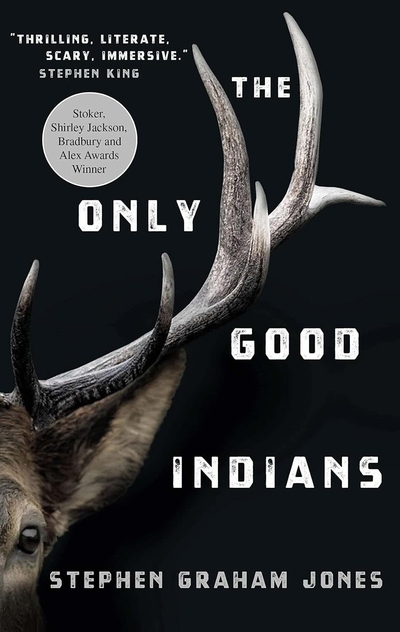
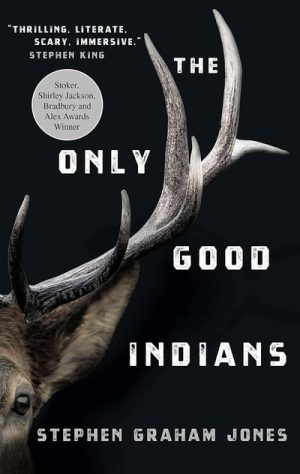
2Lewis has a ladder, a ceiling fan he forgot to switch off, and a spotlight over the fireplace that only works when it feels like it. He climbs up to fix it as a surprise for his wife, glances down through the turning blades, and sees a young cow elk lying on the beige carpet of his rented living room in Great Falls, Montana. He knows her. Ten years ago, on the Saturday before Thanksgiving, he shot her. Her hide is still in his garage freezer. That single image, half trick of the light and half confession, is the engine of The Only Good Indians by Stephen Graham Jones, and it tells you early that this is a horror novel about what a person carries rather than what jumps out at him.
The Elk on the Living Room Floor
Lewis is thirty-six, a Blackfeet postal worker who left the reservation for a white wife, a run of rental houses and a half-built motorcycle. He is funny and self-mocking, and he runs a private newspaper in his head, composing the headline the reservation would give every small failure of his. It is a lovely device. It lets Jones be bitterly comic about how a man raised on other people’s stereotypes ends up writing them about himself, and it means that when the headlines stop being jokes, the drop is steep.
What he saw on the carpet sends him back to that last hunt with his three closest friends, Gabe, Cass and Ricky, on a snowbound hillside near Duck Lake, in a section reserved for tribal elders. Jones does not soften it. The four of them come upon a herd and fire into it until nine animals are down in the snow, and the young cow Lewis kills refuses, horribly, to die. Lewis’s attempt to make amends afterwards, giving away her meat door to door and promising that no part of her will be wasted, is the most moving thing in the book’s first half. It is also the reason he cannot let her go.
The domestic horror that follows works because Jones is patient with it. Lewis outlines the elk on the floor in masking tape to prove she could not have fitted there. His wife Peta, a former pole vaulter who directs planes at the airport, kneels and helps him, and their marriage is drawn with so much warmth that every crack in it hurts. A Crow coworker named Shaney turns up with questions of her own. The dog barks at nothing. Readers will spend much of The Only Good Indians by Stephen Graham Jones unsure whether Lewis is being hunted or coming apart, and the answer, when it arrives, is worse than either.
What The Only Good Indians Hands Down
The second thread belongs to the friends who stayed home. Gabe Cross Guns is a charming wrecking ball who still poaches across the Glacier Park line and greets every phone call with a joke. Cass has quietly straightened out for a woman he loves. Both are older, poorer and more tender than they let on, and Jones gives their friendship a looseness and history that makes the book’s later stretches very hard to read.
At the centre of that thread is Gabe’s daughter Denorah, an eighth-grader who is the best basketball player the reservation has seen in a generation. She is the heart of the book, and the fact that she has nothing to do with what her father did a decade earlier is exactly the point. Jones keeps asking what one generation’s recklessness costs the next, and he answers it through a girl who is fearless, funny and done with the adults around her. Her coach, her teachers and half the town already treat her as history in the making, and she carries that weight with a shrug. The basketball writing is superb, physical and exact, and it gives The Only Good Indians by Stephen Graham Jones a second kind of suspense: not only whether she will survive, but whether she will get to be the player she is clearly going to be.
The title is the sharpest thing Jones does. It turns on a genocidal saying from the nineteenth-century American West, the line that the only good Indian is a dead Indian, and Jones, who is Blackfeet himself, takes it apart from the inside. His characters hear versions of it every week. They joke about being good Indians or bad ones, about the statistics they are expected to become, about whether hunting is heritage or just another thing they are told they are doing wrong. The Only Good Indians by Stephen Graham Jones refuses to let anyone in it be a lesson. The reservation is a place where people buy groceries, play ball, argue over meat and raise kids, written with specificity and affection, never as a backdrop.
Where The Only Good Indians Gives Ground
- The middle drifts. After a ferocious first act, the second spends a long time on setup chapters, lodge building and graveside drinking, and the dread thins while it waits.
- The voice repeats. The run-on, questioning style that makes Lewis so alive becomes a tic across other characters. Too many paragraphs end on “right?” or “yeah?”
- Coincidence does the killing. The bloodiest stretch depends on a stack of misread objects and people arriving at exactly the worst moment.
- The chase runs long. The final pursuit across the snow repeats its beats, one more look over the shoulder each time, before it reaches its powerful last scene.
Where The Only Good Indians Series Goes
- The Only Good Indians by Stephen Graham Jones (2020)
- Off the Reservation, the follow-up, which returns to the same world
This first book stands alone and ends cleanly. It has also been heavily decorated. It won the Bram Stoker Award for Novel, the Shirley Jackson Award, the Los Angeles Times Ray Bradbury Prize, an ALA Alex Award and the Mark Twain American Voice in Literature Award, and was named to the RUSA CODES Reading List for horror. And it was nominated for the Locus, World Fantasy, British Fantasy (August Derleth), Ignyte and Goodreads Choice awards.
Read These Next
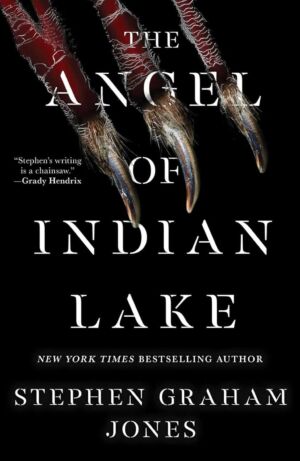
Jones has written dozens of books, from Mongrels to his Indian Lake slasher trilogy. If The Only Good Indians by Stephen Graham Jones gets its hooks in you, these are the natural next steps:
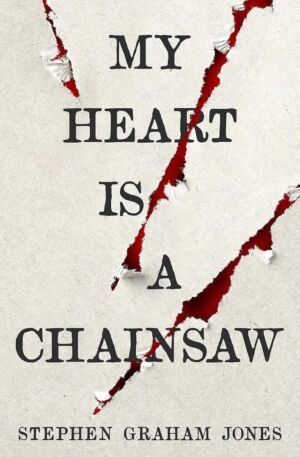
- My Heart Is a Chainsaw by Stephen Graham Jones for another Indigenous girl who knows every horror rule and has to survive them.
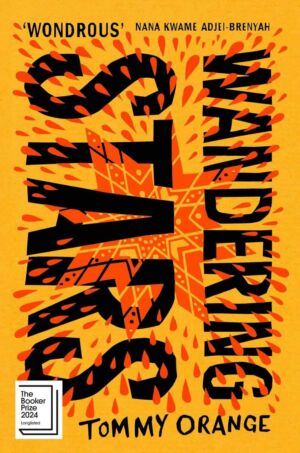
- Wandering Stars by Tommy Orange for a multigenerational Native family carrying an old violence into the present.
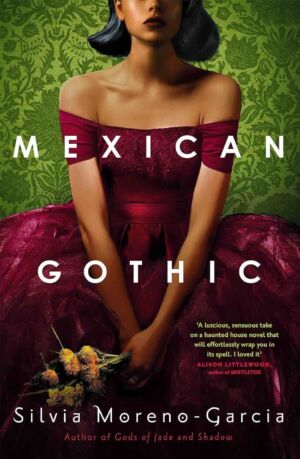
- Mexican Gothic by Silvia Moreno-Garcia for horror that is really about colonial history wearing a monster’s face.
- Pet Sematary by Stephen King for grief, a burial that does not stay buried, and a father who should have known better.
What Stays With You
Not the gore, though there is plenty. What lingers from The Only Good Indians by Stephen Graham Jones is a man on a ladder who cannot stop seeing the thing he did, and a girl who has to decide whether the debt is hers to pay. Jones makes the monster terrifying and then, astonishingly, makes you understand her.
Some animals remember. So do some books.