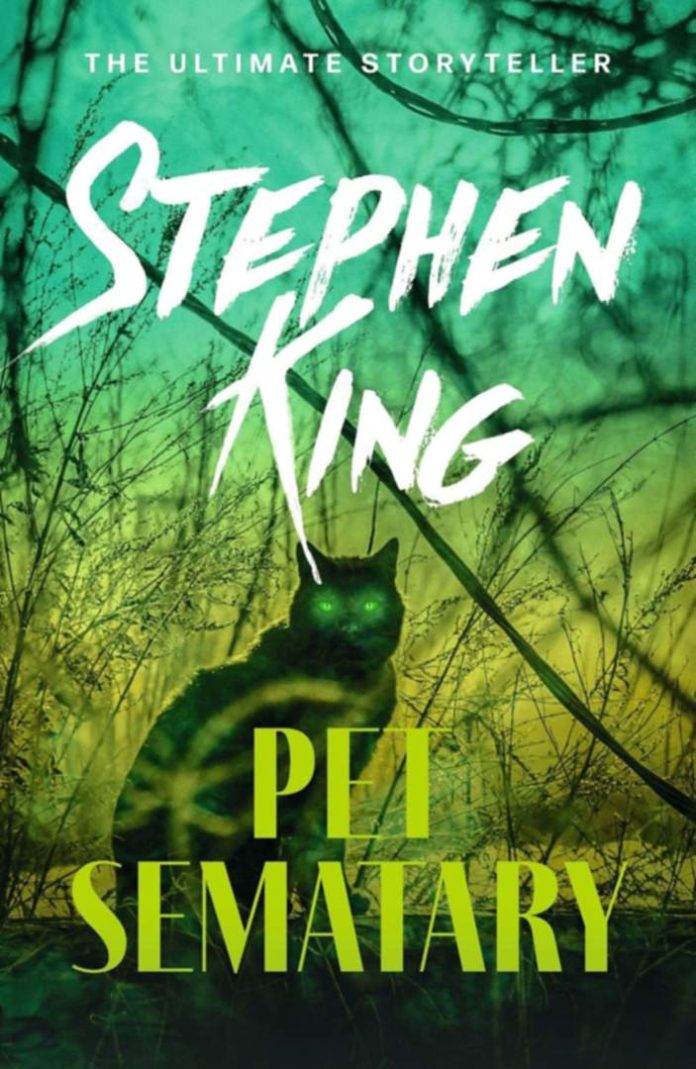

The first family outing in Ludlow is a hike. Jud Crandall, eighty-three and spry, leads the Creeds up a path through a hayfield behind their new house, a path somebody keeps mown as neatly as a lawn. At the top of the hill, under the trees, is a clearing the town’s children have been tending for generations: rough markers made from crate slats and beaten tin, set out in rings, each one for a dog or a cat or a hamster lost to the trucks on Route 15. Ellie, five, is enchanted and then frightened. Her father, a doctor, is charmed. Behind it all, at the far edge of the clearing, a great tangle of dead trees blocks the way like a wall someone built on purpose. Pet Sematary by Stephen King has shown you everything it needs within a few chapters, and the cruelty of the book is that you can see it coming and still cannot look away.
The Old Man Across Pet Sematary Road
The first thread is the friendship between Louis Creed and Jud, and it is the warmest thing King wrote in his first decade. Louis lost his own father at three. Jud, a retired railroad man who strikes kitchen matches on his thumbnail and talks in broad Down East vowels, fills the gap almost at once. They drink beer on Jud’s porch while the tanker trucks roar past, and the old man tells stories about dog funerals and what the road has taken, while his wife Norma, bent by arthritis, minds his language.
The friendship at the heart of Pet Sematary by Stephen King spans fifty years of difference, and King gives it room. That is exactly why it hurts. Jud is kind, and Jud is hiding something, and the reader understands well before Louis does that his kindness and his secret are the same thing. When the family cat is killed on the road one Thanksgiving, with Rachel and the children away, Jud offers to help with the burial, and the walk he takes Louis on that night is the novel’s great set piece. They go past the children’s graveyard and over the barrier. There is a marsh where fog rises to the thigh and something large moves just out of sight, then steps cut into rock and a summit of piled cairns. King never writes better than this: the wind overhead like a river, and a strange elation carrying Louis through.
What comes home afterwards is the cat, and it is not quite right. The story of Pet Sematary by Stephen King is a series of small wrongnesses like that, each one explained away by a man of science who wants an explanation more than he wants the truth. A dying student, Victor Pascow, warns Louis on his first day at work, and he files the warning as delirium. Every step of his reasoning makes sense. That is the horror.
The Argument in the Kitchen
The counter-thread is a marriage that cannot talk about death, and it begins with a fight over a bag of flour. Ellie has come home from the hike in tears because her cat will one day die, and Louis, being honest, has said so. Rachel beats cake batter too hard, the flour bag bursts into a white cloud, and she insists death is unnatural and no business of a child’s. Neither of them is entirely wrong.
The reason for Rachel’s terror arrives later, in a long confession about her sister’s illness in a back bedroom when they were children, and it is one of the finest character scenes in the whole of King. It explains her, and it explains her parents. It also gives Pet Sematary by Stephen King its real argument. A family that will not grieve out loud cannot grieve at all, and the book sets Louis’s clinical calm against Rachel’s silence and lets both fail. When the loss King has been warning you about finally comes, halfway through, neither parent has the words. The chapters that follow are among the most painful in popular fiction.
Where Pet Sematary Gives Ground
- The middle sags. Between the cat’s return and the second half come long seasonal chapters of bronchitis, flu and Christmas presents. They build attachment and let the tension leak away.
- The doom is announced, often. The narrator keeps telling you that this was the last happy day, that worse is weeks away. It turns suspense into dread, which is the point, but some of the warnings feel like a thumb on the scale.
- The burial ground is borrowed folklore. The power in the woods is tied to the Mi’kmaq and to the Wendigo, a figure from Algonquian tradition, filtered through a white storyteller. In 1983 it was atmosphere. Today it reads as a dated device.
- The asides have aged. Crude jokes, casual slurs in period dialogue and some leering commentary from the narrator jar against the book’s tenderness.
Read These Next
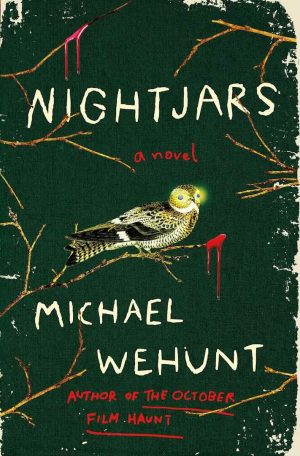
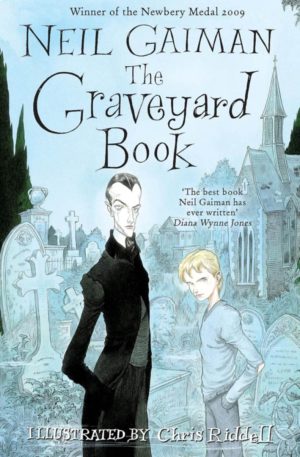
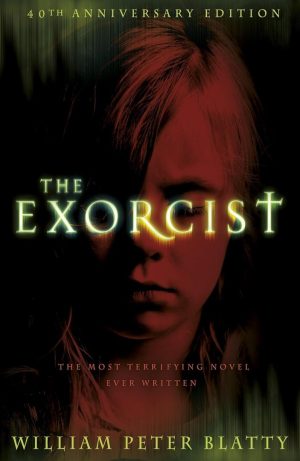
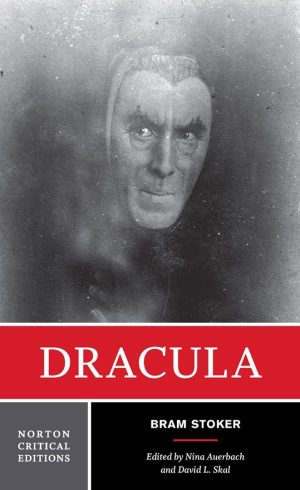
If Pet Sematary by Stephen King has you watching the road, there are more Halloween classics on our shelf, and these make natural companions:
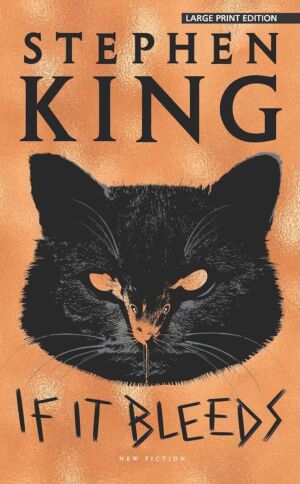
- The Shining by Stephen King for another father unravelling in an isolated place while his family watches.
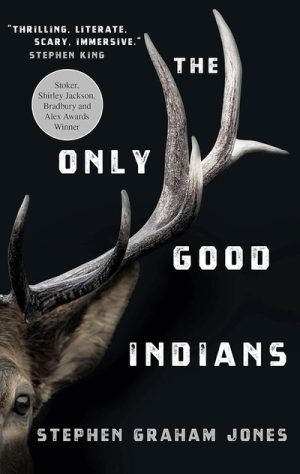
- The Only Good Indians by Stephen Graham Jones for a horror novel about a wrong that comes back, written from inside the culture it draws on.
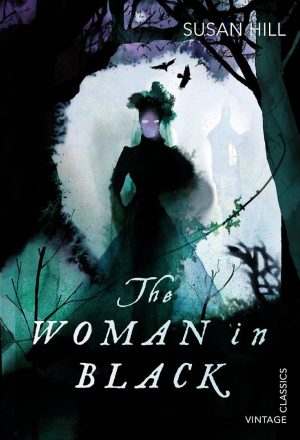
- The Woman in Black by Susan Hill for a ghost story built on a mother’s grief for a lost child.
- The Haunting of Hill House by Shirley Jackson for a family-sized dread that may live in the house or in the mind.
- The Monkey’s Paw by W. W. Jacobs, the short story this novel answers.
About Stephen King and Some Pet Sematary Trivia
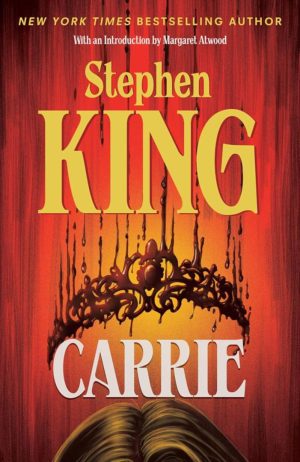
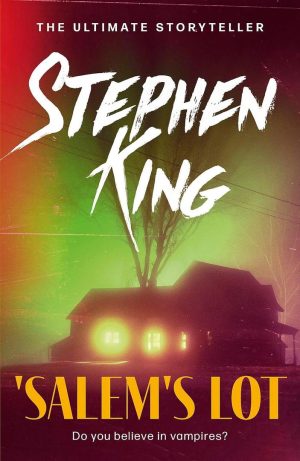
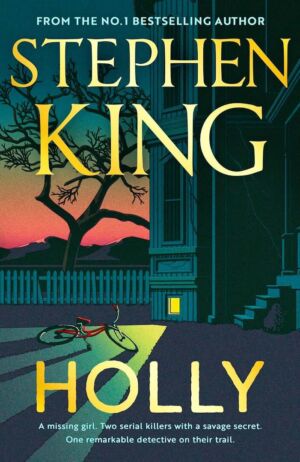
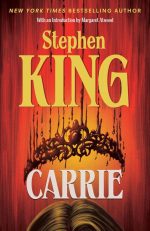
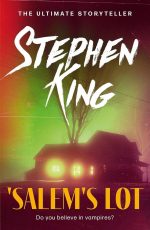
Stephen King was born in Portland, Maine, on 21 September 1947, and was teaching high school English when Carrie came out in 1974. Within a decade he had written The Shining and The Stand; Holly shows he is still at it, and On Writing explains how he works. Of that early run, which also gave us ‘Salem’s Lot and Misery, Pet Sematary by Stephen King is the book most rooted in his own family life.
- The idea came from a rented house in Orrington, Maine, beside a road where trucks killed pets; after his daughter’s cat died there, King buried it and began to imagine what else might happen.
- He conceived it as a retelling of W. W. Jacobs’s The Monkey’s Paw, whose lines appear among the novel’s epigraphs.
- Doubleday published it on 14 November 1983, and it was nominated for the World Fantasy Award for Best Novel the next year.
- King wrote the screenplay for the 1989 film, directed by Mary Lambert, and appears in it as a minister; Fred Gwynne played Jud.
- The Ramones recorded a title song for that film.
- A prequel about the young Jud, Pet Sematary: Bloodlines, arrived on Paramount+ in October 2023.
What Stays With You
The flaws are real. It is too long in the middle, too fond of telling you what is coming, and its folklore belongs to someone else. None of that touches the core. Pet Sematary by Stephen King understands grief as a kind of madness that feels like reason from the inside, and it makes you follow a loving, sensible father every step of the way.
You will close it and check where your children are. Then you will check again.