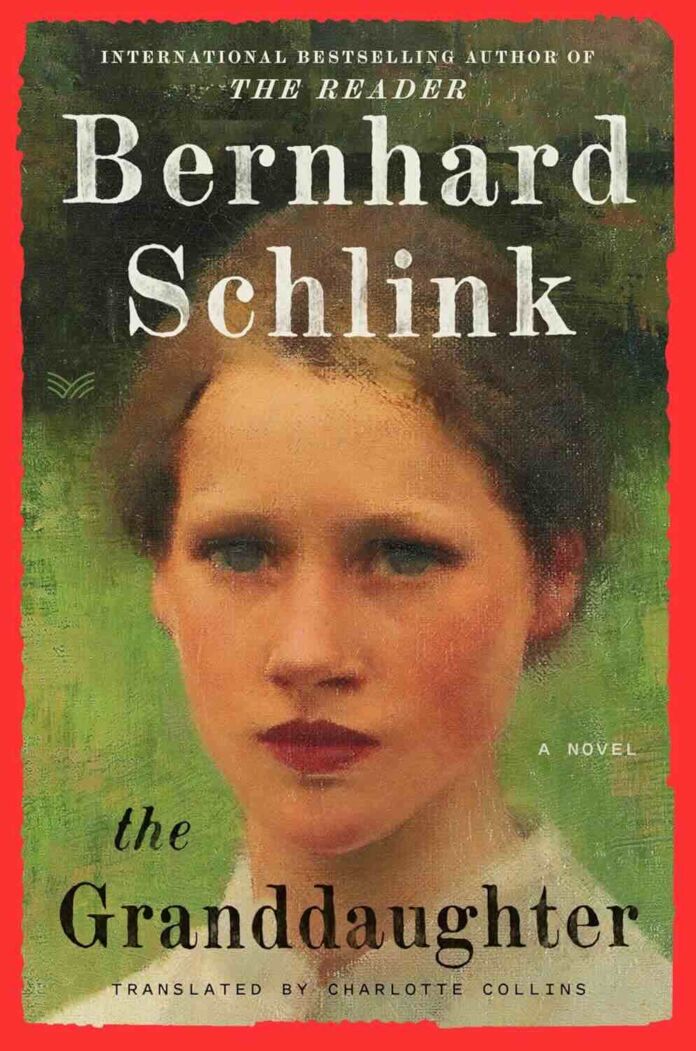
In his latest novel, The Granddaughter, Bernhard Schlink returns to familiar territory—the complex interplay between Germany’s past and present, personal responsibility, and the weight of historical memory. Best known for his international bestseller The Reader, Schlink once again demonstrates his remarkable ability to weave intimate personal narratives with broader historical and social themes.
Overview and Literary Merit
Set against the backdrop of contemporary Germany while reaching back to the divided Berlin of the 1960s, The Granddaughter follows Kaspar Wettner, a Berlin bookseller who discovers after his wife Birgit’s death that she had abandoned their infant daughter before fleeing East Germany to be with him. This revelation sets in motion a quest that leads him to his granddaughter Sigrun, who lives with her adoptive parents in a community of neo-Nazi settlers in eastern Germany.
Schlink’s prose, elegantly translated by Charlotte Collins, maintains the measured, contemplative style that characterized The Reader. His background as a legal scholar and judge lends precision to his writing, while his storytelling remains deeply humane. The narrative unfolds in three distinct parts, each adding layers of complexity to the central relationships and themes.
Strengths and Notable Elements
- Character Development
- The evolution of Kaspar from a grieving widower to a determined grandfather is masterfully rendered
- Sigrun’s character arc from völkisch youth to questioning adult shows remarkable depth
- The complex relationship between Svenja and Björn adds nuanced perspectives on ideology and belonging
- Thematic Richness
- Exploration of political radicalization and its impact on families
- Questions of identity and belonging in modern Germany
- The role of art and music as transformative forces
- Intergenerational trauma and reconciliation
The novel particularly shines in its treatment of music as a metaphor for human connection. Through Sigrun’s piano playing and Kaspar’s appreciation of classical music, Schlink creates moments of profound beauty that transcend ideological divisions.
Critical Analysis
While The Granddaughter by Bernhard Schlink is undoubtedly accomplished, it occasionally struggles with pacing, particularly in its middle section. The detailed accounts of völkisch community life, while important for context, sometimes overshadow the central emotional narrative.
Schlink’s handling of the neo-Nazi elements is notably restrained – perhaps too much so for some readers. While this approach allows for a more nuanced exploration of character motivations, it might leave readers wanting a more forceful moral critique.
Comparative Context
Like The Reader, this novel grapples with Germany’s historical wounds, but from a different angle. Where The Reader focused on Holocaust guilt and complicity, The Granddaughter examines contemporary far-right movements and their connection to historical grievances. The comparison with other works dealing with German reunification, such as Eugen Ruge’s In Times of Fading Light, is particularly illuminating.
Impact and Relevance
The novel’s exploration of political radicalization feels especially timely given the rise of far-right movements across Europe and beyond. Schlink’s portrayal of how ideology can fracture families while also showing possibilities for reconciliation offers valuable insights for our politically polarized times.
Style and Structure
One of the novel’s greatest strengths lies in its structural complexity. The three-part format effectively mirrors the protagonists’ journey from discovery through conflict to partial resolution. Schlink’s decision to incorporate Birgit’s writings as a separate narrative strand adds depth to our understanding of the characters’ motivations.
Areas for Improvement
- The pacing occasionally suffers from extended philosophical discussions
- Some secondary characters could be more fully developed
- The resolution might feel too ambiguous for readers seeking clearer closure
Final Assessment
The Granddaughter by Bernhard Schlink is a sophisticated and deeply thoughtful novel that succeeds on multiple levels. While it may not quite reach the heights of The Reader, it demonstrates Schlink’s continued ability to tackle complex moral and historical issues through intimate personal stories.
Strengths:
- Masterful character development
- Rich thematic complexity
- Beautiful integration of musical elements
- Nuanced exploration of political radicalization
Weaknesses:
- Occasional pacing issues
- Some underdeveloped secondary characters
- Sometimes overly restrained approach to controversial elements
Recommendation
Highly recommended for readers interested in:
- Contemporary German literature
- Explorations of political extremism and family dynamics
- Narratives about reconciliation and redemption
- Complex character studies
- Historical fiction dealing with German reunification
If you want another historical fiction, we have also reviewed The Seven Daughters of Dupree by Nikesha Elise Williams.
Similar Books and Further Reading
Readers who enjoy The Granddaughter by Bernhard Schlink might also appreciate:
- The Reader by Bernhard Schlink
- All for Nothing by Walter Kempowski
- Go, Went, Gone by Jenny Erpenbeck
- Aftermath by Harald Jähner
Closing Thoughts
The Granddaughter by Bernhard Schlink stands as a significant addition to contemporary German literature’s ongoing examination of historical memory and reconciliation. While it may not be Schlink’s most powerful work, it offers valuable insights into the ways personal relationships can transcend political divisions while acknowledging the very real challenges such divisions pose.
What emerges is a deeply humane story about the possibility of connection across ideological divides, the transformative power of art, and the complex legacy of historical trauma. Through Kaspar’s journey to understand and connect with his granddaughter, Schlink creates a moving meditation on family, belonging, and the endless human capacity for change.
This is a novel that will resonate with readers long after they’ve finished it, prompting reflection on our own capacity for understanding across political and cultural divides. In our increasingly polarized world, such stories feel not just relevant but necessary.







