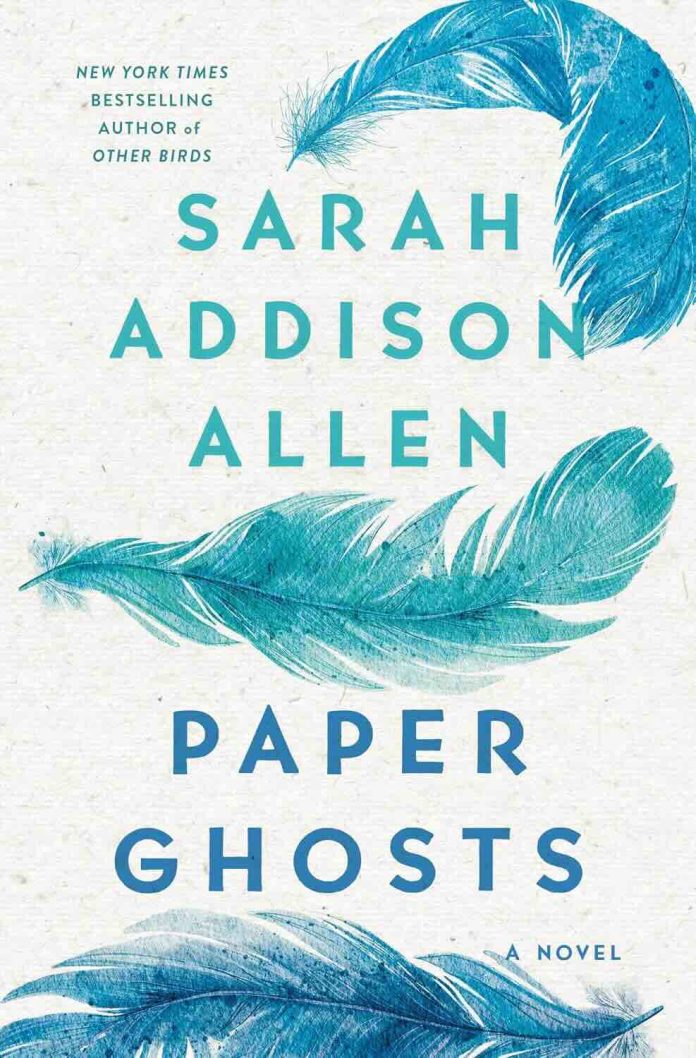
The three sections are called Rewind, Fast Forward and Play. That is not decoration. Paper Ghosts by Sarah Addison Allen is about a woman who pressed pause on her own life in the spring of 1976 and never released it, and the book’s architecture says so before a single character does.
This is Allen’s ninth novel, and the register will be familiar to anyone who came in through Garden Spells or Other Birds: a small Southern town with rules that are not quite physics, a family everybody talks about, and magic that is domestic rather than epic. There is even a quiet joke tucked in for long-time readers, when a minor character’s phone shows a picture of a dellawisp.
How Paper Ghosts by Sarah Addison Allen Is Built
Part one is 1976. Willamena Wester, eighteen, is the heir to everything in Hen Town, North Carolina, and permitted to leave none of it. Her grandmother Alice controls the money, the marriage she has already arranged, and, through an unnerving talent for knowing things she has no way of knowing, most of the town. Then a rhythm guitarist gets stranded there when his band drives off without him.
Part two jumps to the present. Willamena is now the grandmother, called Mim, and a five-year-old named Bailey arrives at the house with a widowed father and no idea what she is walking into. This section covers thirteen years.
Part three is the return. Bailey, twenty-six and long since exiled, comes home because Mim is dying and has asked to tell her a story.
The design is sound and the payoff lands: the last thirty pages of Paper Ghosts by Sarah Addison Allen reveal what the 1976 chapters withheld, and the reframing is genuinely good. What it costs is momentum, and the second part pays it.
What Sarah Addison Allen Does With the Ghost
Here is the novel’s best idea, and it is a strange one. The haunting is not frightening. It is a marriage.
The presence in the Wester house snaps its fingers, sulks in the basement when it loses an argument, throws blue clothes out of a wardrobe as a joke, and complains about being made to sit in the hallway while a conversation it wants to hear happens without it. It has opinions about Jim Croce. It has spent five decades in the corners of a house because the woman it loves is in that house, and she cannot leave, and neither can it.
That is a much sadder and more interesting thing than a rattling chain, and it is where Allen’s prose is at its most controlled. The scenes between the two of them read like any long marriage: shorthand, teasing, unspoken accommodation, a shared joke worn smooth. The horror is not in the ghost. The horror is that a woman arranged her entire life, including a marriage and a child, around the geography of a haunting.
What works
The pleasures of Paper Ghosts by Sarah Addison Allen are mostly in the texture and the supporting cast.
- Hen Town. An hour is one minute longer here. The hens lay only blue eggs. There are “dead zones”, streets where the grandmother’s information cannot reach, and the eventual explanation for them is the best single line in the novel.
- Tug. Willamena’s son. Closeted, widowed, cooking his way through a box of 1970s recipe cards as therapy, and quietly the most decent person on the page. His one long conversation with his mother is the emotional high point.
- Tasha. A girl who smells emotions, written with real restraint. Confusion is hot pavement after a storm. Disappointment is candy corn. What relief turns out to smell like is a small, perfect piece of writing.
- The umbrella in the floor vent. An object left in one place for fifty years, explained late, and worth the wait.
- Alice. The original Witch of Wester House is genuinely frightening, and the novel is clear-eyed that her power was never supernatural. It was knowing what people were hiding.
Where it gives ground
Four things keep Paper Ghosts by Sarah Addison Allen from its own top shelf.
- Part two sags. More than a decade of childhood passes at arm’s length, and the plot idles for a long stretch in the middle of the book.
- The love interest is a delivery mechanism. Theo arrives late, is immediately perfect, states the novel’s thesis aloud in dialogue, and is given almost no interior life of his own.
- The villain is built to be disposable. He is written without a single redeeming quality, which lets a very serious act land without moral weight. The book grants its own absolution rather than earning it.
- The epilogue tidies too much. Everyone is paired off, settled and forgiven inside four pages, which sits oddly on top of what has just been confessed.
Is it a romance, or a ghost story?
Both, and neither, in the way Allen’s books usually are. Readers arriving expecting a haunted house in the Henry James mode will find nothing here that goes bump. Readers arriving for romance will find one love story completed in the past tense and another sketched lightly in the present.
What it actually is, structurally, is a crime novel wearing magic realism. There is a body, there is a cover-up, there is a secret held for fifty years, and the reveal is constructed with a thriller writer’s care. The magic is never the mechanism; it is the atmosphere the mechanism runs in.
Content notes for Paper Ghosts by Sarah Addison Allen
An attempted rape, described from the victim’s point of view and not gratuitous but unflinching. A deliberate vehicular assault. Two deaths caused by named characters, one of them premeditated, involving drugging. Accidental death of a small child, referenced. A fatal car crash and a bereaved five-year-old. Suicidal ideation, referenced. A parent with an unmanaged mood disorder, and a child parentified by it. Sustained school bullying. Coercive control of a young woman by her guardian. Alcohol misuse. Readers for whom inherited trauma is a difficult subject should know it is the novel’s actual engine, not a background note.
Read it if / Skip it if
Read it if you have read Allen before and want her doing something structurally more ambitious; if you like a town with its own rules; if a ghost who bickers appeals more than one that terrifies.
Skip it if you need a brisk middle; if you want your magic to do something rather than simply be there; if a neat epilogue after a dark reveal will annoy you.
Read these next
Five for readers who finish Paper Ghosts by Sarah Addison Allen and want the same weather:
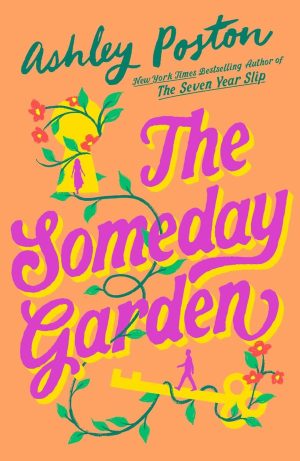
- The Someday Garden by Ashley Poston. Domestic magic, inherited houses, and grief handled with a light hand.
- A Million Junes by Emily Henry. A small town, two feuding families and a ghost story about what parents pass down.
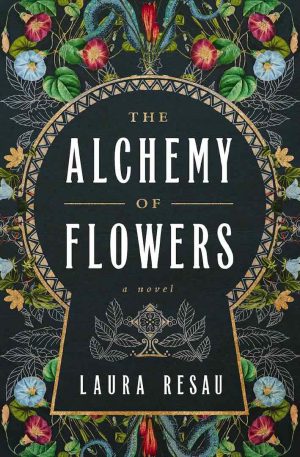
- The Alchemy of Flowers by Laura Resau. For the garden-magic register, done warmly.
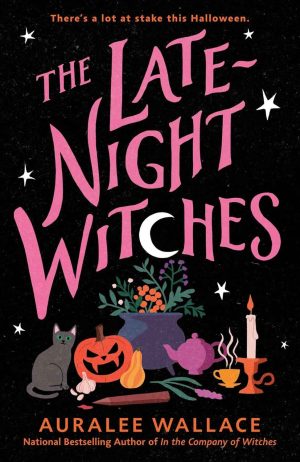
- The Late-Night Witches by Auralee Wallace. Women called witches by their neighbours, which is more or less the subject here.
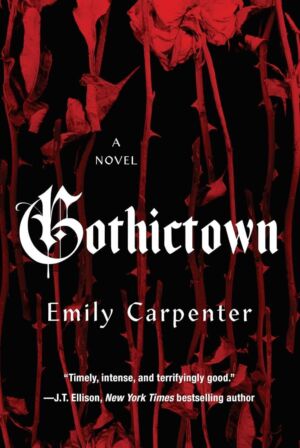
- Gothictown by Emily Carpenter. The darker version of a Southern town with rules, for readers who want the dread turned up.
Worth Your Shelf
Paper Ghosts by Sarah Addison Allen opens on a girl being told she is extraordinary by the woman who is making sure she never gets to prove it, and closes on a line that says the quiet part plainly: witches are sometimes only women who have been hurt and have decided not to be again. That is the whole book. Three generations of women in one house, each one determined not to become her grandmother, each one becoming a different version of the same problem. The middle drags and the ending is tidier than the material deserves. But the central image will stay: a woman in her seventies arguing affectionately with a man who died in 1976, in a house she cannot sell because of what is in the basement, having built an entire life around the last place he was alive. Allen has written warmer novels. She has not written a sadder one.