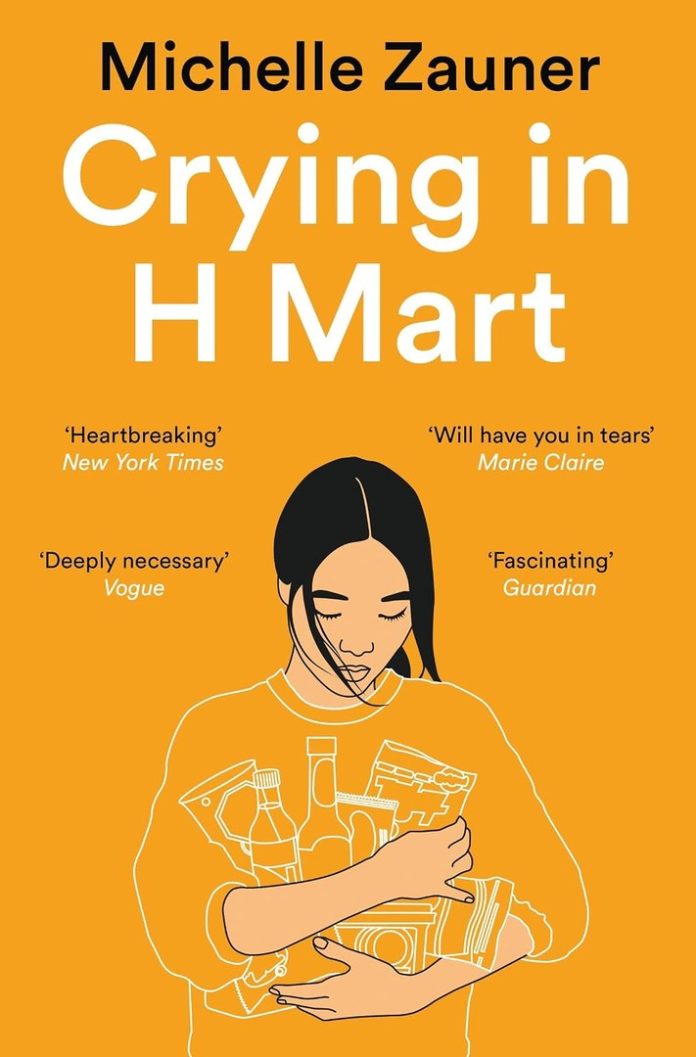





It is Thanksgiving in Bucks County, Pennsylvania, the second without her mother, and Michelle Zauner has spent the morning frying Japanese sweet potatoes in tempura batter. This was her mother’s dish. Every year she carried a heaped plate of it to Thanksgiving at Uncle Ron’s and came home with it empty, boasting about how the American cousins had fought over it. Zauner’s version comes out uneven, so she dresses it up in little parchment cones. Peter’s family fills their plates with stuffing and green bean casserole instead, and one uncle asks whether the tempura is cookies. That small, funny, crushing scene holds the whole argument of Crying in H Mart by Michelle Zauner: a daughter trying to keep a culture alive through food, at a table where nobody else knows what it means.
The Mother Who Loved in Usuals
The first thread is Chongmi, Zauner’s mother, and the book’s great achievement is refusing to sand her down. She is vain, sharp, funny and frequently harsh. She buys skin-care gadgets off QVC with the conviction of a true believer, pinches her baby daughter’s nose in case it grows too flat, and when the child falls out of a tree, she screams at her instead of comforting her. Her household proverb, repeated for years, was “Save your tears for when your mother dies.” It is a joke that becomes a prophecy, and Zauner lets it sit there without comment.
Then the book shows you how this woman actually loved, and it is through attention to appetite. She remembered everyone’s usuals. Her own were very specific: half a patty melt, unsweetened iced tea with half a packet of Splenda, minestrone ordered “steamy hot”. For guests, she noted which side dish you finished first and set out a double portion next time. When Zauner left for college on bad terms, her mother sent a pair of cowboy boots she had already broken in herself, walking around the house in two pairs of socks for a week so the leather would not hurt her daughter’s feet. Zauner sets that kind of detail against the rows and the slaps, and the contradiction never resolves into a lesson. Both things were true.
Food is also where approval lived. At a Seoul fish market a young Michelle eats a wriggling tentacle of live octopus, and her aunts’ delight sets her on a path. She could not be good, she decides, but she could be brave at the table. In Crying in H Mart by Michelle Zauner the kitchen is the one room where mother and daughter always spoke the same language.
What Crying in H Mart Does With Caregiving
The counter-thread arrives when that language fails. At twenty-five, playing in a struggling Philadelphia band, Zauner learns that her mother has stage IV cancer. A second opinion finds a rare carcinoma, probably from the bile duct. She moves home to Eugene, Oregon, determined to cook her mother back to health, and discovers she cannot. She blends tomato juice with honey every morning. She makes a steamed egg custard that her mother pushes away. She keeps a notebook of calories and crushes painkillers over ice cream.
Then her mother’s old friend Kye arrives from Georgia, and her cooking works where Michelle’s does not. Kye makes cold soy-milk noodles, a dish Michelle has never heard of, and it is the first meal her mother finishes since chemotherapy began. She will not teach Michelle the pine-nut porridge. This is the bravest part of Crying in H Mart by Michelle Zauner, because it admits something most caregiving memoirs leave out: jealousy of the person who is better at helping, and shame at feeling it in the middle of a crisis. The physical decline is written with the same honesty. Nothing is softened, and nothing is lingered over for effect.
Where Crying in H Mart Gives Ground
- Detours at the worst moments. A long flashback to an aunt’s earlier death and the whole story of how Zauner met Peter, karaoke and all, arrive just as the illness is most urgent. Both are good on their own. Placed where they are, they let the tension drain away.
- The hospital chapters repeat. A stay in Eugene and another in Seoul follow the same pattern of fever, fights over nursing care and a brief rally. That is how it happened, but the second time reads as a rerun.
- The late chapters turn into itineraries. A honeymoon in Korea and a run of tour meals across Asia read more like travel notes than the rest of Crying in H Mart by Michelle Zauner.
- The music career gets a montage. The album that grew out of her grief, and the success that followed it, take up a few hurried pages.
Read These Next
If Crying in H Mart by Michelle Zauner left you wanting more books about mothers, food and the languages families lose, start here:
- On Earth We’re Briefly Gorgeous by Ocean Vuong, a letter from a son to a mother who cannot read it, with the same tenderness and bruises.
- Taipei Story by R.F. Kuang for grief, family silences and a language the heroine was supposed to know.
- All the Way to the River by Elizabeth Gilbert, another memoir of loving someone through terminal cancer, and of what that cost.
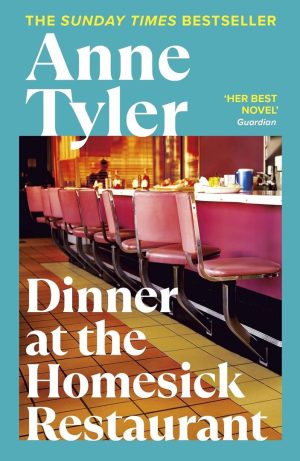
- Dinner at the Homesick Restaurant by Anne Tyler for a family that keeps trying to say things with meals.
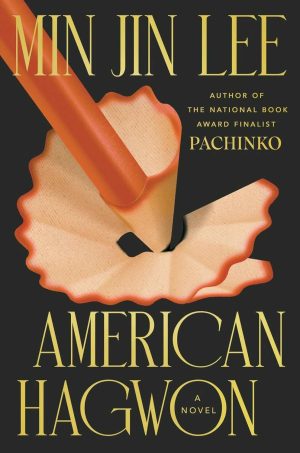
- American Hagwon by Min Jin Lee for a Korean family whose ambitions stretch across continents.
About Michelle Zauner
Michelle Zauner was born in Seoul in 1989 and grew up outside Eugene, Oregon, the only child of a Korean mother and an American father. After Bryn Mawr she spent years in the Philadelphia indie scene, fronting the emo band Little Big League, before recording as Japanese Breakfast. Crying in H Mart by Michelle Zauner is her first book, and so far the only one we have reviewed.
- The opening chapter began life as a New Yorker essay of the same name, published in August 2018.
- Knopf won the book at auction and published it on 20 April 2021. It debuted at number two on the New York Times nonfiction list.
- It won the 2021 Goodreads Choice Award for Memoir and Autobiography, then an American Book Award in 2022.
- That same year, her band’s album Jubilee was nominated for the Grammy for Best Alternative Music Album.
The Last Word
This is not a flawless memoir. A few chapters wander at exactly the wrong moments, and the ending rushes through the years that made Zauner famous. But Crying in H Mart by Michelle Zauner does what very few grief books manage. It shows a difficult mother whole, admits the ugly feelings that come with caring for her, and finds the loss in the smallest places: a side dish, a pair of boots, a plate of fried sweet potatoes nobody touched.
Make the dish anyway. Someone at the table will remember why.