

A week before Thanksgiving, on a wet November evening in rural Alabama, a small boy sits by a dying stove fire while his elderly cousin talks about turkeys. He is not listening. He is thinking about Odd Henderson, the twelve-year-old who failed first grade twice, is now repeating the second, and spends every morning waiting under a water oak with a paper sack of cockleburs to grind into Buddy’s scalp. Then Miss Sook raps the table and makes her request: invite that boy to Thanksgiving dinner. The Thanksgiving Visitor by Truman Capote grows from that single, maddening act of goodwill, and the whole story is already present in the scene: a child who wants protection, a friend who offers him a harder kind of help, and a holiday table where the two will be tested in front of thirty relatives.
The Boy and His Oldest Friend
The first thread is the friendship, and anyone who knows A Christmas Memory will recognise the pair. Buddy has been parked with distant cousins after a family custody fight. The youngest of them, a shy woman in her sixties who has never left the county, is his only real companion. They rise at four to cook for Uncle B. and the farmhands, hunt ferns and mushrooms, play Rook, and share a long-running fantasy about selling her one treasure and escaping on the bus to New Orleans.
Capote writes Sook with a rare kind of respect. The town murmurs that she is simple, and the story lets you see why, then shows you a moral intelligence sharper than anyone else in the house. She refuses to believe a child can be wholly evil, which is exactly why Buddy has stopped telling her about the bullying. Her answer to his nightmares is patience, and her answer to his hatred is that nobody is given enough time on earth to waste it that way.
The comedy of their partnership is quick and warm. When Uncle B. insists that Buddy should slaughter and dress the five turkeys himself, she agrees at once that he will not, hires a neighbourhood boy for a nickel, and plots to let her brother believe Buddy did it. It is a tiny conspiracy, and it tells you everything about how these two survive the adults around them. The Thanksgiving Visitor by Truman Capote is at its loveliest in these kitchen scenes.
The Visitor Who Stays a Stranger
The counter-thread is Odd, and here The Thanksgiving Visitor by Truman Capote does something braver than a reconciliation story would. Odd never becomes Buddy’s friend, and the story does not pretend he might. What changes is Buddy’s understanding of who did wrong.
The torment is drawn without softening. Odd pins the boy and rubs burrs into his hair until he misses the bell, a teacher blisters Buddy’s palms with a brass-edged ruler for being late, and when Buddy finally asks why, Odd tells him he is a sissy who needs straightening out. The narrator, writing as a grown man, admits the label fit, and the quiet honesty of that admission is one of the reasons the story has lasted. Modern readers will recognise every beat of school bullying here, including the circle of children laughing because they are afraid not to.
Then the bully turns up, comb lines still damp in his hair, and sings “Red, Red Robin” well enough to silence the parlour. Hiding in the stained-glass closet he calls the Island, Buddy sees something during the party that hands him the perfect weapon, and he decides to use it at the table. Saying more would spoil the best ten minutes in The Thanksgiving Visitor by Truman Capote. What follows sends a humiliated boy into the smokehouse, sulking among the hams and flirting with fantasies of running off to Hollywood or punishing everyone by dying.
Sook’s verdict afterwards is the moral spine of the story, and it is the line that most readers carry away. She tells him there is only one unpardonable sin, and it is not the one he thinks. Capote earns it, because she says it with her arm around a dirty, grieving child and a wishbone between them, not from a pulpit.
Where The Thanksgiving Visitor Gives Ground
- The language belongs to 1967 looking back at 1932. Black characters are described with the period terms of the narrator’s childhood and never get a scene of their own, which grates more on a reread than on a first.
- Odd is seen entirely from outside. For a story named after him, The Thanksgiving Visitor by Truman Capote gives its guest very little interior life. We learn second hand that he is gentle with his siblings and has a fine voice, but he speaks only a few lines, and his motives at the party are left as a shrug.
- The adult narrator sometimes leans in. Asides about comic-strip light bulbs and long lists of breakfast dishes are charming, and they also slow a story that is only a few dozen pages long.
- The coda is sentimental. The closing exchange with Sook about remembering her is lovely, but it trades on what readers of the earlier story already know about her fate.
Read These Next
If The Thanksgiving Visitor by Truman Capote leaves you wanting more holiday stories with a child at the centre, try these:
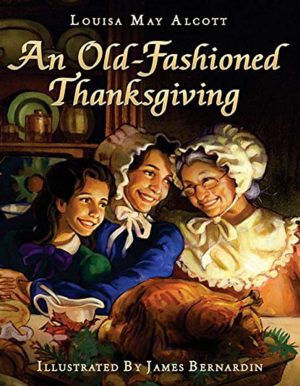
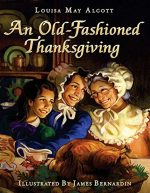
- An Old-Fashioned Thanksgiving by Louisa May Alcott for another short holiday tale built around children, a farmhouse kitchen and a lesson in kindness.
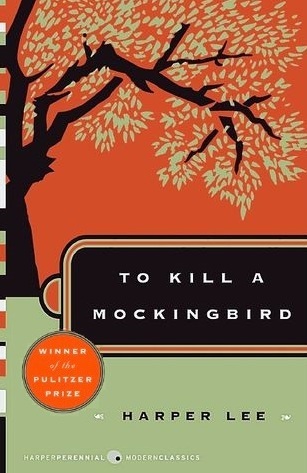
- To Kill a Mockingbird by Harper Lee for small-town Alabama in the early 1930s, seen through the eyes of a child learning what grown-ups get wrong.
- Dinner at the Homesick Restaurant by Anne Tyler for a family novel in which holiday dinners rarely survive to dessert.
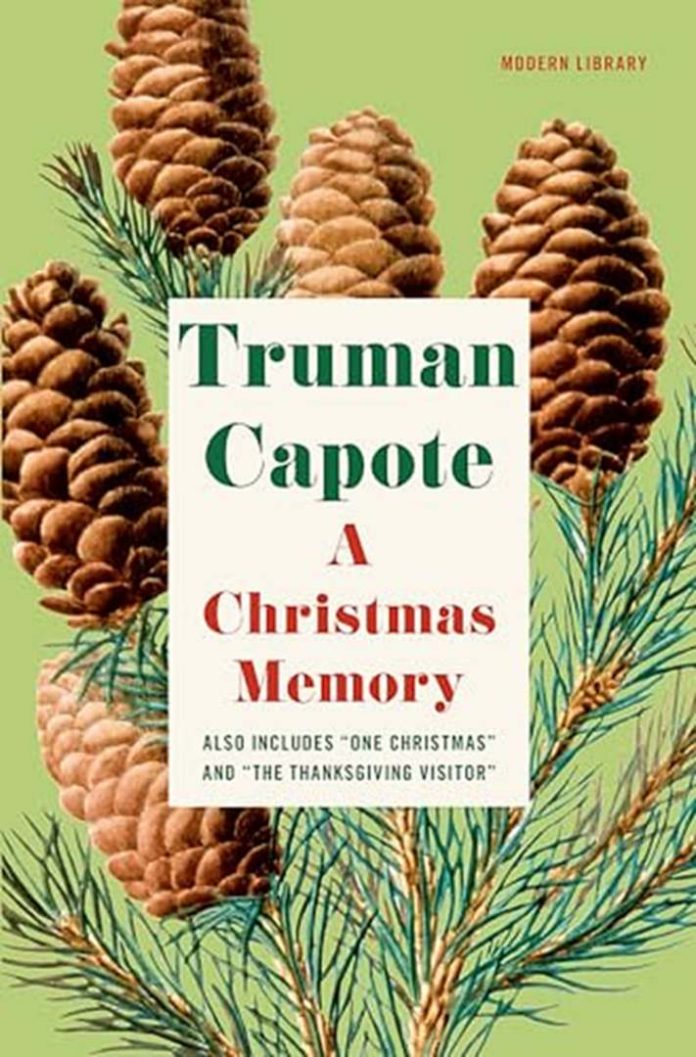
- A Christmas Memory by Truman Capote, the earlier and better-known story about the same pair, best read first if you can find a combined edition.
Truman Capote and the Story Behind the Visit
Capote made his name in New York, but he kept coming back in his fiction to the Alabama childhood that shaped him. This story appeared a year after his nonfiction landmark, In Cold Blood by Truman Capote, but it could hardly sound more different. The Thanksgiving Visitor by Truman Capote is the middle of three stories about Buddy and Sook.
- Born Truman Streckfus Persons in New Orleans in 1924; died in 1984.
- Sook is drawn from a real cousin, Nanny Rumbley Faulk, the elderly relative he lived with as a boy.
- The trilogy in order: A Christmas Memory (1956), this story (1967), One Christmas (1983).
- It first ran in the November 1967 issue of McCall’s before Random House issued it as a slim stand-alone volume.
- The 1967 television film won Geraldine Page, playing Sook, her second Emmy.
The Verdict
A few pages of period language and a narrator who cannot resist an aside keep this from perfection. Everything else works. The Thanksgiving Visitor by Truman Capote is a short, funny, painful story about a holiday dinner, a planned revenge and an old woman who sees more clearly than anyone at the table. It asks the question every family gathering eventually asks: who is the guest we treat worst, and why.
Set a place for the person you least want to see. You may learn something about yourself.