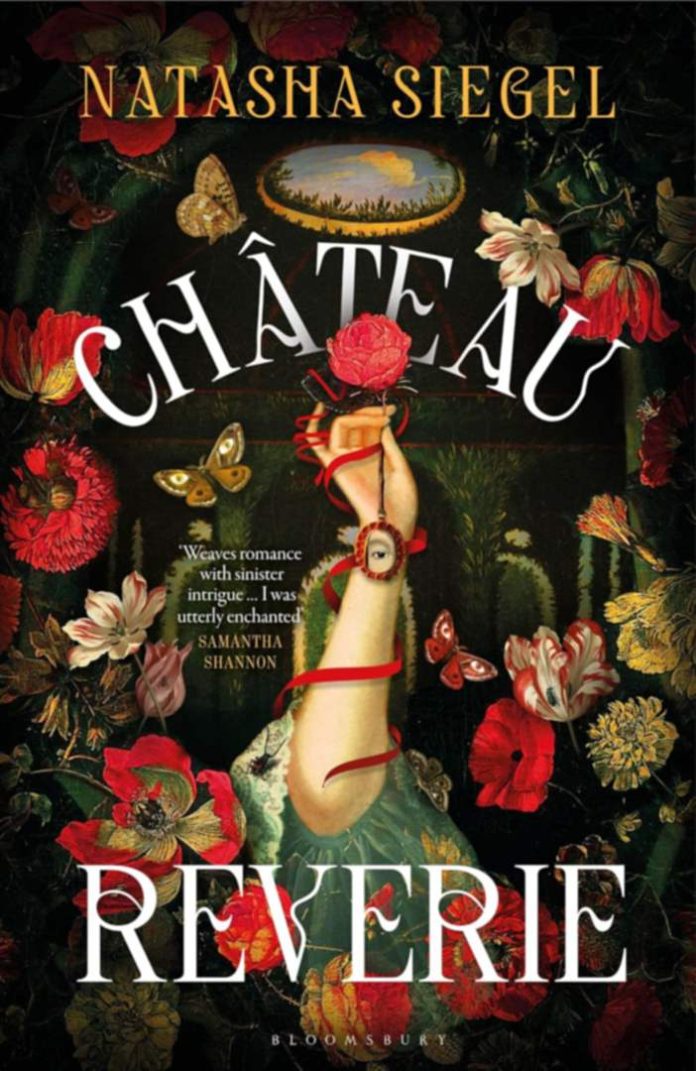






Leander Sterne wakes up in a shallow grave with his mouth full of worms, and his first thought is to compliment his mother on her creativity. He climbs out near the bathing pond, brushes off the soil and walks past a lynx in a chestnut tree that the house forgot to give eyes. Nobody in Chateau Reverie by Natasha Siegel is surprised by any of this, least of all Leander, and that flat acceptance of the monstrous is the first thing to understand about the book. The house is alive, it is cruel, and it has a sense of humour.
Over three days in the spring of 1795, six guests gather at a peach-stone château high in the Basses-Alpes for the Auction of Secrets. Each received an invitation, wrote a heart’s desire on the back and burned it. Each now bids with a confession rather than gold, and whoever does not win pays a penalty. Siegel lays down three rules on the first afternoon (obey the Company, harm nothing, never lie) and adds a fourth by implication: eat the food and the house starts eating your memories.
A Heroine Who Survives on Manners
The first thread is Genevieve de Vienne, a comte’s daughter who fled Versailles in 1790 and has spent five years in Devon caring for her blind grandfather. Something happened on the road to Le Havre that she will not ride a carriage near, and the wish she writes on her invitation is about forgetting it. Siegel builds her out of etiquette. Genevieve swallows every insult, curtseys to the eerie triplet maids and treats courtesy as armour, because the chaos of the Revolution taught her that order, even absurd order, is what keeps a person upright.
That makes her an unusual romantic lead and a very good grief study. The flashbacks arrive mid-sentence, the past overlays the present without warning, and Genevieve’s terror of being seen to fall apart feels lived rather than borrowed. The secret at the centre of her chapters is seeded with real care in small physical details, so attentive readers will sense its outline early. That is a strength here, not a leak: the suspense in Chateau Reverie by Natasha Siegel is less about what she is hiding than about whether she will ever say it out loud.
The invention around her in Chateau Reverie by Natasha Siegel is lavish. The drive is paved with crushed porcelain, a gold tree with a clock in its trunk grows through the foyer floor, and a marble lion in the fountain purrs under the right hand. Each image starts beautiful and turns. A watchmaker who cannot resist the clock learns that the hard way, and Siegel’s habit of letting a lovely object curdle into body horror gives the book its Gothic edge.
The Man the House Raised
The counter-thread in Chateau Reverie by Natasha Siegel is Leander, and the reader knows from his first chapter what Genevieve does not: he belongs to the house. He calls the unseen hostess Mother, he cannot lie, he forgets more than he remembers, and the single word he wrote on his invitation was a plea for freedom. To win, he must steal someone’s secret, and the house keeps steering him towards the guest who has the most to lose.
His chapters are where the novel’s darker material lives. He has tried to die many times and been put back together, and Siegel handles that with a deadpan restraint that is more upsetting than melodrama would be. His sparring with Genevieve has real snap: she is all deference and wit, he is all bluntness and swearing in English, and the first afternoon in the maze crackles.
The romance itself is where the book will divide readers. The characters admit they have known each other for days, and Chateau Reverie by Natasha Siegel asks those days to carry declarations and sacrifices of enormous size. The myth of Hero and Leander is the frame Siegel chooses on purpose, the lover who swims toward a lantern and drowns, and it lends the speed a fatal logic. It does not quite make the speed feel earned.
Where Chateau Reverie Gives Ground
- The romance outruns its foundations. Three days of banter, a first kiss on the opening night and a final act built on mutual self-sacrifice is a lot of weight for so little shared history.
- The rules bend when the plot needs them. Late on, a single principle about the power of belief lets the heroine walk through obstacles at will, and a string of gifted objects turns the climax into a sequence of trials solved with the right item.
- The other guests are thin. In Chateau Reverie by Natasha Siegel, Missah the scholar and Ortiz the watchmaker get one strong scene each and then exist mainly to show what the penalties look like.
- The imagery piles up. Drowning, cages, lanterns and clockwork recur on nearly every page, and in the last third the metaphors start crowding out the feeling they were meant to carry.
Read These Next
- As Many Souls as Stars by Natasha Siegel, her previous novel, for the same ornate Gothic register and a love that crosses lifetimes.
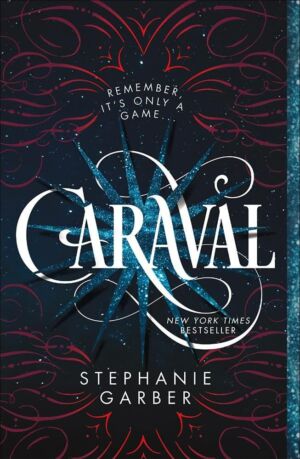
- Caraval by Stephanie Garber for a game staged by a mysterious host where nothing on the grounds can be trusted.
- The Night Circus by Erin Morgenstern for an enchanted venue, a contest and lovers bound by it.
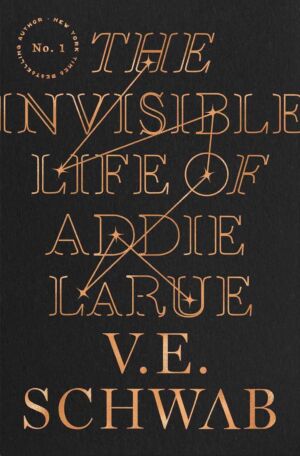
- The Invisible Life of Addie LaRue by Victoria Schwab, another Frenchwoman’s bargain where memory is the price.
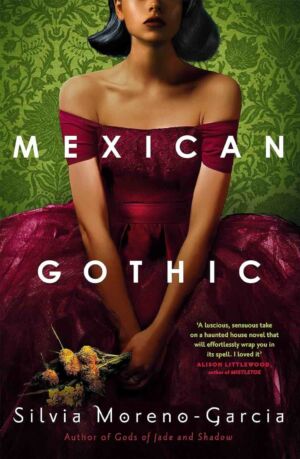
- Mexican Gothic by Silvia Moreno-Garcia for a guest trapped in a house that feeds on the people inside it.
About Natasha Siegel
Natasha Siegel grew up in London in a Danish-Jewish family and writes historical fiction, fantasy and romance, usually all three at once. Chateau Reverie by Natasha Siegel is out now, published on 22 October 2026 by Bloomsbury Archer in the UK and on 27 October by William Morrow in the US. It is a standalone.
- Her debut, Solomon’s Crown (2023), was a New York Times Book Review Editors’ Choice.
- The Phoenix Bride (2024) moved her to seventeenth-century London.
- As Many Souls as Stars (2025) was her first full step into the supernatural.
- Her poetry has been recognised by Foyle’s and the University of Oxford.
Worth Your Shelf
The château wants its guests to forget, and almost everything beautiful in it is a trap for that purpose. Siegel’s best achievement is making a heroine’s refusal to forget feel like the bravest thing in the book. The romance runs ahead of itself and the last act leans on convenient magic, but the grief at its centre is real, the set pieces are unlike anything else in this year’s fantasy, and Chateau Reverie by Natasha Siegel ends on a choice that earns its quiet.
Go for the house. Stay for the woman who will not let it take her memories.
Content notes tap to reveal
Where to read Chateau Reverie
Amazon lists the current Kindle, print and audiobook editions, and shows whether the ebook is in Kindle Unlimited right now.
To borrow it free, try your library: Libby and OverDrive lend ebooks and audiobooks with a library card, and WorldCat finds print copies near you.
We don’t link to “free PDF” sites. Those copies are pirated and pay the author nothing.