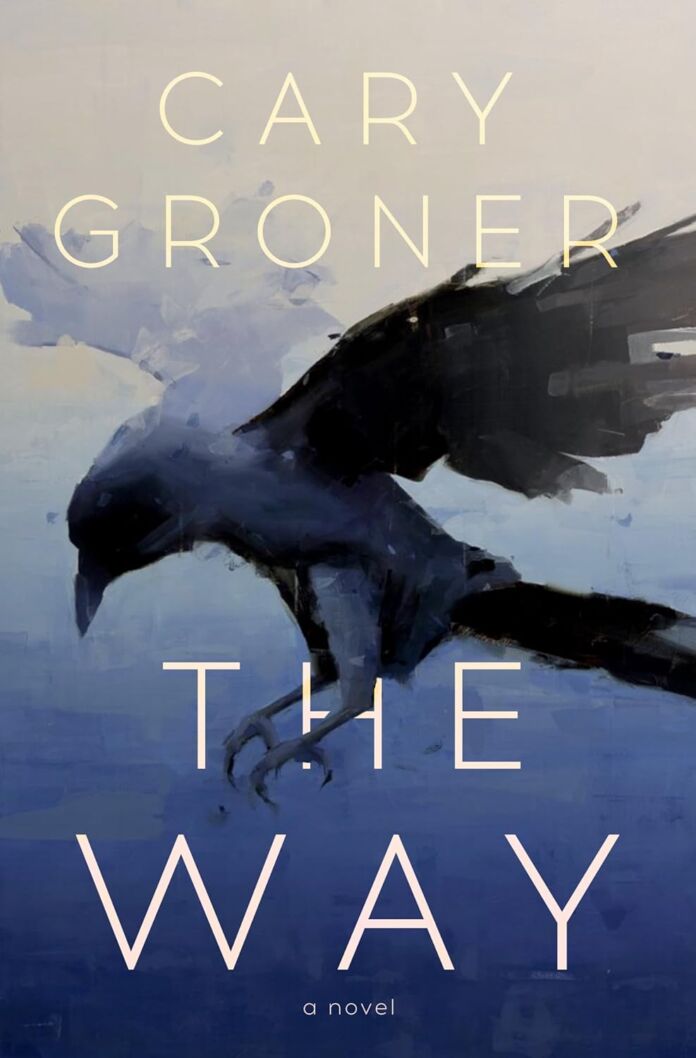
In Cary Groner’s latest novel “The Way,” we journey through a transformed American landscape where civilization has crumbled, leaving behind a world both familiar and startlingly alien. The story follows Will Collins, a 52-year-old caretaker of a Buddhist monastery in Colorado, as he embarks on a perilous cross-country journey to deliver a potential cure for a mysterious ailment known as Disease X to California.
A Changed World
Groner paints a vivid picture of an America fourteen years after “Mayhem”—a cascade of catastrophes including a devastating bird flu pandemic, limited nuclear exchanges, and the collapse of civilization. In this new reality, most humans over forty have perished, leaving behind a world where teenagers run towns, armed militias control territories, and escaped zoo animals roam freely. The author’s background as a science journalist shines through in his detailed and scientifically plausible worldbuilding.
Characters That Breathe Life Into the Wasteland
What sets “The Way” by Cary Groner apart from typical post-apocalyptic fiction is its rich character development and the unusual companions who join Will on his journey:
- Peau, an intelligent raven whose species has developed a sophisticated form of communication with humans
- Cassie, a Maine Coon cat with strong opinions and survival instincts
- Sophie, a remarkably resilient fourteen-year-old girl who brings both tactical skills and emotional depth to the story
The relationship dynamics between these characters form the emotional core of the novel. Their interactions are both humorous and touching, providing light moments in an otherwise grim setting.
Writing Style and Narrative Structure
Groner’s prose is contemplative yet precise, reflecting both his journalistic background and Buddhist influences. The narrative alternates between present-day action and Will’s memories, particularly those of his lost love Eva, creating a layered storytelling approach that adds depth to the protagonist’s motivations.
Philosophical Underpinnings
One of the novel’s greatest strengths is its exploration of Buddhist concepts without becoming preachy. Themes of impermanence, interconnectedness, and the nature of consciousness are woven naturally into the narrative. The author manages to make complex philosophical ideas accessible through practical situations and character interactions.
Environmental and Social Commentary
The novel offers thoughtful commentary on humanity’s relationship with nature. The description of passenger pigeons returning to American skies and bison herds reclaiming their ancient territories serves as both a warning and a hope for ecological restoration. The social structures that emerge in this new world—from the teen-run town of Princely to the California coastal communities—provide interesting perspectives on human adaptation and resilience.
Critique
While the novel excels in many areas, there are some aspects that could have been stronger:
- The pacing occasionally slows during philosophical discussions, which might challenge readers more interested in action
- Some plot developments, particularly regarding the antagonist Buck Flynn, feel slightly contrived
- The scientific explanation for Disease X could have been more thoroughly developed
Technical Excellence
The author demonstrates remarkable skill in several areas:
- Detailed world-building that feels both realistic and surprising
- Complex character development that avoids post-apocalyptic stereotypes
- Integration of scientific concepts with spiritual themes
- Natural dialogue that brings characters to life
- Vivid descriptions of transformed landscapes
Cultural Impact and Relevance
Published in 2024, “The Way” by Cary Groner resonates strongly with contemporary concerns about pandemics, climate change, and societal resilience. The novel’s exploration of how humanity might rebuild after catastrophic events feels particularly relevant in our current global context.
Comparable Works
While “The Way” shares elements with other post-apocalyptic novels like Emily St. John Mandel’s “Station Eleven” and David Mitchell’s “Cloud Atlas,” it carves out its own unique space by combining Buddhist philosophy with scientific rigor. The talking animals might remind readers of Richard Adams’s “Watership Down,” but Groner’s approach is more grounded in scientific possibility.
Final Verdict
“The Way” is a remarkable achievement that transcends typical genre boundaries. It offers:
- Thoughtful exploration of philosophical themes
- Engaging character relationships
- Scientifically plausible worldbuilding
- Environmental and social commentary
- Emotional depth and humor
While not perfect, the novel’s strengths far outweigh its minor flaws. It is worth reading for its ambitious scope, careful execution, and ability to balance action with meaningful reflection.
Recommendation
“The Way” by Cary Groner will appeal to readers who enjoy:
- Post-apocalyptic fiction with depth
- Character-driven narratives
- Environmental themes
- Philosophical exploration
- Scientific speculation
It’s particularly recommended for fans of thoughtful science fiction who appreciate both action and introspection. The novel rewards careful reading and offers layers of meaning that invite multiple interpretations.
This is Groner’s second novel, following his well-received debut “Exiles” (2011). While both books share his characteristic attention to detail and philosophical undertones, “The Way” shows significant growth in his storytelling abilities and ambition.
Hawkins returned after a decade with Blacktail, a talking-animal novel written closer to scripture than to fable.







