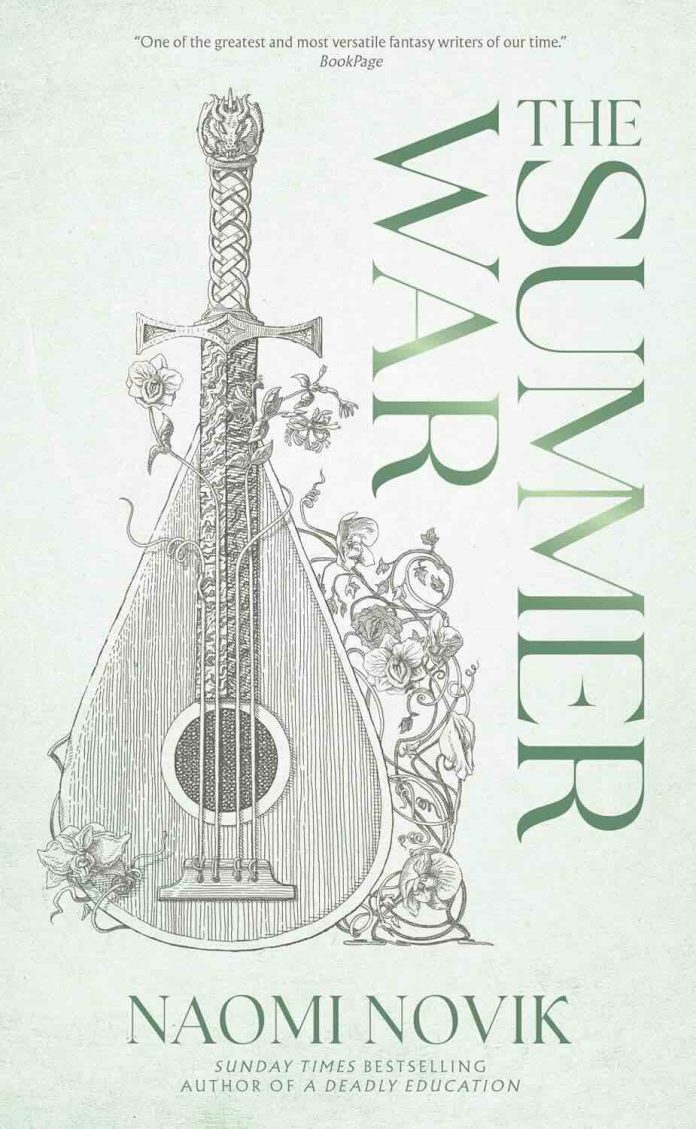
Naomi Novik returns to the fantasy realm with The Summer War, a standalone novella that showcases her exceptional ability to weave intimate family drama with sweeping mythological conflicts. Known for her beloved Temeraire series and more recent successes like Uprooted, Spinning Silver, and the Scholomance trilogy, Novik demonstrates once again why she stands among fantasy literature’s most compelling voices. This latest offering presents a deceptively simple story that unfolds into something far more complex and emotionally resonant.
A Story Born from Rage and Regret
At its heart, The Summer War explores the devastating consequences of words spoken in anger. Twelve-year-old Celia’s discovery of her magical heritage coincides with one of the most painful moments of her young life—watching her beloved brother Argent abandon their family home. In a moment of raw fury and heartbreak, she utters a curse that will haunt both siblings for years to come. Novik captures the authenticity of sibling relationships with remarkable precision, painting Celia’s rage as both childish and utterly understandable.
The curse itself becomes a character in the story, twisting Argent’s path away from the love he desperately seeks and toward a hollow pursuit of glory and fame. Novik’s treatment of this magical affliction goes beyond simple fantasy mechanics; it becomes a meditation on how our words can wound those we care about most deeply, sometimes irreparably. The author’s exploration of regret and the desperate desire to undo past mistakes resonates with universal human experiences, elevating the fantastical elements into something profoundly relatable.
Rich World-Building and Political Intrigue
Novik constructs a world where the mortal realm of Prosper exists in uneasy tension with the immortal Summer Lands. The centuries-old conflict between these realms provides a backdrop that feels both epic and intimate. The author’s approach to world-building here differs notably from her previous works—rather than the detailed historical reimagining of the Temeraire series or the fairy-tale atmosphere of Uprooted, The Summer War presents a more politically grounded fantasy that examines the true costs of prolonged conflict.
The summerlings themselves are portrayed with nuanced complexity. Neither wholly villainous nor entirely sympathetic, they embody the dangers of living in unchanging stories, trapped by their own immortal nature in cycles of vengeance and pride. Prince Elithyon, in particular, emerges as a tragic figure whose grief for his sister Princess Eislaing has calcified into an endless hunger for retribution. Novik’s handling of these immortal beings reflects her growing sophistication as a fantasy author, avoiding the simple good-versus-evil dynamics that plague lesser works in the genre.
Character Development and Family Dynamics
The true strength of The Summer War lies in its character work, particularly in how Novik develops the relationship between Celia and her middle brother Roric. Initially dismissed as unimportant by both his family and himself, Roric’s growth throughout the story provides some of the novella’s most satisfying moments. The author skillfully transforms what could have been a simple redemption arc into something more complex—a mutual recognition between siblings who learn to see and value each other.
Celia’s evolution from an angry, powerless child to a young woman grappling with immense magical and political responsibility feels authentic despite the fantastical circumstances. Novik avoids the trap of making her protagonist too mature too quickly; instead, she shows how trauma and responsibility can accelerate growth while still leaving room for mistakes and learning. The dynamic between the three siblings—Argent the golden heir, Roric the overlooked middle child, and Celia the unexpected sorceress—creates a family portrait that feels lived-in and real.
Thematic Depth and Literary Merit
Beyond its surface narrative of curses and magical kingdoms, The Summer War grapples with weighty themes that give the story lasting impact. The novella examines how cycles of violence perpetuate themselves across generations, how political machinations often sacrifice the innocent, and how genuine peace requires more than mere treaties—it demands understanding and empathy between former enemies.
Novik’s treatment of love in its various forms—romantic, familial, and platonic—adds emotional weight to the fantasy elements. The curse that prevents Argent from experiencing love becomes a vehicle for exploring what it means to be truly seen and valued by another person. The author’s nuanced approach to these themes elevates what could have been a simple adventure story into something approaching literary fiction in its emotional sophistication.
The political maneuvering between kingdoms and the manipulation of the young sorceress for political gain provide sharp commentary on how power structures often exploit the vulnerable. Novik doesn’t shy away from showing how both mortal and immortal leaders prioritize their own interests over the welfare of their people, creating conflicts that span generations and claim countless innocent lives.
Narrative Structure and Pacing
The novella format serves Novik’s storytelling well here, allowing for a tightly focused narrative that doesn’t overstay its welcome. The pacing moves efficiently between moments of quiet character development and scenes of dramatic tension. The author’s decision to structure the story around Celia’s growing understanding of both her magical abilities and the larger political situation creates natural momentum that carries readers through to the satisfying conclusion.
Novik’s prose style has evolved considerably since her early Temeraire novels, displaying increased confidence and lyrical beauty. Her descriptions of the Summer Lands feel appropriately otherworldly without becoming overwrought, while her depiction of mortal political maneuvering maintains the gritty realism that grounds the fantasy elements. The dialogue throughout feels natural and period-appropriate, avoiding the stilted formality that sometimes plagues fantasy literature.
Minor Criticisms and Areas for Improvement
While The Summer War succeeds admirably in most respects, it occasionally suffers from the compressed nature of the novella format. Some of the political machinations, particularly those involving the mortal kingdoms, feel slightly rushed in their resolution. Readers might wish for more exploration of the Summer Lands themselves, as Novik’s glimpses into this immortal realm tantalize without fully satisfying.
The romantic elements, while generally well-handled, sometimes feel secondary to the family drama at the story’s center. This isn’t necessarily a flaw, as the sibling relationships provide the emotional core of the narrative, but readers expecting a romance-forward plot might find themselves wanting more development in that area.
Recommendations for Similar Reads
Readers who appreciate The Summer War would likely enjoy several other works that explore similar themes:
- The Ten Thousand Doors of January by Alix E. Harrow – for its blend of family drama and portal fantasy
- The Priory of the Orange Tree by Samantha Shannon – for its complex political fantasy with strong female characters
- The Goblin Emperor by Katherine Addison – for its focus on political intrigue and family relationships
- The Bear and the Nightingale by Katherine Arden – for its atmospheric blend of folklore and family dynamics
- The City & The City by China Miéville – for its exploration of two worlds existing in tension
Final Verdict
The Summer War represents Naomi Novik at her most emotionally mature and thematically ambitious. While it may lack the sweeping scope of her Temeraire series or the fairy-tale enchantment of Spinning Silver, it succeeds brilliantly as an intimate exploration of family, forgiveness, and the true cost of peace. The novella’s examination of how individual actions ripple outward to affect entire kingdoms provides both personal stakes and epic scope within a tightly controlled narrative.
This work confirms Novik’s position as one of fantasy literature’s most versatile and accomplished voices. Her ability to ground fantastical elements in deeply human emotions and relationships makes The Summer War a compelling read for both longtime fans and newcomers to her work. The story’s exploration of sibling dynamics, political manipulation, and the weight of responsibility creates a narrative that lingers long after the final page.
For readers seeking fantasy that prioritizes character development and thematic depth over action sequences and world-building spectacle, The Summer War delivers exactly what it promises—a haunting, beautiful story about the bonds that tie families together and the lengths we’ll go to protect those we love.