 1
1Whenever the bell over the door of Shaws’ Antiques and Curiosities rings, twenty-year-old Eda Shaw plays a private game: has this customer come to spend money, or time? Tonight’s visitor is a jittery nobleman shaking rain off his cloak, and he knows the password her brothers hand out only to the truly desperate. Eda turns the sign to closed, leads him down an iron staircase to a bare cellar, and lays her palm on a slab of warm black obsidian. A pale, smiling figure with snow-white hair steps out of it. The nobleman signs in his own blood, and twenty years of his life change hands before her brothers get home. Reap & Sow by Charlotte B. Plumb opens on a sale, and it never forgets that it is a book about what things cost.
How the Shaws’ Debt Works
The city is Blackbridge, the oldest and dirtiest in the kingdom of Wesland: canals, overstreet bridges, half-timbered tenements leaning on each other like drunks. The Faithhood rules its souls, the Order of the Blade enforces its laws, and silver, alchemically blessed, burns anything from the Otherworld. Demons cross over through Gateways, obsidian mirrors carved by pagan ancestors and almost all destroyed since.
The twist in Reap & Sow by Charlotte B. Plumb on the old deal with the Devil is that demons have no use for souls. They want years. A Pact signed in blood transfers a slice of a human lifespan in exchange for a wish, and if the demon fails to deliver, the years come out of his own life instead. Wishes are granted to the letter. One early client asks for gold and gets it piled so high in his lodging house that the Blades arrive to seize it; another asks for her husband to look at no one else, and he wakes up blind.
The Shaws inherited their debt. When their mother died giving birth to Eda, their father bargained with the demon the children call Mr. Night to bring her back, at a price of a thousand years. No single life holds that many, so Oswin Shaw agreed to bring strangers to the mirror instead: fifty years delivered by every autumn harvest, with his children as guarantors. He died of the pox when Eda was seven. Twenty years on, the siblings are ten years short, the harvest is three weeks away, and missing the quota means death.
Then a young, zealous bishop rides in from the capital promising to root out every Gateway in the city, and Eda decides to find the last client herself.
What Charlotte B. Plumb Is Really Building
Underneath the gothic furniture, this is a contract novel. Almost every relationship in it is a negotiated deal with terms: the family’s inherited Pact, the debt Eda runs up with a crime lord who lives in the sewers, the arrangement she later strikes with a commander of the Blades, the political patronage one character has been quietly collecting for twenty years. Clauses are read out on the page. Characters argue over exactly how much harm a protection clause forbids. A lie by omission is treated as a technical breach. When Eda finally signs a Pact of her own, with a second demon, it is a desperate purchase made in a burning hurry by a woman who has spent her whole life watching other people make exactly that mistake.
The best thing Reap & Sow by Charlotte B. Plumb does is make the romance part of the same ledger. The love story begins as a transaction, and the novel’s central question is whether two parties to a bargain can ever stop counting.
What works
- The economy of years. Making time the currency gives every scene a meter running in the background. Demons hoard human years because their own lives are short without them, and Plumb lets that greed explain both her villains and her love interest.
- A heroine who is part of the problem. Eda is nosy, reckless and quick to blame herself, and she has spent years luring the poor and the grieving to a demon’s mirror. Her solo attempt to recruit a client, which ends with an undercover Blade in the shop after dark, is entirely her fault, and the book makes her live with it.
- Kit. The second demon is a foul-mouthed dandy who sulks about his trousers and rips out throats without blinking. His banter with Eda carries long stretches, and the novel never softens his violence to make him easier to love.
- The set pieces. A brawl in a wrecked luxury apartment, a crowded ceremony in the Great Templehouse that is not what it seems, and a break-in at Fell Keep that turns on a forgotten passage in two-hundred-year-old plans. Commander Martine Tenelle, honourable and very hard to fool, is the best of the supporting cast.
Where Charlotte B. Plumb Gives Ground
- The bishop is cardboard. He sneers, slaps, makes speeches and calls women names, and his motive arrives late in a single explanatory burst. A villain this central to Reap & Sow by Charlotte B. Plumb needed an inner life.
- The middle loops. A creature attacks a crowd, the bishop drives it off in public, Eda retreats to the countryside to regroup. The same beat plays three times before the plot moves on.
- The crime lord never pays off. Severin Lich is built up through a third of the book as the most dangerous man in Blackbridge, and the menace evaporates.
- The brothers spend half the novel offstage. Ben and Lawrie are the reason for everything Eda does, but one of them is locked away and then laid up for most of the story, and the other gets little to do until the end.
Is Reap & Sow by Charlotte B. Plumb a Standalone?
No. Reap & Sow by Charlotte B. Plumb is the first book in its series and the debut of a UK-based author, published by Berkley XO. The main arc resolves, but the closing pages leave the door to a second book wide open. No sequel title had been announced at the time of writing.
- Reap & Sow (2026)
- Untitled second book, not yet announced
Read It If / Skip It If
Read it if you like bargains whose rules you can quote back at the characters, if you want a heroine with dirt on her hands, or if a demon love interest with strong opinions about tailoring sounds like a selling point.
Skip it if you need your romance to burn slowly over months, if on-page gore is a hard limit, or if you want a villain you can understand from the inside.
Read These Next
Four for readers who finish Reap & Sow by Charlotte B. Plumb and want another bargain gone sideways:
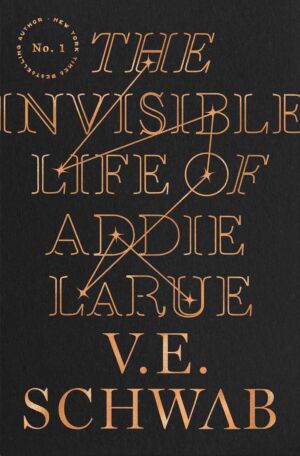
- The Invisible Life of Addie LaRue by V.E. Schwab. A young woman, a god who answers after dark, and a price paid across a whole lifetime.
- Once Upon a Broken Heart by Stephanie Garber. A desperate girl, a dangerous immortal, and deals whose fine print bites.
- Kingdom of the Wicked by Kerri Maniscalco. A witch, a demon prince, and a romance that starts as a mutual threat.
- Belladonna by Adalyn Grace. Gothic romance with Death as the leading man, for readers who want the atmosphere turned up.
Worth Your Shelf
The title is a farming proverb, and Reap & Sow by Charlotte B. Plumb takes it literally. In Blackbridge, time is a crop. People plant it in a demon’s ledger and harvest their wishes, and the autumn deadline the whole plot runs toward is the season when every debt comes due. It is a clever frame, and Plumb works it harder than most first novelists would dare, threading it through the family story, the politics and the love affair alike.
The book is rough at the edges. The villain is flat and the middle sags. But the premise is strong enough to carry a series, Eda is worth following, and the demon in the cellar is the best kind of bad company. Read it with one eye on the clauses.