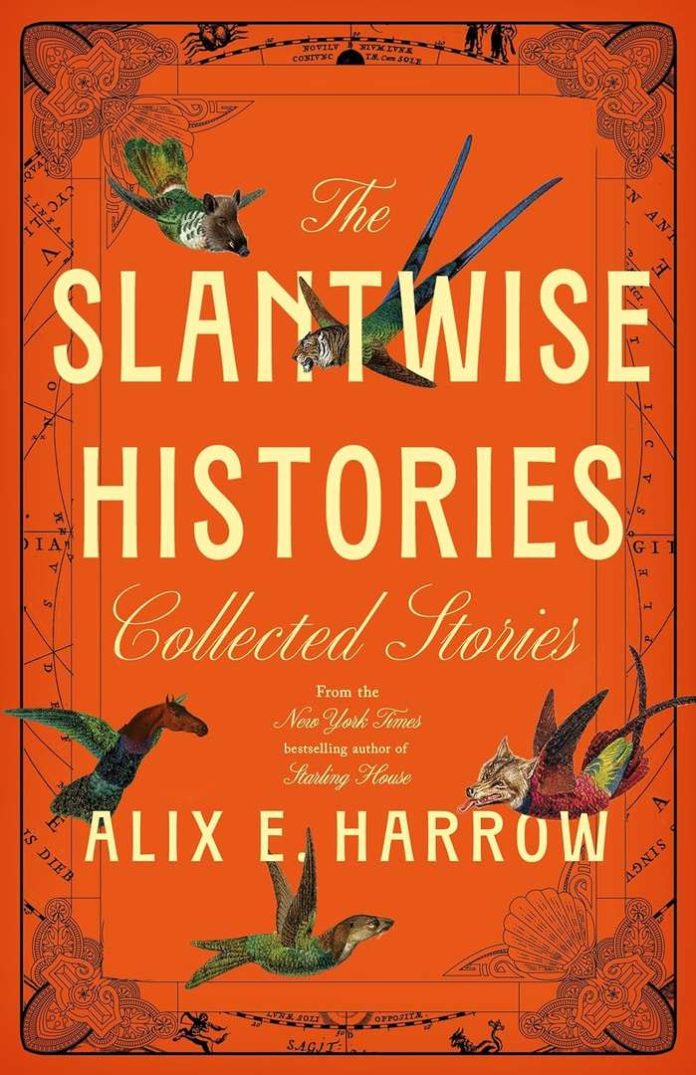

Once upon a time there were two brothers, and one of them was a greedy bastard. That is more or less how The Slantwise Histories by Alix E. Harrow begins: with a Gilded Age con man who swindles his way around Richmond, flees a gang of creditors to Europe, and reinvents himself as a folklorist collecting peasant tales he mostly invents. Then a woman in a red cloak offers to show the brothers the real thing. It is a perfect overture, because the whole collection is interested in the same question: what happens to a story when the person telling it starts to believe it.
How It Works
The Slantwise Histories by Alix E. Harrow is her first collection, gathering short fiction from the last decade. Most of it first appeared in genre magazines and anthologies such as Shimmer, Apex, Uncanny and Beneath Ceaseless Skies, and the rest is new. The fifteen stories sit in three parts, titled Almost, Always and Again, and the order matters more than the labels: the first part leans towards grief and second chances, the middle towards cycles and repetition, the last towards history and the people written out of it.
Practical points for anyone choosing a collection:
- Length. The stories run from a handful of pages to near-novelette length. The longest, Up in Flames (Working Title), is close to a novella.
- Forms. Harrow changes the container constantly: a ship’s log, a manuscript with an editor’s furious footnotes, library catalogue entries, a second-person saga, a reaper’s typed assignment card.
- Content guidance. The book carries a per-story list of content notes at the back, which is genuinely useful in a collection this emotionally varied.
- Reading order. It rewards reading front to back, since the closing story names the idea behind the title.
What Alix E. Harrow Does With a Fairy Tale
The thesis of The Slantwise Histories by Alix E. Harrow is that a fairy tale is a way of telling the truth about people history ignores. Her characters are orphans, mill workers, queer women in hostile decades, pearl divers, grieving fathers. The fantasy is never decoration. It is the lever that lets them push back.
Mr. Death shows the method at its cleanest. A junior reaper, assigned a two-year-old in a trailer in upstate New York, plays catch with the boy all afternoon and then cannot bring himself to do his job. The afterlife here is an office, with burnt coffee, a break room and a supervisor who happens to be an archangel, and the bureaucratic comedy makes the grief underneath land harder. A Whisper in the Weld does something similar with a Black steelworker killed in a wartime Maryland mill, whose ghost refuses to let her daughter take her place on the line.
The structural risks pay off too. The Six Deaths of the Saint is told in the second person and loops back on itself again and again, and each pass reveals more about who the mysterious saint really is. The Final Voyage of the Good Ship Fortune is a castaway’s log written by a self-styled gentleman who is lying to the reader and to himself, and the entries peel his story open one day at a time.
What works
- Up in Flames (Working Title). In an alternate Chicago where obscene writing literally bursts into flame, an heiress writes a confession to the gossip columnist she loved, and an editor’s footnotes talk back from the margins. The censorship idea riffs on the real Comstock laws, and the form turns a rueful love letter into a two-voiced romance. It is the best thing here.
- Tonal range. Harrow can be properly funny (the reaper’s office politics, the con man’s patter) and then devastating a page later without the shift feeling forced.
- A Witch’s Guide to Escape. A librarian who is quietly a witch gives a lonely foster boy exactly the book he needs. Her best-known story earns its reputation on a reread.
- The finale. The Last Archive gathers the collection’s threads of libraries, erased love and Kentucky and ties them to the title.
Where It Gives Ground
These are real flaws, though none is fatal to The Slantwise Histories by Alix E. Harrow.
- One ending, many times. Read back to back, too many stories close with a character striding away and refusing to glance behind. Each instance works in isolation, but by the fourth or fifth the gesture feels like a habit.
- Uneven weight. Roadside Attraction, a sweet time-travel romance at a Kansas tourist trap, is pleasant but predictable, and it sits awkwardly beside the heavier stories around it.
- A shared voice. Many narrators speak in the same wry, profane register, so the stories can blur together in a long sitting.
- Dense openings. A few stories, especially the near-future ones, load a great deal of worldbuilding into their first pages before the human story starts moving.
Read These Next
If The Slantwise Histories by Alix E. Harrow leaves you hungry for more short fiction with teeth:
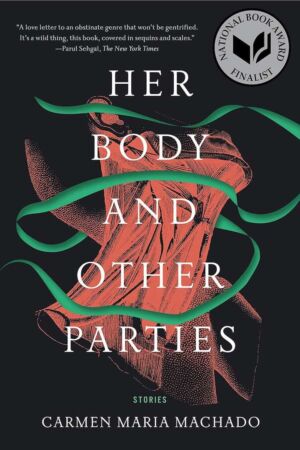
- Her Body and Other Parties by Carmen Maria Machado, for fairy-tale and horror forms bent towards women’s bodies and queer desire.
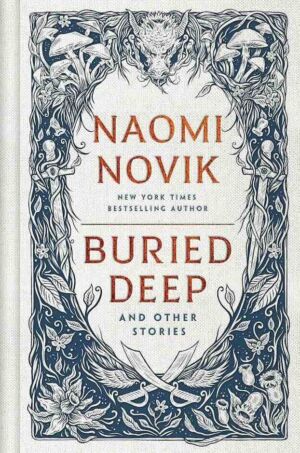
- Buried Deep and Other Stories by Naomi Novik, another major fantasy novelist’s first collection, with the same mix of retellings and originals.
- The Bloody Chamber by Angela Carter, the classic of fairy tales rewritten from the wolf’s side of the woods.
- Get in Trouble by Kelly Link, for stories that move between comedy and dread with no warning.
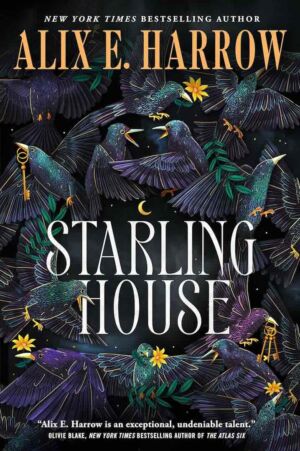
- Starling House by Alix E. Harrow, for the Kentucky gothic at novel length.
About Alix E. Harrow
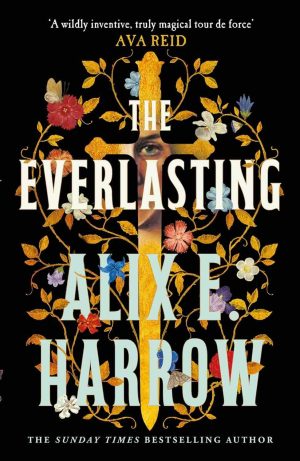
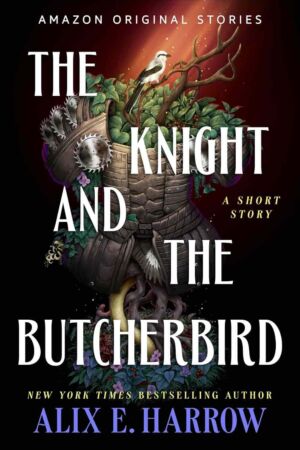
Alix E. Harrow was born in 1989 and made her name with short fiction before her novels. Her debut, The Ten Thousand Doors of January (2019), was a finalist for most of the major genre awards, and she has since written Starling House and The Everlasting. We also reviewed The Knight and the Butcherbird when it appeared as a standalone; it is reprinted in The Slantwise Histories by Alix E. Harrow, and it still hits hard.
- A Witch’s Guide to Escape won the Hugo Award for Best Short Story in 2019.
- The Once and Future Witches (2020) won the British Fantasy Award for Best Fantasy Novel.
- Her Fractured Fables novellas, A Spindle Splintered and A Mirror Mended, remix Sleeping Beauty and Snow White; the first was a Hugo finalist.
- The Everlasting won the 2026 Hugo Award for Best Novel, weeks before this collection arrived.
The Verdict
The Slantwise Histories by Alix E. Harrow is out now from Tordotcom, and it is the best case yet for Harrow as a short-story writer first. The repeated endings and a couple of lightweight pieces keep it from perfection, and it is better taken a few stories at a time than in one sitting. But the peaks (Mr. Death, Up in Flames, A Witch’s Guide to Escape, The Last Archive) are as good as anything she has written at any length. Start with the con man and his brother, and let the wolf take it from there.