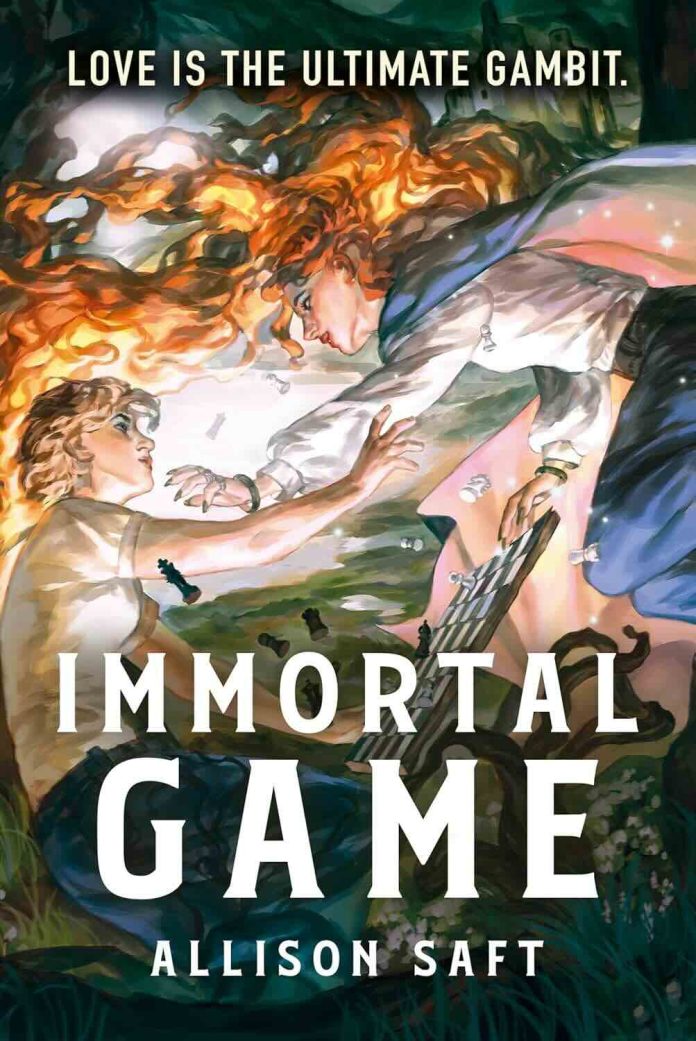
At nine years old, Shea Fury sat down opposite a stranger with gold hair and one silver eye, and lost her sister across the board. She has spent every day since becoming a player who does not lose. That is not the same thing as a player who loves the game, and Immortal Game by Allison Saft knows it.
Six years after Aideen vanished into the Irish Otherworld, Shea is nineteen, an American grandmaster, and hollowed out by the single purpose that has organised her entire adolescence. She has no friends outside the circuit, no plans beyond it, and no idea who she would be if she stopped. When Midir of Bri Leith announces his centennial tournament, open to mortals and fae alike, with a boon of the winner’s choosing as the prize, she takes the invitation without hesitating for a second. So does Daniil Tsoi, the Russian rival she despises, whose ballerina sister was taken by a different lord. Waiting on the other side of the Veil is Ciara of Bri Leith: Midir’s much younger sister, a chess prodigy with a cloak lined in moth wings, and the only person alive who plays the way Shea does.
The Chess Is Not Decoration
Plenty of novels use chess as a metaphor and hope nobody checks. Immortal Game by Allison Saft checks. Openings are named and meant, time controls matter, and the difference between classical, rapid and bullet play is load-bearing rather than atmospheric. Saft credits a chess streamer in her acknowledgements for finally teaching her the game after years of failing to write this book, and it shows: the rounds are dramatised as decisions under time pressure rather than as vague mental duels.
The strongest writing sits in the gap between what Shea can calculate and what she can feel. Her preparation is monastic, her opening repertoire is a fortress, and none of it protects her from the discovery that she has forgotten why she started. Every adult around her reads that hollowness as professionalism, which is the quietest cruelty in the book. Immortal Game by Allison Saft is at its best when it treats competitive burnout as a genuine wound rather than a character note, and when it lets Shea admit that winning has begun to feel like nothing at all.
Where This Sits in Saft’s Work
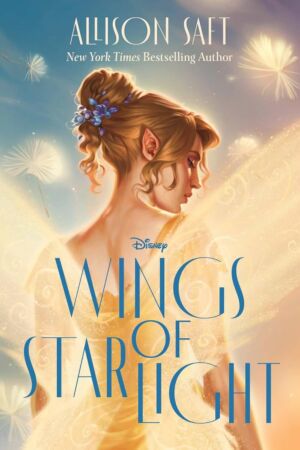
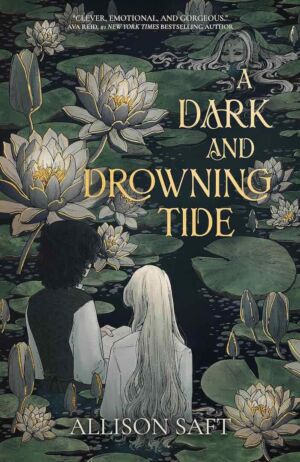
This is a standalone, and no prior reading is required. It is also noticeably angrier and funnier than her romantic fantasies, with a contemporary first-person voice closer to sports fiction than to the lush historical register of A Dark and Drowning Tide or Wings of Starlight. Readers arriving for pining and gorgeous frocks will find both, but the spine of the book is a nineteen-year-old athlete falling apart.
A Myth Retold from the Discarded Woman’s Side
Midir, Étaín and Fuamnach come from one of the oldest surviving Irish tales, in which a king wins a bride at a board game and his first wife takes a terrible revenge. Anyone who reads The Wooing of Étaín will recognise the bones here, and will also notice how thoroughly Saft has rearranged them. The abandoned first wife is given an argument. The stolen girl is given a chapter of her own. The king keeps his beauty and his sorrow and loses every claim to being wronged.
It is a smart choice, and it pays off in a final act that refuses the obvious shape. The question Immortal Game by Allison Saft eventually asks is not whether Shea can beat Midir, but what a rescue is worth when nobody thought to ask the rescued party what she wanted. That is a harder book than the one the premise promises, and Saft commits to it.
What Works
- Shea’s voice. Prickly, exhausted, very funny about her own catastrophising, and never softened into likeability.
- Ciara. A rival written as an actual threat, whose flirtation is indistinguishable from analysis. The relationship is built out of shared obsession rather than proximity, which is rare and welcome.
- Daniil. The antagonist most likely to be dismissed early, and the one whose arc lands hardest. His grudging late compliments are the funniest passage in the book.
- The interludes. Short italic childhood chapters, and one perspective shift, that do more work on the sisters’ relationship than any amount of present-day exposition could.
- The mother. Kara is a small, quiet horror: never cartoonish, always calibrated, and drawn with the precision of someone who has met her.
Where It Stumbles
- The middle rounds repeat. Prepare, play, recover, brood, repeat. The tournament structure guarantees momentum but also guarantees a rhythm, and the second act settles into it for too long.
- The villain undercuts his own tension. Midir does not win fairly, and once the reader understands how, several matches lose the suspense they were built to carry.
- The ending is very tidy. Four separate captivities resolve inside roughly thirty pages, several of them by administrative decree, and the book spends more of that stretch explaining outcomes than dramatising them.
- The romance stalls on withholding. A long stretch of the middle turns on information Ciara simply declines to share, which strains a relationship otherwise built on candour.
- Kara gets no reckoning. The most damaging figure in Shea’s life is left entirely offstage at the close, which some readers will read as realism and others as a thread dropped.
A Word on Content
Emotional abuse by a parent, disordered relationships with achievement, self-harm ideation, coercive faerie bargains, body horror involving a prosthetic eye, and a sixteen-year-old’s inability to consent meaningfully to a bargain that shapes the rest of her life. The last of these is examined rather than endorsed.
Who This Is For
Reach for Immortal Game by Allison Saft if you want a faerie bargain story with real teeth in its ethics, a sapphic rivalry that earns its heat, and a heroine whose defining crisis is that she got what she trained for. Skip it if tournament structures bore you, or if you need your fantasy romance to be primarily a comfort read.
Read These Next
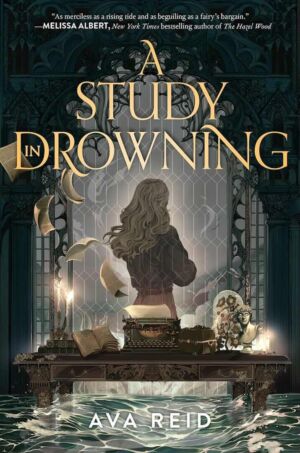
- A Study in Drowning by Ava Reid. Another prickly prodigy, another faerie king, another myth being interrogated rather than admired.
- Emily Wilde’s Encyclopaedia of Faeries by Heather Fawcett. For rule-bound fae and a heroine who treats them as a research problem.
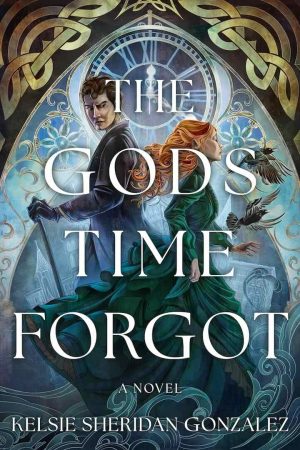
- The Gods Time Forgot by Kelsie Sheridan Gonzalez. If the Irish Otherworld is the draw.
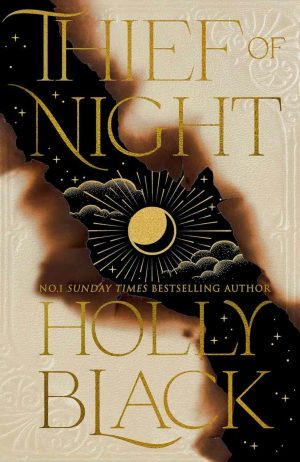
- Thief of Night by Holly Black. For bargains that cost exactly what they say they will.
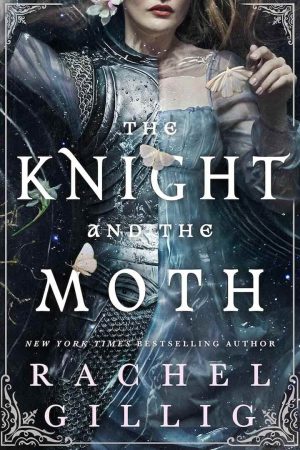
- The Knight and the Moth by Rachel Gillig. For antagonistic banter with a body count of feelings.
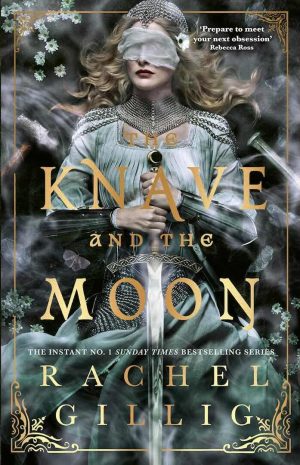
The sequel opens with Aisling Cathedral in rubble and the last Diviner on a throne nobody offered her: The Knave and the Moon by Rachel Gillig.
The Last Word
The 1851 game that gives this novel its name, the Anderssen and Kieseritzky brilliancy, is famous because the winner gave away almost everything he had to win. That is the argument here too, and Saft is honest enough to show the bill. Immortal Game by Allison Saft is looser and less controlled than her best work, and it is also the first of her books to feel like it was written out of something personal. The tidy last act costs it a star. The forty pages before that are worth the price on their own.