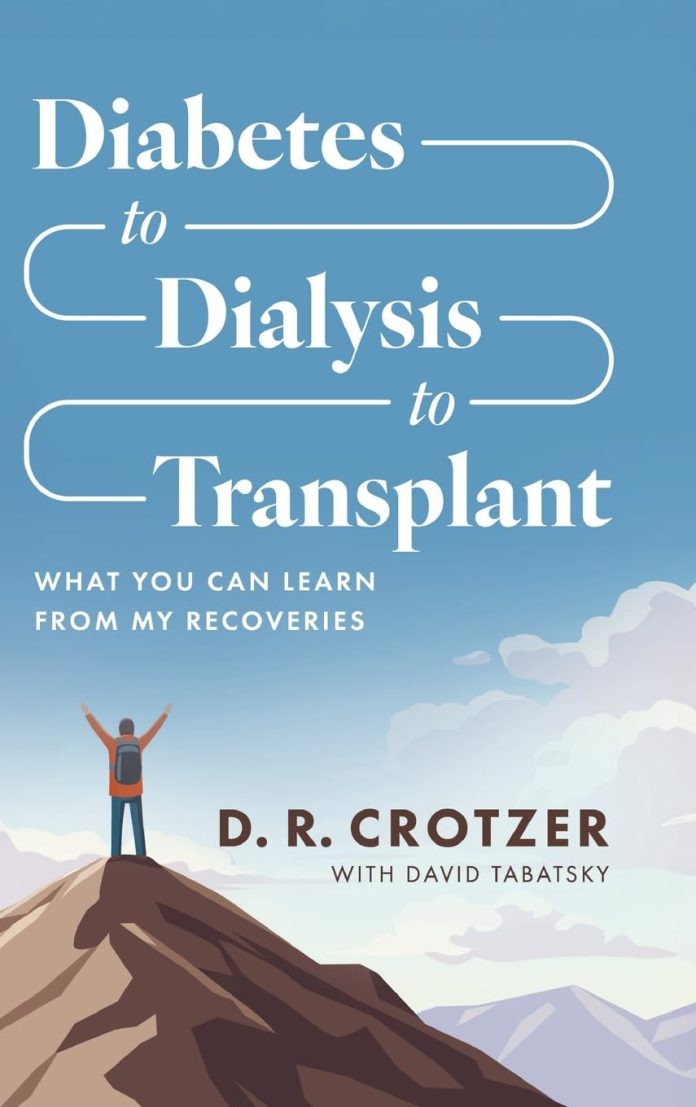
When an engineer faces a medical crisis, something remarkable happens. The same analytical mind that solves complex technical problems begins dissecting symptoms, researching treatments, and optimizing recovery protocols. This is precisely what readers encounter in Diabetes to Dialysis to Transplant by D. R. Crotzer, a memoir that transforms one man’s harrowing health journey into a practical guide for anyone navigating the turbulent waters of chronic illness.
Dave Crotzer spent decades developing technologies and innovative product designs for major corporations like Tyco Industries, Koch Membranes, and General Electric. His scientific background becomes evident in every chapter as he methodically documents his progression from an undiagnosed pancreatic condition to prediabetes, type 2 diabetes, kidney failure, dialysis, open heart surgery, and ultimately a kidney transplant. What sets this book apart from typical medical memoirs is Crotzer’s refusal to simply tell his story. Instead, he hands readers a toolbox filled with hard-won wisdom, medical explanations, and actionable strategies.
The Heart of an Honest Narrator
Crotzer writes with refreshing candor that immediately establishes trust. He openly admits to being a “dummy” when it came to taking care of himself, acknowledging the years of poor dietary choices, excessive work stress, and ignored warning signs that contributed to his declining health. This vulnerability creates an immediate connection with readers who might be making similar mistakes in their own lives.
The narrative voice throughout Diabetes to Dialysis to Transplant by D. R. Crotzer maintains a conversational warmth despite discussing frightening medical procedures. When describing embarrassing moments involving catheters, hospital gowns, or nurses attending to his most private needs, Crotzer finds humor without trivializing the experience. This balance between gravity and levity makes difficult medical content accessible and even entertaining.
His writing style mirrors his engineering background with clear, logical organization. Each chapter follows a pattern that includes personal narrative, medical education, practical advice, and a crossword puzzle to test comprehension. This structure transforms what could be overwhelming medical information into digestible segments that readers can absorb and retain.
Themes That Resonate Beyond Diabetes
Several powerful themes emerge throughout this memoir that will resonate with anyone facing chronic illness:
- The importance of becoming your own advocate – Crotzer navigates conflicting opinions from multiple specialists, insurance company battles, and complex medication regimens by staying informed and assertive
- Physical fitness as medicine – His dedication to YMCA programs, particularly BOOST and Walk with Ease, demonstrates how exercise accelerates recovery and improves quality of life
- The critical role of support systems – His wife Joan emerges as an unsung hero, managing logistics, providing care, and offering unwavering emotional support
- Mental health matters – The book acknowledges depression, anxiety, and the psychological toll of chronic illness without stigma
The chapter structure serves both narrative and educational purposes brilliantly. Medical terminology is explained clearly, and the extensive glossary and appendix provide deeper dives into conditions like calcification, creatinine levels, and parathyroid function. Readers finishing this book will possess genuine medical literacy about diabetes and its complications.
What Makes This Memoir Uniquely Valuable
Unlike many health memoirs that focus primarily on emotional journeys, Diabetes to Dialysis to Transplant by D. R. Crotzer delivers substantial practical content that transforms reading into learning. The detailed explanations of how dialysis machines work, what to expect during various surgeries, and how to read nutritional labels provide information that patients often struggle to find in accessible formats.
The book excels in several specific areas:
- Navigating healthcare bureaucracy – Crotzer provides candid insights about managing multiple doctors, pharmacies, and insurance companies simultaneously
- Understanding medical procedures – From fistula surgeries to parathyroid removal, procedures are explained in layman’s terms
- Lifestyle modifications that work – Practical dietary changes, exercise routines, and stress management techniques are detailed with specificity
- Maintaining hope during uncertainty – The years-long wait for a kidney transplant, navigating two different transplant centers, and the emotional rollercoaster of being on waiting lists are handled with honesty
The author’s decision to include crossword puzzles at chapter endings serves a dual purpose. Beyond testing comprehension, they provide the kind of distraction activities that patients actually need during long waits in medical facilities. This thoughtful touch reveals Crotzer’s genuine understanding of the patient experience.
The Support Network Factor
Joan Crotzer deserves recognition as more than a supporting character. Her presence throughout the narrative illuminates how chronic illness affects entire families. She learns to operate dialysis equipment, drives hours for appointments, manages medication schedules, and maintains emotional equilibrium through crisis after crisis. The book subtly advocates for caregivers while honoring their contributions.
The YMCA of Greater Nashua and its staff, particularly instructor Eirikur Holt, receive substantial attention as essential components of Crotzer’s recovery. This emphasis on community resources offers readers a template for building their own support networks. The detailed descriptions of BOOST, SilverSneakers, and Walk with Ease programs provide starting points for those seeking similar help.
Who Should Read This Book
Diabetes to Dialysis to Transplant by D. R. Crotzer serves multiple audiences effectively. Newly diagnosed diabetics will find essential information about disease progression and management. Those facing dialysis or transplant will gain invaluable insight into what lies ahead. Caregivers supporting loved ones through these challenges will better understand the patient experience. Even healthcare professionals m ight benefit from this ground-level perspective on navigating the medical system.
The book also serves as a wake-up call for anyone ignoring warning signs. Crotzer’s honest assessment of his own mistakes creates a powerful cautionary tale without being preachy. His message is clear: take symptoms seriously, advocate for yourself, and prioritize health before crisis forces you to.
Similar Books Worth Exploring
Readers who appreciate this memoir might also enjoy:
- How Concerned Should I Be? by Anandhi Narasimhan, MD – Questions about mental health and chronic illness
- The Intelligent Divorce by Mark Banschick, MD – Co-authored expertise on navigating life challenges
- Living Well with Kidney Disease – Various patient narratives about transplant experiences
- Diabetes Burnout by William Polonsky – Addressing the emotional challenges of chronic disease management
- The Dialysis Handbook for Technicians and Nurses – Technical reference for deeper understanding
A Testament to Human Resilience
Diabetes to Dialysis to Transplant by D. R. Crotzer ultimately delivers more than medical information or personal narrative. It provides a blueprint for approaching chronic illness with intelligence, humor, and determination. Crotzer’s engineering mindset transforms his experience into a systematic guide while his humanity shines through every chapter.
The book closes with hope rather than despair, with Crotzer planning future patents, continuing graduate studies, and traveling with Joan. His message resonates clearly: chronic illness changes life but need not end it. With proper management, strong support, and unwavering determination, patients can survive and thrive. This debut memoir establishes Crotzer as a valuable voice in patient advocacy and chronic illness literature, proving that sometimes the best medical guides come from those who have walked the path themselves.