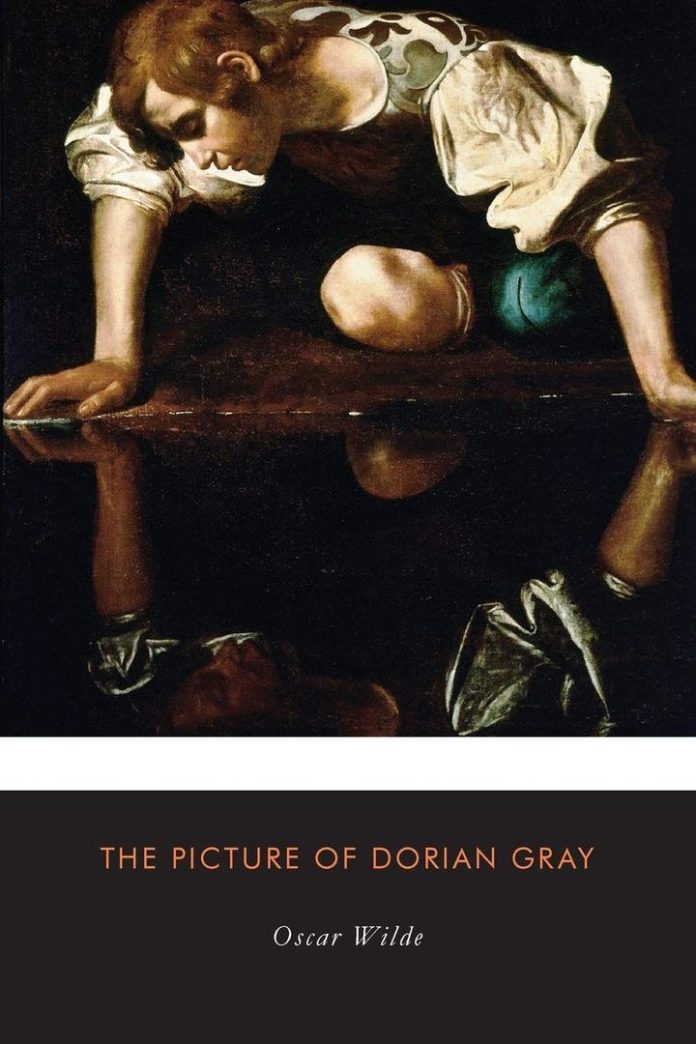
It is a hot June afternoon in a London studio that smells of roses and lilac. Basil Hallward steps back from a full-length portrait, bites the end of his brush, and signs his name in long vermilion letters in the corner. His sitter, a young man with gold hair and scarlet lips, looks at the finished canvas and recognises his own beauty for the first time. Within minutes he is in tears. The picture will stay young while he grows old, and he says he would give his soul to reverse the arrangement. Basil, appalled, picks up a palette knife to slash the canvas, and the boy tears it from his hand, crying that this would be murder. Nobody in the room yet knows what they have agreed to. The Picture of Dorian Gray by Oscar Wilde is the story of that wish being granted, and of the three men standing around the easel when it was made.
Lord Henry Gets All the Best Lines
The man who does the real damage never touches the canvas. Lord Henry Wotton lounges on a divan of Persian saddlebags, smokes opium-tainted cigarettes and talks. He tells Dorian that youth is the only thing worth having and that the way to be rid of a temptation is to give in to it. He means it about half the time, and that is the danger. And he is also lazy, married to a woman he barely sees, and wholly uninterested in the consequences of anything he says, which makes him one of the great idle villains of English fiction.
Wilde makes him irresistible. At a lunch at Aunt Agatha’s he spins a single paradox about folly into a whole philosophy while a Radical MP, a Duchess and an elderly man of letters fail to keep up. Every page he is on is funny, and the comedy is the trap: readers fall for him exactly as Dorian does. The cleverest thing in The Picture of Dorian Gray by Oscar Wilde is that it lets you enjoy the poison before showing you the body count.
What lifts Lord Henry above a quotable cynic is the passage where Wilde shows him thinking. He regards the boy as an experiment, an interesting subject for a man who began by vivisecting himself and moved on to others. He never commits a crime. And he simply watches, with real pleasure, what his sentences do to someone younger. A good deal of modern writing about influence and grooming is still catching up with that chapter.
The Painter Who Put Too Much of Himself In
Against that voice Wilde sets Basil, the only person in the novel who says the moral thing out loud. He will not exhibit the portrait because, he explains, every portrait painted with feeling shows the painter rather than the sitter, and this one shows his idolatry. His later confession to Dorian is one of the most tender scenes in Victorian fiction, and Dorian receives it as a disappointment.
The horror works because Wilde keeps it so plain. There are no ghosts or séances, just a painting hidden behind a screen of gilt Spanish leather, and a young man who keeps going back to check it. The changes start small, a line of cruelty around the mouth, and the novel lets you dread each visit. Dorian studies the canvas at first with something close to scientific curiosity, and that detachment is far more frightening than panic would be. By the time the narrator says that “Dorian Gray had been poisoned by a book”, Wilde has made the idea of a corrupting object entirely believable. It is a gift from Lord Henry, naturally.
The book is also arguing with its own Aesthetic movement. The Preface insists that there is no such thing as a moral or immoral book. The story that follows behaves like a deeply moral book, and the gap between the two is part of the fun of The Picture of Dorian Gray by Oscar Wilde.
Where The Picture of Dorian Gray Gives Ground
- The catalogue chapter stops the clock. Years pass in a long inventory of jewels, perfumes, musical instruments and church embroideries. It is deliberately decadent and helps cover the time jump, but most readers will skim it.
- Sibyl is an idea before she is a person. The actress who first tests Dorian is given beauty, Shakespeare and a few speeches about love, and almost no inner life of her own.
- The theatre manager is an antisemitic caricature. Mr Isaacs is described in repellent terms that were commonplace in 1891 and still sting.
- The narrator explains the portrait more than once. Wilde trusts his image less than he should, and several passages of The Picture of Dorian Gray by Oscar Wilde stop to spell out what the canvas means.
Read These Next
If The Picture of Dorian Gray by Oscar Wilde has put you in the mood, start with our shelf of more Halloween classics, then try these.
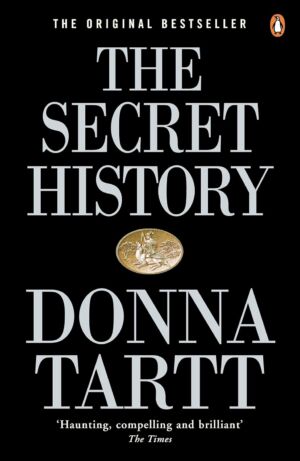
- The Secret History by Donna Tartt, for beautiful students who mistake an aesthetic for a morality.
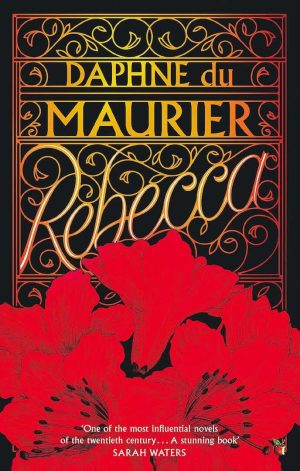
- Rebecca by Daphne du Maurier, where a portrait in a great house sets a trap of its own.
- The Haunting of Hill House by Shirley Jackson, for dread that grows from atmosphere rather than gore.
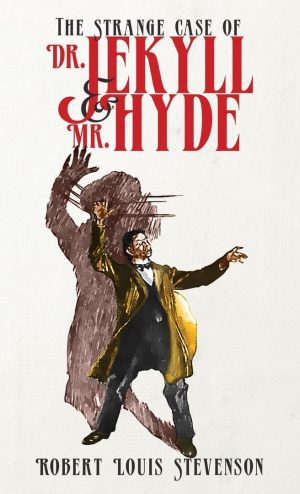
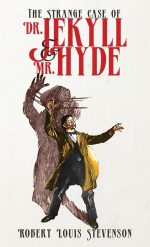
- Strange Case of Dr Jekyll and Mr Hyde by Robert Louis Stevenson, the other great Victorian tale of a respectable face and a hidden self.
Behind Dorian Gray: Oscar Wilde and the Trivia
Oscar Wilde was born in Dublin on 16 October 1854 and was a celebrated wit, critic and fairy-tale writer before he tried a novel. The Picture of Dorian Gray by Oscar Wilde was his only one. He followed it with the stage comedies, including The Importance of Being Earnest, and after his conviction and imprisonment wrote The Ballad of Reading Gaol. He died in Paris in 1900.
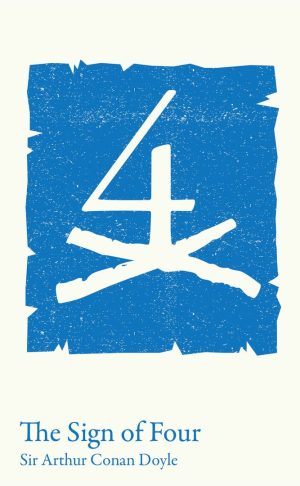
- The novel came out of a dinner at the Langham Hotel in 1889, where a magazine editor commissioned stories from both Wilde and Arthur Conan Doyle. Doyle’s became The Sign of the Four.
- The first version, in Lippincott’s Monthly Magazine in 1890, had thirteen chapters. The 1891 book has twenty, plus the Preface and Sibyl’s brother James.
- WHSmith, then Britain’s biggest bookseller, pulled the magazine issue from its railway stalls after the scandal.
- The 1945 film won an Oscar for its black-and-white photography, and Angela Lansbury was nominated for playing Sibyl.
- A recent stage version has one actor play every role. Sarah Snook won an Olivier in 2024 and a Tony in 2025 for it.
Worth Your Shelf
More than a century on, The Picture of Dorian Gray by Oscar Wilde is still the rare horror novel you can laugh through. Its flaws are real, and the long middle and the period prejudice will bother some readers, but the central image has never worn out. A beautiful face, a locked room, a picture that keeps the accounts.
Read it in October, by lamplight, and resist the urge to check the mirror afterwards.