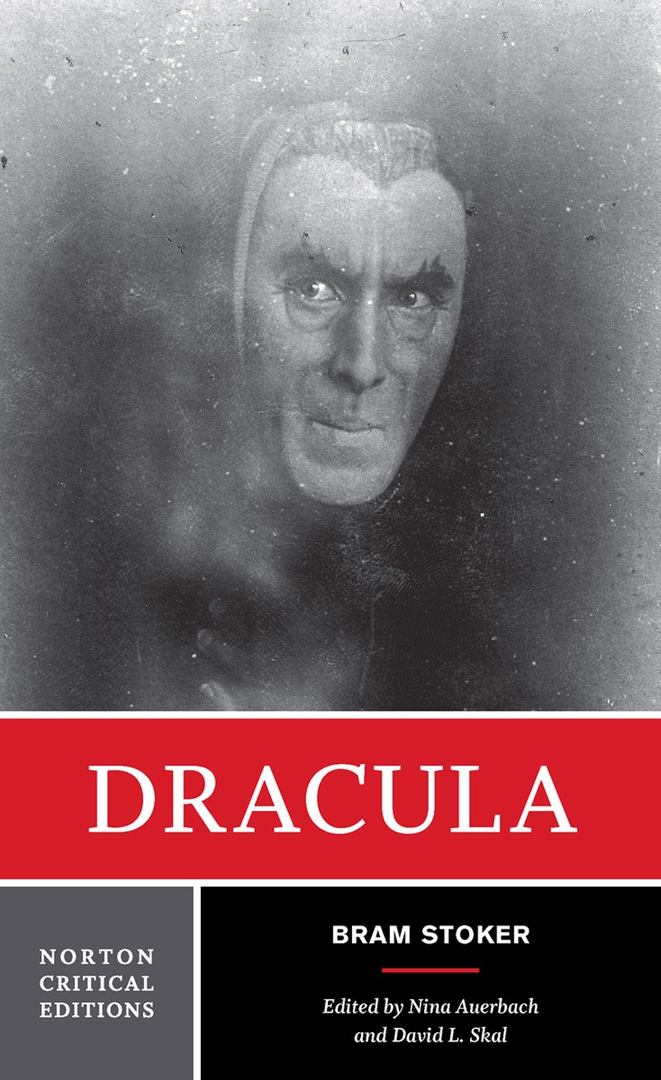
The first entry is almost comic. Jonathan Harker, a newly qualified solicitor, notes that his train out of Munich ran an hour late, that the further east he travels the worse the timetables get, and that he must remember to ask for the recipe for the paprika chicken he had at supper. Then he looks up a few words the coach passengers keep muttering in his polyglot dictionary, and they mean Satan, hell, witch and werewolf. Dracula by Bram Stoker opens in the voice of a tourist taking notes, and the gap between that cheerful diarist and what he is walking into is the first lever the novel pulls.
How It Works
There is no narrator. This is an epistolary novel, so everything arrives as a document: Harker’s shorthand journal, letters between two young women, a ship’s log, newspaper cuttings, telegrams, and the diary that a London asylum doctor, John Seward, dictates onto wax phonograph cylinders. Mina Murray, Harker’s fiancée, learns typing so she can be useful to him, and she ends up retyping all of it, making carbon copies and putting the pages in date order. The book in your hands is presented as her file.
The rules come piece by piece. The Count casts no reflection in Harker’s shaving mirror. He crosses a threshold only when asked. He sleeps by day on earth from his homeland, and fifty boxes of it travel to England. Readers of Dracula by Bram Stoker learn these things in fragments from different witnesses, which is far more frightening than a professor reading them out from a list (though one eventually does that too).
The Machine Bram Stoker Built
The structure is the novel’s real achievement. Because every account is partial, the reader is always holding pieces the characters lack. We know from Harker’s journal what the boxes are for long before anyone in London does; we can read the signs around a sick girl in Hampstead while her doctors argue about blood. The dread in Dracula by Bram Stoker comes from watching intelligent people be slow, and from the knowledge that the villain is everywhere in the evidence and almost nowhere on the page.
The shape is worth knowing before you start. The book moves in three long movements: six weeks of spring in the Carpathians, a slow English summer of letters and illness, and an autumn of pursuit that runs on train times and shipping news. Each narrator has a recognisable voice. Harker is earnest and precise, Seward clinical and lonely, Mina brisk and observant, and the switches between them give Dracula by Bram Stoker a rhythm of short reports rather than one long breath. Stoker’s own prose varies with the speaker, from plain office English to some gloriously overripe moonlight.
What works
- The castle chapters. Harker’s four opening chapters are a complete Gothic novella. The locked doors, the meals the Count never eats, the morning Harker grasps his position and writes, “The castle is a veritable prison, and I am a prisoner!” Days later he watches his host crawl head-first down the sheer castle wall like a lizard.
- Renfield. Seward’s patient, who feeds flies to spiders and spiders to sparrows and keeps a ledger of the lives he consumes, works as a barometer. His moods track the Count’s movements before anyone understands why.
- The period technology. Typewriters, telegrams, railway timetables and Lloyd’s shipping lists make the hunt feel modern. Stoker set his monster loose in the age of office equipment, and that is what made it new.
- Mina. Practical, quick and better at research than any man in the book, she is the novel’s real engine.
Where It Gives Ground
None of these faults sinks Dracula by Bram Stoker, but each of them costs it something.
- The box-hunting. A long stretch of the London section follows carters, house agents and misspelled addresses as the men trace the earth boxes. Some will call it charming detective legwork. Many will skim.
- Van Helsing’s lectures. The Dutch professor speaks in a broken English that is endearing in small doses and wearing over his longer speeches on lore, faith and the limits of science.
- The men shut Mina out. Having praised her brain, they promptly decide the work is too dangerous for a woman, and the plot punishes them for it in ways the novel never quite admits.
- A brisk final reckoning. After hundreds of pages of build-up, the closing confrontation is over remarkably fast.
Read These Next
If this sends you looking for more Halloween classics, our Halloween reading guide has a full shelf. These pair best:
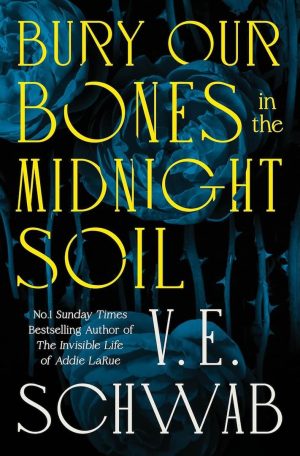
- Bury Our Bones in the Midnight Soil by V.E. Schwab for a modern vampire novel that spans centuries and takes hunger seriously.
- The Haunting of Hill House by Shirley Jackson for the other great model of slow, psychological dread.
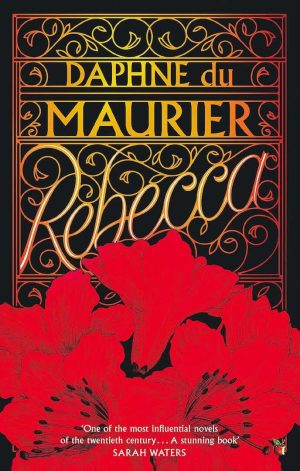
- Rebecca by Daphne du Maurier for a Gothic house where an absent figure dominates every room.
- Carmilla by Sheridan Le Fanu, the earlier vampire novella that Stoker’s Count owes a real debt to.
- ‘Salem’s Lot by Stephen King, which borrows Stoker’s design for a small Maine town.
About Bram Stoker, and Some Dracula Trivia
Bram Stoker (1847 to 1912) was a Dublin-born civil servant and theatre critic who moved to London to run the Lyceum Theatre as business manager for the actor Henry Irving, a post he kept for 27 years. He wrote fiction in the hours the theatre left him, and Dracula by Bram Stoker was a long project: his notes for it date from 1890 and run past a hundred pages. Of his other novels, The Jewel of Seven Stars (1903) and The Lair of the White Worm (1911) are the ones horror readers still find.
- The typescript he submitted carried the title The Un-Dead. It resurfaced in a barn in Pennsylvania in the early 1980s.
- The first edition came from Archibald Constable and Company in May 1897, bound in yellow cloth with red lettering, priced at six shillings.
- Stoker found the name in an 1820 history of Wallachia and Moldavia, believing it meant devil.
- The silent film Nosferatu (1922) was unauthorised; his widow Florence sued, and the studio agreed to destroy its copies. The film also invented the idea that sunlight kills a vampire. In the novel it only weakens him.
- Guinness World Records named the Count the most portrayed literary character in 2015.
- A copyright misfiling put the novel into the public domain in the United States early, which helps explain all those adaptations.
The Verdict
It is easy to forget, after a century of capes and fangs, how strange this book is. Dracula by Bram Stoker is less a vampire story than an investigation file, and its terror comes from the spaces between documents. The middle sags and the prose can gush, but the opening hundred pages remain among the most frightening in the language, and the method has outlived every imitation.
Harker started by writing down a recipe. By the end, the paperwork is all that stands between London and the dark.