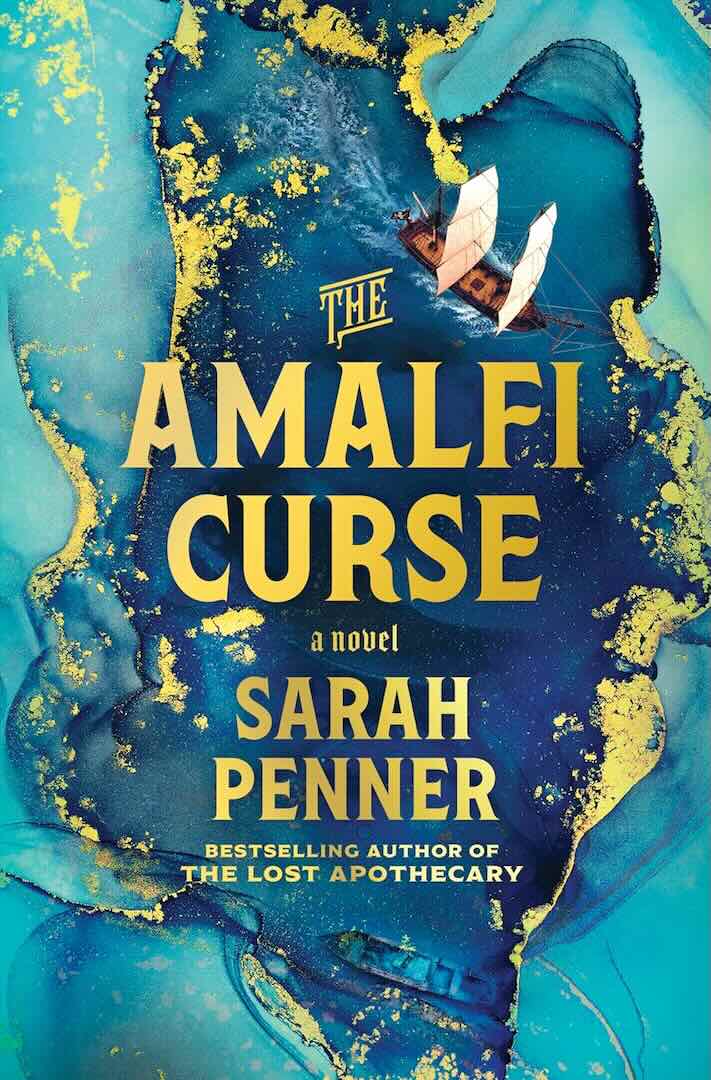
Sarah Penner’s third novel, The Amalfi Curse, weaves a captivating dual-timeline narrative that masterfully blends historical fiction with magical realism against the stunning backdrop of Italy’s Amalfi Coast. After her successful debut with The Lost Apothecary and sophomore novel The London Seance Society, Penner returns with a story that dives deeper—both literally and figuratively—than her previous works, exploring themes of family legacy, sacrifice, and the enduring power of love across centuries.
Synopsis: A Tale of Two Timelines
In present-day Positano, nautical archaeologist Haven Ambrose arrives to lead Project Relic, an ambitious underwater survey of shipwrecks surrounding the Li Galli islets. Behind this professional venture lies a personal quest: to recover mysterious gemstones her father discovered on his final dive before his death. When a luxury yacht inexplicably sinks in the same waters, Haven finds herself pulled off the project, but her determination to fulfill her father’s last wish keeps her in Positano, where she meets the charming dive shop owner Enzo Rossi.
Meanwhile, in 1821 Positano, Mari DeLuca reluctantly serves as the leader of the local streghe del mare—sea witches descended from sirens—who protect their village through ocean magic. Despite her power, Mari resents the sea that claimed her mother and sister, and plans to escape with her secret lover, American sailor Holmes Foster. But when the villainous Mazza brothers begin kidnapping women from the village, Mari must make a terrible choice that will alter the fate of everyone she loves.
As Haven digs deeper into maritime archives, she discovers Holmes’s journal and unravels a startling truth: the legendary Amalfi Curse may be more than folklore, and someone in the present day is invoking ancient powers once again.
Strengths: Where Penner Truly Shines
Immersive Historical Setting
Penner’s meticulous research shines throughout the novel. The author crafts a convincing 19th-century Positano, from the fishermen’s daily routines to the intricate details of sailing vessels like the Aquila. Holmes’s journal entries are particularly effective, using period-appropriate nautical terminology that transports readers aboard a merchant brig without overwhelming them with jargon.
A Refreshing Take on Witchcraft
Unlike many fantasy novels that lean on familiar witchcraft tropes, Penner has developed a unique magical system based on Italian stregheria traditions. The sea witches’ seven incantations, each with specific tools like hagstones and belemnite fossils, feel both authentic and inventive. Particularly compelling is how this magic is tied to bloodlines and maternal sacrifice, creating a narrative where power comes with genuine cost.
Dual Protagonists with Depth
Both Mari and Haven are wonderfully complex characters whose strengths and flaws drive the narrative. Mari’s conflicted relationship with her supernatural abilities—resenting yet relying on them—gives her journey emotional weight. Similarly, Haven’s grief over her father manifests in her single-minded determination, making her both admirably resilient and frustratingly stubborn.
Atmospheric Prose
The novel’s greatest strength may be Penner’s atmospheric writing, particularly in passages describing the sea:
“The sea promised nothing. It was possible my father had only spotted the gems because the silt had shifted; the gems could have very well been obscured mere hours later.”
Such passages do more than set the scene—they establish the sea itself as a character: unpredictable, powerful, and indifferent to human desires.
Weaknesses: Where the Current Pulls Against the Narrative
Pacing Issues
The dual timeline structure, while effective in building mystery, occasionally creates pacing problems. Some readers may find themselves more invested in one storyline than the other, particularly during the novel’s middle section where the 1821 narrative contains more action while the contemporary timeline focuses on research and romantic development.
Convenient Connections
Several plot developments rely on coincidental connections that strain credulity. Haven’s discovery of Holmes’s journal and her ability to trace Mari’s descendants happen with remarkable ease, considering she’s working with 200-year-old records in a foreign country. These convenient narrative shortcuts undermine some of the careful historical construction elsewhere in the novel.
Underdeveloped Secondary Characters
While Mari and Haven receive rich development, several supporting characters remain relatively thin. The villainous Mazza brothers, despite their central role in the historical plot, never evolve beyond stock antagonists. Similarly, Mal’s character seems primarily to function as Haven’s sounding board rather than a fully realized person with her own motivations.
Uneven Romance
The romantic subplots in both timelines vary in effectiveness. Holmes and Mari’s forbidden relationship builds convincingly through meaningful interactions and shared struggles. In contrast, Haven and Enzo’s connection, while steamy, develops so rapidly it sometimes feels more like infatuation than the profound connection that would justify Haven’s major life decisions by the novel’s end.
Verdict: A Compelling Maritime Mystery Despite Rough Waters
The Amalfi Curse represents Penner’s growth as a novelist, tackling a more complex structure and larger cast of characters than her previous works. While not without flaws, the novel succeeds in creating an atmospheric tale that will appeal to fans of magical realism and historical fiction alike.
The book’s exploration of how magical legacies persist across generations offers a thought-provoking perspective on inheritance—both the gifts and burdens we receive from our ancestors. It’s also refreshing to see a fantasy novel centered on women over thirty pursuing professional ambitions alongside romantic ones.
For readers of Kate Morton’s multi-generational mysteries, Silvia Moreno-Garcia’s historical fantasy, or Susanna Kearsley’s time-slip novels, The Amalfi Curse offers similar pleasures with its blend of history, mystery, and magic.
Highlights:
- Richly detailed dual-timeline narrative
- Unique, well-developed magical system
- Atmospheric Mediterranean setting
- Strong female protagonists
Considerations:
- Some convenient plot developments
- Uneven pacing in middle sections
- Secondary characters need more development
- Contemporary romance feels rushed
Who Should Read This Book
The Amalfi Curse will appeal to readers who enjoy:
- Dual-timeline historical fiction with supernatural elements
- Strong female protagonists navigating both professional challenges and romantic possibilities
- Maritime adventures and underwater archaeology
- Atmospheric Italian settings
- Stories about family legacies and inherited gifts
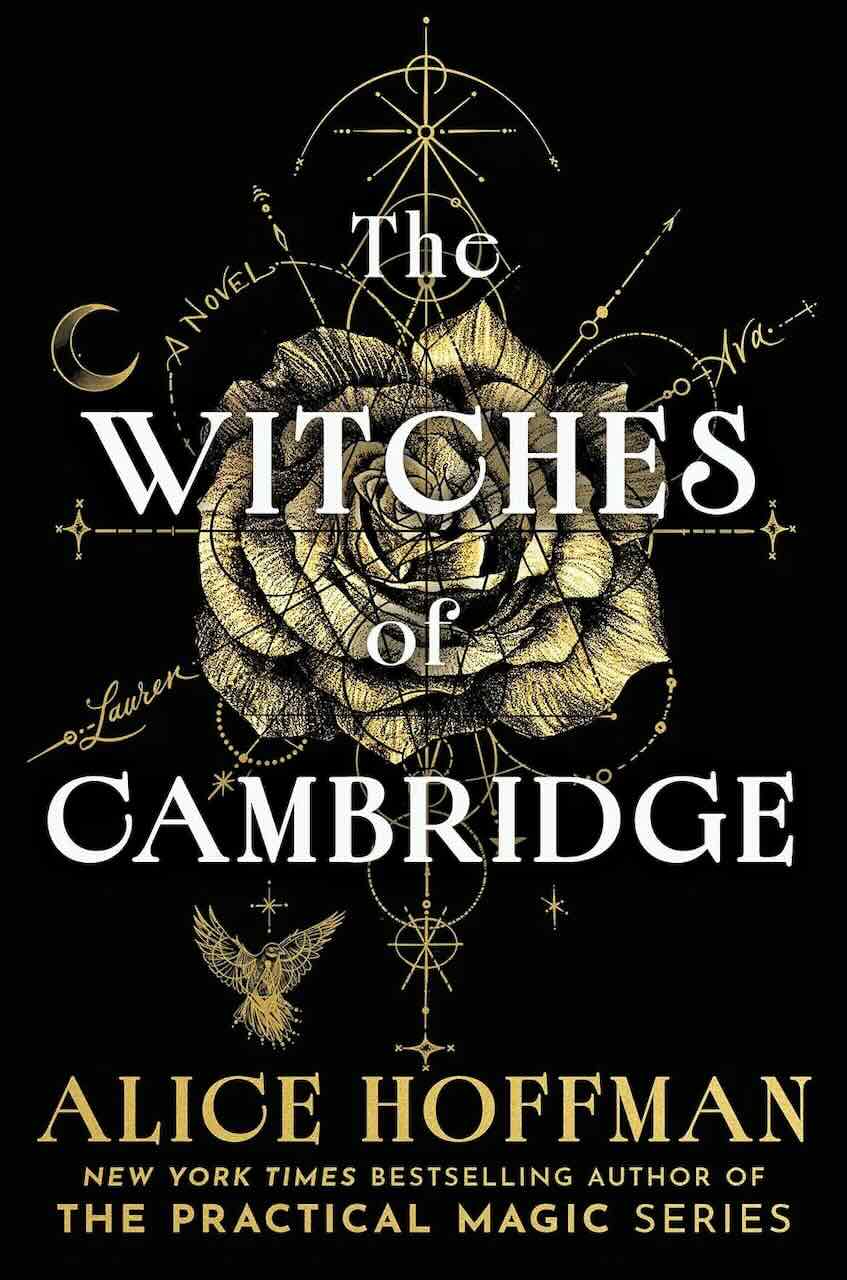
If you enjoyed the historical mysteries of Kate Quinn’s The Rose Code or the magical realism of Alice Hoffman’s Practical Magic, Penner’s latest offering provides a similar blend of historical detail and mystical elements, with the added allure of Mediterranean scenery and underwater adventure.
For those who loved Penner’s previous novels, this represents both a familiar return to her strengths in historical fiction and an exciting expansion of her storytelling into new magical terrain. While The Lost Apothecary focused on poisonous concoctions in 18th-century London, The Amalfi Curse trades those dark apothecary shelves for the dazzling blue depths of the Tyrrhenian Sea—proving that Penner’s historical imagination flows as deep as the waters she describes.