Tan Twan Eng’s “The House of Doors” seamlessly blends historical fiction with a touch of mystery, immersing readers in a world where a lawyer’s encounter with the enigmatic William Somerset Maugham sparks an exploration of both fiction and reality. Eng’s narrative invites us to unearth human experiences and emotions through an evocative storytelling journey.
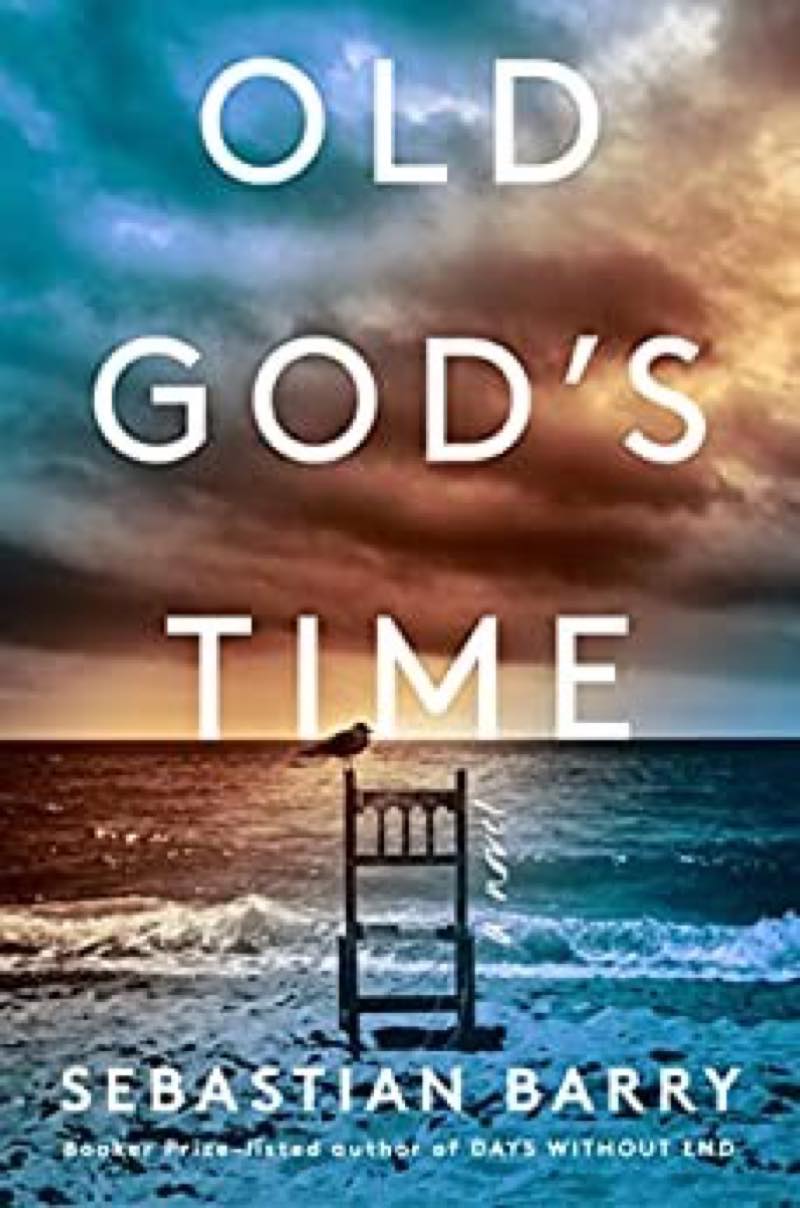
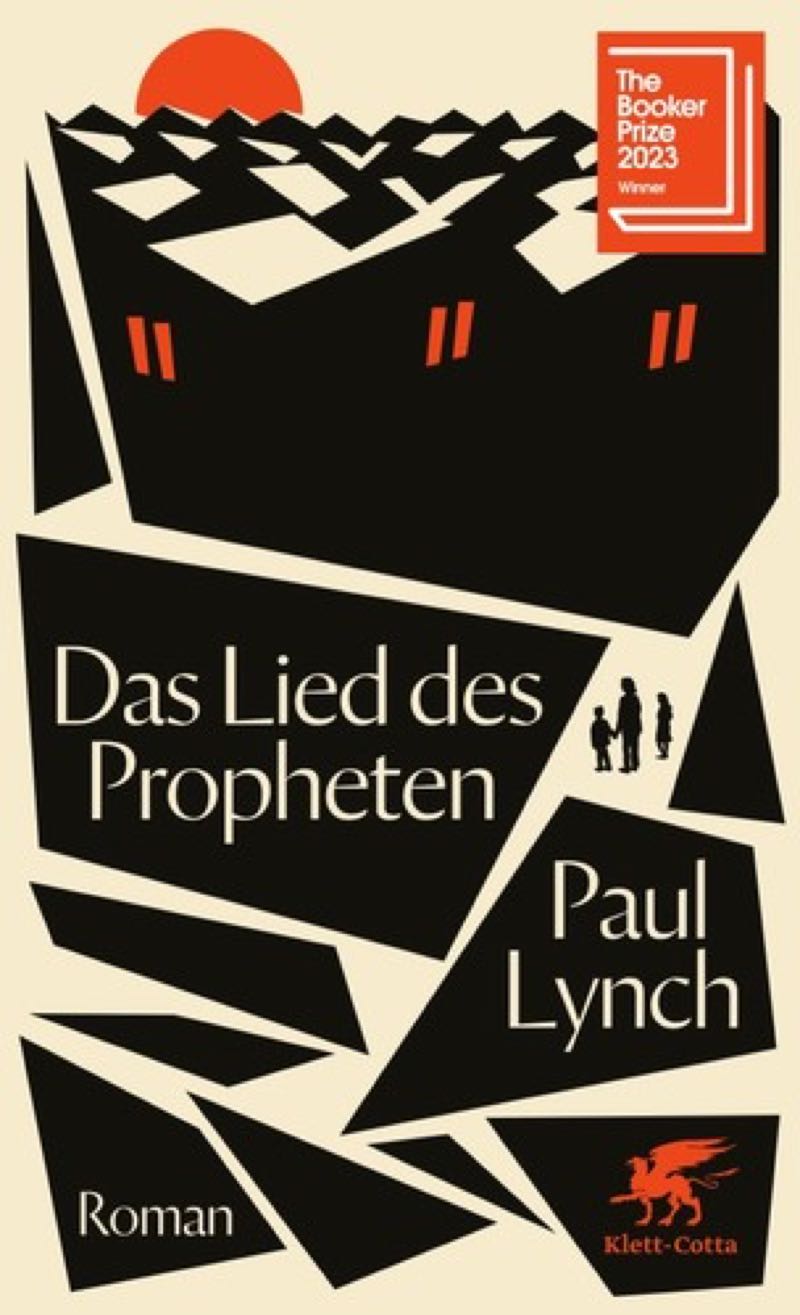
In addition to showcasing fresh literary voices, the longlist also brings recognition to independent publishing houses. Seven of the novels come from smaller publishers, reflective of the Booker Prize’s efforts to promote quality fiction beyond large corporate publishing. Oneworld Publishers, which released Prophet Song, have previously won the prize twice and their authors have earned numerous nominations.
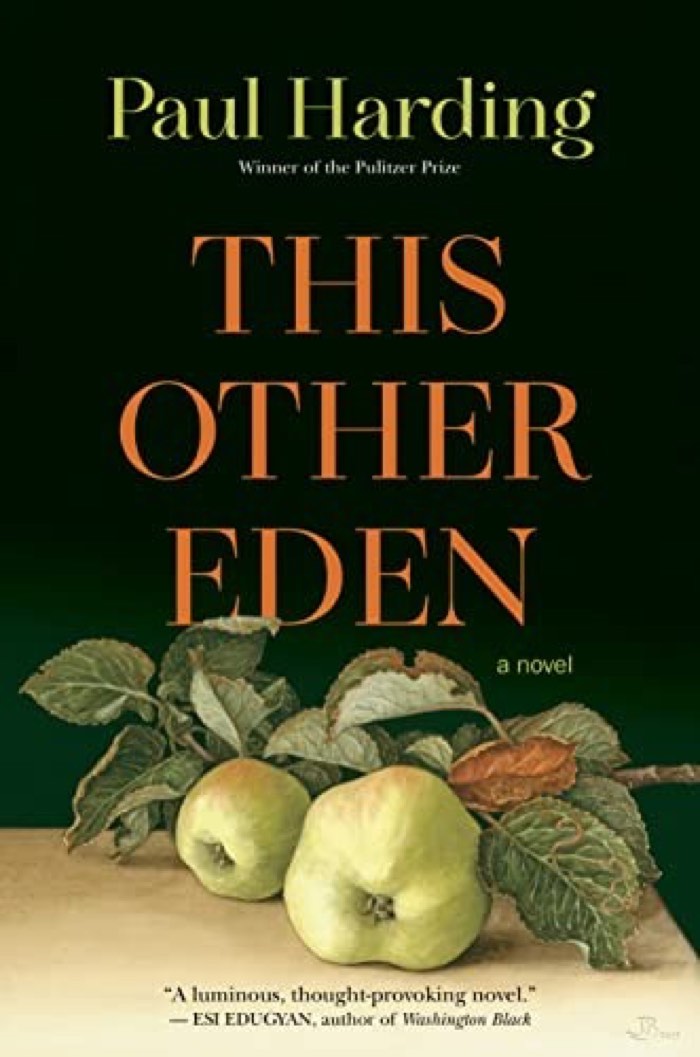
At a time when censorship and oppression of minorities are worsening globally, the longlist offers novels that sensitively depict such realities. Prophet Song envisions a dystopian Ireland stripping away civil liberties, while This Other Eden portrays the injustices faced by an isolated community in 19th century America. A number of works also confront contemporary issues of climate change, class divides and neurodiversity.
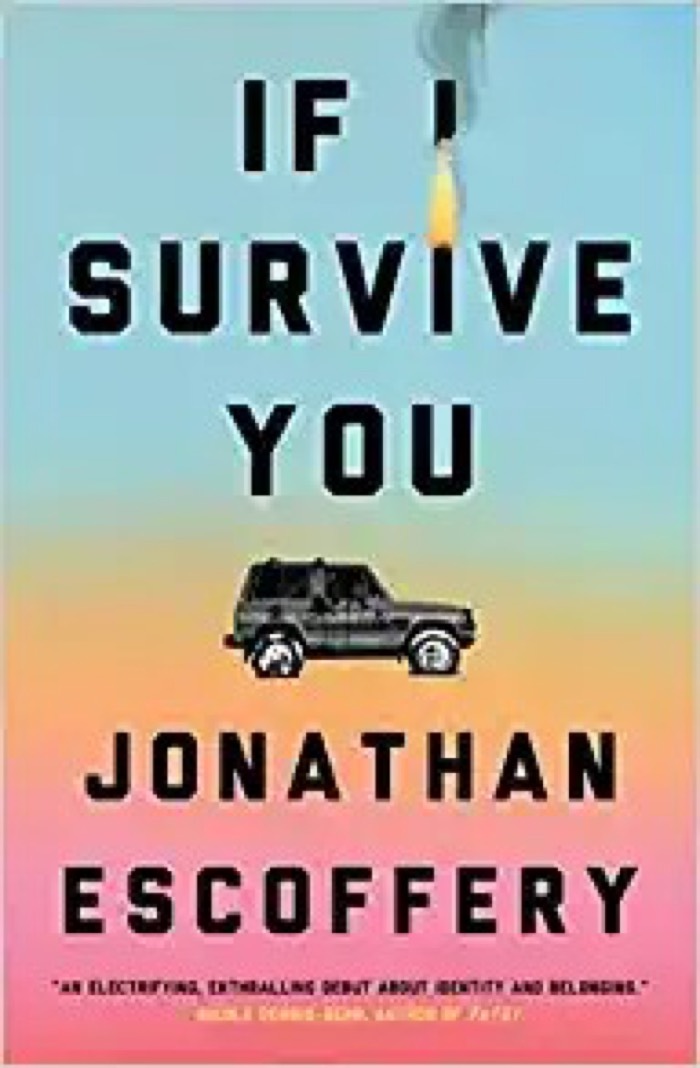
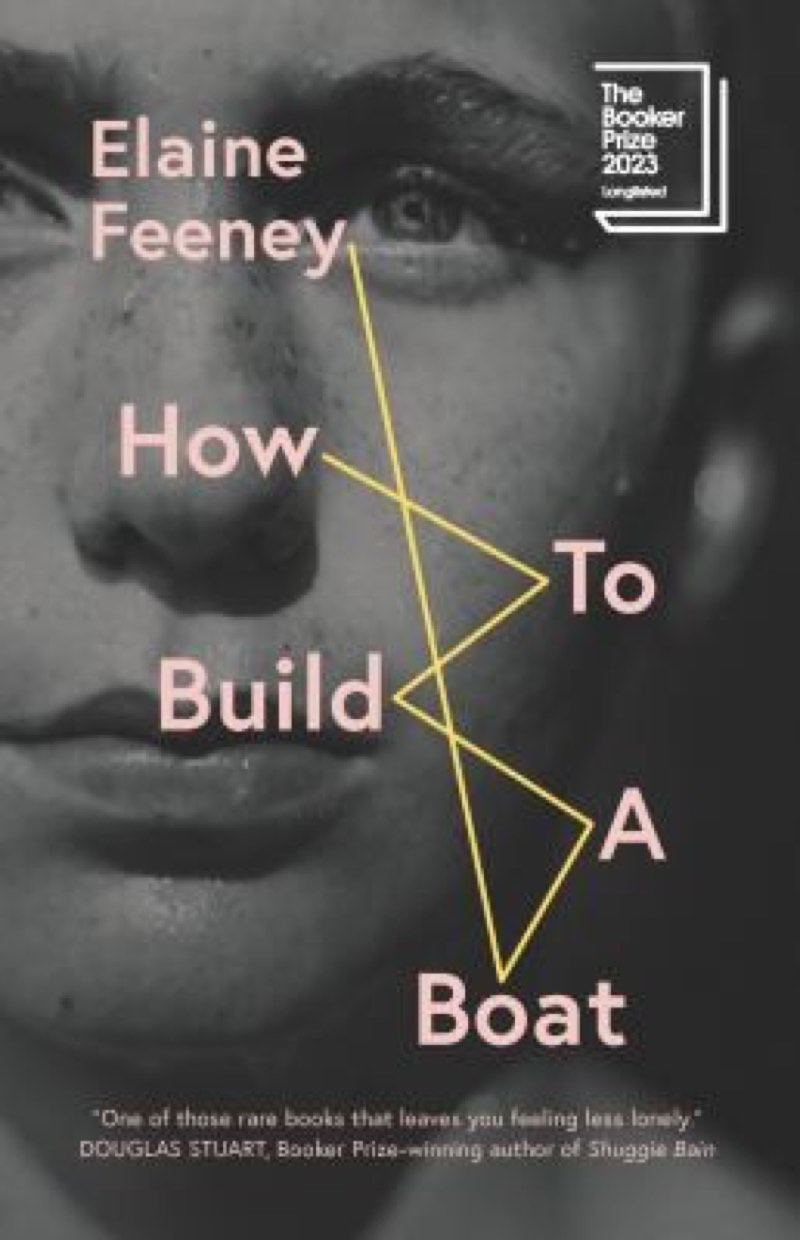
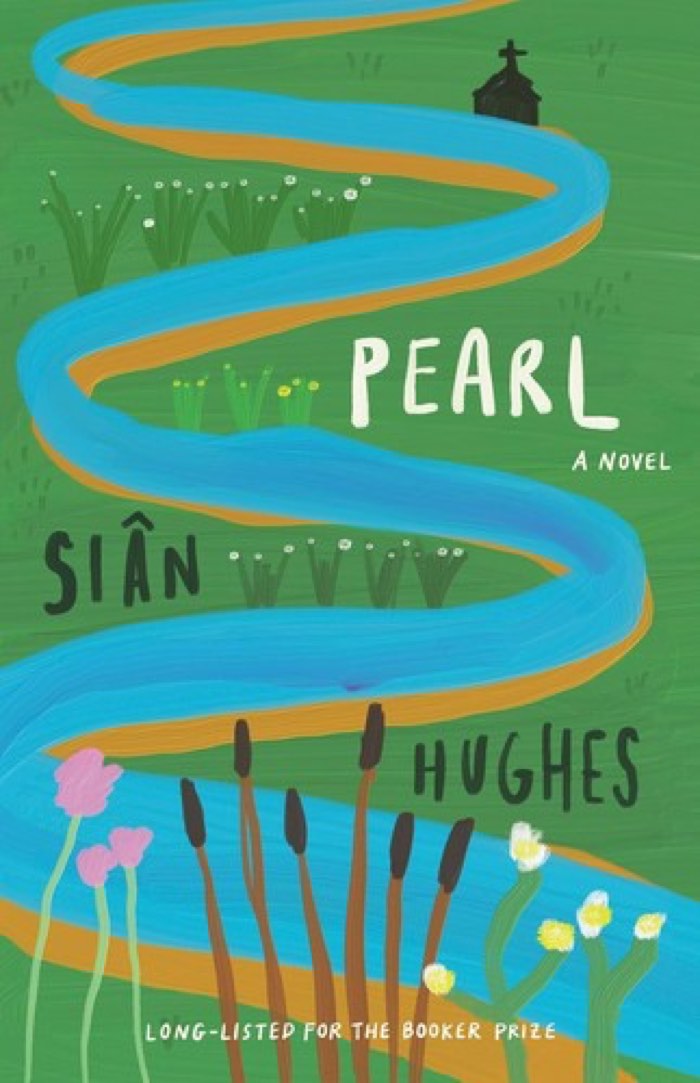
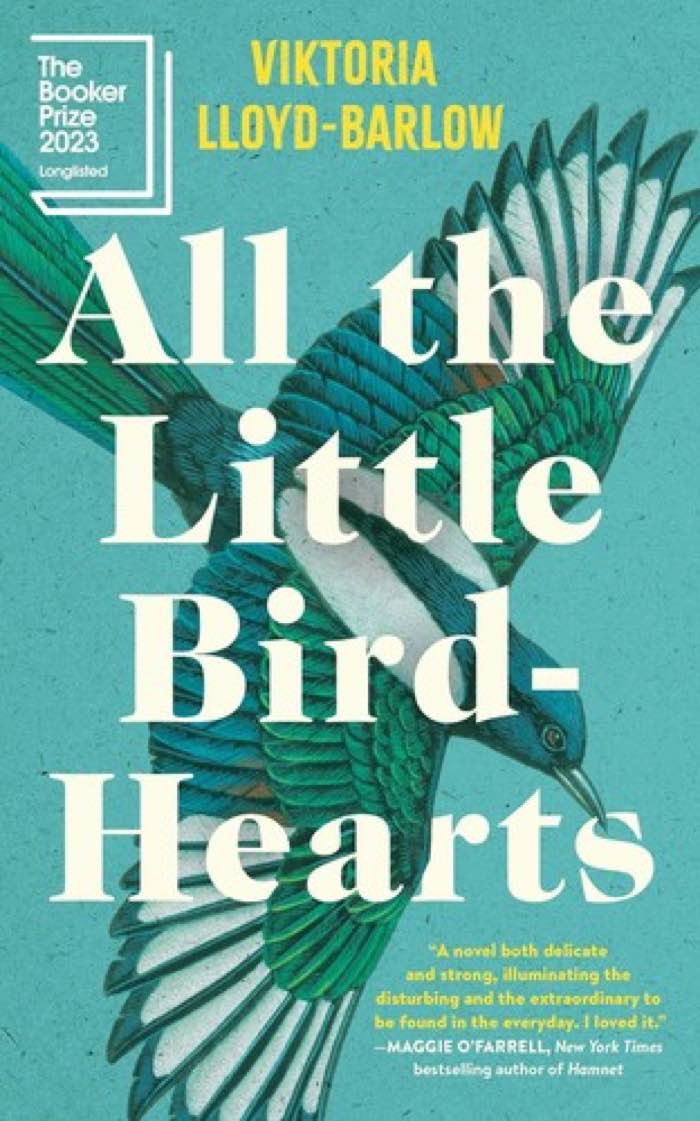
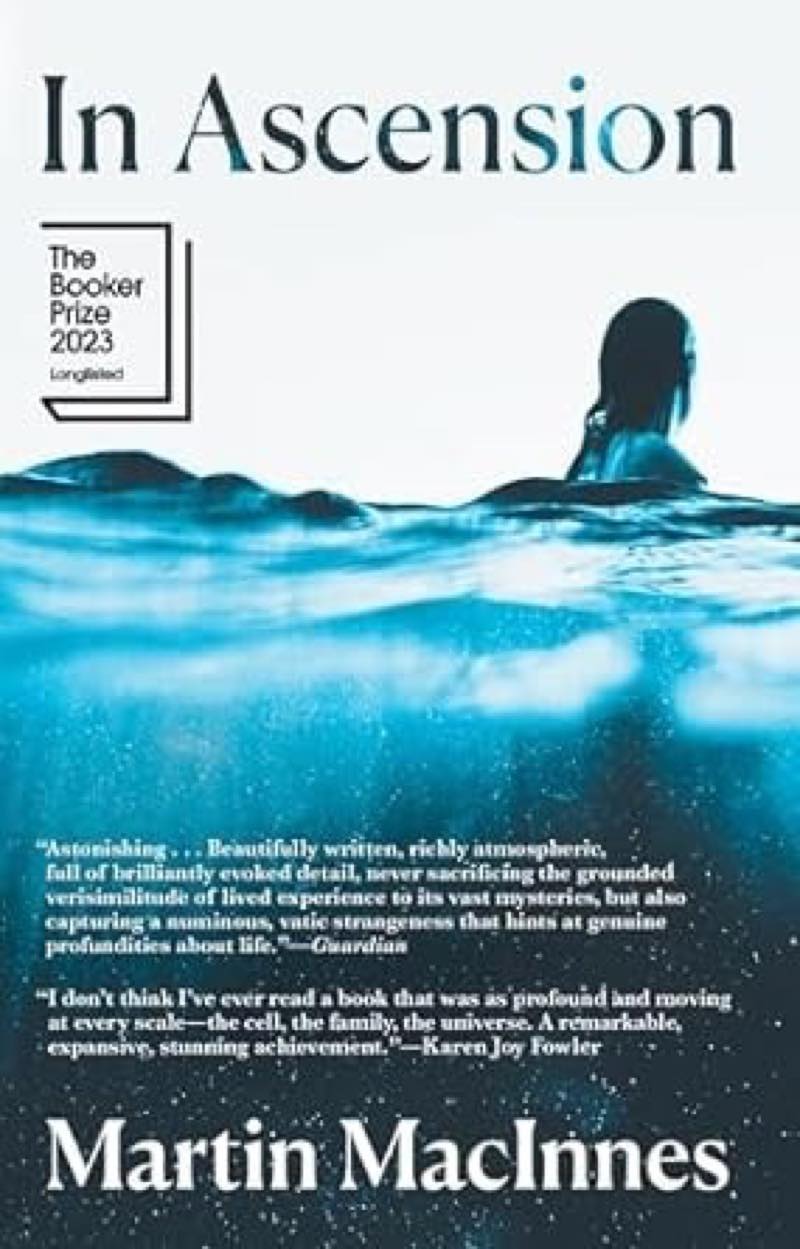
The 2023 judging panel consisting of Esi Edugyan, Adjoa Andoh, Robert Webb, James Shapiro and Mary Jean Chan unanimously approved this selection for its masterful storytelling and insights into the complex human experience. While only one book can ultimately win the £50,000 GBP prize, all thirteen longlisted novels are worthy additions to the esteemed Booker Library that will hopefully find appreciation among readers for years to come. The shortlist of six books will be announced on September 21, culminating with the winner’s ceremony on November 27 in London.
Every time a Booker Prize winner is announced, a symphony of narratives echoes through the ages, weaving together stories of triumph, sorrow, and the indomitable resilience of the human spirit. These remarkable novels, akin to celestial constellations in the vast expanse of literature, urge us to contemplate a timeless query: What does it truly signify to craft a story that reverberates across generations?

 Best Memoirs and Autobiographies by Hollywood Filmmakers
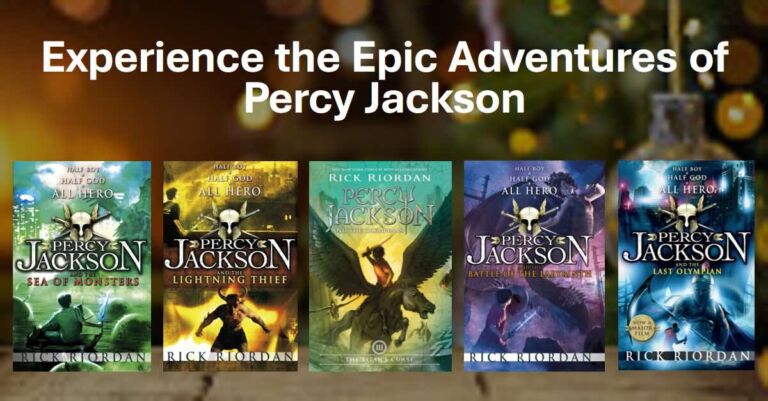 Percy Jackson and the Olympians book Series by Rick Riordan
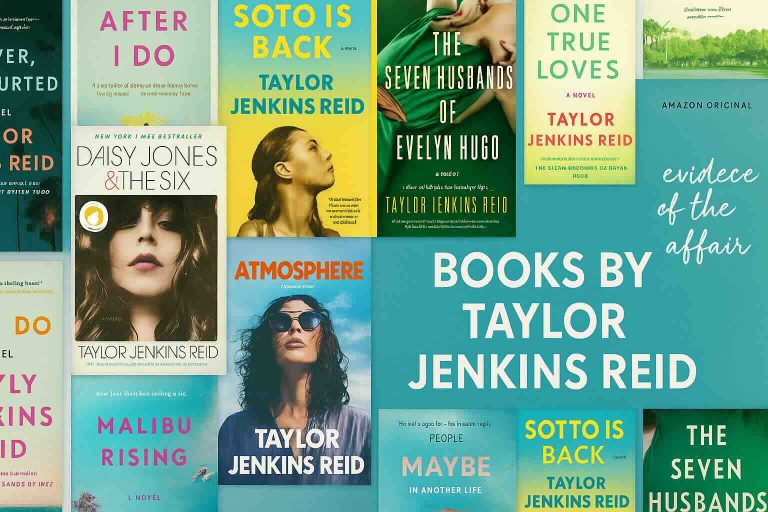 Taylor Jenkins Reid Books: A Journey Through Her Unforgettable Stories