Fantasy represents far more than superficial escapism, as often dismissed from literary circles. Like science fiction, affecting series utilize fantasy elements to wrestle with humanity’s deepest hopes and quandaries from new angles. Remove the window dressing of dragons and evil sorcerers, and the internal struggles remain equally relevant, from Homer to Dostoyevsky to Alice Walker. Perennial themes reinvented in immersive fantasy settings often reveal surprising wisdom or emotional resonance that is clearer than straightforward realism. We see reality from fresh vantage points that J.R.R. Tolkien called “Recovery” – finding things we’ve lost or forgotten about being human. The outsized heroes and villains in epic confrontations really reflect exaggerated aspects of ourselves.
Great fantasy book series confront reality’s thorniest emotional pillars: morality in shades of gray, overcoming inner demons, courage through crisis, struggle against common enemies, strength in fellowship, death’s inevitability and legacy, authoritarian’s corrupting influence, and environmental destruction’s mounting catastrophic impact. These remain defining challenges today.
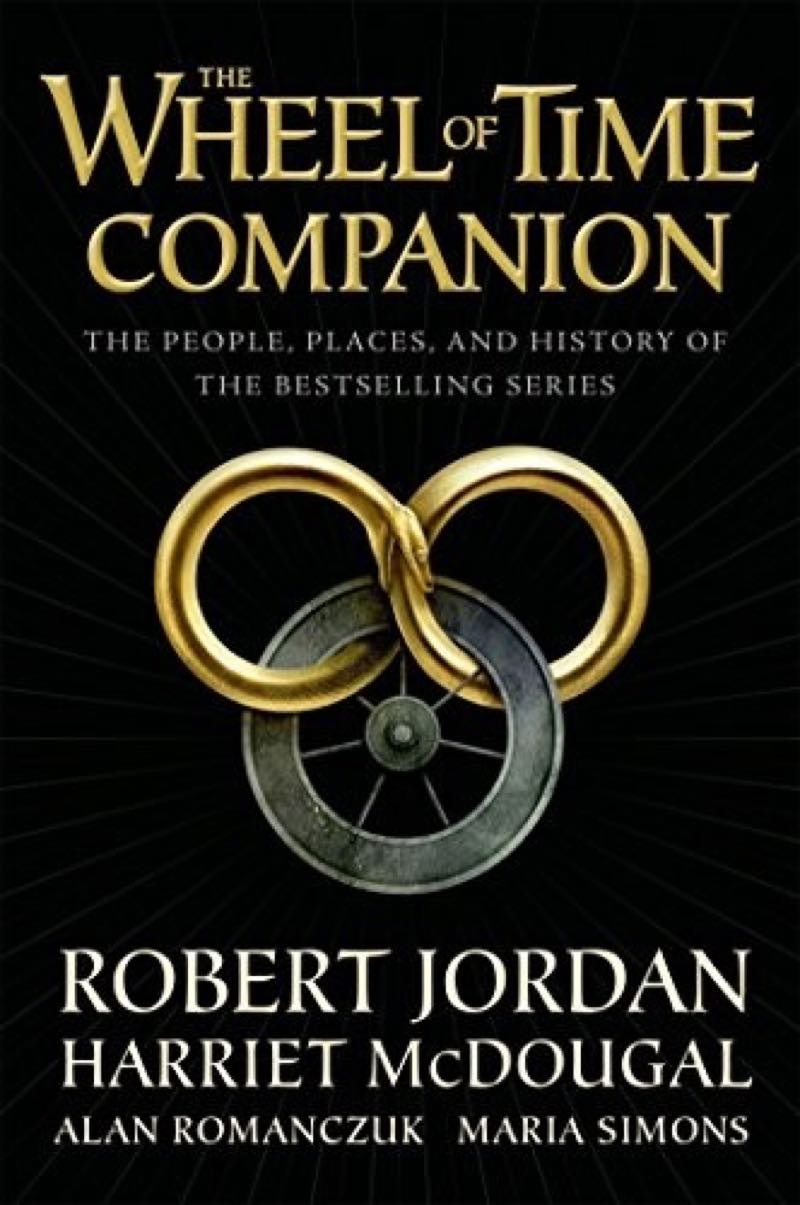
And unlike boundless sci-fi futurology, fantasy worlds stay grounded enough for clear applicability to reader present-day problems. By following flawed characters through crucible journeys, we relate while weighing how their choices apply to our situations. Whether divided factions battling overriding threats yet seeking unlikely unity in Jordan’s Wheel of Time or McKinley’s orphan heroine Alice learning courage, beloved tales spotlight inspiration and warning for navigating unpredictable world events roiling right now in readers’ real lives.
This resonance across generations explains fantasy’s exploding appeal. Despite a seeming preference for gritty games of thrones, idealistic wish fulfillment and belief in overcoming forces of destruction still holds fierce appeal when existential threats seem insurmountable. Escapism builds hope. And hope sustains action against long odds.
Ultimately, beloved series cast a spell on readers by realizing invisible realms where anything becomes possible. As technology expands imagination’s limits driving cultural disruption, these epic tales satisfy profound needs through creative innovation. Fantasy book series at their best leave distinct imprints on fans, moving them with recognition of truth while offering fleeting relief from a broken world…and the promise of recovery. Just when situations seem darkest both in fiction’s shadow wars and reader reality, flickering lights pierce the gloom – whether Gandalf’s staff or symbolism for human resiliency and redemption.

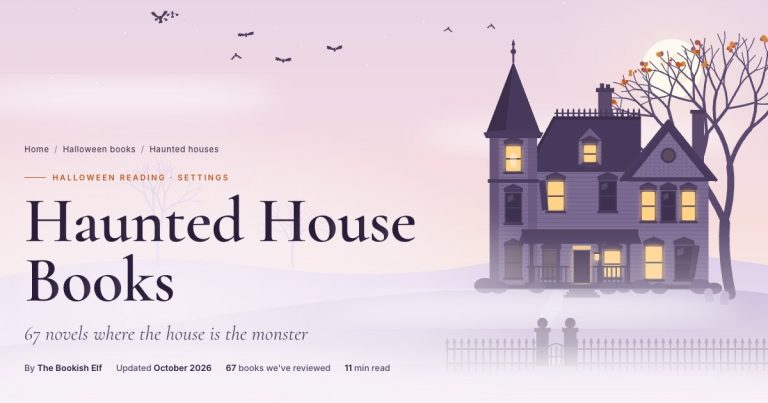 Haunted House Books: 67 Novels Where the House Is the Monster
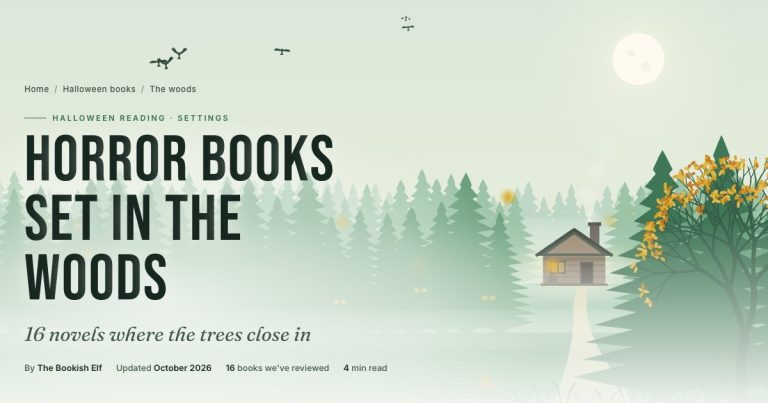 Horror Books Set in the Woods: 16 Novels Where the Trees Close In
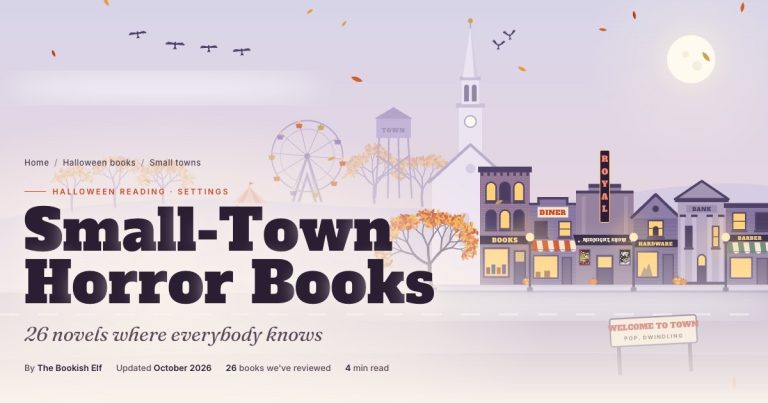 Small-Town Horror Books: 26 Novels Where Everybody Knows