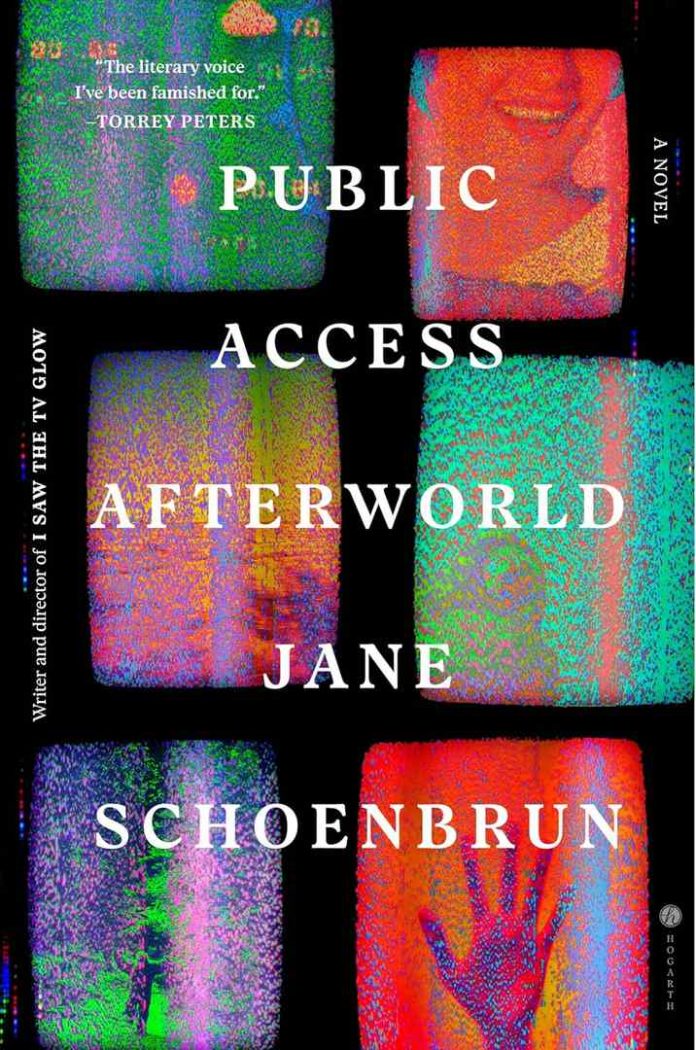




Midnight, 12 June 2009, in a basement in Westchester. Two seventeen-year-olds have propped a camcorder in front of an old Toshiba, counted down like it is New Year’s Eve, and filmed the moment every analog station in America goes dark. One of them uploads the clip and goes home ashamed of a kiss. The other stays up and watches the static, and somewhere after two in the morning it starts to organise itself into a picture. That is the first move in Public Access Afterworld by Jane Schoenbrun, and everything else in its 600 pages grows out of that hiss.
How It Works
The setup is a nesting doll. An unnamed narrator opens with a foreword about a summer spent in a circular juvenile facility run by evangelicals, where a fellow patient told stories after lights-out about a TV show stuck in their head. This book claims to be that show, transcribed from memory, and it is laid out in ten episodes with a midseason break and two postscripts.
Inside the show, there are two main timelines. In 2009, David Sawyer and his best friend Erin Morrison find a phantom channel under the static. Its first broadcast shows a woman at a kitchen sink trying to wash dishes with hands that have turned into kitchen utensils. A stranger online says the channel has been calling to people for decades, and that Erin is one of the special ones it wants. By 2026, David is the internet’s favourite serial killer, the leader of an online cult linked to dozens of disappearances, and Bethany Peters, a twenty-seven-year-old trans woman working nights as a content moderator in Austin, keeps finding his followers in her queue.
The rules arrive gradually: a sickness you catch from screens, figures made of static, a neon video store that appears where it should not. What makes Public Access Afterworld by Jane Schoenbrun addictive is that each episode changes the rules of how the story is told as well as what happens in it.
Public Access Afterworld as a Season of Television
The book’s real argument is that television was never just entertainment. It is a machine that takes something from the people who watch, and the novel’s structure performs that idea instead of just stating it. A Second World War episode plays like a prestige period drama. A Lubbock episode follows a goth kid who works at a crumbling mini-golf course and narrates an epic about golf balls rising up against the customers. Episode eight is written as a wiki-style filmography of a fictional monster franchise, in the second person, from the point of view of a creature who wakes up a little more after every sequel. Episode nine runs on timestamps, cutting between the hours of a single day and the years that led to it.
Schoenbrun, who has spent a career making films about screens and dysphoria, knows that form is meaning here, and in Public Access Afterworld by Jane Schoenbrun the shape of each episode is part of the scare. Bethany is the hero precisely because she is the one person whose job is to watch the worst of the feed, and her slow unravelling is told in the same blank, looping rhythm as the videos.
What works
- Bethany Peters. She is furious, funny, broke and painfully alone, and her relationship with her own reflection is written with real intimacy. The heart of Public Access Afterworld by Jane Schoenbrun is a trans woman trying to stop the screen from deciding who she is.
- The monster’s filmography. Bare sequel titles stand in for decades, and a 1940s movie monster sliding through reboots and straight-to-video decline becomes both satire of franchise culture and something oddly mournful.
- The jokes. A deadpan AV club teacher, a manager who answers a crisis with a corporate script, a stranger who explains cosmic mythology over a plate of disco fries: the comedy is precise and keeps the dread bearable.
- Jules. The kid from the mini-golf course, high and lonely and desperate to be chosen, is the novel’s sharpest portrait of what online belonging can do to a teenager.
Where Public Access Afterworld Gives Ground
- It explains itself out loud. Too much of the mythology is delivered as monologue. The diner scene early on is funny about its own exposition, but later speeches have no such cover, and at this length the lore starts to feel like homework.
- The tone lurches hard. Slapstick sits right beside child abuse, self-harm and mass shootings, sometimes on the same page. That clash is often deliberate, and occasionally it just jars.
- The finale is crowded and open. New mythology keeps arriving right up to the last episode, and the book closes on a cliffhanger. Readers who want a door shut at the end of Public Access Afterworld by Jane Schoenbrun will be frustrated.
Read These Next
If Public Access Afterworld by Jane Schoenbrun leaves you staring at a blank screen:
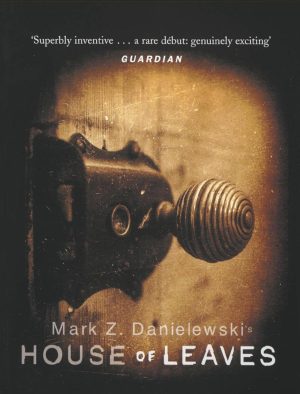
- House of Leaves by Mark Z. Danielewski, the great novel of a story trapped inside its own documents.
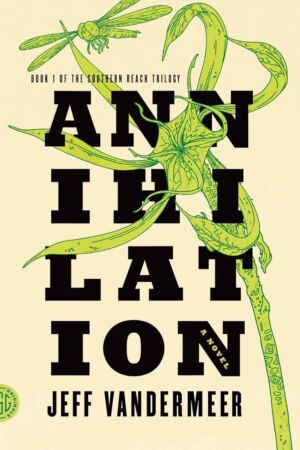
- Annihilation by Jeff VanderMeer, another book where a government project meets something it cannot contain.
- Bunny by Mona Awad, for the same mix of satire, loneliness and a cult that eats its members.
- The Final Girl Support Group by Grady Hendrix, a sharp, funny take on horror franchises and the people they feed on.
For more seasonal reading, browse our list of spooky books for Halloween.
About Jane Schoenbrun and the Show Behind the Book
Jane Schoenbrun is an American filmmaker and this is their first novel, published by Hogarth on 27 October 2026. The book begins on the night of the digital television transition, and readers who know Schoenbrun’s films will recognise the territory at once: screens, online communities and bodies that do not feel like home.
- Their breakout film, We’re All Going to the World’s Fair, premiered at Sundance in 2021 and is built around an online horror challenge.
- I Saw the TV Glow, released by A24 in 2024, follows two teenagers obsessed with a supernatural TV series.
- Teenage Sex and Death at Camp Miasma premiered at Cannes in 2026.
- The story was first pitched as a television series before it became a novel.
- Schoenbrun is now set to write and direct a Netflix series based on Charles Burns’s graphic novel Black Hole.
The Verdict
There is nothing else quite like Public Access Afterworld by Jane Schoenbrun this year. It is ambitious, funny, angry and full of ideas about who gets watched and who gets used up, and Bethany is a heroine readers will carry around for a long time. It is also too long, too fond of explaining itself and unwilling to land, which is why it falls short of the masterpiece it keeps brushing against. Out now. This review was written from an advance copy, and the finished text may differ.
Turn the set off if you like. The static will still be there.
Content notes tap to reveal
Where to read Public Access Afterworld
Amazon lists the current Kindle, print and audiobook editions, and shows whether the ebook is in Kindle Unlimited right now.
To borrow it free, try your library: Libby and OverDrive lend ebooks and audiobooks with a library card, and WorldCat finds print copies near you.
We don’t link to “free PDF” sites. Those copies are pirated and pay the author nothing.