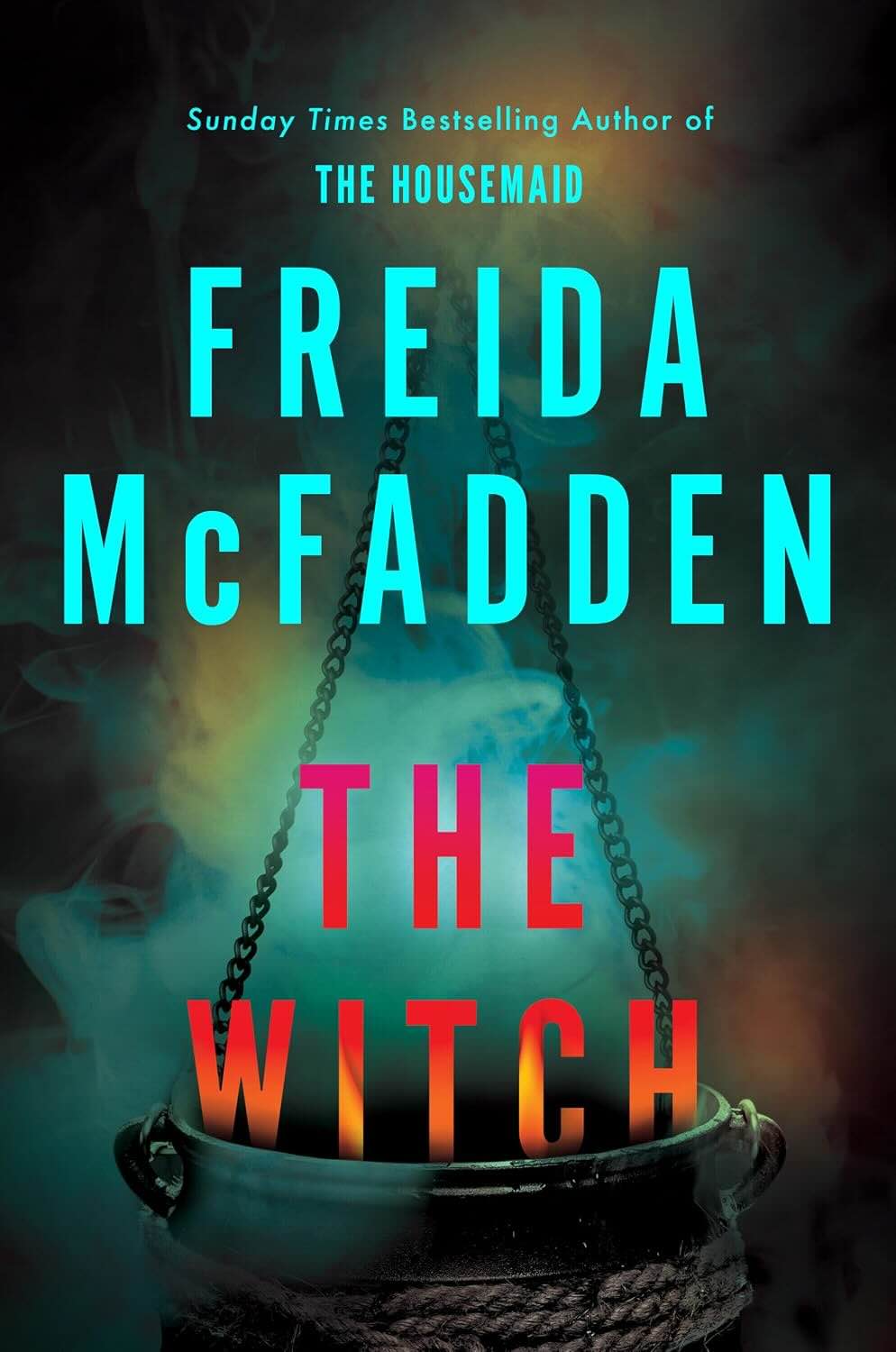
Every night at 3:41 in the morning, the grandfather clock in the parlour at Pemberton stops. A repairman was brought all the way out from town and found nothing wrong with it. The groundskeeper’s wristwatch stops at the same minute. He winds the clock again each morning without comment, the way you would refill a bird feeder. That is the first fact The Witch by Freida McFadden hands you about the house Julia Barlow has just moved into.
The novel then spends four hundred pages making the answer worth waiting for.
How The Witch by Freida McFadden Works
Two narrators, alternating, in chapters mostly three or four pages long.
In the present, Julia is twenty-seven, newly laid off from a nonprofit tutoring job, evicted, and driving to northern Massachusetts to help care for a grandmother whose memory is going. Pemberton was built in 1660 and has been in the family since. It has a bear’s head for a door knocker, an attic reached by alternating-tread stairs that her grandmother once told her were built to stop witches climbing them, and a set of coral-blue combs on a vanity table that nobody is permitted to move. Julia has not stayed here since she was nine, when a woman’s voice whispered a single word in her ear and her hair went white at one temple overnight. Her great-aunt’s advice on the first evening: lock your bedroom door, and whatever happens, do not come out.
In 1692, Caroline Eldridge is twenty, three years married to a wealthy merchant, childless, and lying to him about why. Her only real friend is an old herb-seller named Hitty Atkins whom the town finds odd. A strangler the children call the Night Reaper has killed three young women in Woodhaven. Then Hitty is arrested for witchcraft, and Caroline makes the one decision that guarantees everything that follows.
The braid is the engine. Every time one strand reaches a hinge, the book cuts to the other century. It is engineered to be read in a single sitting, and it succeeds.
Why Freida McFadden’s 1692 Chapters Are the Best Thing Here
If you come to The Witch by Freida McFadden for the haunted house, you may be surprised to find that the historical half is the stronger novel.
The 1692 chapters are unusually precise about how an accusation actually worked, and they dramatise it rather than explaining it. Magistrate Putman accepts spectral evidence, so a neighbour can testify that Caroline waved at her and she subsequently felt pricked all over. The doctor who nearly bled a feverish woman to death takes the stand as an expert on maladies. Caroline is strip-searched in her cell for a witch’s mark, and a scald from a broth pot is entered as one. Then a needle is produced to test whether the mark will bleed, and only Caroline is close enough to see that its tip has been deliberately blunted.
The point arrives without a lecture attached. Once you were accused, there was no procedure available by which you could be found innocent. It is a fair dramatisation of what the Salem trials actually looked like from inside, and the novel is honest that the mechanism was not supernatural at all. It was a town that had decided in advance, and The Witch by Freida McFadden is unsentimental about how ordinary the people doing the deciding are.
What Works
- Hitty Atkins. Wrinkled, half-toothless, brilliant with herbs, wearing a yellow dress in a colour no one else in Woodhaven can achieve, and therefore suspicious. Her hanging is the emotional hinge of the book, and what she says to Caroline from the platform is the sentence the whole novel turns on.
- Two reveals, both properly planted. One reorients the modern strand. The other reorients everything, and it depends on an object the reader has been looking at since chapter four. It is genuine construction, not a cheat, and I did not see it coming.
- The chapter architecture. Short, hard-cut, almost every one ending on a turn. McFadden knows exactly what she is doing to your bedtime.
- The grandmother. Burnt toast retrieved off the kitchen floor and served with pride. A knitting project quietly unravelling in her lap. A haircut that makes her giggle like a girl. It is written with more tenderness than this genre usually bothers with.
Where The Witch by Freida McFadden Gives Ground
Nearly everything that weakens The Witch by Freida McFadden sits in the present-day half.
- The modern haunting is a long con on the reader, and once it is explained, a fair amount of what came before loses its charge on reflection. Several of the effects also require physical agility from characters the book has spent three hundred pages establishing as frail.
- Julia is passive for long stretches. She is told things, shown things and driven places. Her boldest independent act is borrowing a key and reading letters that are not hers.
- The ghost hunter is a bit. Alistair Dixon, certified by an online diploma, arrives with a K2 meter and a malfunctioning alarm pod, and the slapstick sits oddly in a book that is otherwise quite controlled.
- The romance is thin. Henry Ziegler, the museum curator in suspenders who cares more about the door knocker than about Julia, is charming for about two scenes. Their one real conflict is settled in a sentence in the epilogue.
- The 1692 voice wobbles. Verily and ’tis keep company with distinctly modern sentence rhythms.
Read It If
- You want a dual-timeline thriller where the historical half is doing real work rather than decorating.
- You like a house as an antagonist: knockers, attics, stopped clocks, stairs with a folk explanation.
- You read McFadden for the machinery and forgive a lot to get to a good turn.
Skip It If
- You want a proper ghost story with an unambiguous ghost in it.
- Passive protagonists in peril frustrate you more than they worry you.
- Colonial dialogue that is only mostly convincing will pull you out.
Content Notes
An execution by hanging described from the crowd. A woman strangled on the page. A prisoner strip-searched by her jailers and subjected to repeated sexual menace, handled without graphic detail but with real threat. Period medical horror. A shooting. Dementia and elder neglect. McFadden opens the book with a note about her own content-warning list, which is a genuinely useful thing for an author to provide.
Read These Next
Readers who finish The Witch by Freida McFadden usually want one of two things: the same centuries-deep house, or the same reliable twist engine.
- Weyward by Emilia Hart. Three women across four centuries in one house, and the closest cousin to what this book is attempting.
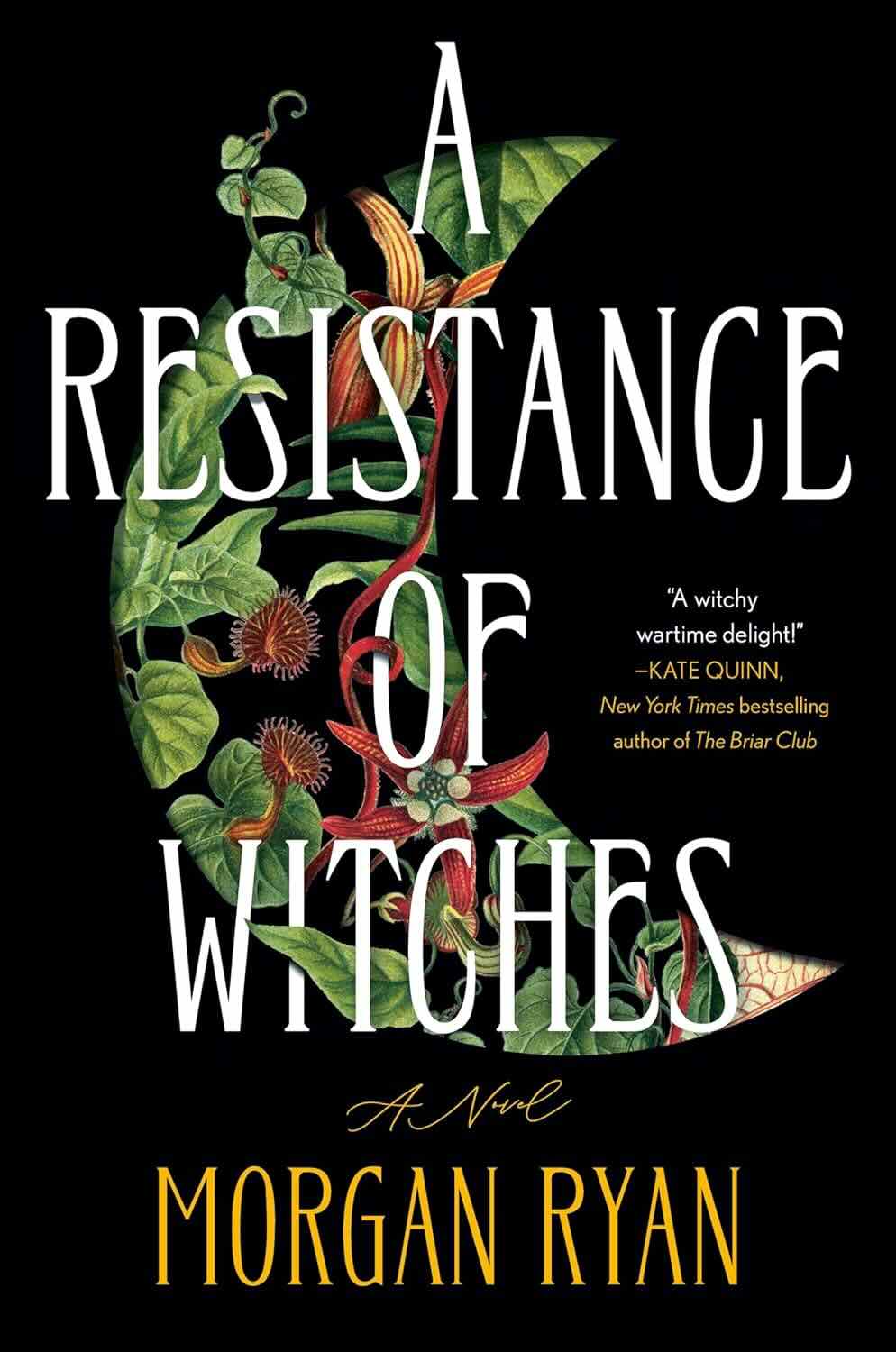
- A Resistance of Witches by Morgan Ryan, for readers who want the accusation taken somewhere stranger.
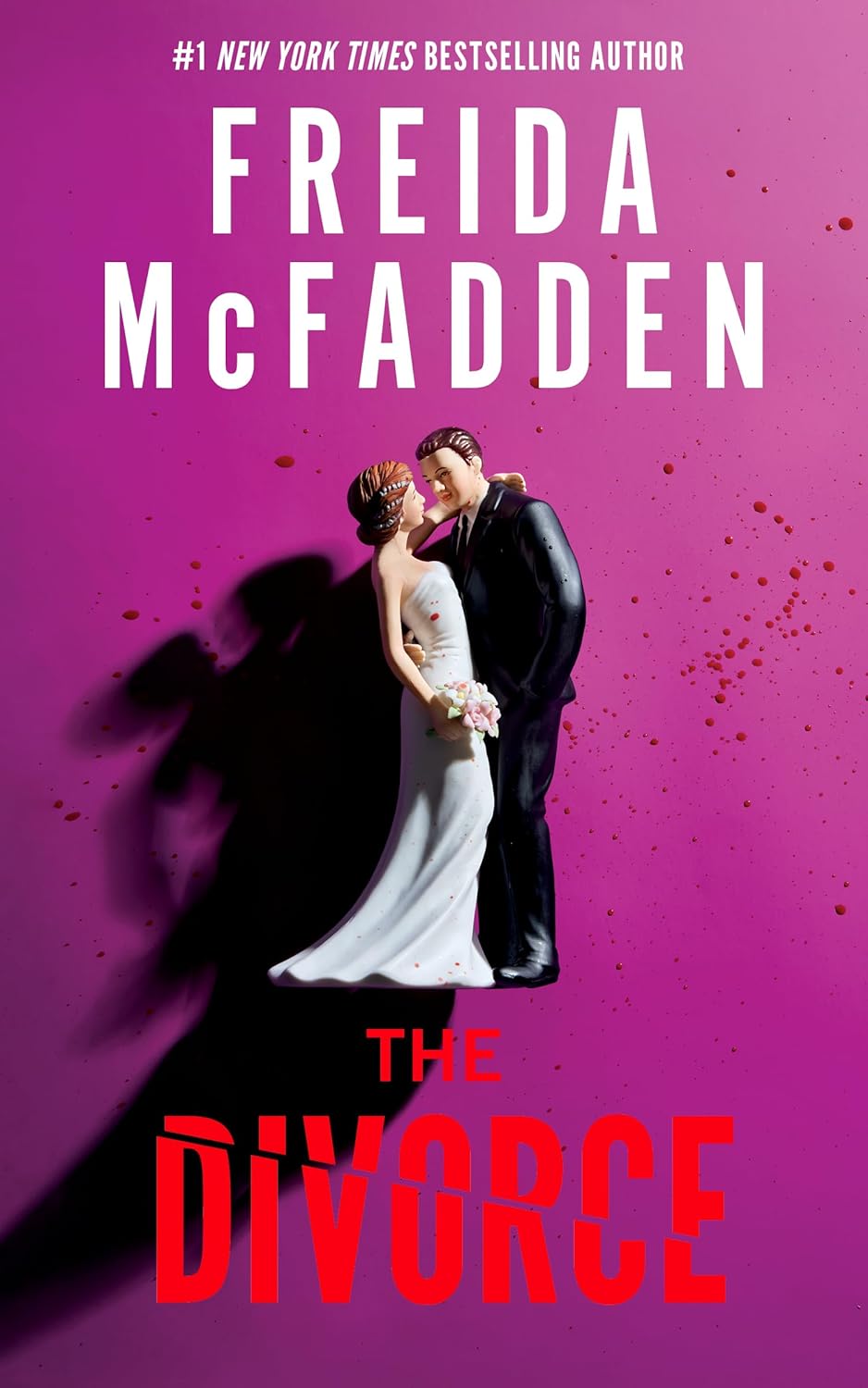
- The Divorce by Freida McFadden, if you are here for the twist engine rather than the history.
- Hour of the Witch by Chris Bohjalian, the serious literary version of the 1692 half, and superb.
- The Housemaid by Freida McFadden, still the best demonstration of what she does with an unreliable house.
The Last Word
There is a version of this novel that is just the seventeenth century: a young woman with no power, one friend, a husband she is lying to, and a town looking for someone to blame. That book would have been very good. What we have instead is that book with a contemporary thriller wrapped around it, and the wrapper is the weaker material by some distance.
But the wrapper is also what makes the ending land. The Witch by Freida McFadden has been quietly arranging a piece of furniture in front of you for four hundred pages, and when it finally tells you what you have been looking at, the whole house rearranges itself. Nobody writing thrillers at this pace has any business being this careful, and every so often, she is.