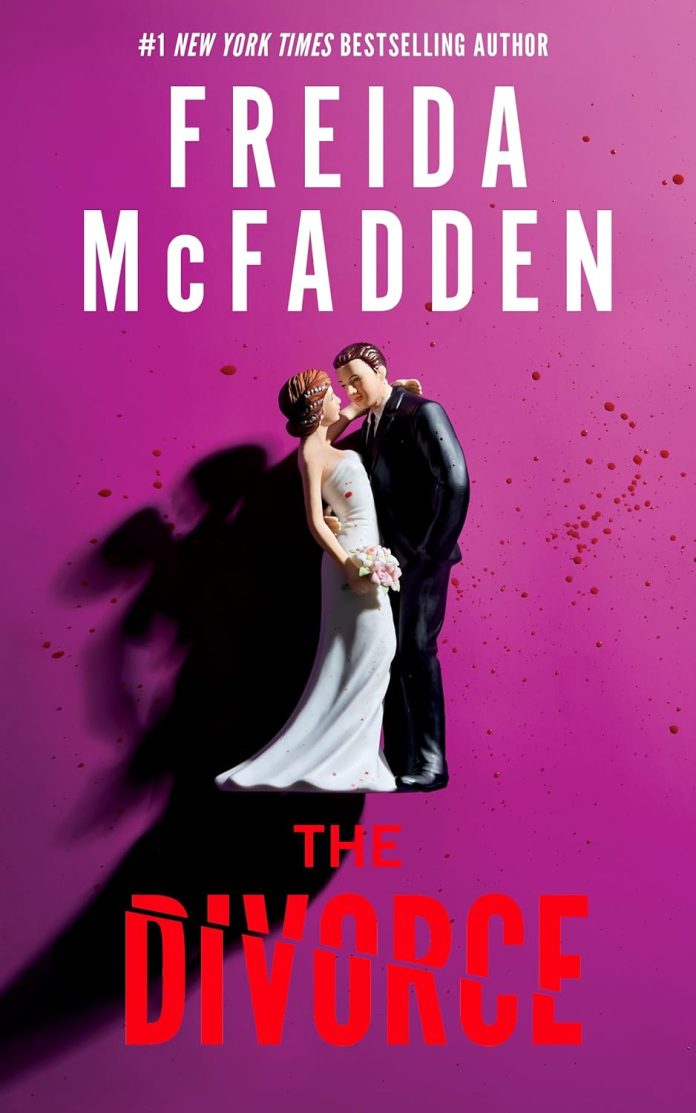
Naomi Roth thought she had the kind of marriage other women secretly envy. Big house on Long Island, a hedge fund husband who still made her knees wobble, a five year old son with a gap toothed grin and a rock collection that doubled the weight of his backpack. Then she came home one afternoon to find the garage door dead, the locks changed, and three matching leather suitcases waiting for her in the foyer. That is the opening hook of The Divorce by Freida McFadden, and it tells you most of what you need to know about the book in your hands. McFadden does not waste a chapter. She also does not waste a smirk.
I went into The Divorce by Freida McFadden expecting the same conversational, gulpable rhythm that made The Housemaid a word-of-mouth phenomenon, and that rhythm is intact. Short chapters. A narrator who chats with you like she is your friend in the school pickup line. A plot that doles out clues at the pace of a runaway shopping cart. If you have read Never Lie, The Inmate, or The Coworker, you already know the contract being offered: pick up the book at seven, finish it before midnight, wonder why your dishes are still in the sink.
A Voice That Knows Exactly Who It Is Talking To
McFadden writes Naomi in a chirpy, slightly insecure register that feels lived in. She owns her crystals (orgone pyramids, amethyst on a silver chain, snowflake obsidian for emotional strength), worries about her eye bags after one bad night of crying, and reaches for kombucha the way other narrators reach for vodka. The result is a voice that signals genre comfort food: light on graphic content, heavy on suburban observation, sprinkled with one liners. McFadden even slips in an author note up front promising no real violence and no graphic sex, a courtesy most thriller readers will appreciate and a few will roll their eyes at.
That same voice is the engine and, depending on the reader, the speed bump. Some of Naomi’s interior monologue circles the same anxieties for stretches that feel longer than needed. The middle act, which has Naomi shadowing the much younger Veronica through grocery stores and parking lots, sometimes mistakes repetition for build up. You will know the feeling if you have read McFadden before. She prefers to lay her clues thickly so the reader feels clever spotting them, and her loyalists love this. Readers who prize tighter pacing may catch themselves skimming.
Three Acts, Three Voices, One Sharp Question
The cleverest structural move in The Divorce by Freida McFadden is the perspective shift roughly midway through. Part one belongs entirely to Naomi. Then McFadden tilts the floor under your feet, and the same events get recolored by a different narrator. By the epilogue, a third voice closes the loop in a way that will either delight you or make you toss the book on the couch with a noise. The question McFadden is really asking is not who is cheating on whom. It is who is allowed to call themselves the wronged party once everyone has lied a little.
A few things to know going in without spoiling anything:
- The blurb’s promise of obsession curdling into something darker is honest. Naomi’s fixation on her replacement does take her somewhere uncomfortable.
- The book plays in the unreliable narrator sandbox, then kicks sand from multiple directions. If you enjoyed the destabilizing tricks in Behind Closed Doors by B. A. Paris or the perspective games in The Wife Upstairs by Freida McFadden herself, you are in familiar waters.
- A wine cellar gets the kind of attention only a thriller author can give it.
Where The Divorce Earns Its Place and Where It Trips
What McFadden does very well here is the small humiliations of being dumped by a powerful spouse. Credit cards declining at a strip mall checkout while a nosy neighbor pretends not to listen. School pickup whispers about the woman everyone has decided to feel sorry for. The slow horror of realizing every decent divorce lawyer in town has been quietly retained against you. These scenes are observed with a precision that surprised me, because the rest of the book is moving at sitcom speed. There is real social texture under the bubble gum.
Where the book strains is in some of its plotting machinery. A few revelations rely on coincidences that require generosity from the reader. A subplot involving a child’s bedtime safe word does heavy lifting in the final act, and not everyone will buy the weight it carries. Veronica, while she adds the emotional core of the novel, reaches for familiar tropes around addiction and class that flatten her in places where she needed to breathe. The supporting cast (the school mom friends, the divorce lawyers, the babysitter) sketch in efficiently but rarely surprise.
A short scorecard for the curious:
- Pacing: fast in the first third, draggy in the middle, hectic in the last quarter.
- Voice: McFadden at her chatty, accessible best.
- Twists: at least three, with at least one you will see coming and at least one you will not.
- Spice level: bone dry by design.
- Reread value: lower than The Housemaid, higher than her quieter standalones.
Who Should Pick This One Up
If you are a McFadden completist, The Divorce by Freida McFadden slots neatly between The Boyfriend and The Teacher in tone, friendlier than The Inmate, less claustrophobic than the Housemaid trilogy. New readers can absolutely start here. The book stands alone and gives you a representative dose of what she does.
For comparable reads while you wait for her next one, consider:
- The Couple Next Door by Shari Lapena, for similar suburban paranoia and a domestic puzzle box.
- The Wife Between Us by Greer Hendricks and Sarah Pekkanen, for a related second wife versus first wife structure with a slicker prose finish.
- The Push by Ashley Audrain, for darker, literary cousin energy on motherhood and unreliable memory.
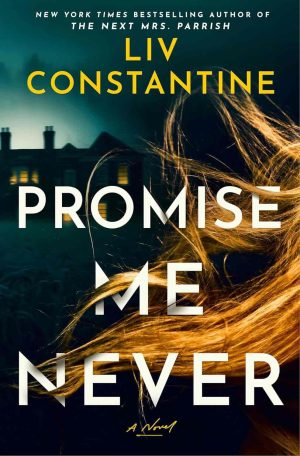
- The Last Mrs. Parrish by Liv Constantine, if you want the same upmarket suburban setting with more bite.
Final Word
The Divorce by Freida McFadden is exactly the book its cover promises. A Tuesday night thriller served warm, with a wink. It will not change how you think about marriage, but it might keep you reading past your bedtime, and it will absolutely give you something to message your group chat about at chapter forty. McFadden remains one of the most reliably entertaining commercial thriller writers working in the field, and even at her less surprising, she is hard to put down.
You might also like: McFadden went somewhere stranger later the same year with The Witch, which folds a historical accusation of witchcraft into the domestic-thriller machinery she usually runs on its own.