The German Student Union (the DSt) conducted a campaign, called The Nazi Book Burnings, to ceremonially burn books in Nazi Germany and Austria in the 1930s. The books viewed as being subversive or representing the ideologies opposed to Nazism were targeted for The Nazi Book Burnings. It included books written by Jewish, classical liberal, socialist, anarchist, religious, pacifist and communist authors. Karl Marx and Karl Kautsky’s books were among the first to be burned.
On 6th May 1933, the German Student Union organised an attack on Magnus Hirschfeld’s Institute of Sex Research. The library and archives including about 20,000 books and journals were hauled out publicly.
On 10th May 1933, in the square at the State Opera, Berlin, the students burned more than 25,000 volumes of ‘un-German’ books. In many other university towns, nationalist students conducted torch lit parades against the un-German spirit. Students threw the banned books into the bonfires at the meeting places with great joyous ceremony.
Following are few of the most popular and important literary works that were burned in the course of The Nazi Book Burnings during second world war with tremendous scorn and despise.
0/9
How many have you read?Tick “I’ve read it” on each book. Saved in your browser, no account needed.
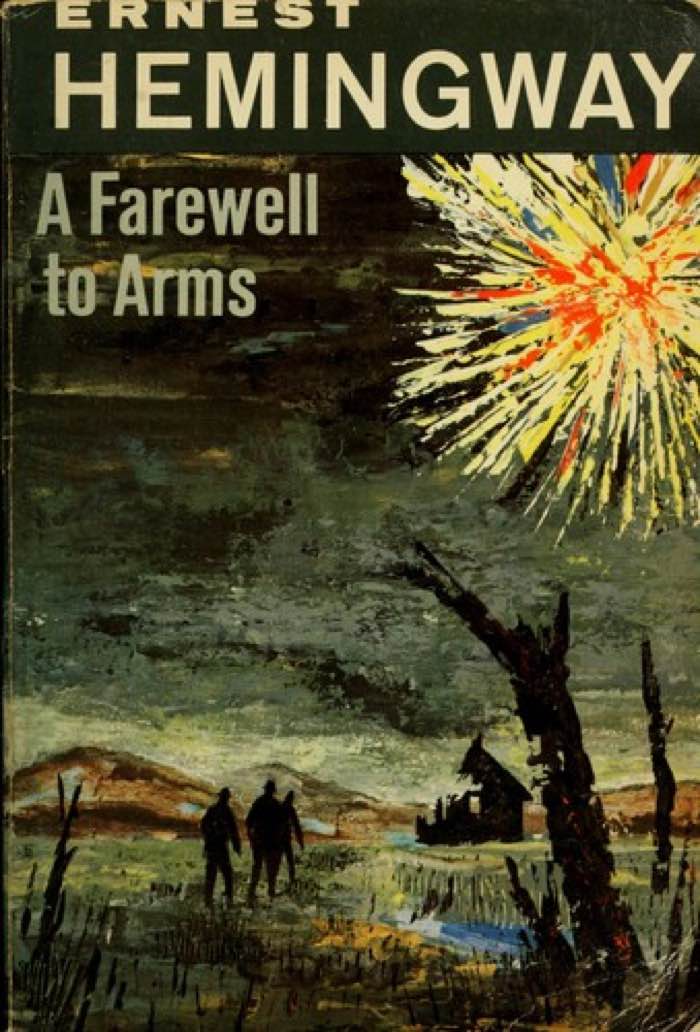
The book was set against the backdrop of WWI. The story is about a love affair between an American expatriate Frederic Henry and an English nurse Catherine Barkley. The book was based on Hemingway’s own experiences in the Italian campaigns during WWI and it is considered one of the best literary works depicting the war.
02
How I Became a SocialistHelen Keller
How I Became a Socialist
by Helen Keller
Despite of her inability to see, hear or speak, Helen Keller became an author and a prominent voice in education. She has been an inspiring figure for a lot of reasons. Hellen Keller was a member of the Socialist Party and became leading humanitarian of 20th century. She was also a co-founder of the American Civil Liberties Union (ACLU). Her book ‘How I Became a Socialist’ is a radical essay about her thoughts and ideologies. It appeared in the New York Call, a daily newspaper of the Socialist Party on 3rd November 1912.
03
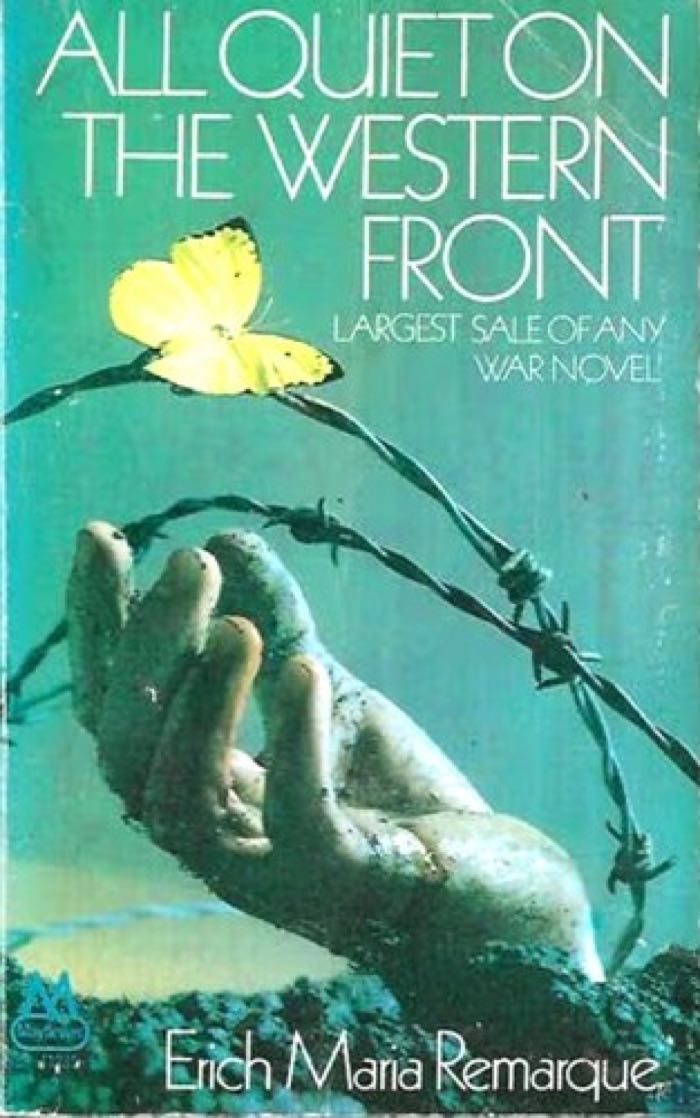
All Quiet on the Western Front
by Erich Maria Remarque
All Quiet on the Western Front was originally written in German and the Author Erich Maria Remarque was a German veteran of WWI. The book depicts how German soldiers were physically and mentally stressed during the war. Soldiers were also detached from the civilian life and it haunted many of those soldiers for a long time. That’s the obvious reason why the book was not well received by the Nazi government and burned during The Nazi Book Burnings.
04
The Time Machine
by H.G. Wells
It’s a science fiction novella which popularized the concept of time travel. Using a vehicle protagonist travel forwards or backwards in time, purposely and selectively. The book was narrated as a time traveler’s first-hand account of his journey beyond his own era.
05
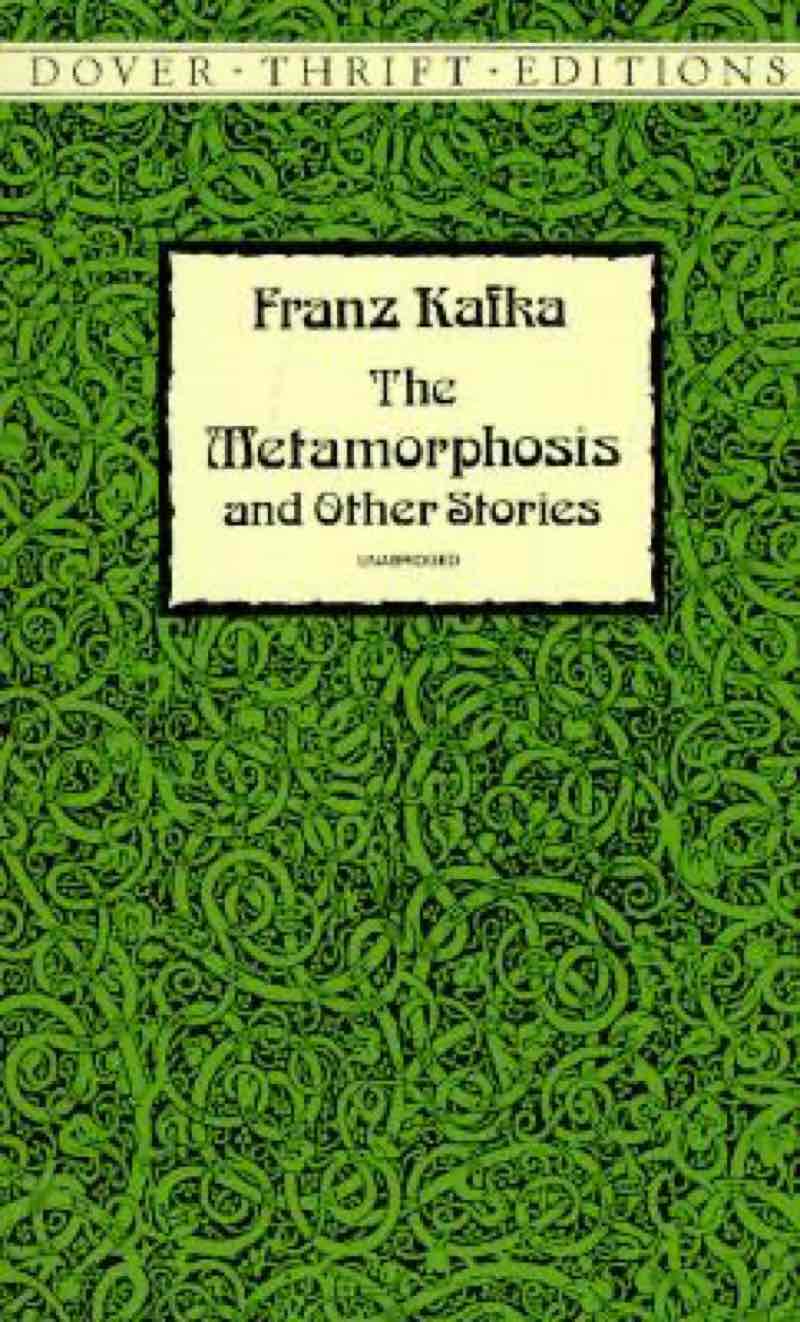
The Metamorphosis
by Franz Kafka
The Metamorphosis is one of the best-known works of Franz Kafka. It’s a short novel which follows salesman Gregor Samsa. One morning, he woke up and startled when he found himself transformed into a huge insect therefore he was struggling to adjust to this new condition. The book was well-received and criticized with differing interpretations.
06
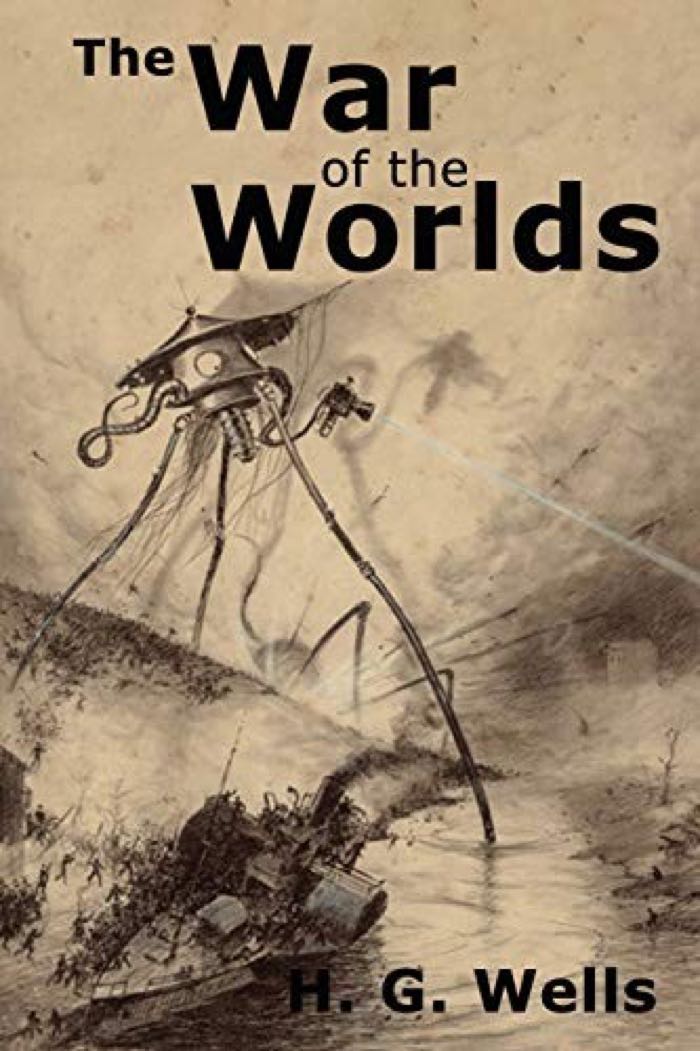
War of the Worlds
by H.G. Wells
Another sci-fi that was burned by Nazis during that period was ‘War Of The Worlds’ by H G Wells. It is one of the first stories in literature which details the conflict between human and extra-terrestrial species. The story is narrated in first-person perspective of two characters – one is an unnamed character from Surrey and another is his younger brother living in London. The scientist Robert H Goddard, who invented liquid-fuelled and multi-stage rocket, was influenced by this work of H G Wells.
Another classic science-fiction book by H G Wells, An Invisible Man, was also burned during The Nazi Book Burnings. This entertaining and nerve-wracking book represents a piercing look into the human nature.
After ‘A Farewell to Arms’, this is Hemingway’s another book which was burned by Nazis. The story is about a group of expatriates from America and Britain. They visit the Festival of San Fermin in Pamplona to watch the running of the bulls and bullfights. The book represents a touching look at the disillusionment and deep anxiety of the post-WWI generation.
08
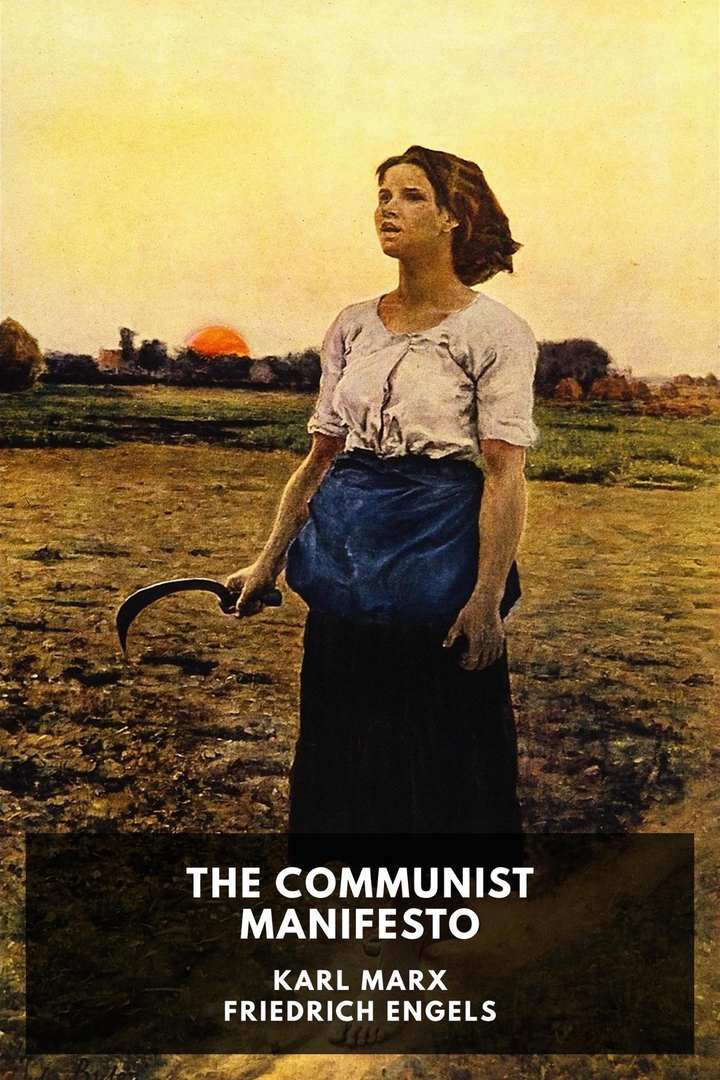
The Communist Manifesto
by Karl Marx and Friedrich Engels
German philosophers wrote this political pamphlet, The Communist Manifest, representing their ideas of Communism. It’s one of the most important political theories ever constructed and they envisioned a classless or stateless society. Furthermore, They proclaimed that the exploitation of workers will eventually lead to a revolution which will overthrow the Capitalism.
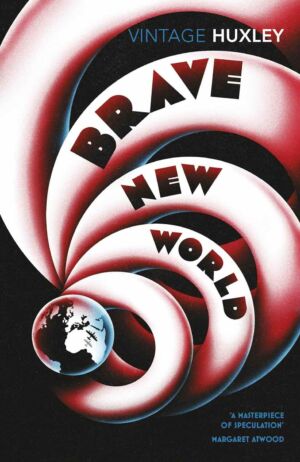
The chilling realities of a technological utopia turned dystopia
This dystopian classic is set in a futuristic world of an intelligence-based social hierarchy and genetically modified citizens. The book delves into huge scientific progressions in reproductive technology, sleep-learning and psychological manipulation.
The other famous books were Ulysses by James Joyce, War and Peace by Leo Tolstoy, Lolita by Vladimir Nabokov and Mother by Maxim Gorky which were burned during The Nazi Book Burnings.
To provide the best experiences, we use technologies like cookies to store and/or access device information. Consenting to these technologies will allow us to process data such as browsing behavior or unique IDs on this site. Not consenting or withdrawing consent, may adversely affect certain features and functions.
Functional
Always active
The technical storage or access is strictly necessary for the legitimate purpose of enabling the use of a specific service explicitly requested by the subscriber or user, or for the sole purpose of carrying out the transmission of a communication over an electronic communications network.
Preferences
The technical storage or access is necessary for the legitimate purpose of storing preferences that are not requested by the subscriber or user.
Statistics
The technical storage or access that is used exclusively for statistical purposes.The technical storage or access that is used exclusively for anonymous statistical purposes. Without a subpoena, voluntary compliance on the part of your Internet Service Provider, or additional records from a third party, information stored or retrieved for this purpose alone cannot usually be used to identify you.
Marketing
The technical storage or access is required to create user profiles to send advertising, or to track the user on a website or across several websites for similar marketing purposes.
 Booker Prize 2026 Predictions: Who Will Win, and Which Novel Deserves To?
 The Complete List of The Booker Prize Winner Books
 The Booker Prize 2026 Shortlist: All Six Books Explained
Interesting.
really makes you think
Such a pity that these great books were destroyed.
Interesting article but it couldn’t be Lolita, could it? It was published in 1955…