The Most Challenging Books to Read (And How to Finish Them)
The most challenging books ever written, from Finnegans Wake to Infinite Jest: why each is hard, how long it takes and tips for reaching the last page.
19 books3 reviewed by us
A
adminUpdated 22 Oct 2026 · 10 min read
The most challenging books are not hard in the same way. Some are just long. Some hide their plot, some make up their own language, and a few were never finished by their authors at all. This list covers nineteen of the most demanding books in English or in translation. For each one you get what makes it hard, how long it is likely to take, one practical tip for reaching the last page and a note on who should try it.
Reading times for these most challenging books are our estimates at a steady, careful pace. Dense pages take longer than their word count suggests, so treat them as a floor.
How many have you read?Tick “I’ve read it” on each book. Saved in your browser, no account needed.
The Most Challenging Books at a Glance
Book
Pages (edition)
Main hurdle
Finnegans Wake
628
Invented language
Being and Time
589 (Macquarrie and Robinson)
Philosophical vocabulary
Ulysses
732 (first edition)
Shifting styles, allusions
Gravity’s Rainbow
760 (first edition)
Huge cast, no centre
Nightwood
180
Dense, poetic prose
The Sound and the Fury
326 (first edition)
Broken chronology
In Search of Lost Time
4,215 (seven volumes)
Length, long sentences
Infinite Jest
1,079
388 endnotes
House of Leaves
709 (paperback)
Layout and footnotes
Blood Meridian
337 (first edition)
Violence, archaic diction
War and Peace
1,225 (first edition)
Length, cast size
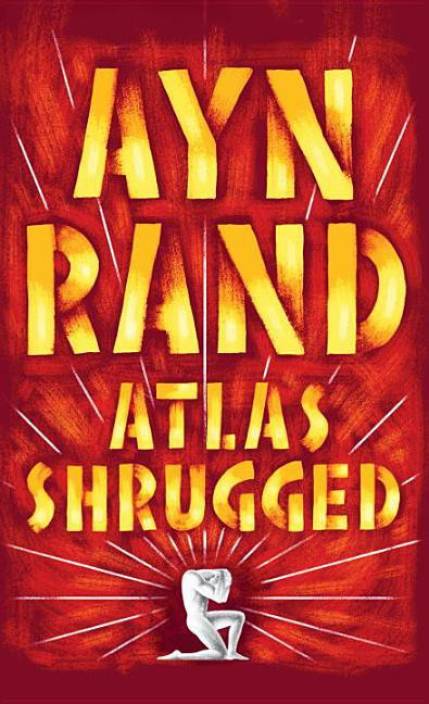
Atlas Shrugged
1,168 (first edition)
Length, a 60-page speech
01
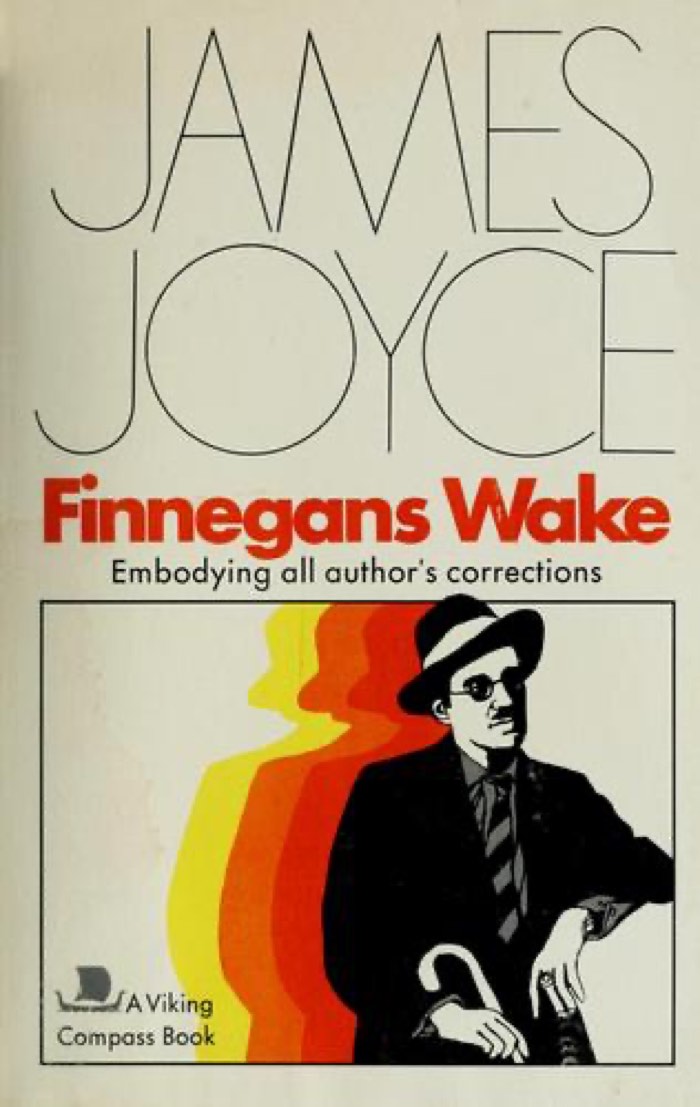
Finnegans Wake
by James Joyce · 1939
Why it’s hard: Joyce spent seventeen years building a language out of puns in dozens of tongues. The book opens mid-sentence with “riverrun” and its last sentence runs back into its first, so there is no real beginning or end. It tops almost every list of the most challenging books for good reason.
Time: 40 hours or more. Many readers take months.
Tip: Read it aloud. It makes more sense heard than seen, and Joyce’s own 1929 recording of the “Anna Livia Plurabelle” passage shows how. Keep Campbell and Robinson’s A Skeleton Key to Finnegans Wake nearby.
Try it if: you have finished Ulysses and want to know where Joyce went next.
02
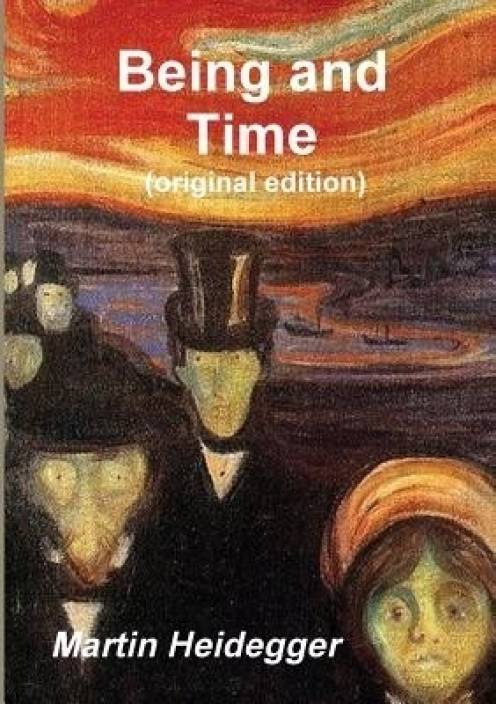
Being and Time
by Martin Heidegger · 1927
Why it’s hard: Heidegger coins his own terms, Dasein above all, and uses ordinary words in new senses. The book is also unfinished: he published only the first two divisions of a much larger plan.
Time: 40 hours plus, and most people reread.
Tip: Read it beside a guide. Hubert Dreyfus’s Being-in-the-World walks through Division I paragraph by paragraph.
Try it if: you want the source behind half of twentieth-century philosophy and are happy to study rather than read.
03
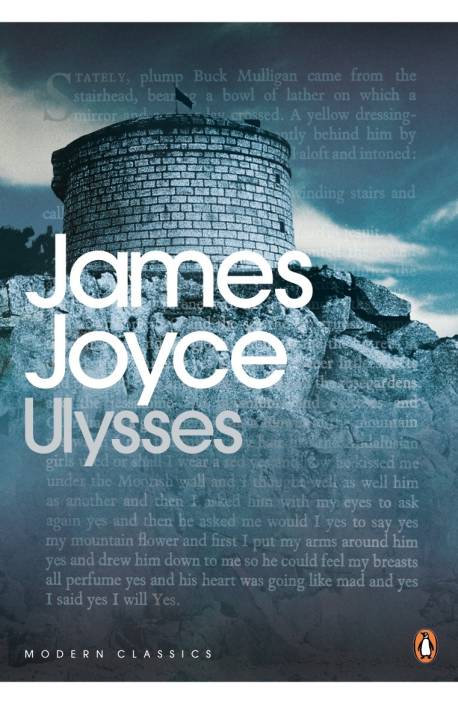
Ulysses
by James Joyce · 1922
Why it’s hard: One day in Dublin, 16 June 1904, told in eighteen episodes that each change style: newspaper headlines, a play script, a question-and-answer catechism, a near-unpunctuated monologue. The vocabulary runs to about 30,000 different words.
Time: 30 to 40 hours.
Tip: Read a short summary of each episode before you start it, and keep Don Gifford’s Ulysses Annotated for the allusions.
Try it if: you like comic novels. Under the experiments, it is a very funny book.
04
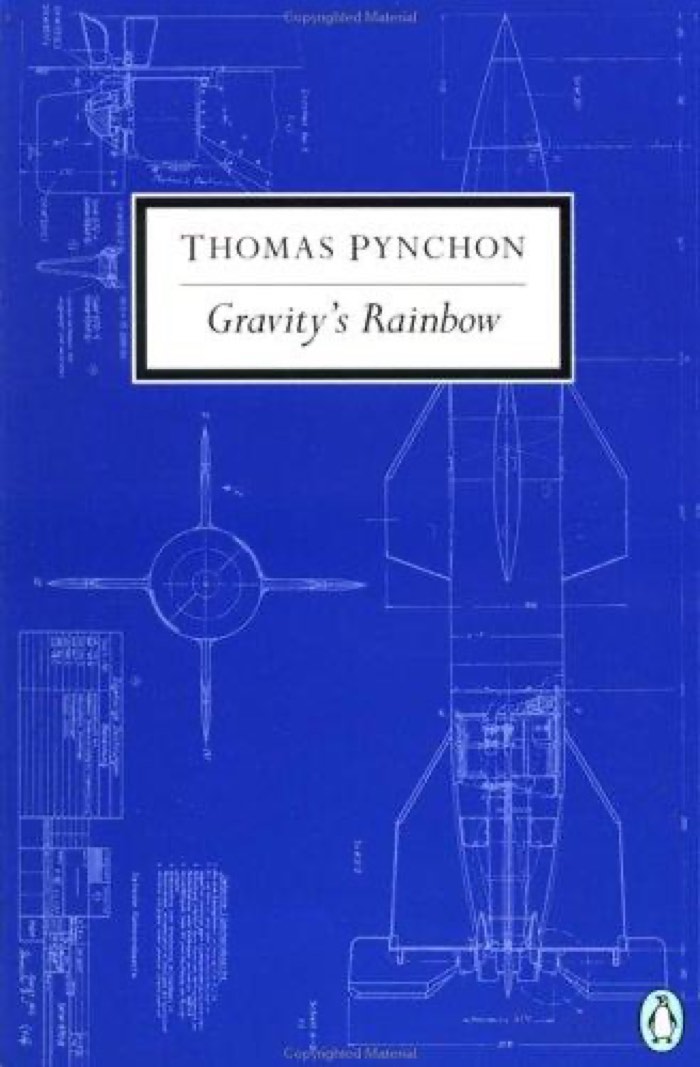
Gravity’s Rainbow
by Thomas Pynchon · 1973
Why it’s hard: A V-2 rocket story set at the end of the Second World War, with hundreds of named characters, sudden songs, rocket science and long paranoid digressions. In 1974 the Pulitzer fiction jury chose it and the advisory board refused, calling it unreadable among other things, so no fiction prize was given that year.
Time: 30 to 40 hours.
Tip: Accept confusion on a first pass and keep moving. Steven Weisenburger’s A Gravity’s Rainbow Companion explains the references page by page.
Try it if: you enjoy conspiracy, slapstick and big ideas in the same paragraph.
05
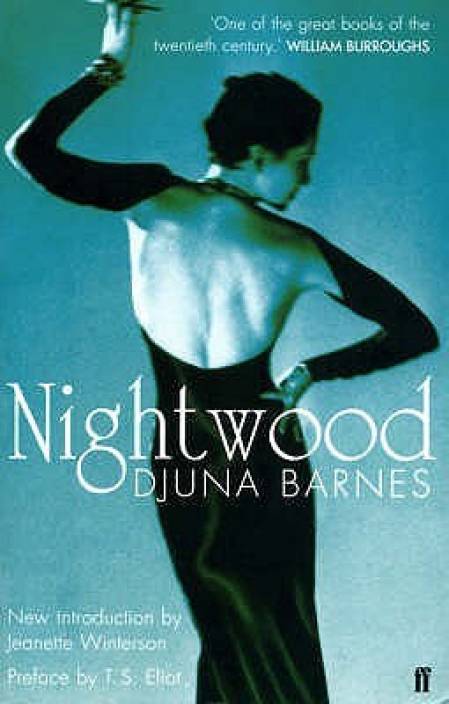
Nightwood
by Djuna Barnes · 1936
Why it’s hard: Only 180 pages, but almost every sentence is a knot of imagery. Much of it is given over to the extravagant monologues of Dr Matthew O’Connor. T.S. Eliot, who wrote the introduction, warned that readers trained on poetry would get the most from it.
Time: 5 to 7 hours, plus a reread.
Tip: Read it the way you would read poetry: slowly, a chapter at a sitting.
Try it if: you want an early, frank portrait of queer love in Europe and New York between the wars.
Why it’s hard: The first section is narrated by Benjy Compson, a man with a cognitive disability for whom past and present are the same. Time jumps without warning, often marked only by italics. Faulkner wanted the section printed in different coloured inks, and the Folio Society finally did it in 2012.
Time: 10 to 12 hours.
Tip: Push through Benjy, finish the book, then reread the first section. It opens up completely the second time.
Try it if: you want a short novel that rewards a second reading more than almost any other.
07
In Search of Lost TimeMarcel Proust (1913 to 1927)
In Search of Lost Time
by Marcel Proust (1913 to 1927)
Why it’s hard: Seven volumes and about 1.27 million words, which makes it the longest novel by most counts. The sentences can run for a page, and whole chapters pass at a dinner party. Of all the most challenging books here, it asks for the most time.
Time: Over 100 hours. Most readers take a year.
Tip: Commit to the first volume, Swann’s Way, and decide from there. Lydia Davis’s translation of it is the easiest way in.
Try it if: you have a long holiday, or a long commute, and like books about memory and jealousy.
08
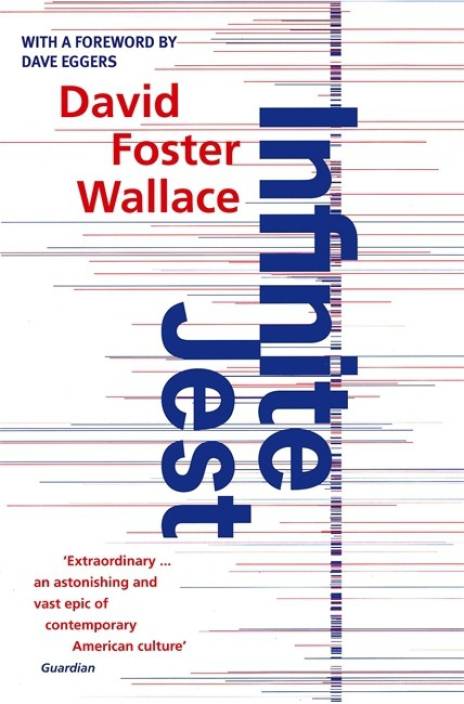
Infinite Jest
by David Foster Wallace · 1996
Why it’s hard: 1,079 pages with 388 endnotes, some of which have footnotes of their own. The story jumps between a tennis academy, a recovery house and Québécois separatists, and the chronology only settles once you decode the corporate-sponsored names of the years.
Time: 40 to 50 hours.
Tip: Use two bookmarks, one for the text and one for the endnotes, and read every note. The plot hides in them.
Try it if: addiction, entertainment and loneliness are subjects you want to sit with for a long time.
Why it’s hard: A family finds their house is bigger inside than out. That story comes to you as an academic study of a film that may not exist, annotated by a tattoo-parlour drifter who has his own breakdown in the footnotes. Pages run sideways, backwards and nearly blank, and the word “house” is printed in blue. It is the one horror novel among the most challenging books on this list.
Time: 20 to 25 hours.
Tip: Buy the print edition, not the ebook. The layout is the story.
Try it if: you want horror that makes you physically turn the book in your hands.
10
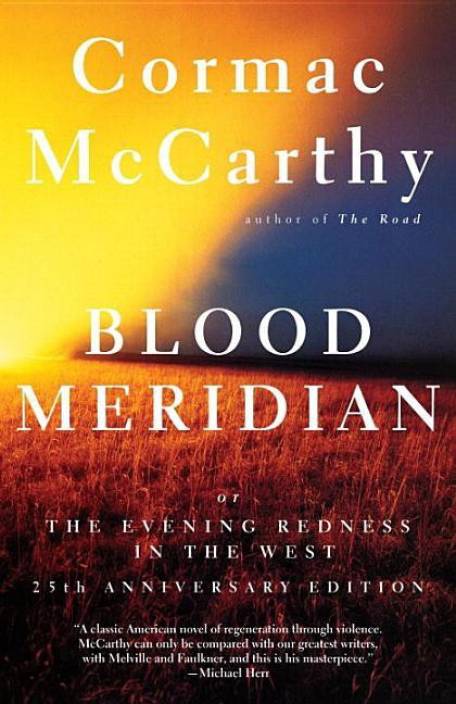
Blood Meridian
by Cormac McCarthy · 1985
Why it’s hard: No quotation marks, untranslated Spanish, words most dictionaries have dropped, and violence on almost every page as a gang of scalp hunters crosses the 1840s borderlands. Harold Bloom admitted it took him two attempts.
Time: 10 to 12 hours.
Tip: Read in short sessions. The cruelty wears you down faster than the prose does.
Try it if: you want the darkest Western ever written and one of fiction’s great villains in Judge Holden.
11
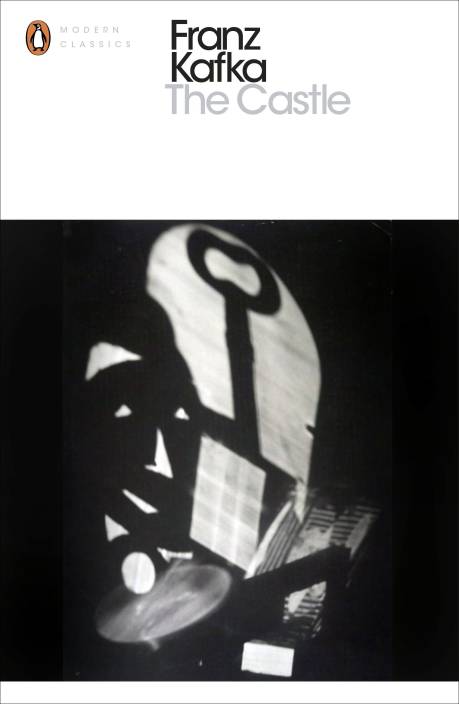
The Castle
by Franz Kafka · 1926
Why it’s hard: A land surveyor known only as K. tries to reach the officials who summoned him, and never does. Kafka abandoned the book in 1922 and it stops mid-sentence. The difficulty is the frustration itself.
Time: 10 to 12 hours.
Tip: Choose Mark Harman’s translation, which follows Kafka’s own text more closely than the older Muir version. Students who need help writing about Kafka can find essay services compared on review sites such as Academichelp.
Try it if: you have ever spent a morning on hold with a call centre.
12
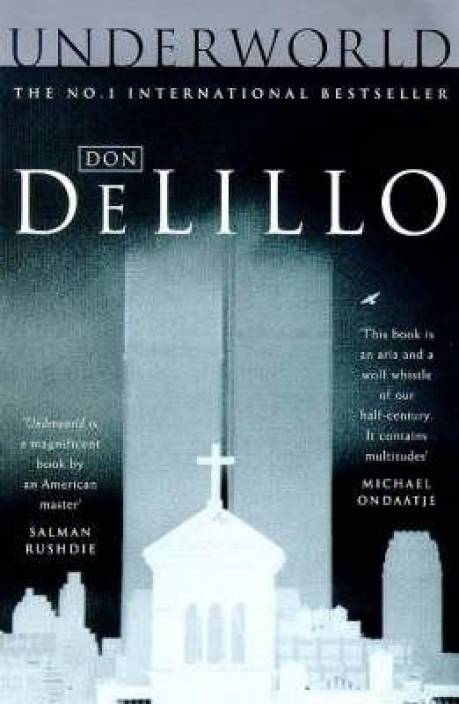
Underworld
by Don DeLillo · 1997
Why it’s hard: 827 pages that run mostly backwards from the 1990s to the 1950s, linked by a baseball, the ball Bobby Thomson hit for the winning home run in the 1951 Giants and Dodgers play-off. Characters drop out for hundreds of pages.
Time: 28 to 32 hours.
Tip: Note each section’s year as you go. The chronology is the map.
Try it if: you want a novel about the whole Cold War, from waste disposal to the bomb.
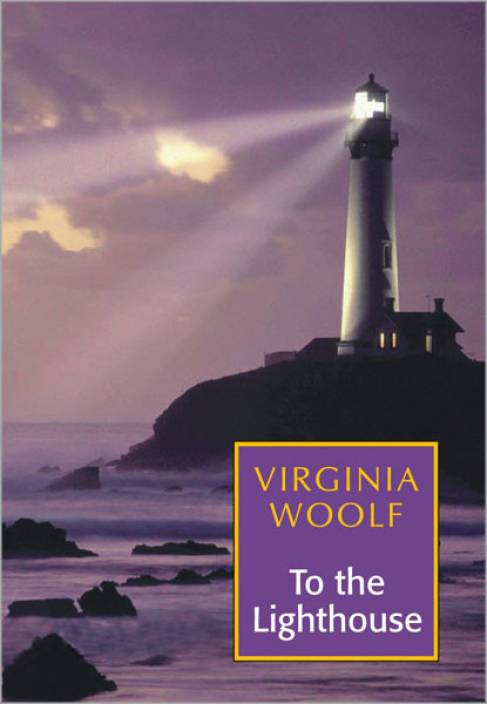
Why it’s hard: Almost nothing happens on the surface. The story lives inside the Ramsay family’s heads, and the short middle section, “Time Passes”, covers ten years and several deaths in a few pages.
Time: 6 to 8 hours.
Tip: Follow who is thinking, not what is happening. Our review of To the Lighthouse sets out the three parts.
Try it if: you want a short, achievable first step into the most challenging books of modernism.
Why it’s hard: A murder mystery in a 14th-century abbey, buried under theology, heresy debates and Latin that Eco left untranslated. He later said he made the first hundred pages slow on purpose, as a test of who should stay.
Time: 18 to 20 hours.
Tip: Get past page 100. After that the mystery takes over.
Try it if: you like detective fiction and libraries in equal measure.
15
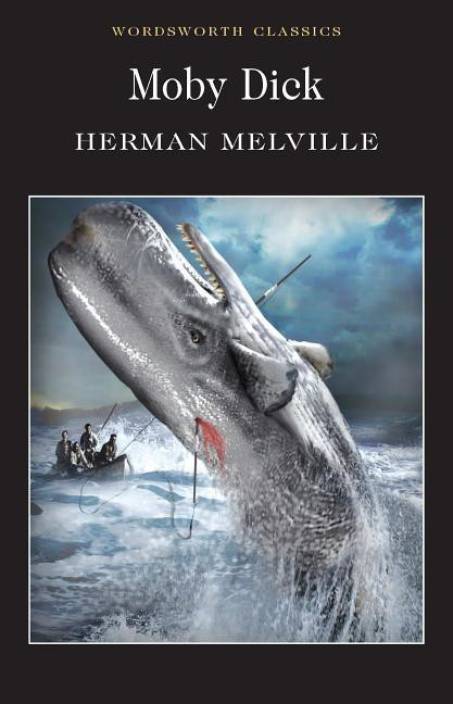
Moby-Dick
by Herman Melville · 1851
Why it’s hard: The chase for the white whale is gripping. Between the chases come long chapters on whale anatomy, whaling law and the classification of whales, starting with “Cetology”.
Time: 18 to 22 hours.
Tip: Treat the whaling chapters as short essays. Read one a day alongside the story chapters.
Try it if: you want to see how a book that sold poorly in Melville’s lifetime became the great American novel.
16
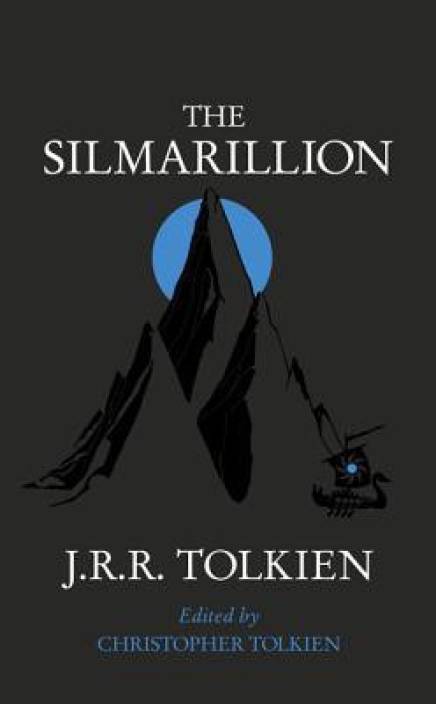
The Silmarillion
by J.R.R. Tolkien · 1977
Why it’s hard: Edited by Christopher Tolkien after his father’s death, it reads like scripture and chronicle rather than a novel, with thousands of years of history and many characters who go by two or three names.
Time: 12 to 15 hours.
Tip: Keep the family trees and the index of names open as you read. Our guide to Tolkien’s Middle-earth is useful background.
Try it if: The Lord of the Rings left you wanting the myths behind it.
17
War and PeaceLeo Tolstoy
War and Peace
by Leo Tolstoy · 1869
Why it’s hard: Over 1,200 pages, hundreds of characters with Russian name forms and nicknames, passages in French, and long essays on the theory of history, most of all in the second epilogue.
Time: 35 to 45 hours.
Tip: Choose an edition with a character list, and allow yourself to skim the second epilogue on a first reading.
Try it if: you like family sagas. Most of the book is far more readable than its reputation.
Why it’s hard: Seven generations of the Buendía family in the town of Macondo, and the same few names, Aureliano and José Arcadio above all, keep coming back.
Why it’s hard: 1,168 pages in the first edition, built to argue Rand’s Objectivism. Near the end John Galt gives a radio speech that lasts three hours in the story and over sixty pages on the page.
Time: 40 to 50 hours.
Tip: Read it as a thriller about a railway and a vanishing elite, and take the speech in sittings. Our Atlas Shrugged review has more.
Try it if: you want to argue about it afterwards, for or against.
A few habits help with almost all of the most challenging books. Set a daily page count rather than an end date, because 20 pages a day finishes Ulysses in about five weeks. Read the first fifty pages twice. Pair the hardest books with a companion guide, an annotated edition or a reading group, and pair any long book with a light one so you have somewhere to rest. Our guide on how to read classics without feeling intimidated has more ideas.
Giving up is allowed. Plenty of readers abandon a challenging book and return to it ten years later with a different life behind them.
FAQ About the Most Challenging Books
What is the hardest book to read?
Finnegans Wake is the usual answer. Joyce wrote it in a language of his own invention, built from puns in many tongues, and even scholars read it in groups.
What is the longest of the most challenging books?
In Search of Lost Time, at about 1.27 million words across seven volumes. Among single volumes on this list, Atlas Shrugged, War and Peace and Infinite Jest all pass a thousand pages.
Which of the most challenging books should I start with?
To the Lighthouse or The Sound and the Fury. Both are short, both teach you how modernist novels work, and both reward a second reading.
Is Ulysses harder than Finnegans Wake?
No. Ulysses is long and allusive but written in English with a plot you can follow. Finnegans Wake is harder by a wide margin.
Is it worth reading difficult books?
Yes, if you choose ones whose subject interests you. Difficulty is only worth it when the payoff matters to you, so pick by theme, not by reputation.
Have you finished a challenging book that didn’t make the list? Add it in the comments and tell us what made it hard.
To provide the best experiences, we use technologies like cookies to store and/or access device information. Consenting to these technologies will allow us to process data such as browsing behavior or unique IDs on this site. Not consenting or withdrawing consent, may adversely affect certain features and functions.
Functional
Always active
The technical storage or access is strictly necessary for the legitimate purpose of enabling the use of a specific service explicitly requested by the subscriber or user, or for the sole purpose of carrying out the transmission of a communication over an electronic communications network.
Preferences
The technical storage or access is necessary for the legitimate purpose of storing preferences that are not requested by the subscriber or user.
Statistics
The technical storage or access that is used exclusively for statistical purposes.The technical storage or access that is used exclusively for anonymous statistical purposes. Without a subpoena, voluntary compliance on the part of your Internet Service Provider, or additional records from a third party, information stored or retrieved for this purpose alone cannot usually be used to identify you.
Marketing
The technical storage or access is required to create user profiles to send advertising, or to track the user on a website or across several websites for similar marketing purposes.

 One Hundred Years of Solitude
 To the Lighthouse

 Haunted House Books: 67 Novels Where the House Is the Monster
 Horror Books Set in the Woods: 16 Novels Where the Trees Close In
 Small-Town Horror Books: 26 Novels Where Everybody Knows