The Children’s Booker Prize Shortlist 2027: All Eight Books Explained
All eight books on the first Children's Booker Prize shortlist: what each is about, what the judges said, who it suits from age 8 to 12, the four child judges, and an early read on the 2 February winner.
8 books
A
adminUpdated 24 Nov 2026 · 13 min read
The first Children’s Booker Prize shortlist was announced on 24 November 2026, and the prize has called it the “Great Eight”. It holds five novels, two graphic novels and one illustrated collection of short stories, picked from 89 submissions by three adult judges. On the same day the prize named the four child judges who will now read all eight and help choose the winner.
That winner is announced on Tuesday 2 February 2027 at a daytime ceremony during a takeover of Young V&A in London. It receives £50,000 and a trophy, and every shortlisted book receives £2,500, the same money the Booker Prize pays for adult fiction. If you want the background first, our guide to how the Children’s Booker Prize works covers the rules, the adult panel and why the prize exists.
This page is the practical one. For each book you get the premise, what the judges said, who publishes and illustrates it, which end of the eight-to-12 range it suits, whether it is likely to work read aloud, and an honest note for parents on anything heavy. We have not yet read the eight, so where we judge fit or tone we say what it rests on: the prize’s own descriptions, the publishers’ summaries and the format of each book.
0/8
How many have you read?Tick “I’ve read it” on each book. Saved in your browser, no account needed.
The Eight Books on the Children’s Booker Prize Shortlist
Listed in the official order, alphabetical by author surname.
01
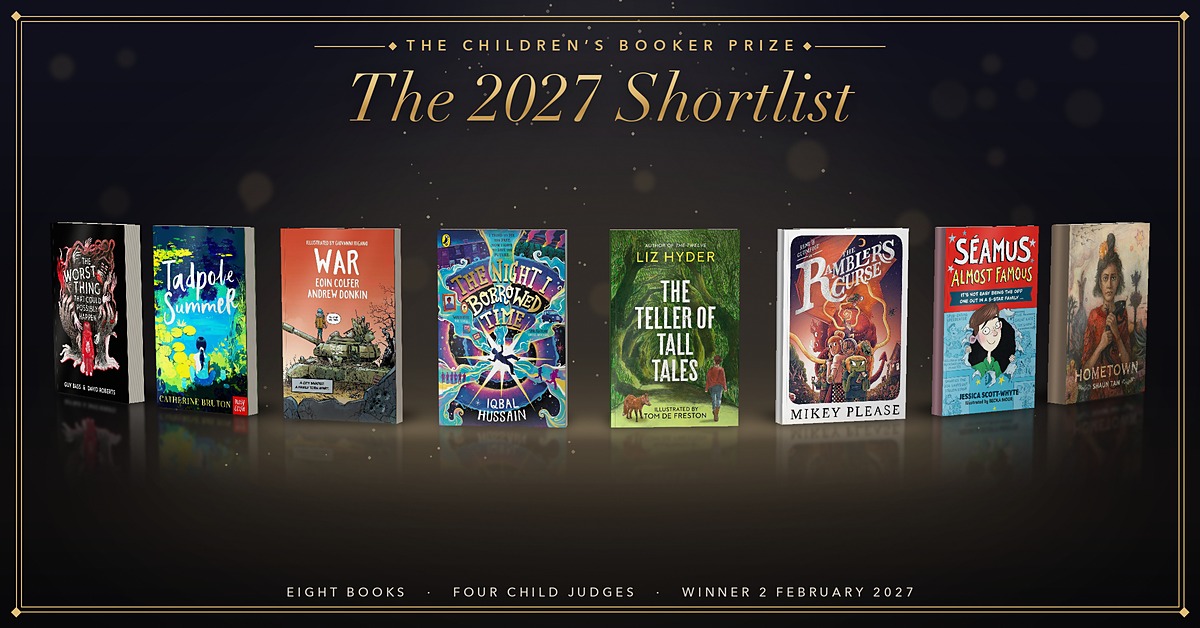
The Worst Thing That Could Possibly Happen
by Guy Bass
A collection of illustrated horror stories that open through a “sideways door”. Inside are a nightmare pig with teeth on her mind, a child who swaps places with their own reflection, a ravenous monster living in a shed, and a figure called Doctor Panic who has seen too much of the world on the other side.
It is the only horror book on the Children’s Booker Prize shortlist. The judges called it the most beautiful book you could possibly hold, then advised putting it a long way from your bedroom, probably under a bucket. Their verdict was that “Bass and Roberts know so many ways to scare you, and they use them all here.” Little Tiger Press publishes it, and David Roberts, the illustrator of Dirty Bertie and The Bolds, provides the pictures. It is the first time Bass and Roberts have worked together.
Age fit: 8 and up, but best for children who already ask for scary books rather than those who have to be talked into them.
Read aloud: short stories make natural single sittings, which suits a read-aloud. Daylight is advisable.
For parents: this is a horror book by design. Sensitive eight-year-olds may find it lingers at bedtime.
02
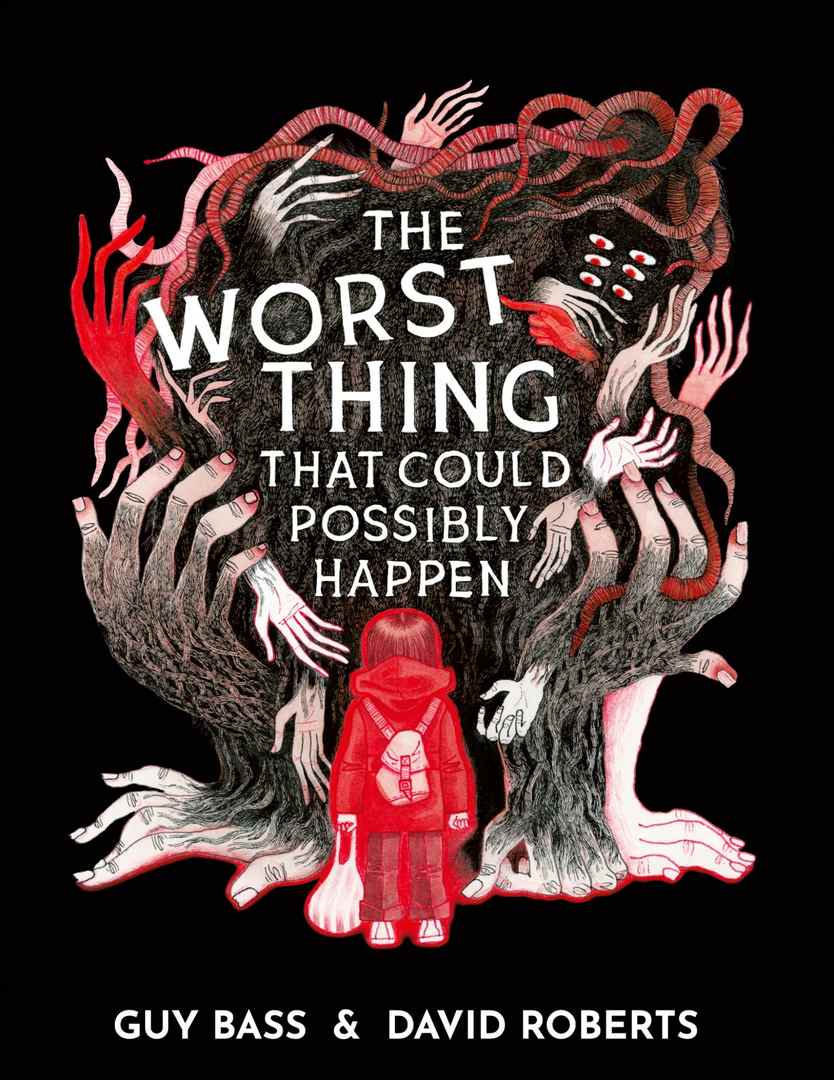
Tadpole Summer
by Catherine Bruton
Frog’s younger brother Tad has spinal muscular atrophy, and the two have always shared a room and done everything together. When Tad goes into hospital, Frog cannot face their bedroom alone and starts camping in the garden. When he comes home, the room fills with his equipment, and as his condition worsens Frog has to face the possibility that this is their last summer together.
No book on the Children’s Booker Prize shortlist drew a more personal response. The judges compared its effect to Bridge to Terabithia and said the story “left our hearts full to bursting”, calling it “a profoundly beautiful book”. Nosy Crow publishes it, with no illustrator credited. Bruton has spent more than three decades as a teacher and children’s author, and the book was also longlisted for the Children’s Wainwright Prize for Fiction 2026, which tells you how much of it happens outdoors.
Age fit: the middle of the range. The prize lists it at 8+ on the book page and 9+ in the judges’ notes; 9 to 12 is the safer reading.
Read aloud: a close family story with nature at its centre is the kind of book that reads well at a slow pace, though some passages may be hard to get through steadily.
For parents: serious childhood illness and the likely loss of a sibling. Children who have been through a family bereavement may want an adult nearby.
03
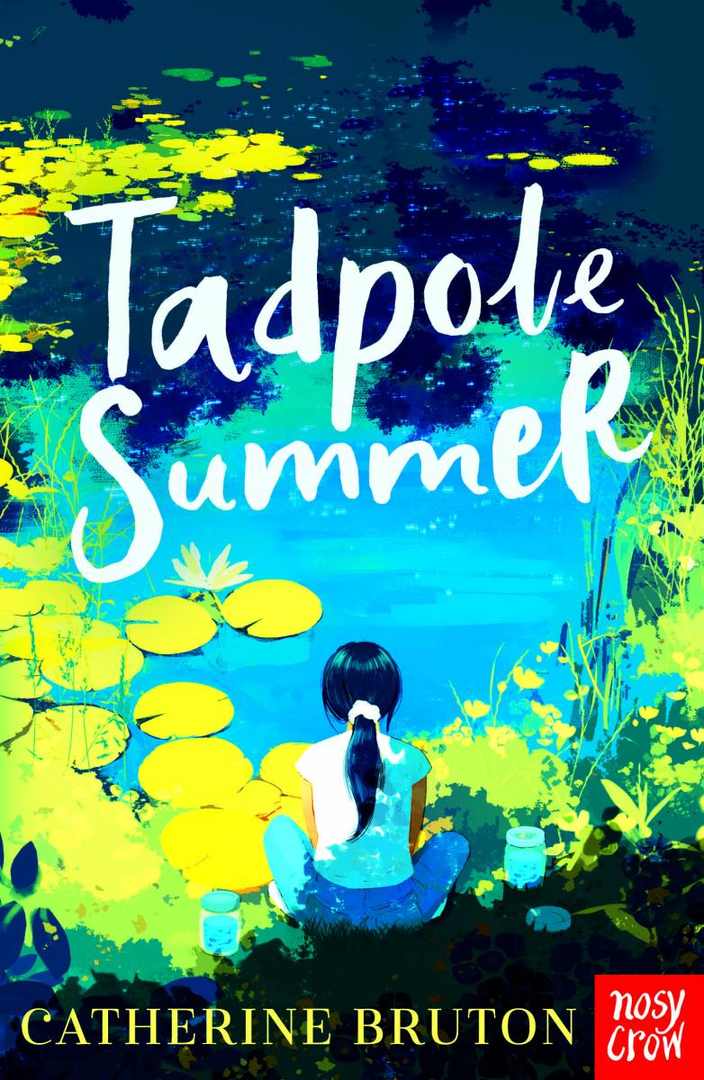
War
by Eoin Colfer and Andrew Donkin
Kat is a fourteen-year-old graffiti artist whose unnamed European city is invaded. Her father is arrested and held without charge, and when the rest of her family flees, Kat stays behind to get him out. On the other side is Adam, a young conscript who cannot understand why he has been made to fight, and the story turns on whether Kat can trust him for long enough to escape.
The judges said this was another shortlisted book that “did not patronise the reader”, and that it moves not only because of its subject but because of Kat’s hope, ingenuity and strength. Hodder Children’s Books publishes this, one of two graphic novels on the Children’s Booker Prize shortlist, illustrated by the Italian artist Giovanni Rigano. It completes a thematic trilogy of socially conscious graphic novels by the same three, a series already nominated for the Carnegie Medal. Colfer is a former Laureate na nÓg, the Children’s Laureate of Ireland.
Age fit: the top of the range. Recommended for 9+, but a fourteen-year-old heroine and a war setting make it a stronger fit for 11 and 12.
Read aloud: better shared side by side than read aloud, since Rigano’s panels carry much of the story.
For parents: invasion, detention and frontline danger, drawn rather than described. Worth talking through with children who follow the news.
04
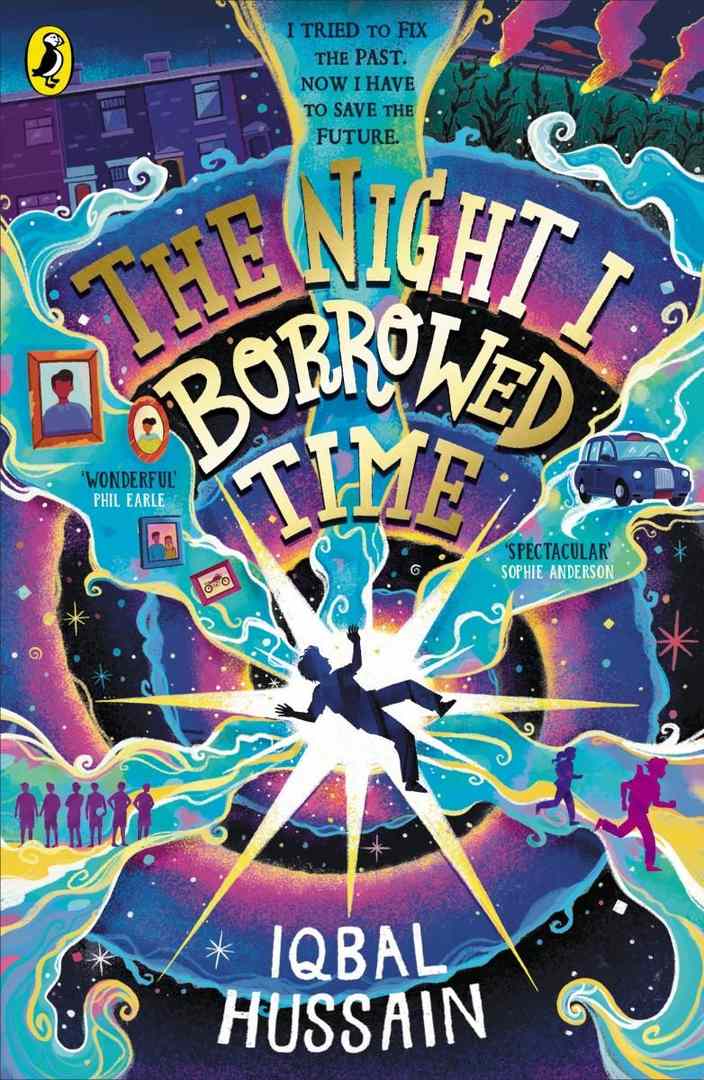
The Night I Borrowed Time
by Iqbal Hussain
Zubair is a seventh son, which means a lot of big brothers and, it turns out, the inherited power of time travel. His parents have not been happy for a long time, so he decides to go back and fix things between them. Every trip is a risk: a small change in the past could have a huge effect on the future.
The judges loved its ambition, calling it a book that “travels through time and across the world”, and said it explores family and history in a way that felt grand, moving and relatable at once. It is Hussain’s debut children’s novel, the only debut on the Children’s Booker Prize shortlist, and was the Waterstones Children’s Book of the Month for January 2026. It is also the first title from Puffin Press, the new Penguin Random House imprint that launched that month, with no illustrator credited. A sequel, The Day I Stole the Future, is due in January 2027.
Age fit: 8 and up, with a hero and a premise that should carry comfortably to 12.
Read aloud: an adventure told through Zubair’s eyes, which the prize calls funny as well as heartbreaking, is a good bet for a chapter-a-night book.
For parents: the engine of the plot is an unhappy marriage, so children living through parental separation may read it personally.
05
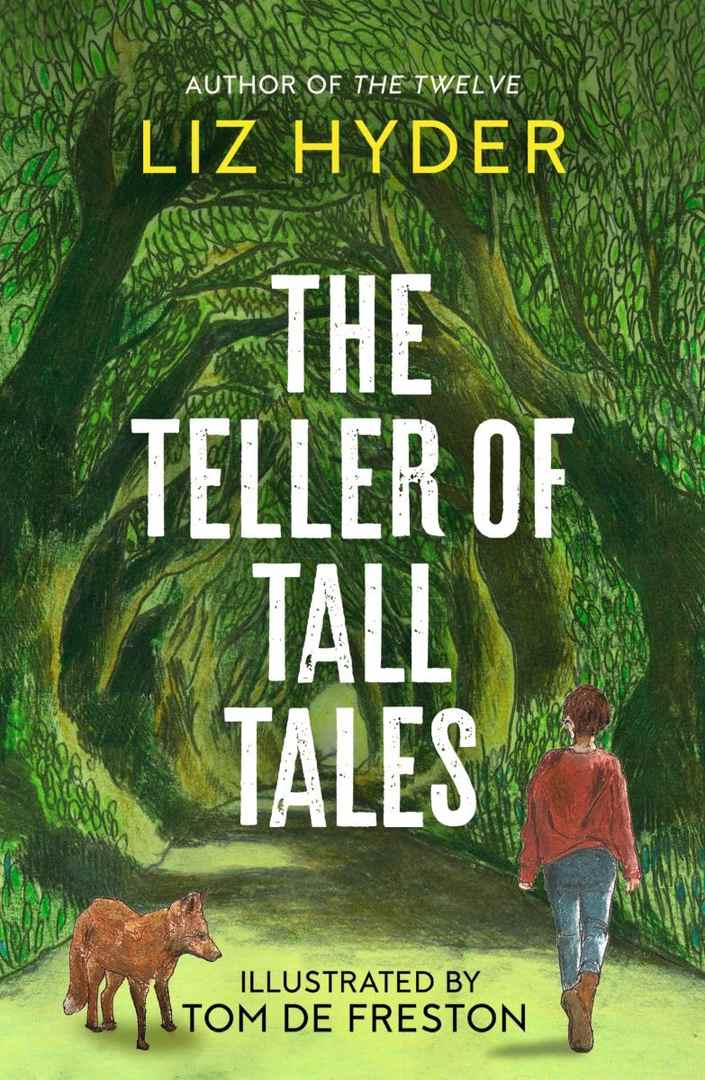
The Teller of Tall Tales
by Liz Hyder
A nameless teenager has not seen their grandmother Oma in years, because their parents kept her away after something that happened when the child was too young to remember. Now they are allowed a monthly visit to her remote cabin in the woods, where Oma tells a tale each time, of dragons, giants, gods and monsters. The one story she will not tell is why she was absent for so long.
The judges described Hyder’s storytelling as “tender, often intense”, and praised the way it bridges real and imagined worlds, with Oma’s tales described as “wild, magical, toothsome things”. Pushkin Children’s Books publishes it, with illustrations by Tom de Freston, whose earlier collaborations include books with Michael Morpurgo and David Almond. Hyder’s debut, Bearmouth, won the Waterstones Children’s Book Prize for Older Readers and the Branford Boase Award.
Age fit: the only book on the Children’s Booker Prize shortlist recommended for 11+, so this is firmly the older end.
Read aloud: the embedded fairy tales are made for reading aloud, even if the frame story is better read alone.
For parents: family estrangement, a long-kept secret and pressures at school, handled with what the judges call intensity.
06
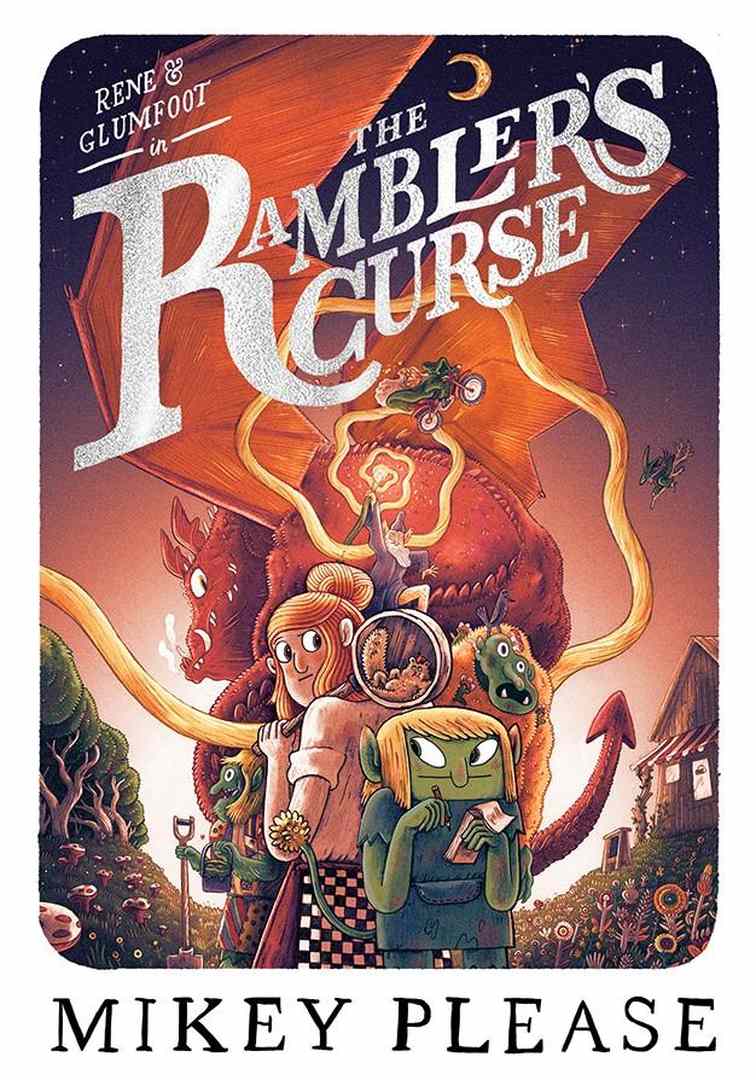
The Rambler’s Curse
by Mikey Please
At a cabin café on the edge of Wandthorn Woods, the human chef Rene and the goblin waiter Glumfoot cook for ogres, walking wolves, wandering trees and the occasional dragon. Then the most alarming visitor of all arrives: another human. To protect the woodfolk, the pair set out on a quest into the wilds that, in the blurb’s own words, will change their world forever.
The judges wanted to visit the café and order “a bucket of delicious bog water”. They praised its madcap energy, its illustrations, and the way Please blends fantasy with real-world struggles “amongst cow pat sandwiches and worm pate”, calling it “totally hilarious and surprising”. HarperCollins Children’s Books publishes it, and Please both writes and illustrates. The characters began in his picture book The Café at the Edge of the Woods, which won the Waterstones Children’s Book Prize in 2025, and this is the first book of a new trilogy. Please is also a BAFTA-winning, Oscar-nominated Aardman animation director.
Age fit: 8 and up. Children who are just moving on from picture books may find the familiar characters a gentle bridge.
Read aloud: a comic adventure with jokes about food is about as safe a read-aloud bet as children’s fiction offers, and the likeliest crowd-pleaser on the Children’s Booker Prize shortlist.
For parents: nothing in the published descriptions suggests heavy material.
07
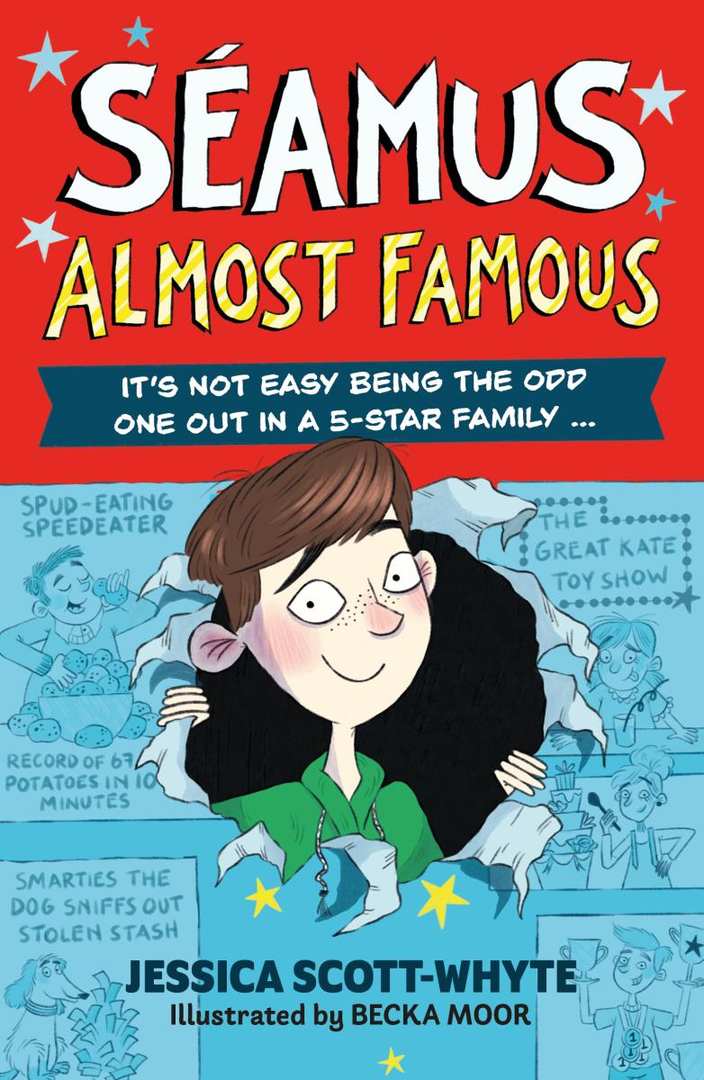
Séamus Almost Famous
by Jessica Scott-Whyte
Séamus Murphy is a completely unfamous 11-year-old from Callan in County Kilkenny, which is a problem when his dad is Ireland’s legendary spud eater, his mum is a famous baker, his baby sister is an accidental internet sensation and even the dog is famous. With his best friend Dara, he sets out to become red-carpet famous, partly to be taken seriously at home and partly so that Grace finally notices he exists.
The judges said it felt like watching a classic sitcom and called it “a dewy-eyed puppy of a book” that redefined the word adorable. Gill Children’s publishes it, with illustrations by Becka Moor, who has illustrated more than 70 books. It is Scott-Whyte’s second book, after The Asparagus Bunch was shortlisted at the Irish Book Awards in 2022, and the first in a new series.
Age fit: 8 and up, with a hero who is 11 and a first crush that will land best with 9 to 11.
Read aloud: an illustrated comic chapter book with an Irish voice is a gift for an adult who enjoys doing accents.
For parents: feeling overlooked inside a loud family is the emotional core. This is the lightest book on the Children’s Booker Prize shortlist, and nothing here should worry anyone.
08
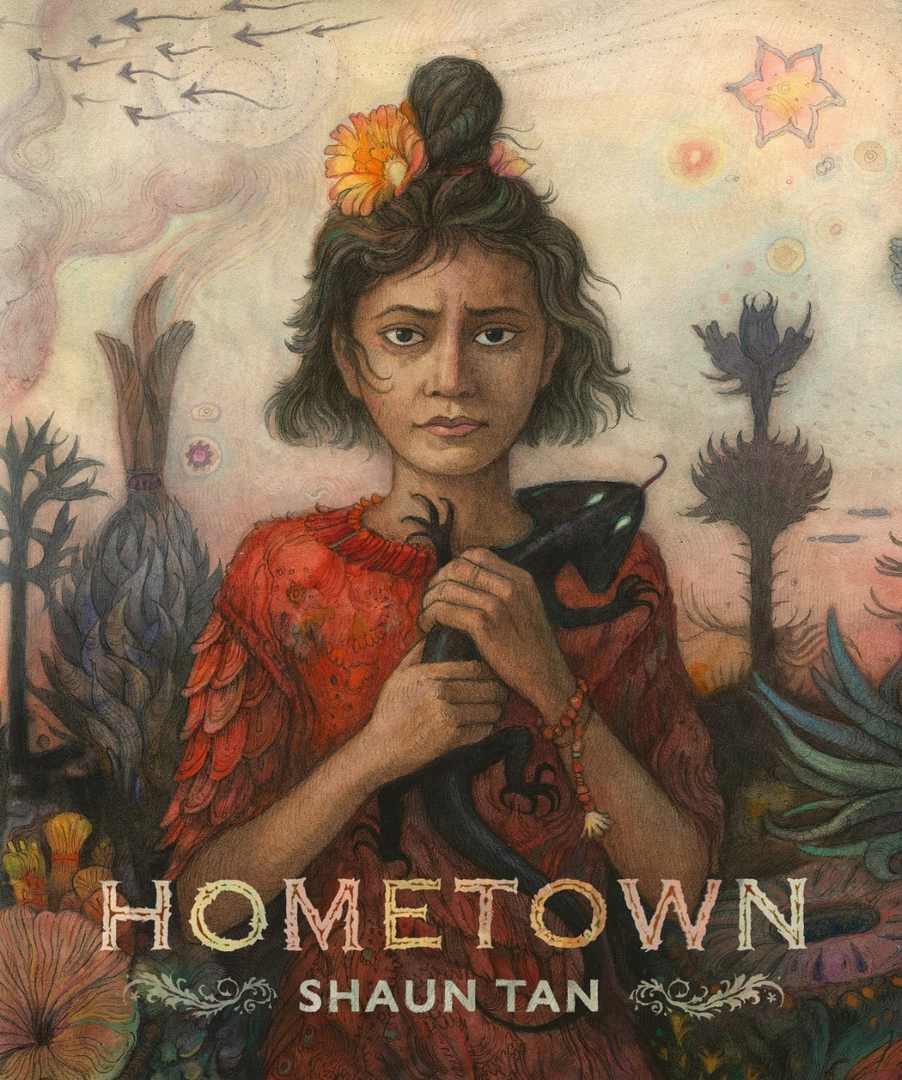
Hometown
by Shaun Tan
On a distant planet of huge, strange-looking creatures lives one human girl, among a family who are all different from one another. Life is good. Then a human boy in a spacesuit lands and tells her she does not belong there, that her real home is far away, and she must decide whether to stay or go.
The judges said art and storytelling collide in it, through intricate, otherworldly watercolours, and that “the genius of Tan is to take readers to a different universe and illuminate it with the most human dilemma”. Walker Studio publishes it, and Tan both writes and illustrates. He won the CILIP Kate Greenaway Medal in 2020 for The Inner City, and his publisher pitches this one at readers aged “nine to 99”.
Age fit: 8 and up, and the one book on the Children’s Booker Prize shortlist an adult is most likely to keep for themselves.
Read aloud: pictures carry the weight, so read it together rather than to someone.
For parents: a story about belonging and who counts as family. Children who were adopted or have moved countries may find it close to home, which can be a good thing.
The Four Child Judges
Seven people will choose the winner, and four of them are children. That is the prize’s defining idea, and it makes the Children’s Booker Prize shortlist harder to call than any adult list. The four were picked from more than 4,000 entries in three stages: a written task, a video and a final interview. Each was told by video call from one of the adult judges.
Ibrahim, 12, from Hampshire, plays sport, goes to chess club, and reads for an hour every night. His favourite books are Allies by Alan Gratz and When Stars Are Scattered by Omar Mohamed and Victoria Jamieson.
Lainey, 12, from the Scottish Highlands, bakes, draws and plays the clàrsach, the Scottish harp. Her favourites include A Kind of Spark by Elle McNicoll and The Girl of Ink and Stars by Kiran Millwood Hargrave.
Luna, 8, from Kent, wants to be an author and illustrator. She loves Skandar and the Chaos Trials by A.F. Steadman, and applied partly so that she could chat about new books with new people and eat snacks.
Myla, 11, from Northamptonshire, is a librarian at her village school. Her favourites include Turtle Moon by Hannah Gold and The Nothing to See Here Hotel by Steven Butler.
They join the three adults who chose the list: Frank Cottrell-Boyce, the chair, a Carnegie Medal winner and the Waterstones Children’s Laureate for 2024 to 2026; Lolly Adefope, the BAFTA-nominated actor from Ghosts and Horrible Histories; and Sanchita Basu De Sarkar, owner of the Children’s Bookshop in Muswell Hill.
What the Eight Have in Common
Cottrell-Boyce said the panel kept reminding each other of one promise: every book had to be “truly FOR CHILDREN”. The list reads like the result. Nothing here feels like an adult literary novel that happens to have a child narrator. The protagonists are children solving children’s problems, even when those problems are a dying brother or an invading army.
The second thread is family. Frog and her brother, Zubair and his parents, the nameless teenager and Oma, Kat and her detained father, Séamus and his famous relations, Tan’s girl and the creatures who raised her: six of the eight are, underneath, stories about who belongs to whom. Belonging is the word the prize itself reaches for, and it fits. Even the café in Wandthorn Woods is a found family under threat from an outsider.
The third is range of mood. The chair called the list “full of surprises”, and it runs from a horror collection to a sitcom to a war story, so the Children’s Booker Prize shortlist works less as a ranking of eight similar books and more as a menu.
Notable Numbers on the Children’s Booker Prize Shortlist
Five independents. Nosy Crow, Gill Children’s, Walker Studio, Little Tiger Press and Pushkin Children’s Books each have a book. The other three belong to HarperCollins Children’s Books, Hodder Children’s Books and Puffin Press, whose first ever title is on the list.
One debut novel. The Night I Borrowed Time is Hussain’s first children’s novel, and Séamus Almost Famous is Scott-Whyte’s second book. At the other end, Colfer has written more than 35 books and Bass more than 40.
Two graphic novels and one story collection, with an illustrator credited on six of the eight. Please and Tan illustrate their own books.
No translations. All eight were written in English, although the rules allow translated books.
Five countries. The authors and illustrators come from Australia, Britain, Ireland, Italy and Pakistan.
Four series. Séamus Almost Famous, The Rambler’s Curse and The Night I Borrowed Time each open a new series, and War closes a trilogy.
An Early Read on the Children’s Booker Prize Winner
We have not read the eight, so this is a reading of the panel rather than of the books, and it should be taken as exactly that.
Start with the adults’ language. The warmest, most personal praise in the judges’ notes goes to Tadpole Summer, the book that made one of them misty-eyed, and to War, singled out for not patronising its readers. The Night I Borrowed Time drew the word “ambitious”, which judges rarely use lightly.
Then look at the children, because four of the seven votes are theirs. Ibrahim’s favourites are a D-Day novel and a graphic memoir of a refugee camp, which points straight at War. Myla loves Hannah Gold’s nature writing, a natural route to Tadpole Summer. Luna, at eight, loves Skandar, which makes The Rambler’s Curse an obvious draw, and she may find The Teller of Tall Tales, the one 11+ book, a stretch. Lainey’s favourites suggest she will take the quieter, literary books seriously.
On that basis our early order is Tadpole Summer, War, The Night I Borrowed Time and Hometown, with The Rambler’s Curse the book most likely to upset it. A room of four children and three adults is the least predictable jury the Booker Prize Foundation has ever assembled, and it should be.
Children’s Booker Prize Key Dates
24 November 2026: shortlist and child judges announced.
24 November 2026 to 2 February 2027: BookKind, the prize’s bookselling partner, offers 20% off two or more shortlisted titles, or all eight for £80.
Tuesday 2 February 2027: winner announced at Young V&A in London.
The shortlist lands just in time for Christmas, and any of these eight would make a good stocking book; our book gift guide has more ideas for every reader on your list.
Children’s Booker Prize Shortlist FAQ
How many books are on the Children’s Booker Prize shortlist? Eight, which the prize calls the “Great Eight”. There was no longlist this year.
What age group is it for? Fiction for readers aged eight to 12. Seven of the eight are recommended for 8+ or 9+, and The Teller of Tall Tales for 11+.
Who chooses the winner? Seven judges together: the three adults who picked the shortlist and four child judges aged eight to 12.
How much does the winner get? £50,000 and a trophy. Every shortlisted book receives £2,500.
Where can I find the official list? On the Children’s Booker Prize 2027 page of the Booker Prizes website, which also has extracts and the judges’ notes.
The Last Word
The first Children’s Booker Prize shortlist could easily have been worthy. Instead it has a nightmare pig, a famous spud eater and a goblin waiter serving bog water, alongside a book about a dying brother and another about a city under siege. That mix is the point. The adults chose books they thought children would want, and now four children get to say whether they were right.
We will update this page when the winner is announced on 2 February 2027.
To provide the best experiences, we use technologies like cookies to store and/or access device information. Consenting to these technologies will allow us to process data such as browsing behavior or unique IDs on this site. Not consenting or withdrawing consent, may adversely affect certain features and functions.
Functional
Always active
The technical storage or access is strictly necessary for the legitimate purpose of enabling the use of a specific service explicitly requested by the subscriber or user, or for the sole purpose of carrying out the transmission of a communication over an electronic communications network.
Preferences
The technical storage or access is necessary for the legitimate purpose of storing preferences that are not requested by the subscriber or user.
Statistics
The technical storage or access that is used exclusively for statistical purposes.The technical storage or access that is used exclusively for anonymous statistical purposes. Without a subpoena, voluntary compliance on the part of your Internet Service Provider, or additional records from a third party, information stored or retrieved for this purpose alone cannot usually be used to identify you.
Marketing
The technical storage or access is required to create user profiles to send advertising, or to track the user on a website or across several websites for similar marketing purposes.
 Nurture Young Minds With These 30 Best Children’s Books
 The Complete List of The Booker Prize Winner Books
 Best Romance Novels of All Time: 103 Love Story Books by Type