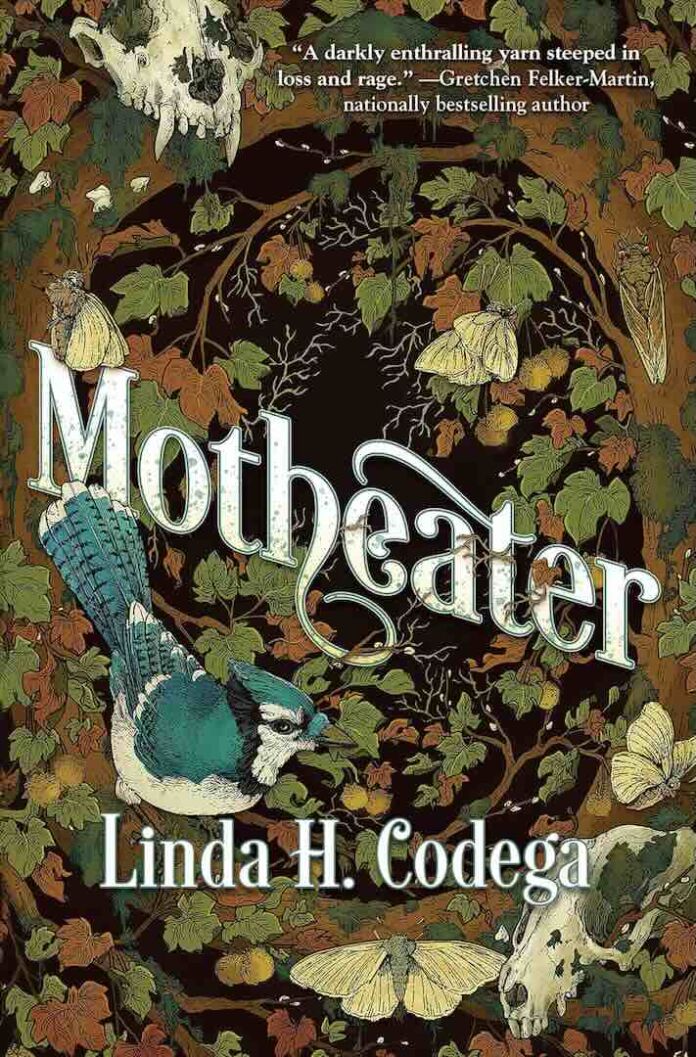
Linda H. Codega’s Motheater is an evocative queer fantasy that intricately weaves themes of identity, environmental preservation, and loss into the rich tapestry of the Appalachian landscape. With the Appalachian Mountains of Virginia serving as both a literal and figurative backdrop, Codega’s narrative balances moments of lyrical beauty with the grim realities of industrial encroachment and human fragility. Motheather, while compelling in many ways, falters at times under the weight of its ambition. However, it remains a thought-provoking tale that stays with the reader long after the final page.
The Plot: A Journey Through Grief, Mystery, and Magic
At its core, Motheater is a story of grief and resistance. Benethea “Bennie” Mattox, the protagonist, is a fascinating character driven by loss and righteous fury. After the death of her best friend in a coal mine, Bennie sacrifices nearly everything to uncover the truth behind the mounting tragedies plaguing Kire Mountain. Her discovery of a mysterious woman, Motheater, sets the stage for a story that oscillates between past and present, blending Appalachian folklore with modern struggles.
Motheater herself is a mesmerizing character—a witch bound to the land, haunted by the choices and promises she made a century and a half ago. Her amnesia adds an intriguing layer of mystery as she and Bennie navigate their uneasy alliance. Together, they face questions of loyalty, identity, and the ethical dilemmas of resistance. While the stakes are undeniably high, some plot points lack the clarity needed to maintain momentum, leading to occasional confusion.
Characters: Complex but Occasionally Underdeveloped
Bennie is the novel’s heartbeat, a character both relatable and frustrating in her single-mindedness. Her devotion to justice makes her a compelling heroine, but at times, her motivations feel repetitive, and her relationships with secondary characters lack the depth needed to fully engage the reader.
Motheater, on the other hand, is a brilliant creation. As a witch tethered to the land, her connection to the Appalachian wilderness is vividly portrayed, her power imbued with a sense of ancient inevitability. Her interactions with Bennie are fraught with tension and tentative trust, creating some of the novel’s most engaging moments. However, some of the supporting characters—such as the townsfolk and Bennie’s former partner—feel underutilized, leaving their subplots unresolved.
Writing Style: Poetic but Inconsistent
Codega’s prose is undeniably beautiful, capturing the rugged beauty of Appalachia with an almost cinematic flair. Passages describing the mountains, wildlife, and the eerie atmosphere of Kire Mountain are nothing short of stunning. The juxtaposition of lush descriptions with the stark realities of industrial exploitation creates a poignant contrast that resonates deeply.
However, this lyrical style occasionally undermines the narrative’s pacing. Long, descriptive passages can detract from the urgency of Bennie’s quest, and some readers may find themselves skimming through the more indulgent sections. Additionally, the dialogue, while authentic in its Appalachian dialect, sometimes feels stilted, detracting from the characters’ believability.
Themes: A Timely Intersection of Industry and Environment
Motheater excels in its thematic exploration. The novel delves into the clash between nature and industry, a conflict that feels especially relevant in today’s world. Kire Mountain becomes a microcosm of larger environmental battles, and the stakes are made deeply personal through Bennie and Motheater’s struggles.
The theme of queer identity is also woven seamlessly into the narrative. Bennie’s sexuality is a natural part of her character, and her relationships, though understated, add emotional depth. Similarly, the novel’s exploration of community, belonging, and sacrifice speaks to the universal human experience, making it accessible to a wide range of readers.
Critique: Where the Story Stumbles
While Motheater is ambitious and evocative, it is not without its flaws. The pacing issues mentioned earlier detract from the narrative’s tension, and some plot elements—such as Motheater’s past and the full extent of the mountain’s curse—feel underexplored. Readers may find themselves yearning for a more detailed resolution to the mysteries at the story’s heart.
Additionally, the novel’s tone can feel uneven. Moments of lyrical introspection clash with sections of stark realism, creating a sense of disjointedness. While this may be intentional, reflecting the duality of Motheater’s existence, it can make the reading experience feel uneven.
Recommendation: Who Should Read Motheater?
Motheater is a must-read for fans of atmospheric fantasy with a strong sense of place. Readers who enjoyed “The Once and Future Witches” by Alix E. Harrow or “Black Water Sister” by Zen Cho will likely find much to admire in Codega’s work. The novel’s blend of folklore, environmentalism, and queer identity also makes it a fitting companion to “The Southern Book Club’s Guide to Slaying Vampires” by Grady Hendrix for its exploration of community and resistance against the odds.
For readers seeking a fast-paced fantasy or neatly tied-up resolutions, however, Motheater may not fully satisfy. Its strength lies in its mood and themes rather than its plot mechanics.
Final Thoughts: A Poignant but Flawed Gem
Motheater is a deeply atmospheric novel that lingers in the mind long after reading. While its pacing and character development leave room for improvement, Linda H. Codega’s ability to evoke the beauty and tragedy of Appalachia is undeniable. The novel’s exploration of identity, community, and the natural world feels both timeless and timely, making it a valuable addition to the fantasy genre.







