My final selection represents the new vanguard of 21st century literary horror whose formal innovations and disruptive structural experimentation are doing for the genre what Modernist archetypes like Henry James and Shirley Jackson did generations prior. Mark Z. Danielewski’s monumental 2000 debut House of Leaves is a bold, genre-defying meta-textual labyrinth of interlocking narratives, academic satire, typographical minotaurs, and sheer visceral experiential horror that reinvents the very act of reading itself into the stuff of madness.
The story, or rather stories, orbit around a young family’s increasingly desperate attempts to document and understand the malign metaphysics behind their new home – a humble Virginia house whose interior architecture warps daily into an eldritch M.C. Escher-like labyrinth of infinite abyss and existentially terrifying negative space. But Danielewski’s presentation is just as noteworthy, mutating his text itself into a tangled feedback loop of footnotes, conflicting scholarship analyses, documentary recreations, appendices and visual chicanery that ensnares any would-be reader in the same bewildering cerebral descent as his protagonists.
This is truly a work of Horror as participatory theater, a demonically possessed novel where fiction and reality collapse inward upon themselves into an infinite recursion of doubt, meditations on the insignificant nature of individual perspective, and ultimately the unavoidable void devouring all objective truth. To read House of Leaves is to leave the very concept of time and space behind, entering a realm where every corridor leads deeper into a mental fun house of distortions and negations. A brain-rewriting experience that reminds just how far the human capacity for literary horror can push us into uncharted internal hauntings.
So there you have it – 19 immortal literary tales of the macabre immersing readers in myriad strains of terror, eeriness, the uncanny, and existential horror for centuries now. From the harrowing domestic dramas and psychological portraiture of Gothic forebears like Stevenson and James, through the modern horror renaissance of King, Barker, and Straub, even unto the thrilling new vanguard of experimental meta-fictions recalibrating how we process dread itself through disruptive mediums…these titles remain the unholy foundational pillars for any true horror aficionado.
Yes, the subject matter on display spans everything from baroque vampire fantasies and tales of monstrous scientific hubris, to visceral narratives of bodily possession and descents into overt blasphemy. But what truly unifies these classics through the ages is how skillfully they disturb both our fundamental sense of reality itself and the oft-unspoken nightmares lurking within ourselves – our deepest wells of trauma, repression, existential dread, and unnameable anxieties. Horror’s most powerful purpose persists in looking mortality square in the eye, peeling back our flawed pretense of rationality to reveal the howling chaotic maw at the root of all consciousness.
So dim the lights and prepare to be profoundly unsettled, dear readers. Because ultimately, some of humanity’s oldest, most primal fears don’t lurk in flickering shadows or half-seen shapes in the dark corner. They reside dormant within the private recesses of our very souls, only awakened – and exorcised – by the cathartic magic of the written word.
You might also like: For a contemporary novel working squarely in that tradition, Stay Buried by Jennifer McMahon builds a Vermont village around a scapegoat it burned in 1919.
You might also like: For a recent debut that starts as a missing-child search and turns into something worse, see In the Woods They Wait by Carrie Lee South.







 Best New Books of September 2024: Must-Reads of the Month
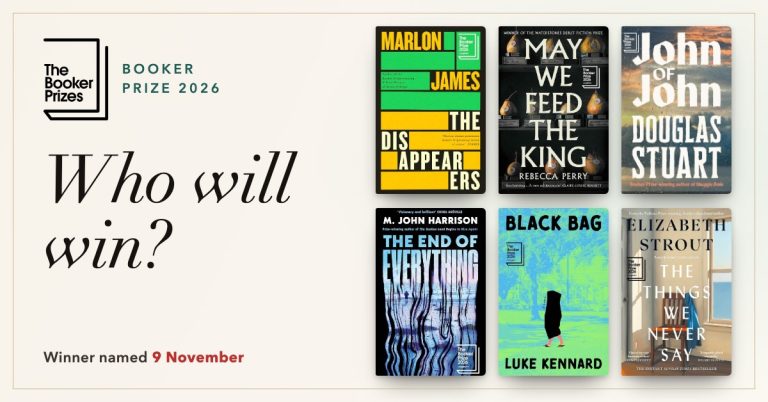 Booker Prize 2026 Predictions: Who Will Win, and Which Novel Deserves To?
 Even More Spooky Books: 66 Wicked Reads for Halloween