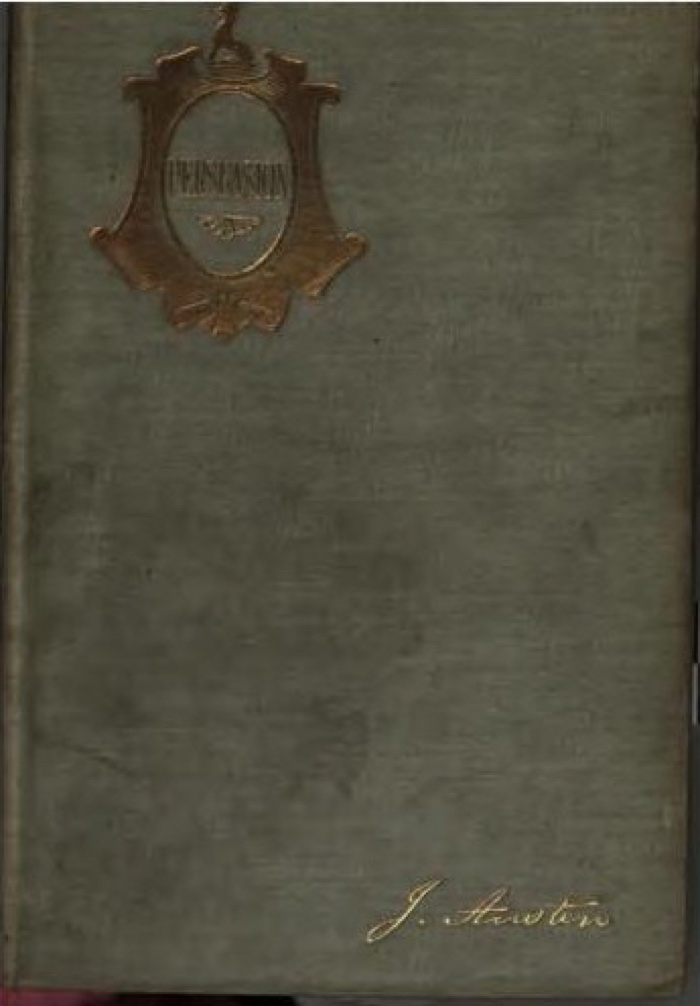
Published posthumously in 1818, Persuasion was Austen’s last completed novel. It tells the story of Anne Elliot, an unmarried woman nearing 30 who lives with her vain, snobby father Sir Walter and her friend, Lady Russell. Eight years ago, urged by Lady Russell, Anne broke off her engagement to a naval officer named Frederick Wentworth because he was poor and of uncertain future prospects. The story takes place years later, after Wentworth has since risen in rank and wealth. A chance meeting re-ignites their love, though obstacles from their shared history of being persuaded otherwise must be overcome. The novel examines the difficulties of missed opportunities and second chances at love later in life, during a time when women had very limited independence. It demonstrates Austen’s development as a writer in crafting one of her most moving romantic tales.
Jane Austen, in addition to above books, penned two more novels, namely Lady Susan and The Watsons, both of which were published after her demise. She, too, had penned a compilation of short stories, titled Love and Friendship, and a handful of other youthful compositions.
Her novels are renowned for their clever discourse, incisive societal critique, and examination of the subjects of affection, marriage, and familial ties. Books by Jane Austen are esteemed as classics of English literature and have been transformed into countless films, television shows, and theatrical spectacles.
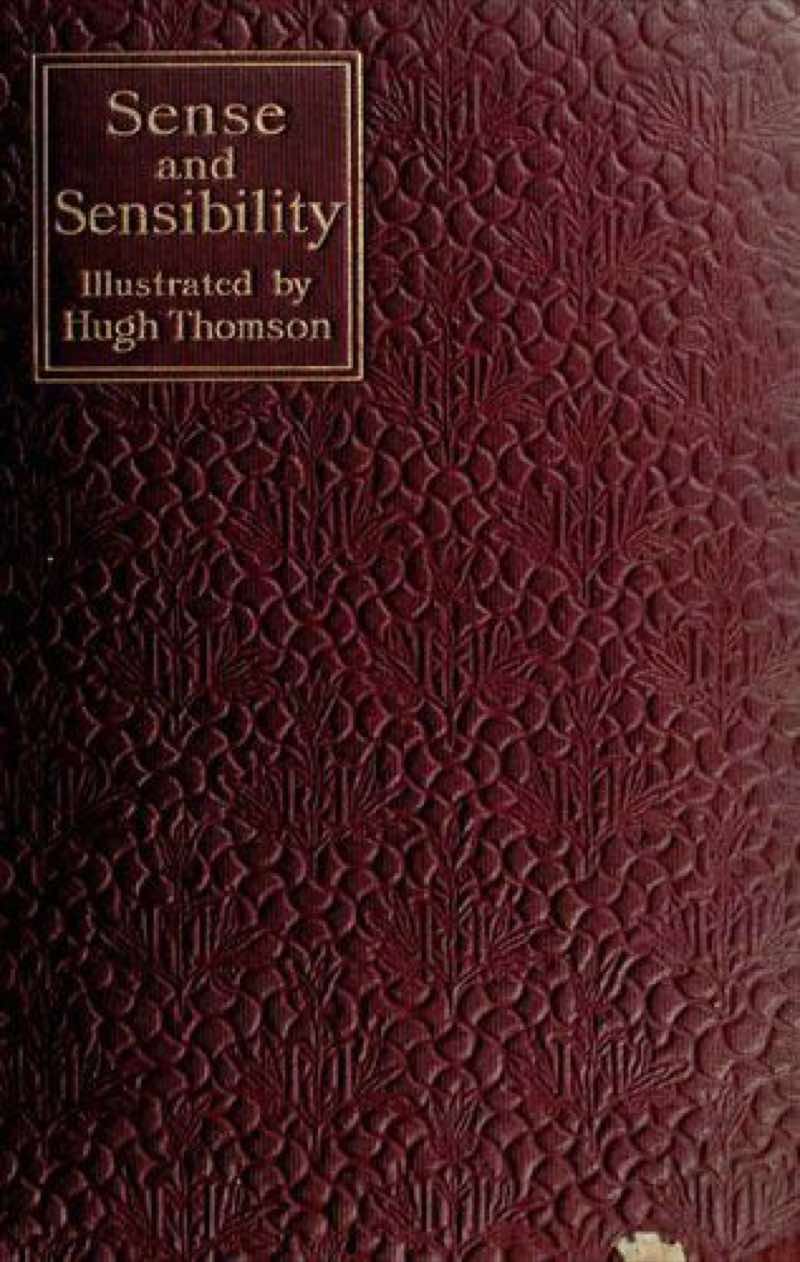
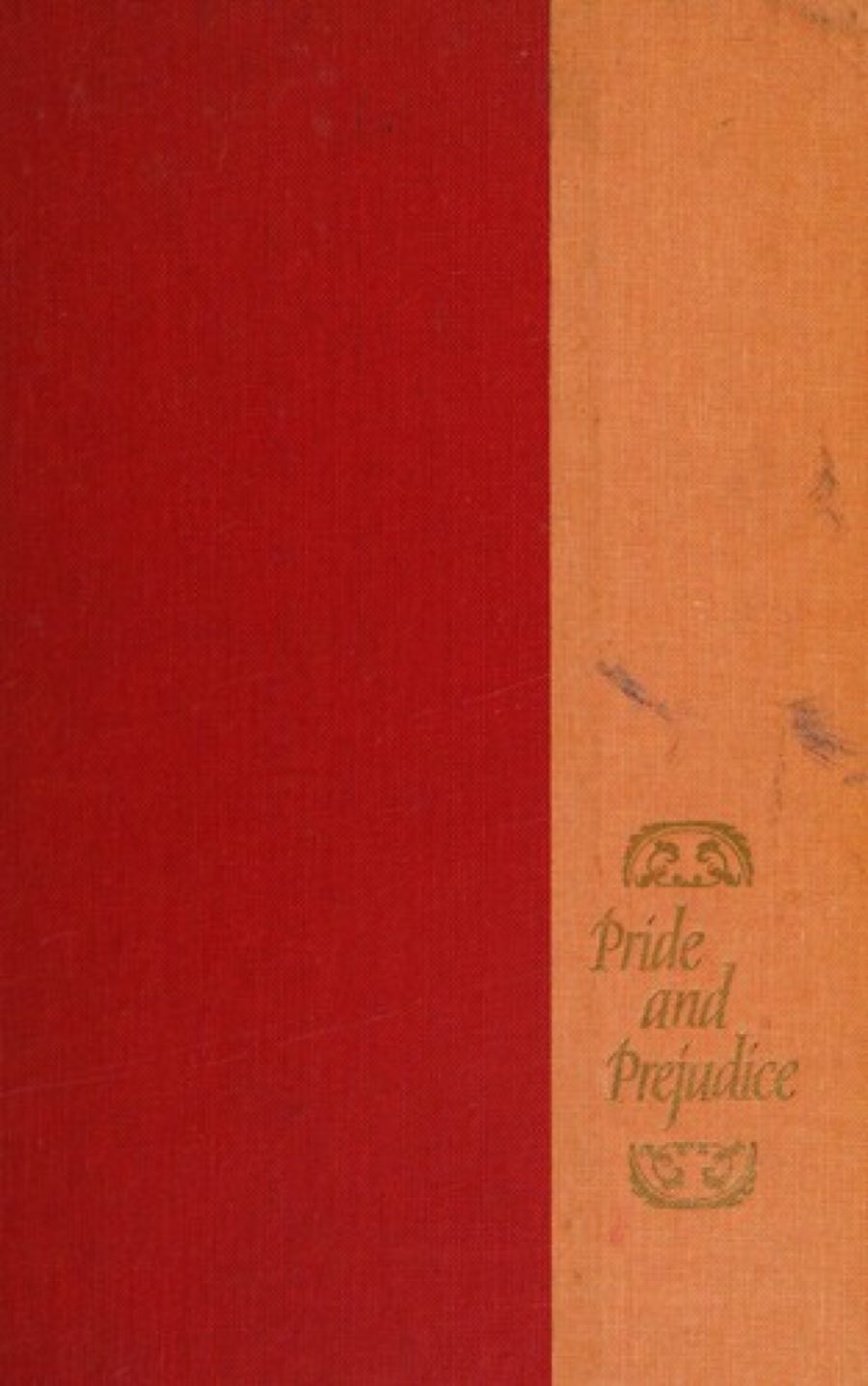
If you’re new with the works of Jane Austen, I would humbly recommend commencing your literary journey with either Pride and Prejudice or Sense and Sensibility. These esteemed works of literature, which have garnered much admiration, serve as a splendid introduction to the eloquent prose and captivating storytelling that define her literary oeuvre.
Which one would you like to read?
Here are some additional insights into Jane Austen’s books:
- While her stories focused on romance and relationships, Jane Austen was also keenly aware of the economic realities for women during her time period. Marriage was essentially the only acceptable social and financial option. Her books often commented on the marriage plotlines.
- Jane Austen was a master of subtle social satire. She skillfully used wit, irony and subtle digs to poke fun at societal follies like pretension, hypocrisy and foolish obsessions, without direct attacks. This style of humor has kept her books entertaining.
- Recurring themes in her work include the pressures women faced to marry, uphold class expectations, navigate complex social norms, and deal with restrictions on independence. However, Jane Austen also celebrated independent female spirits like Elizabeth Bennet.
- Books by Jane Austen contain timeless commentary on human nature, from vanity to pride to misunderstandings. Readers continuously find new aspects that resonate, keeping Austen relevant.
- While set during the English Regency period of the early 1800s, Austen’s stories before her time with progressive views on strong female characters, education of women, and critiques of patriarchal society.
- Her writing was underappreciated in her lifetime, but her works grew steadily more popular after her death. Now she is widely considered one of the greatest authors in English literature and her books are cherished worldwide.
Austen combined wit, social insight, nuanced characterization and romance in a way that has endured. Her tales offer both entertaining diversions and thoughtful commentary still appreciated today.
 Best Memoirs and Autobiographies by Hollywood Filmmakers
 Percy Jackson and the Olympians book Series by Rick Riordan
 Taylor Jenkins Reid Books: A Journey Through Her Unforgettable Stories