
James Baldwin
James Baldwin (1924 to 1987), the American novelist, essayist and civil rights activist, was born James Jones on 2 August 1924, the first of nine children in a household headed by his stepfather, a minister. At fourteen he was preaching at a small Pentecostal church in Harlem, and in the early 1940s he turned from religion to literature. From 1948 he lived mostly in the south of France.
Go Tell It on the Mountain (1953), drawn partly from his own youth, is ranked by Time among the 100 best English-language novels, and the essays in Notes of a Native Son (1955) made him a leading voice for equality. Giovanni's Room (1956) and Another Country dealt openly with gay lives, and The Fire Next Time and Nobody Knows My Name reached a large white readership. His plays include Blues for Mister Charlie, and If Beale Street Could Talk (1974) was filmed in 2018. He died on 1 December 1987 at Saint-Paul-de-Vence in France.
The Bookish Elf has reviewed 1 book by James Baldwin, mostly classic and classic literature, published by Laurel, first published in 1956.
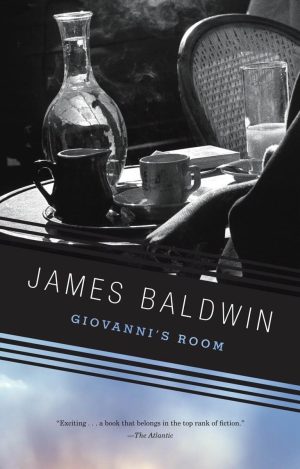
- Go Tell It on the Mountain on Time's 100 best English-language novels
- Guggenheim Fellowship
- George Polk Award
- Langston Hughes Medal
- Commander of the Legion of Honour
- I Am Not Your Negro, from his unfinished work, won a BAFTA
1He was preaching in a Harlem Pentecostal church by the age of fourteen.
2In 1965 he debated William F. Buckley, an exchange now counted among the most influential debates of its kind.
3The 2016 documentary I Am Not Your Negro was built from Remember This House, a book he never finished.
Awards & honours
6 recordedLiterary prizes
Honours & fellowships
Books
1 bookFrequently asked questions
How many James Baldwin books has The Bookish Elf reviewed?
We have reviewed 1 book by James Baldwin: Giovanni’s Room.