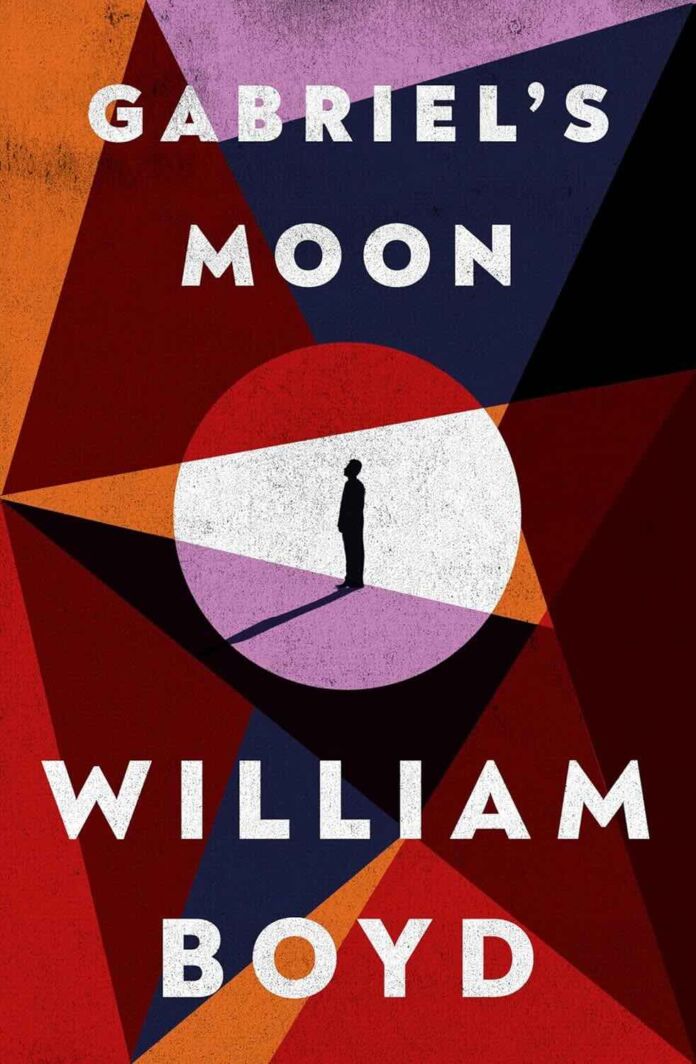
The Art of Reluctant Spycraft
In the shadowy world of Cold War espionage, it’s often said that the best spies are those who never intended to become one. William Boyd’s latest novel, “Gabriel’s Moon,” proves this axiom with remarkable precision. Set against the backdrop of the early 1960s, this riveting tale follows Gabriel Dax, a travel writer whose nocturnal demons and chance encounters draw him into a web of international intrigue he never sought to enter.
A Writer’s Journey into Darkness
Boyd, known for his meticulous research and psychological depth, delivers perhaps his most accomplished work since “Any Human Heart.” The narrative weaves together three compelling threads: Gabriel’s childhood trauma, his accidental entry into espionage, and his complex relationship with the enigmatic Faith Green, his MI6 handler.
What Works Brilliantly
- The atmospheric rendering of 1960s locations, from Chelsea’s bohemian streets to Warsaw’s frost-bitten squares
- Nuanced character development, especially Gabriel’s transformation from innocent writer to compromised operative
- The intricate plotting that connects personal history with international politics
- Boyd’s signature prose style – precise yet evocative, detailed but never heavy-handed
Where It Occasionally Stumbles
- Some readers might find the early chapters slightly slow-paced
- A few plot coincidences stretch credibility
- The technical aspects of espionage sometimes take a back seat to personal drama
Characters That Haunt
Faith Green emerges as one of Boyd’s most fascinating creations—a woman whose cigarette-scarred skin tells its own story of wartime horror, yet whose cool professionalism masks deeper complexities. The relationship between her and Gabriel forms the novel’s emotional core, with their Southwold encounter being particularly memorable.
Notable Supporting Cast
- Sefton Roscommon – Gabriel’s estranged brother, whose fate drives much of the later narrative
- Kit Caldwell – The charming, alcoholic spy whose “defection” forms a crucial plot point
- Dr. Katerina Haas – The unorthodox psychoanalyst helping Gabriel confront his past
Themes and Metaphors
The Moon Motif
Boyd skillfully employs the moon as a recurring symbol—from Gabriel’s childhood night light to his adult quest for clarity in darkness. It’s both comfort and betrayer, much like the world of espionage he enters.
Memory and Truth
The novel explores how memory shapes identity, with Gabriel’s recovered recollections of the fire that killed his mother parallel to his growing understanding of the spy world’s deceptions.
Style and Structure
Boyd’s prose remains elegant yet accessible. He has a particular talent for describing locations, whether it’s:
“The pine forests were dank and rain-drenched, the black-green conifers tightly bunched together like refugees or prisoners seeking bodily warmth.”
The structure, moving between timeframes and locations, keeps readers engaged while gradually revealing deeper layers of conspiracy and personal revelation.
Historical Context
The novel expertly captures the paranoia and uncertainty of the Cold War era, particularly during:
- The Congo Crisis and Lumumba’s assassination
- The Cuban Missile Crisis
- The building of the Berlin Wall
Critical Assessment
Strengths
- Masterful blend of personal and political narratives
- Rich, atmospheric setting
- Complex, believable characters
- Sophisticated exploration of loyalty and betrayal
Weaknesses
- Some subplot resolutions feel rushed
- Occasional reliance on coincidence
- A few minor historical details might be questioned by experts
Comparable Works
Readers who enjoy “Gabriel’s Moon” might also appreciate:
- John le Carré’s “The Spy Who Came in from the Cold”
- Graham Greene’s “The Human Factor”
- Alan Furst’s “Night Soldiers”
Final Verdict
“Gabriel’s Moon” ranks among Boyd’s finest achievements. While not perfect, it succeeds brilliantly in combining the personal with the political, the intimate with the international. It’s a 4 out of 5 stars read that will satisfy both espionage aficionados and literary fiction lovers.
For Whom Is This Book?
This novel will particularly appeal to readers who:
- Enjoy sophisticated spy fiction
- Appreciate psychological depth in their thrillers
- Have an interest in Cold War history
- Like their narratives complex and multilayered
A Personal Note
Like all great spy novels, “Gabriel’s Moon” reminds us that the most dangerous secrets are often those we keep from ourselves. Boyd has created a work that lingers in the mind long after the final page, asking questions about loyalty, love, and the price of knowing too much.







