Kate MacIntosh’s debut novel “The Champagne Letters” ambitiously weaves together two timelines: the compelling historical story of Barbe-Nicole Clicquot’s rise as the “Grande Dame of Champagne” in early 19th century France, and a contemporary narrative following Natalie Taylor, a recently divorced American woman seeking renewal in Paris. While the parallel storytelling structure isn’t groundbreaking, MacIntosh brings fresh energy to this well-worn format through her deep knowledge of wine history and thoughtful exploration of women’s autonomy across centuries.
Plot and Structure
The novel alternates between Barbe-Nicole’s letters to her great-granddaughter Anne in 1866, flashbacks to key moments in her journey from young widow to champagne empire builder (1805-1814), and Natalie’s modern-day adventure in Paris. This three-layered narrative could easily become muddled, but MacIntosh generally maintains clarity through distinct voice and period details.
The historical storyline follows Barbe-Nicole as she transforms from a grieving widow into a savvy businesswoman, navigating both personal challenges (like her complicated relationship with “the Mouse” Margot) and professional obstacles in Napoleonic France. Meanwhile, in present-day Paris, Natalie’s story evolves from a simple escape into a complex tale of deception and self-discovery.
Character Development
One of the novel’s greatest strengths lies in its nuanced character development, particularly of Barbe-Nicole. Rather than portraying her as an unblemished feminist icon, MacIntosh shows her flaws and moral compromises alongside her determination and business acumen. The depiction of her conflicted relationship with motherhood and her scheme against Margot adds compelling complexity to her character.
Natalie’s character arc occasionally feels more predictable, following familiar beats of a woman rediscovering herself post-divorce. However, her growth becomes more interesting when she must confront the con artists Sophie and Gabriel, forcing her to draw on newfound strength.
Writing Style and Historical Detail
MacIntosh’s prose is generally clear and engaging, though it occasionally becomes overwrought in emotional moments. Her real strength shows in the historical sections, where she effectively captures the period’s atmosphere without drowning readers in excessive detail. The technical aspects of champagne-making are well-integrated into the narrative, informing rather than overwhelming the story.
Strengths
- Rich historical research that brings 19th century Champagne region to life
- Complex portrayal of Barbe-Nicole that avoids simple heroization
- Effective integration of wine-making details
- Strong thematic exploration of women’s independence and self-determination
- Engaging parallel between historical and contemporary feminist struggles
Areas for Improvement
- Some predictable plot elements in the modern storyline
- Occasional reliance on convenient coincidences
- Secondary characters could be more fully developed
- Pacing issues in the middle section
- Some historical dialogue feels occasionally anachronistic
Historical Accuracy and Creative License
MacIntosh acknowledges in her author’s note where she has taken creative liberties with historical facts, particularly regarding the timeline of Barbe-Nicole’s innovations in champagne-making. While purists might quibble with these changes, they serve the narrative well and maintain the spirit of historical events.
Themes and Significance
The novel thoughtfully explores several interconnected themes:
- Women’s autonomy in business and personal life
- The tension between tradition and innovation
- The price of ambition and success
- Mother-daughter relationships across generations
- The role of mentorship in women’s advancement
Target Audience
This novel will particularly appeal to readers who enjoy:
- Historical fiction with strong female protagonists
- Dual-timeline narratives
- Stories about wine and French culture
- Tales of women’s empowerment
- Books like “The Seven Husbands of Evelyn Hugo” or “The Lost Vintage”
Comparative Analysis
While “The Champagne Letters” shares elements with other historical fiction works featuring strong businesswomen (like “The Personal Librarian” or “The Dictionary of Lost Words”), its focus on wine-making and its parallel modern storyline give it a distinct identity. The novel’s exploration of women’s autonomy in business feels particularly relevant to contemporary discussions about gender and entrepreneurship.
Impact and Relevance
Despite its historical setting, many of the challenges Barbe-Nicole faces remain surprisingly relevant today. The novel’s examination of how women navigate male-dominated industries and balance personal fulfillment with societal expectations resonates with current discussions about gender equality in business.
Technical Execution
MacIntosh handles the complex narrative structure with growing confidence, though there are occasional awkward transitions between timelines. The pacing is generally well-managed, though it lags somewhat in the middle sections of both storylines before picking up for strong conclusions.
Final Assessment
“The Champagne Letters” is an ambitious debut that largely succeeds in its goals. While it has some rough edges typical of first novels, its strong historical research, complex characterization of Barbe-Nicole, and thoughtful exploration of women’s autonomy make it a worthy addition to the historical fiction genre. The integration of wine-making details and French culture adds depth without overwhelming the human stories at its heart.
- Strengths: Historical detail, character complexity, thematic depth
- Weaknesses: Some predictable elements, occasional pacing issues
Recommendation
Despite its imperfections, “The Champagne Letters” is recommended for readers who enjoy historical fiction with strong female protagonists and those interested in wine history. It’s particularly suited for book clubs, as it raises interesting questions about women’s roles in business and society across different eras.
Similar Books Recommended for Fans
- “The Lost Vintage” by Ann Mah
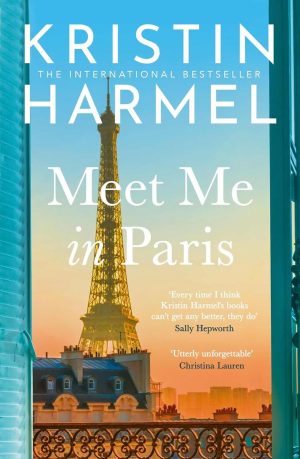
- “The Winemaker’s Wife” by Kristin Harmel
- “The Book of Lost Names” by Kristin Harmel
- “The Last Collection” by Jeanne Mackin
- “The Paris Library” by Janet Skeslien Charles
Personal Response
As someone with an interest in both historical fiction and wine culture, I found “The Champagne Letters” to be an engaging read despite its flaws. MacIntosh’s attention to historical detail and her complex portrayal of Barbe-Nicole Clicquot make this debut novel stand out in the crowded historical fiction market. While the modern storyline occasionally falls into predictable patterns, the overall execution suggests MacIntosh is an author to watch.
The novel’s greatest achievement is perhaps its ability to make readers care deeply about both the technical aspects of champagne-making and the personal struggles of its protagonists. It’s a promising debut that suggests MacIntosh has more interesting stories to tell.