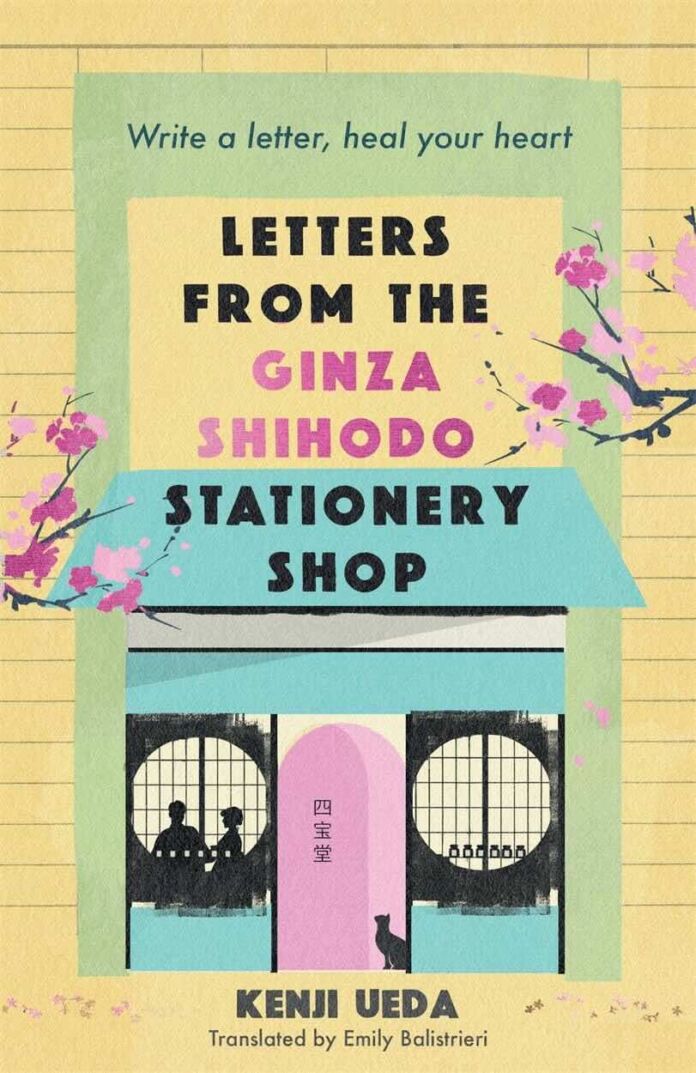
In this elegantly crafted collection of five interconnected stories, Letters from the Ginza Shihodo Stationery Shop, Kenji Ueda takes readers into the heart of Tokyo’s upscale Ginza district, where an unassuming stationery shop becomes a sanctuary for lost souls seeking connection, closure, and clarity. The shop’s thoughtful proprietor, Ken Takarada, serves as both narrator and supporting character, helping each visitor find exactly what they need—often much more than just paper and pens.
The Power of Writing and Memory
Ueda masterfully weaves together themes of memory, regret, and redemption through the medium of handwritten words. Each story centers on a different character who enters Shihodo Stationery Shop with a surface-level need for writing materials, only to discover deeper emotional revelations through the act of putting pen to paper. The author demonstrates a profound understanding of how the physical act of writing can unlock memories and emotions in ways that digital communication cannot.
Character-Driven Narratives
The five main stories follow:
- A young sushi chef returning to write to his grandmother
- A hostess contemplating a major career change
- A high school archery team vice-captain processing first love
- A businessman preparing a memorial address for his ex-wife
- A formerly homeless man seeking to thank his mentor
Each character is distinctly drawn, with their own voice and struggles, yet they share a common thread of needing to reconcile past and present through written words. Ueda excels at revealing character through small details and gestures rather than exposition.
Atmospheric Writing
The author’s descriptive prowess shines in bringing the shop itself to life. Readers can almost smell the paper and ink, feel the smooth wooden surfaces, and sense the contemplative atmosphere of the upper floor where customers go to write. The attention to sensory detail creates an immersive reading experience that grounds the sometimes ethereal emotional elements in tangible reality.
Cultural Context and Translation
Emily Balistrieri’s translation deserves special mention for maintaining the distinctly Japanese sensibilities of the original while making the text accessible to English readers. Cultural concepts like the importance of proper writing materials, business hierarchy, and social obligations are seamlessly explained within the narrative without becoming didactic.
Critical Analysis
While the interconnected story structure is generally effective, some readers may find the pacing uneven. The first and last stories are particularly strong, while the middle sections occasionally meander. The shop owner’s character, while essential to the narrative framework, sometimes feels more like a plot device than a fully realized person.
Additionally, the resolution of each story tends toward the optimistic, which may strike some readers as unrealistic. However, this gentle approach aligns with the book’s overall tone and purpose as a healing narrative.
Writing Style and Technique
In Letters from the Ginza Shihodo Stationery Shop, Ueda employs a deceptively simple prose style that belies the emotional complexity of his stories. His writing is precise and measured, much like the careful selection of proper writing materials his characters undertake. The author demonstrates particular skill in depicting moments of quiet revelation, where characters discover truths about themselves through the act of writing.
Strengths:
- Rich atmospheric detail
- Deep understanding of human nature
- Skilled integration of Japanese cultural elements
- Thoughtful exploration of writing as therapy
- Well-crafted character development
Areas for Improvement:
- Occasional pacing issues
- Some predictable plot resolutions
- Limited development of secondary characters
- Uneven emotional weight between stories
Comparative Context
While this is Ueda’s first work translated into English, it fits comfortably alongside other contemporary Japanese novels that explore themes of connection and healing through everyday objects and practices, such as “Before the Coffee Gets Cold” by Toshikazu Kawaguchi and “The Phone Box at the Edge of the World” by Laura Imai Messina.
Target Audience
Letters from the Ginza Shihodo Stationery Shop will particularly appeal to:
- Lovers of contemporary Japanese literature
- Stationery enthusiasts
- Readers interested in healing narratives
- Those who appreciate interconnected story collections
- Anyone drawn to quiet, character-driven fiction
Impact and Relevance
In our increasingly digital world, “Letters from the Ginza Shihodo Stationery Shop” makes a compelling case for the continued importance of handwriting and physical correspondence. The book suggests that something essential to human connection is preserved in the act of putting pen to paper, making it particularly relevant to contemporary readers seeking more meaningful forms of communication.
Final Verdict
Despite some minor flaws, this is a thoughtfully crafted work that successfully combines cultural specificity with universal emotions. Ueda has created a warm, contemplative space within these pages where readers can reflect on their own relationships with writing, memory, and connection.
Recommendation
Letters from the Ginza Shihodo Stationery Shop is recommended for readers who appreciate quiet, introspective fiction that explores human connections through the lens of everyday objects and practices. The book offers a perfect escape into a world where taking time to write by hand can lead to profound personal discoveries.
While it may move too slowly for those seeking more plot-driven narratives, readers who enjoy character studies and atmospheric writing will find much to appreciate in these interconnected tales.
The English translation captures the meditative quality of the original Japanese text while making the cultural context accessible to Western readers, making this an excellent entry point for those interested in contemporary Japanese literature.
For another literary fiction, try Make Me Famous by Maud Ventura.







