The Appetizer: Setting the Table
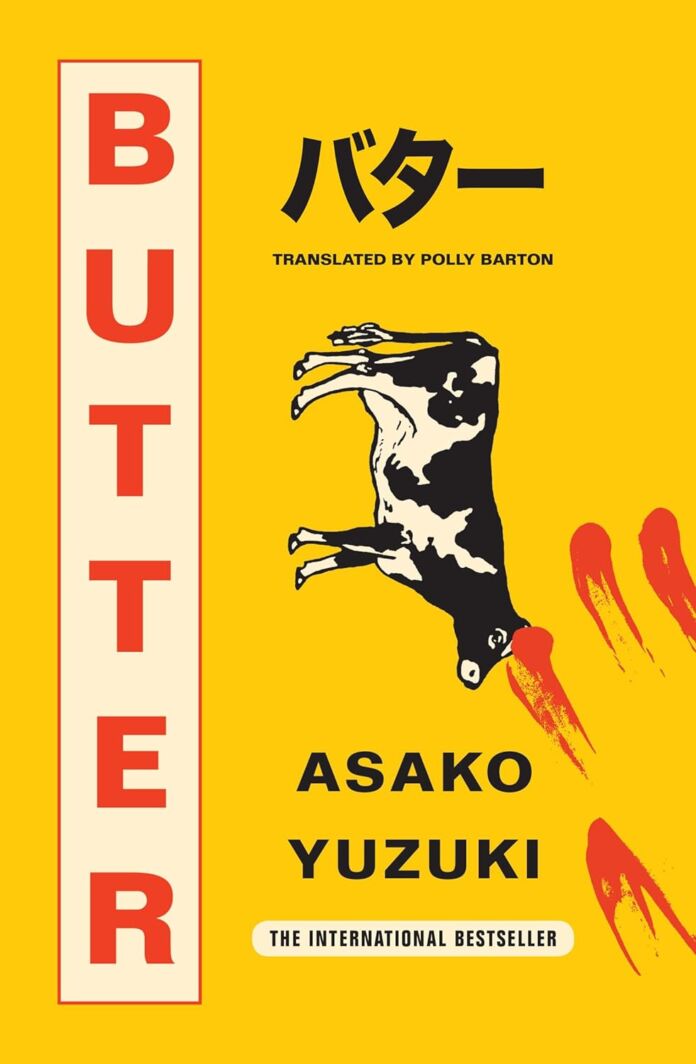
In a world where women are constantly told to watch what they eat, Asako Yuzuki’s “Butter” arrives like a decadent, calorie-laden feast. This Japanese bestseller, newly translated into English by Polly Barton, sinks its teeth into the juicy intersection of food, femininity, and murder. It’s a recipe that could easily curdle, but Yuzuki whisks together a tale that’s equal parts savory and unsettling, leaving readers both satisfied and queasy.
The Main Course: A Taste of the Plot
A Serial Killer’s Cookbook
At the heart of “Butter” is Manako Kajii, a gourmet cook with a penchant for rich, buttery dishes and an alleged habit of murdering lonely businessmen. Convicted and awaiting retrial in Tokyo Detention Center, Kajii is a culinary sphinx, refusing to speak to anyone—until ambitious journalist Rika Machida tempts her with a simple request for a beef stew recipe.
A Hungry Reporter’s Quest
Rika, the lone woman in her newsroom, is used to subsisting on convenience store meals and late nights. But as she begins her culinary correspondence with Kajii, something awakens in her. Each sumptuous meal unlocks not just new flavors, but new questions about desire, power, and what it means to be a woman in modern Japan.
The Secret Ingredient: Themes That Simmer
Butter vs. Margarine: The Battle for Authenticity
Yuzuki uses food as a potent metaphor throughout the novel. Kajii’s disdain for margarine—”But there are two things that I can simply not tolerate: feminists and Margarine“—speaks volumes about her worldview. Real butter, rich and unapologetic, becomes a stand-in for living life on one’s own terms, societal expectations be damned.
The Kitchen as Battleground
The act of cooking takes on layers of meaning in Asako Yuzuki’s “Butter.” For Kajii, it’s both a weapon and a form of self-expression. For Rika, it becomes a journey of self-discovery. Yuzuki deftly explores how the expectation of women as nurturers can be both a prison and a source of power.
Hunger Pangs: Desire and Deprivation
Food isn’t just food in this novel—it’s a stand-in for all forms of appetite. Yuzuki delves into the ways women are taught to deny themselves, whether it’s calories or ambition. As Rika indulges in Kajii’s recipes, she begins to question what else she might be starving for.
The Presentation: Yuzuki’s Narrative Style
A Slow Burn with Flashes of Heat
Yuzuki’s prose, at least in translation, has a deceptively simple quality. She builds tension slowly, like a pot set to simmer, but isn’t afraid to crank up the heat with moments of shocking violence or sensuality. The result is a reading experience that keeps you on edge, never quite sure if you’re in for comfort food or something more sinister.
Multiple Courses: Shifting Perspectives
While much of the novel focuses on Rika’s journey, Yuzuki isn’t afraid to let us into the minds of other characters. These shifts in perspective add depth to the story, allowing us to see how Kajii’s influence ripples out beyond her prison cell.
The Aftertaste: Critical Analysis
A Feast for Thought
Butter by Asako Yuzuki is a novel that lingers long after the last page. Yuzuki has crafted a story that’s both a page-turner and a meditation on some of society’s most deeply ingrained attitudes towards women. The way she weaves together themes of food, control, and desire is nothing short of masterful.
A Few Overcooked Moments
That’s not to say the novel is without its flaws. Some of the supporting characters feel a bit underdeveloped, and there are moments where the pacing drags. Additionally, readers looking for a straightforward crime thriller might find themselves frustrated by the novel’s more contemplative passages.
Cultural Flavors: A Japanese Perspective
It’s worth noting that Butter by Asako Yuzuki is deeply rooted in Japanese culture. While Barton’s translation does an admirable job of conveying the nuances, some cultural references and societal expectations may not fully translate for Western readers. However, this cultural specificity is also one of the novel’s strengths, offering a window into a society that still struggles with deeply entrenched gender roles.
The Digestif: Final Thoughts
“Butter” is not a novel for the faint of heart or weak of stomach. Yuzuki serves up a story that’s by turns thrilling, disturbing, and oddly sensual. It’s a book that will have you salivating over its lush food descriptions one moment and recoiling at its darker implications the next.
What makes Butter by Asako Yuzuki truly stand out is how it uses the familiar tropes of the crime genre to explore deeper societal issues. This isn’t just a story about a serial killer—it’s an examination of the ways women are expected to nurture, to nourish, and the violence that can erupt when those expectations are subverted.
For readers hungry for something beyond the usual crime fare, “Butter” offers a rich, complex meal. Just be prepared—like the titular ingredient, it’s a novel that’s best savored slowly, allowing its flavors (and its unsettling questions) to fully develop on the palate.
Pairings: Similar Reads and the Author’s Oeuvre
Our review of High Season by Katie Bishop covers another mystery thriller in the same vein.
A Taste of Yuzuki
“Butter” marks Asako Yuzuki’s English-language debut, but she’s an established voice in Japanese literature. While her other works haven’t been translated yet, fans of “Butter” should keep an eye out for future releases.
If You’re Still Hungry
For readers craving more culinary crime, Joanne Harris’s “Chocolat” offers a sweeter take on food as power. Those interested in explorations of Japanese society might turn to Sayaka Murata’s “Convenience Store Woman.” And for another perspective on women, crime, and societal expectations, Oyinkan Braithwaite’s “My Sister, the Serial Killer” makes for a darkly comic companion piece.
The Recipe Card: “Butter” at a Glance
Key Ingredients:
- A convicted killer with a culinary obsession
- A journalist hungry for the truth (and a good meal)
- Generous helpings of societal commentary
- A dash of sensuality
- Simmering tension throughout
Best Served:
With a full stomach and an open mind. “Butter” is a novel best devoured when you’re not actually hungry – its vivid food descriptions might prove too tempting otherwise. Prepare to have your assumptions challenged and your appetite for thought-provoking fiction satisfied.
In crafting “Butter,” Asako Yuzuki has whipped up a story that’s as rich and complex as the dishes her characters obsess over. It’s a novel that asks us to consider the power of food, the expectations placed on women, and the thin line between nourishment and destruction. For readers willing to indulge, “Butter” offers a meal unlike any other—just don’t be surprised if it leaves you with a touch of indigestion and a whole lot to chew on.







