July did not slow down. Thirty-nine books crossed our desk this month, from a Cinderella retelling spun through wartime to a hockey rivalry with fangs, from a scientist resurrecting her husband to a debut narrated by Death. Some of them earned their hype. A few stumbled. Every one of them got the full review treatment, and this roundup gathers all the books of July 2026 we covered in one place, sorted by shelf.
Each entry below gives you the real shape of the book: what it is, where it shines, where it wobbles, and who should pick it up. When one catches you, the full spoiler-free review is a click away. Consider it our complete guide to the books of July 2026.
The Romance Shelf
Nine romance books of July 2026 made the cut, running from beach comedy to hockey rivalry.
Not that Kind of Proposal by Victoria Lavine
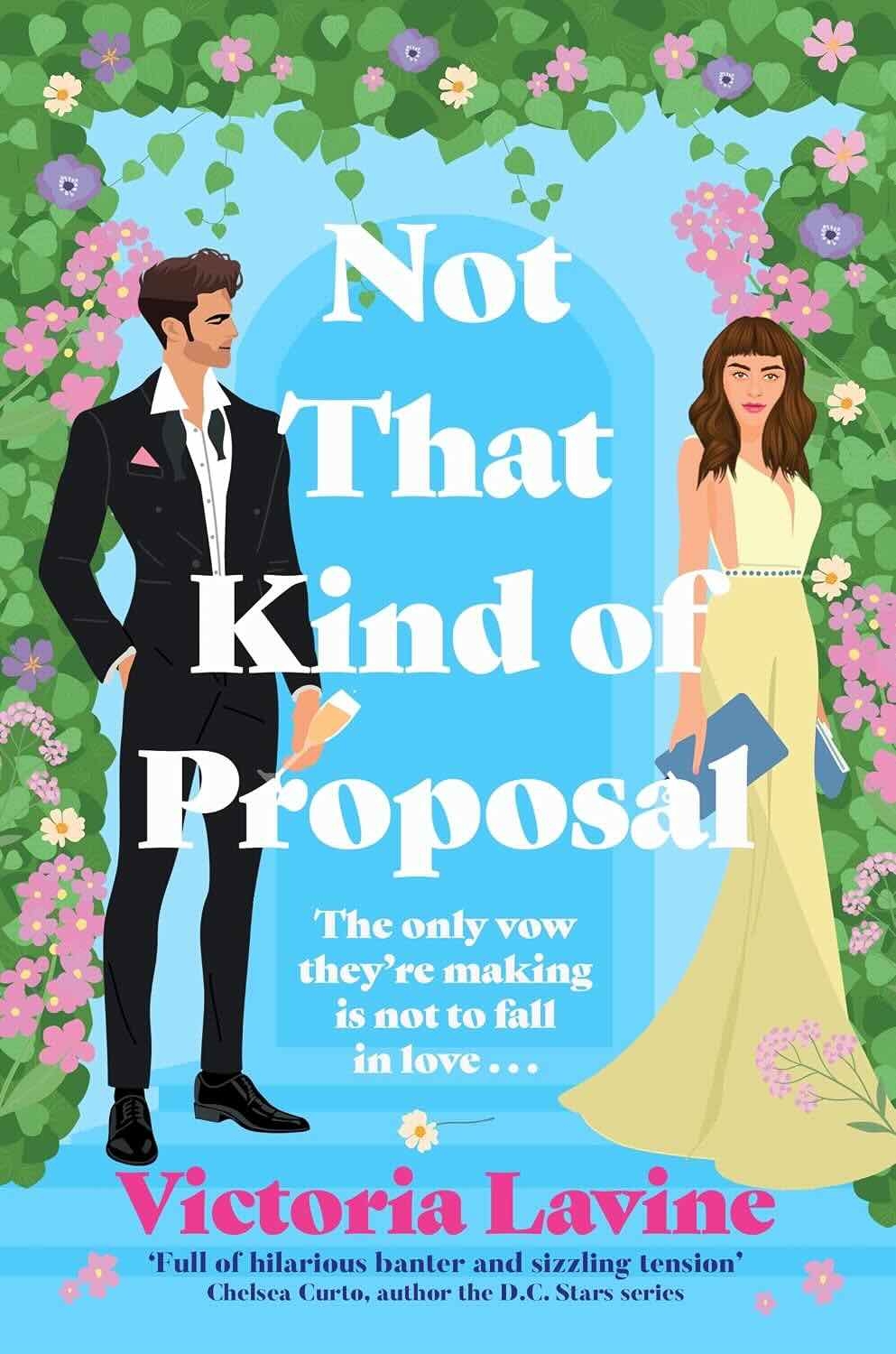
Planning your own ex’s wedding to save the venue you love is exactly the kind of scheme only a hopeless romantic would attempt, and it powers Victoria Lavine’s second novel. Gracie Holland plans weddings at Larkwood, an ivy-covered Rhode Island estate where she also lives, until the beloved owner dies and the property passes to her grandson Jude, a divorce lawyer determined to sell by summer’s end. Gracie’s bargain to prove Larkwood’s worth puts her own cottage on the line. Her narration carries the book, quick, comic, and quietly bruised, while Jude’s cynicism grows from real history, his thaw earned through small gestures like detailing his car so she never sits in cat hair.
Agatha, the bawdy late owner, haunts the story wonderfully, and beneath the froth runs a carefully handled thread about grief and growing up in an unsafe home, supported by a sensitivity reader and flagged in an author’s note about domestic abuse discussed, never shown. Honest caveats: the central bargain’s logic wobbles under scrutiny, a few jumps from broad comedy to heavy material land abruptly, and seasoned romance readers will see the third-act conflict coming. Pick it up if you like enemies-to-lovers with sharp banter, real emotional stakes, and steam that never turns gratuitous.
Extracurricular by Rachel Lynn Solomon
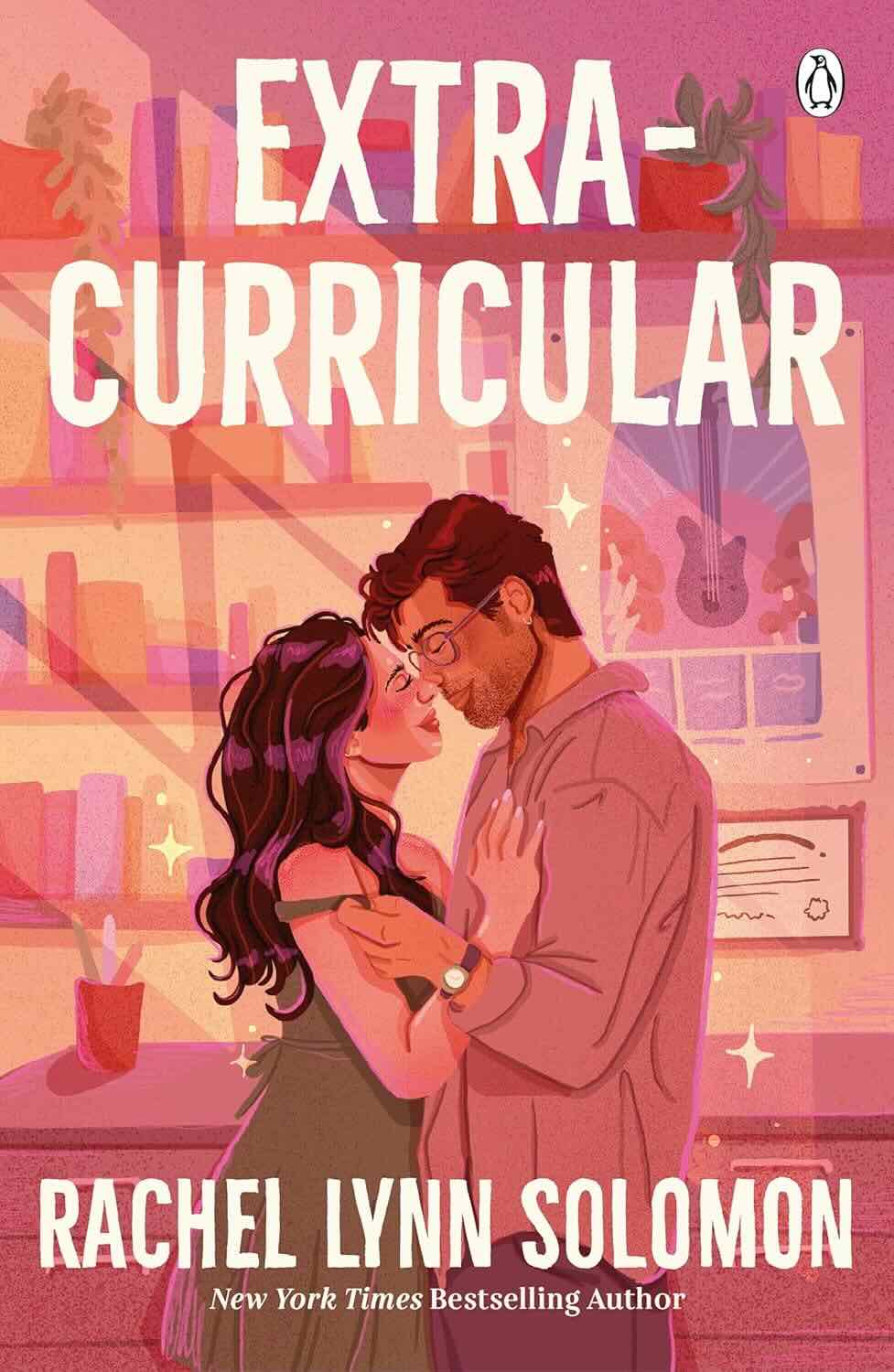
Ramona Wilder spent her whole life being watched, first as a child sitcom star, then as a three-time Grammy winner, so at twenty-six she quits music and enrolls as a freshman at UCLA in search of an ordinary life. Her psychology professor, Nick Navarro, recently divorced and armed with terrible dad jokes, vows to treat his famous student like anyone else, a plan that survives roughly one class period. What follows is a friendship-first slow burn in which she coaches him back into dating and he coaches her toward normal. Rachel Lynn Solomon gives Ramona a sharp, self-aware voice that is most affecting when the defenses finally come down, and Nick is that rare kind hero written without turning his kindness into blandness; his bond with his deadpan teenage niece Audrey is a highlight, as are the texts, Post-it notes, and a very funny fake tabloid piece that break up the chapters.
The heat is properly explicit and consent-forward, so chaste-romance readers should know going in. On the critical side, the professor-student ethics are acknowledged but never generate real dread, the final stretch crams the fame and justice storylines into a heavy back third, and Ramona’s manager-mother stays a one-note villain. Suits fans of The Ex Talk and Weather Girl who want banter with a thoughtful core.
The Romance Revival by Christina Lauren
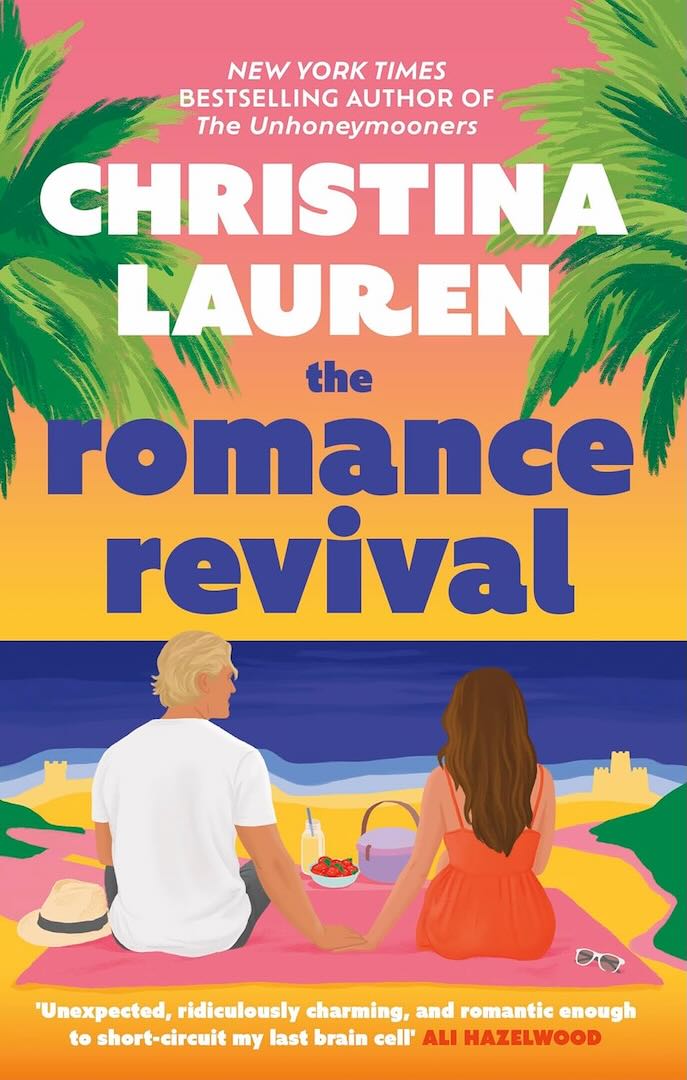
Three years into a marriage that began with a laugh across a Vegas wedding reception, Emery Finch has become an absent wife, buried in a secret research job and forever promising her landscaper husband Luca that he will understand soon. When an accident kills him, she breaks her own rules and uses her technology to bring him back, and he returns healthy but with no memory of her or the life they built. Christina Lauren refuse to treat the amnesia as an easy reset: Luca meets his wife as a stranger, keeps his humor, and keeps asking the uncomfortable questions she once avoided, and his outsider’s view of his own marriage produces the book’s most affecting chapters. The second courtship, pool-hall flirting and slowly rebuilt trust, gives the story its glow, and beneath the lab plot sits a grown-up idea about love as a matter of paying attention.
The seams do show. The thriller machinery asks for generous suspension of disbelief, the pacing runs uneven whenever the outside threat intrudes on the couple’s quiet middle stretch, and Emery’s past neglect is described more than dramatized, since we meet her already remorseful. With open-door spice and a scene-stealing deadpan lab partner, this suits fans of second-chance and marriage-in-trouble stories with a speculative hook, less so strict realists.
Yes, Chef by Grace Reilly
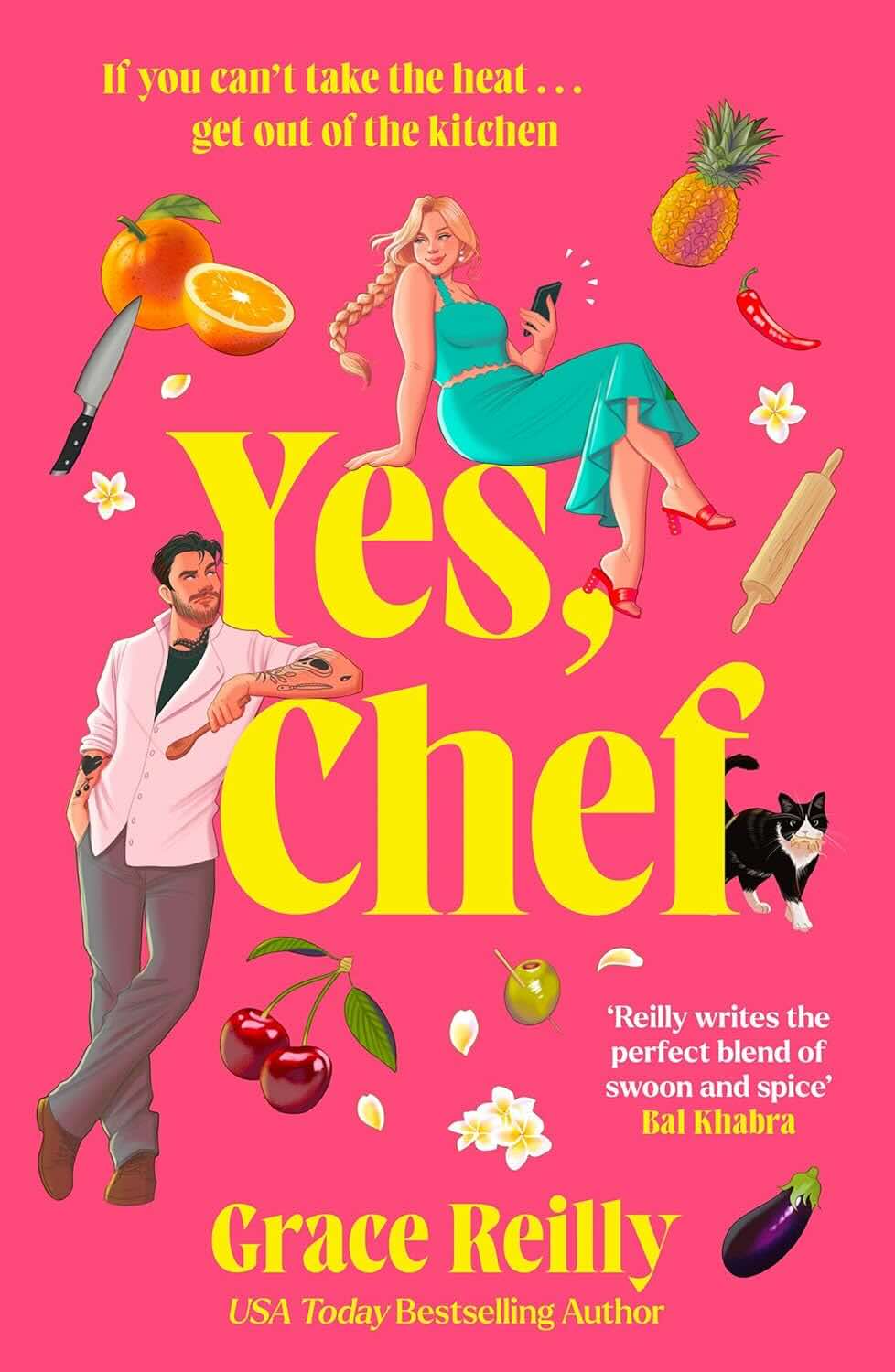
A cocktail shrimp lobbed across a Hamptons wedding tent sets the tone: loud, food-obsessed, and more tender than its opening chapters suggest. Jack Hartman is a James Beard winner whose temper finally detonates in front of the wrong critic; Poppy Winfield is an influencer with 2.3 million followers who gets dumped in the same dining room that night. He inherits a shuttered Florida restaurant, she proposes a partnership, and he agrees on one condition: she has to learn to cook the food she plans to sell.
Grace Reilly, in her first adult standalone after the Beyond the Play series, structures the rebuild across fifty-three short chapters named for ingredients and techniques, and her leads are the strongest thing here. Jack’s grief surfaces sideways, in a restaurant he cannot bring himself to rename, while Poppy earns her competence step by believable step, onions to knives to a full menu, with her dessert-rescue scene a genuine high point. Both leads have ADHD, drawn from Reilly’s own diagnosis and handled as everyday detail rather than a plot device.
Fair warnings: Jack’s early cruelty toward Poppy lasts longer than it should, the middle repeats its lesson-banter-retreat rhythm, and the abundant heat sometimes elbows aside talks the couple keeps postponing. One for fans of The Bear, and for readers who want a kitchen-true romance where the heroine’s arc is competence, not a makeover. No warmer kitchen romance appeared among the books of July 2026.
The Final Score by Lana Ferguson
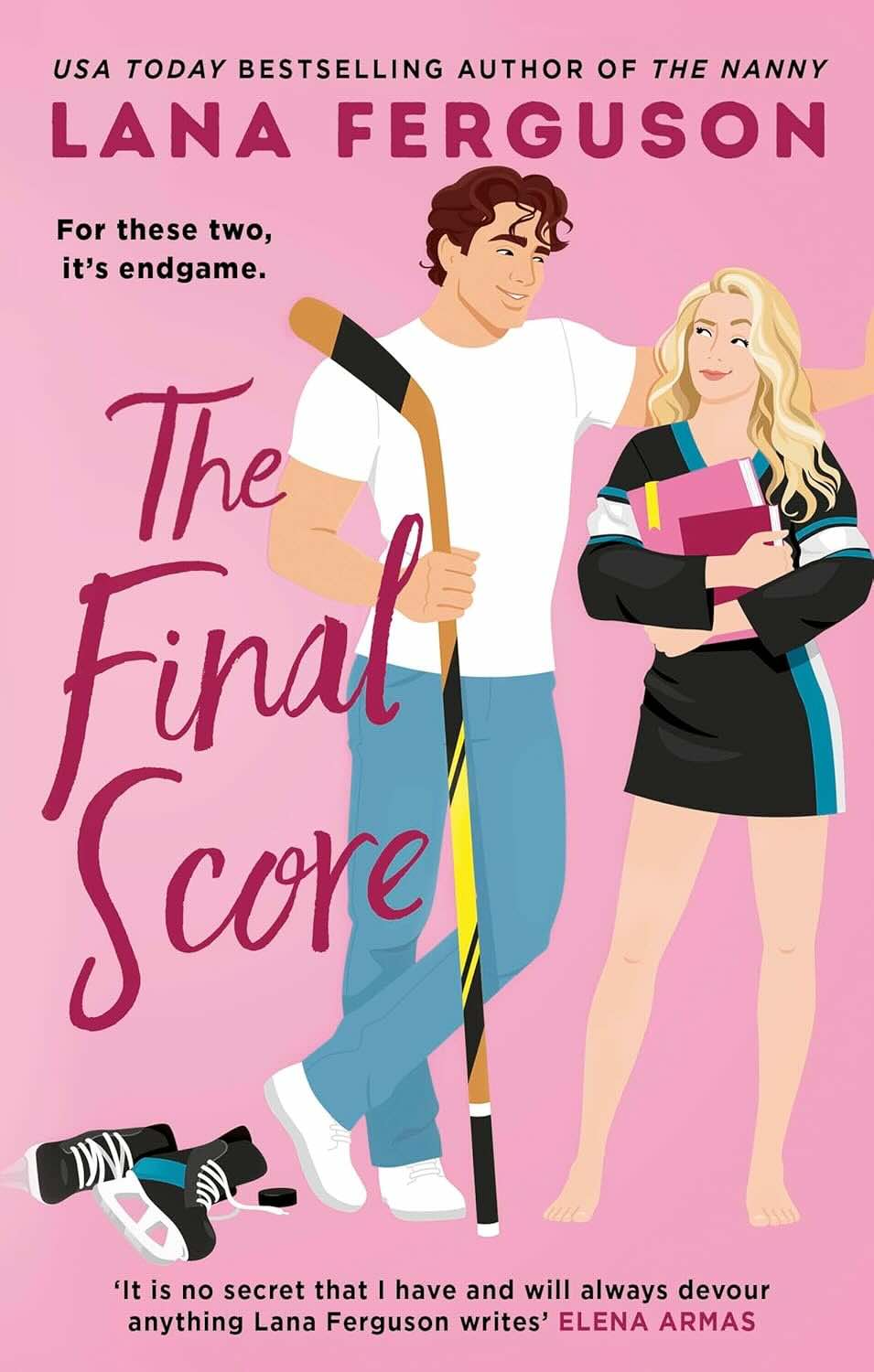
Hockey takes a back seat to feelings in Lana Ferguson’s follow-up to The Game Changer, and mostly by design. Jack Baker of the Boston Druids has reinjured himself badly enough that doctors are discussing surgery and permanence, terrifying for a man who has played the strong one since his parents died. Abigail Thompson, a psychology grad student and the hidden daughter of a famous man who resents that she exists, gets flooded out of her apartment and lands in the spare room of her half brother’s best friend: Jack, the exact kind of flirt she long ago swore off. Ferguson’s hero is the standout, a lifelong people pleaser whose panic attacks, medication, and stress-cooked nachos are written without glamour, and whose fear eventually turns him cruel toward the gentlest person in his orbit, a lapse the book refuses to excuse.
The bickering slides from insult into flirtation almost imperceptibly, and the ending answers the injury question honestly instead of reaching for a miracle cure. On the downside, the middle settles into cozy domesticity and loses momentum, Abby’s father remains a flat villain, and for a novel with this title there is surprisingly little of the game itself on the page. Ideal for forced-proximity and brother’s-best-friend readers who like high heat and heroes who cry, less so for anyone who came for the sport.
Love You More by Emily Giffin
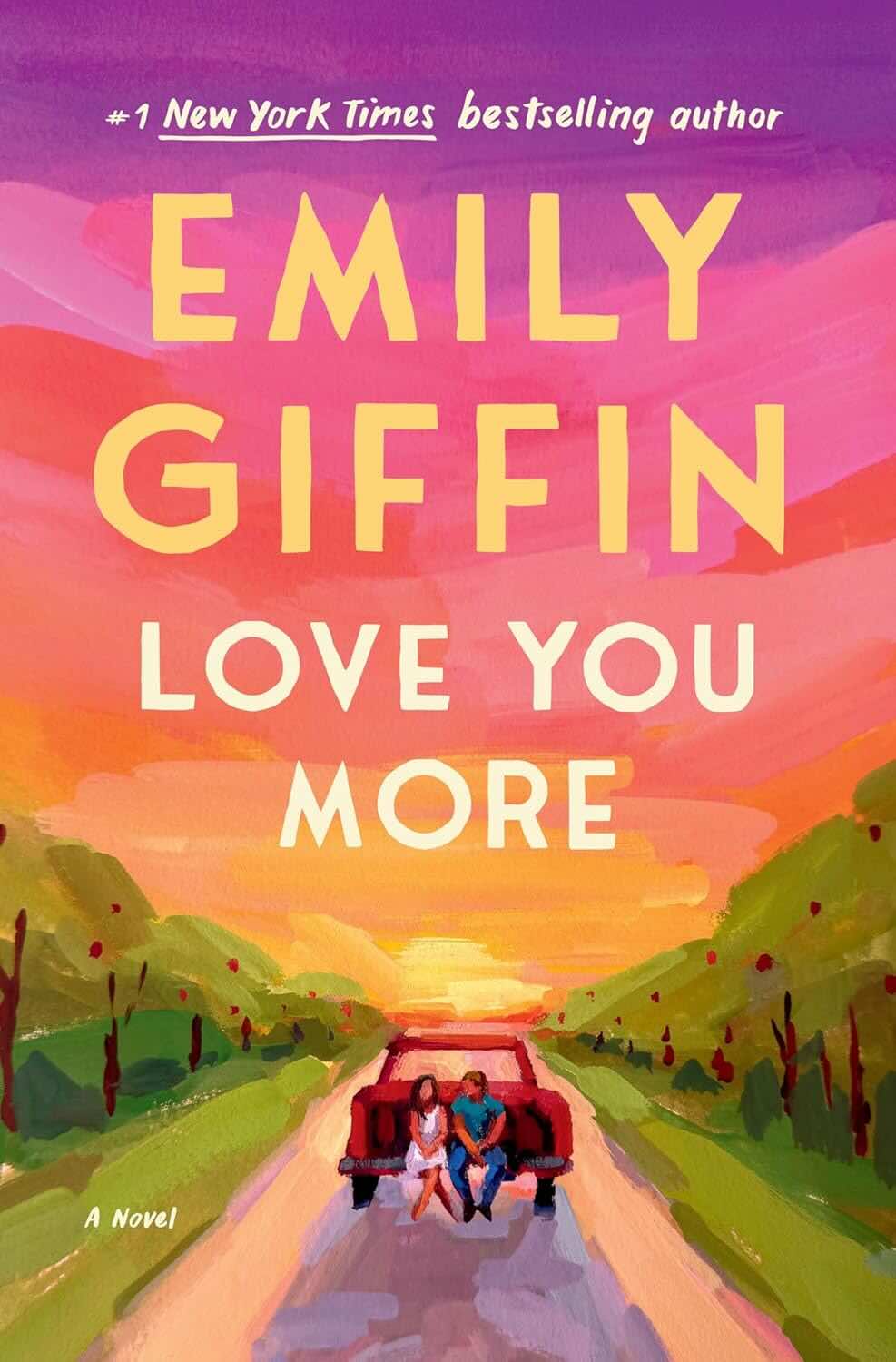
A seaside marriage proposal opens Emily Giffin’s thirteenth novel, but the real story begins with a phone call at dawn. Billie Wright is a New York fertility doctor engaged to Dean, a steady trauma surgeon, with fifteen years of distance between her and the Wisconsin hometown she outran. Then Mick, her first love, calls for the first time in nearly a decade and pulls her back into the past she packed away.
Told in two timelines, the book braids Billie’s present-day return with the slow teenage build of her first romance and her fierce friendship with Erin, so a throwaway line early on can ache hundreds of pages later. The friendship is the real triumph, along with Maeve, Mick’s younger sister, who has Down syndrome and is written with unusual care, never reduced to a sentimental device, and Giffin’s sharp eye for class detail, laminated menus set against rooftop martinis. Fair warning: the marketing oversells the love triangle, because the emotional core here is grief and caretaking rather than a steamy tug of war.
The pacing is front-loaded, with a long nostalgic opening delaying the present-day stakes, and the ending resolves a shade too neatly, helped by Dean being almost too accommodating. It earns the review’s label of “comfort reading with a lump in its throat,” ideal for Giffin fans and book clubs that enjoy a good argument.
Every Version of You by Natalie Messier
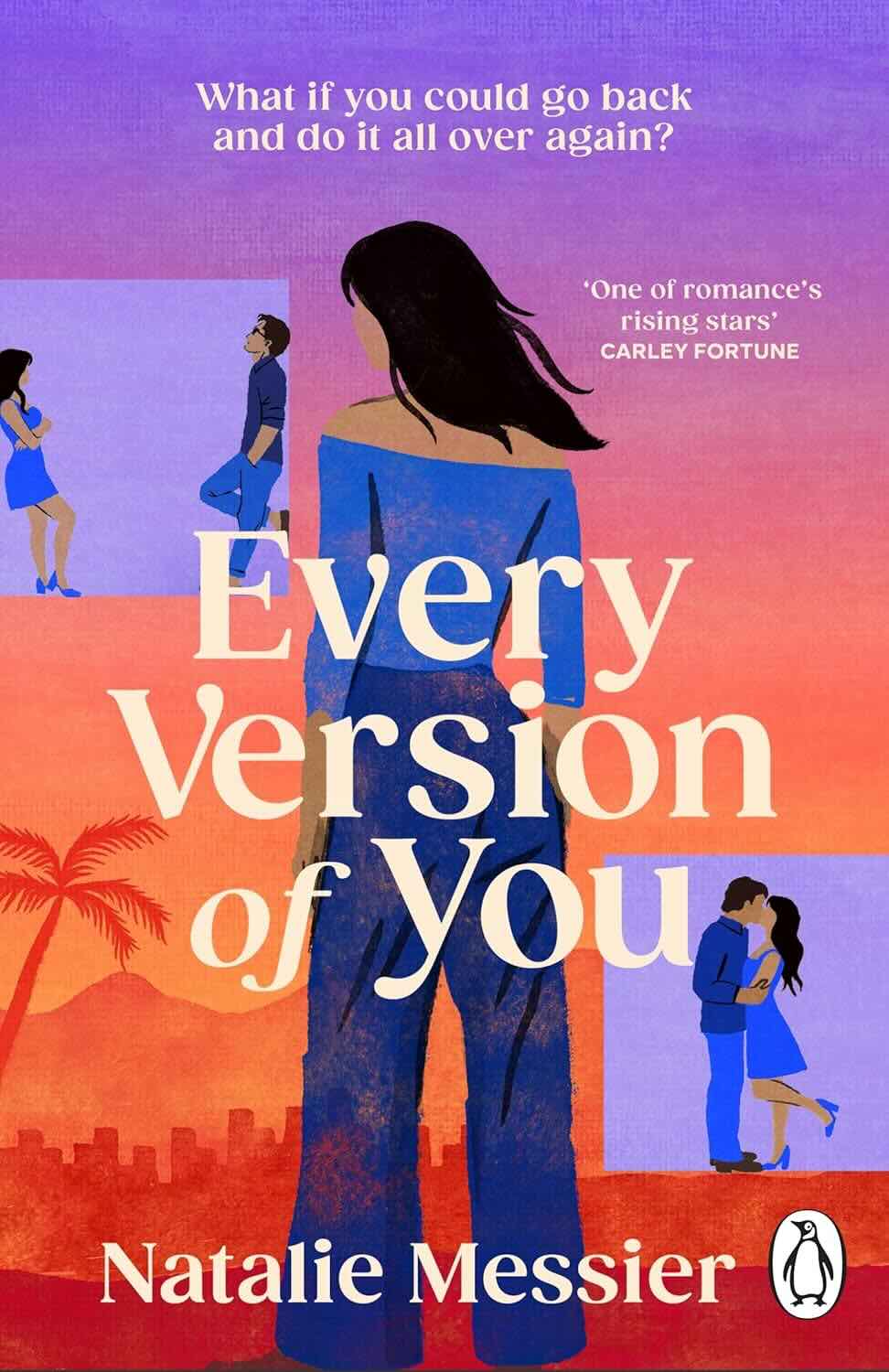
Dying at a dinner party turns out to be the least of Joey Vasquez’s problems. The thirty-two-year-old Los Angeles lawyer wakes in a drab afterlife office, mustard walls and ugly shag carpet, where a tired caseworker offers one do-over with strict rules: return anywhere in her own life, tell no one, no third chances. Joey picks the night of her first college party, planning to finally win Ellie, the married best friend she has loved for fifteen years.
Instead she keeps colliding with eighteen-year-old Alex, who in her first life grew into an arrogant tech mogul she had an affair with, and who at eighteen is thoughtful, charming, and brings menudo to her sickbed. Natalie Messier’s debut refuses to sand down the moral discomfort: Joey’s knowledge of the future complicates far more than it solves, and someone is always visibly about to get hurt. The deadpan bureaucratic magical realism, Joey’s lawyer-sharp narration, and the lived-in Mexican American texture, from Vicks debates to easy code-switching, all earn their keep.
Less successful: the afterlife’s rules stay deliberately fuzzy, a few college subplots circle before they connect, and the whole romance hinges on accepting an affair in the backstory. Readers who loved The Seven Year Slip or enjoy messy, morally complicated love stories should grab it; sticklers for airtight worldbuilding may squirm.
Tempting Venom by Rina Kent
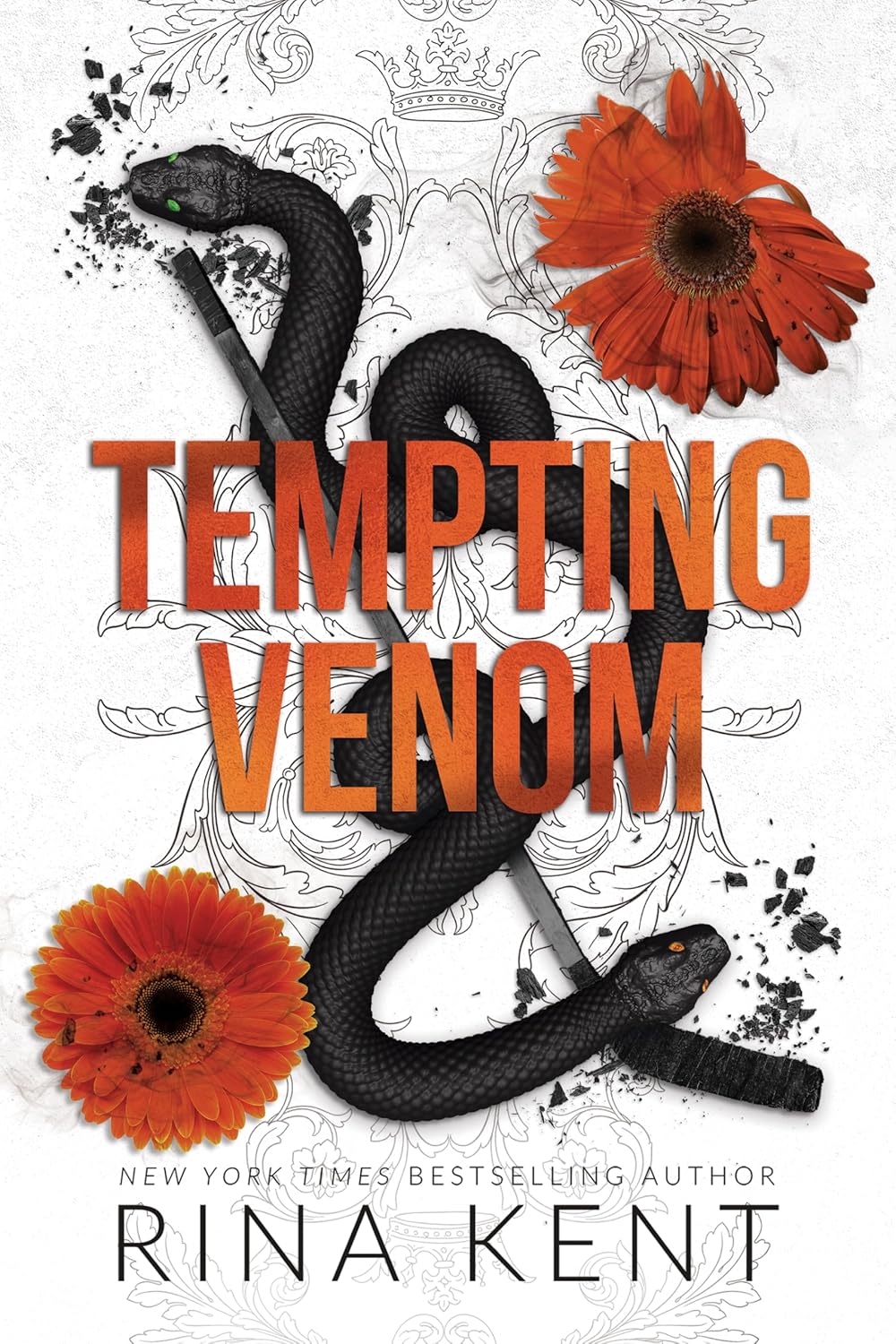
Enemies-to-lovers rarely commits like this. Closing out the Vipers trilogy after Beautiful Venom and Sweet Venom, Rina Kent pits Preston Armstrong, a founding-family golden boy who wins hockey games by getting inside opponents’ heads, against Marcus Osborn, the unclaimed son of a powerful man who captains the rival Wolves. Their history reaches back to a single childhood afternoon, and what develops is, in the review’s words, “a fight that keeps not ending,” the line between destruction and desire steadily dissolving.
The split narration is the standout craft choice: Preston narrates in manic comic bursts that mask genuine fragility, Marcus in a colder, clipped register, and the gradual crack in that control gives the book its charge. Kent writes Preston’s bipolar disorder with interior credibility rather than shorthand, renders the hockey with the specificity of someone who has watched real games, and gives his slow acceptance of his sexuality real room to matter. The dark-romance label is deserved, and the extensive content warnings should be taken seriously.
On the debit side, the middle revisits the leads’ standoff a few beats too many, the Vencor secret-society conspiracy competes with the romance and leaves subplots dangling, and newcomers may find the founding-family politics crowded. Best for readers who want MM rivals who truly mean it; low-angst comfort readers should sit this one out.
The Shampoo Effect by Jenny Jackson
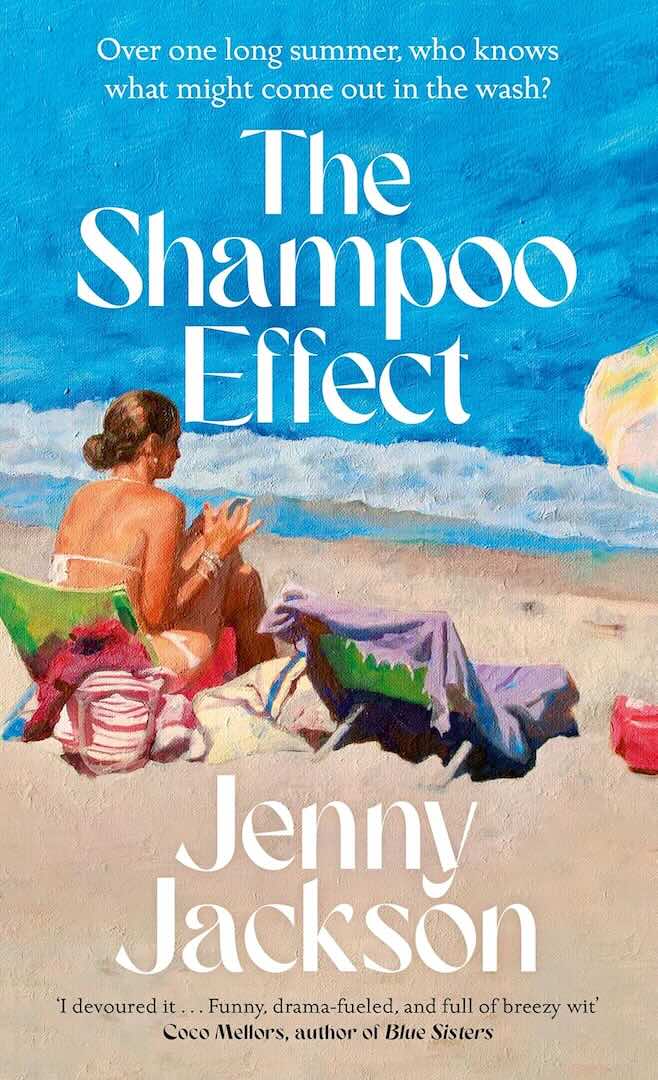
Small-town beach reads do not usually bite, but this one does. Caroline Lash, twenty-eight and the daughter of a bestselling thriller writer, arrives in seaside Greenhead, Massachusetts, on a writing fellowship and falls for Van Whittaker, a litter-collecting local with the energy of a handsome Border collie. Van comes attached to a lifelong friend group, Bailey, Augusta, and Fran, and when a pregnancy shifts the balance, Caroline is pushed out and her response sets the whole town talking.
The title draws on the group’s old drinking lore: a second squirt of shampoo lathers fast because the first never fully rinsed, and in ancient friendships no one ever starts fresh. Jenny Jackson, a Knopf editor and the author of Pineapple Street, rotates the point of view among the women, and that choice pays off: Bailey emerges as the group’s most emotionally honest member, Augusta’s prickly chapters turn unexpectedly moving, and Fran, exhausted by a house full of men, gets the sharpest lines. The comedy grows out of character instead of reaching for punchlines.
Quibbles: the sunny middle stretch is slow to ignite, Van reads more as an idea of a good man than a person, and the gentle ending does not quite match the earlier sharpness. Perfect for fans of Seating Arrangements and Pineapple Street who want their beach comedy served with a hidden barb. It has the sharpest ensemble among the romance books of July 2026.
Fantasy and Romantasy Books of July 2026
Eleven of the fantasy books of July 2026 earned full reviews: retellings, finales, and one hand-painted oddity.
Fishbone Cinderella by Elizabeth Lim
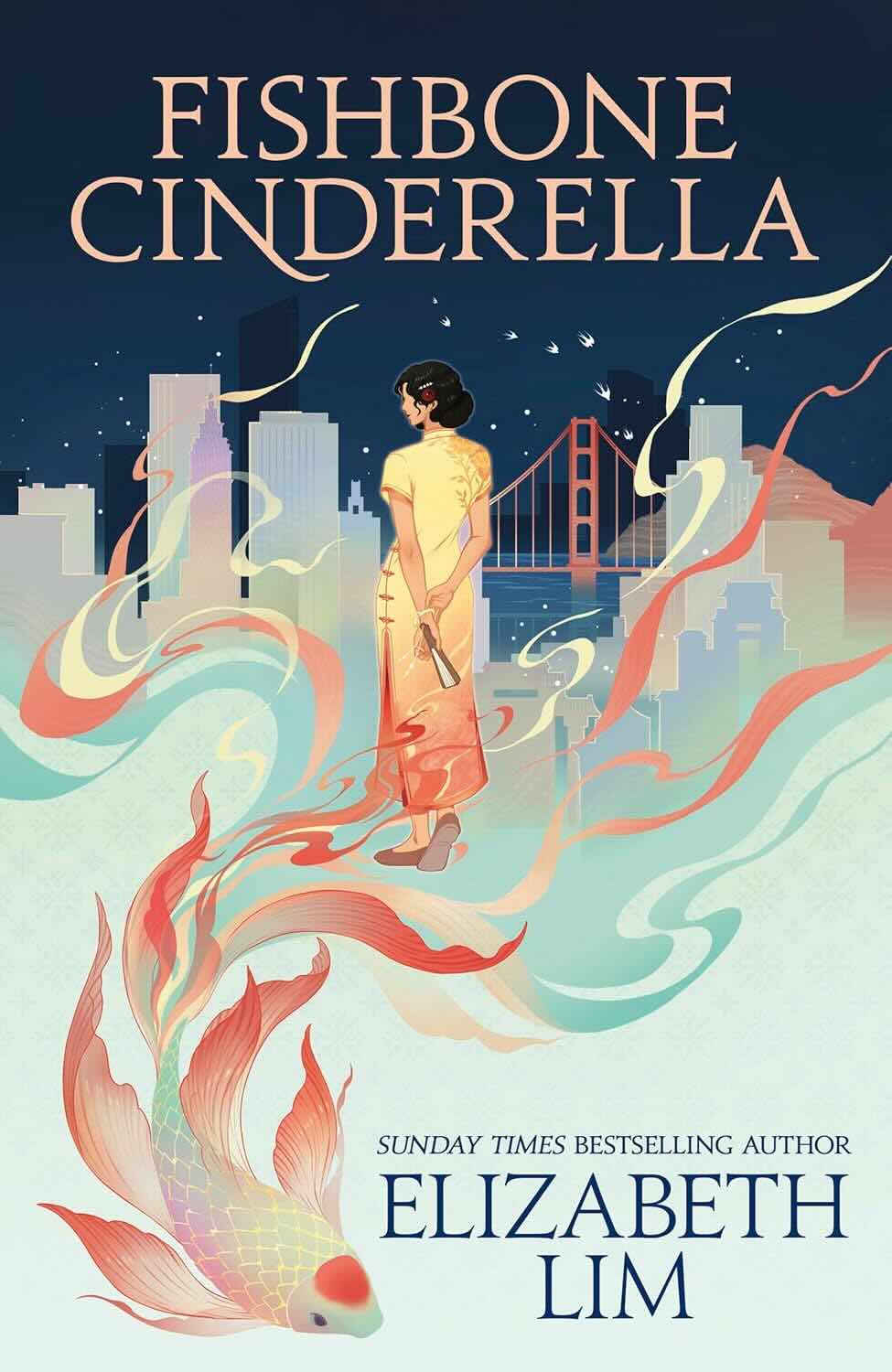
Elizabeth Lim’s first novel for adults buries the Yeh Shen fairy tale inside a family saga stretching from wartime Guangdong to 1980s California. In 1940, seven-year-old Yut Ying discovers she can turn invisible while hiding from soldiers, then grows up as an unpaid cook in her stepmother’s Hong Kong household. Decades later her Berkeley-born daughter Marigold, who reads other people’s memories through touch, joins her on a 1980 trip back to Hong Kong, where both women must reckon with an inherited curse and long-held secrets.
Yut Ying’s first-person narration is the great achievement here, petty, proud, and heartbreakingly observant, while Lily, the bespectacled stepsister who pockets small objects from people she dislikes, quietly walks off with every scene. Food carries the emotional weight too: egg tarts, cabbage buns, and dried persimmons say what mothers and daughters cannot. Honest caveats apply, though.
The 1950s Kansas City stretch slows the momentum badly, several reveals are telegraphed chapters before they land, and after four hundred patient pages the curse resolves with surprising speed. Sai Ma, chilling in her small cruelties, also tips into melodrama late on. Readers of historical fiction threaded with magic, particularly fans of mother-daughter sagas in the Amy Tan mold, should expect tears and consider them earned. Among the fantasy books of July 2026, this is the one that lingers.
Sea of Charms by Sarah Beth Durst
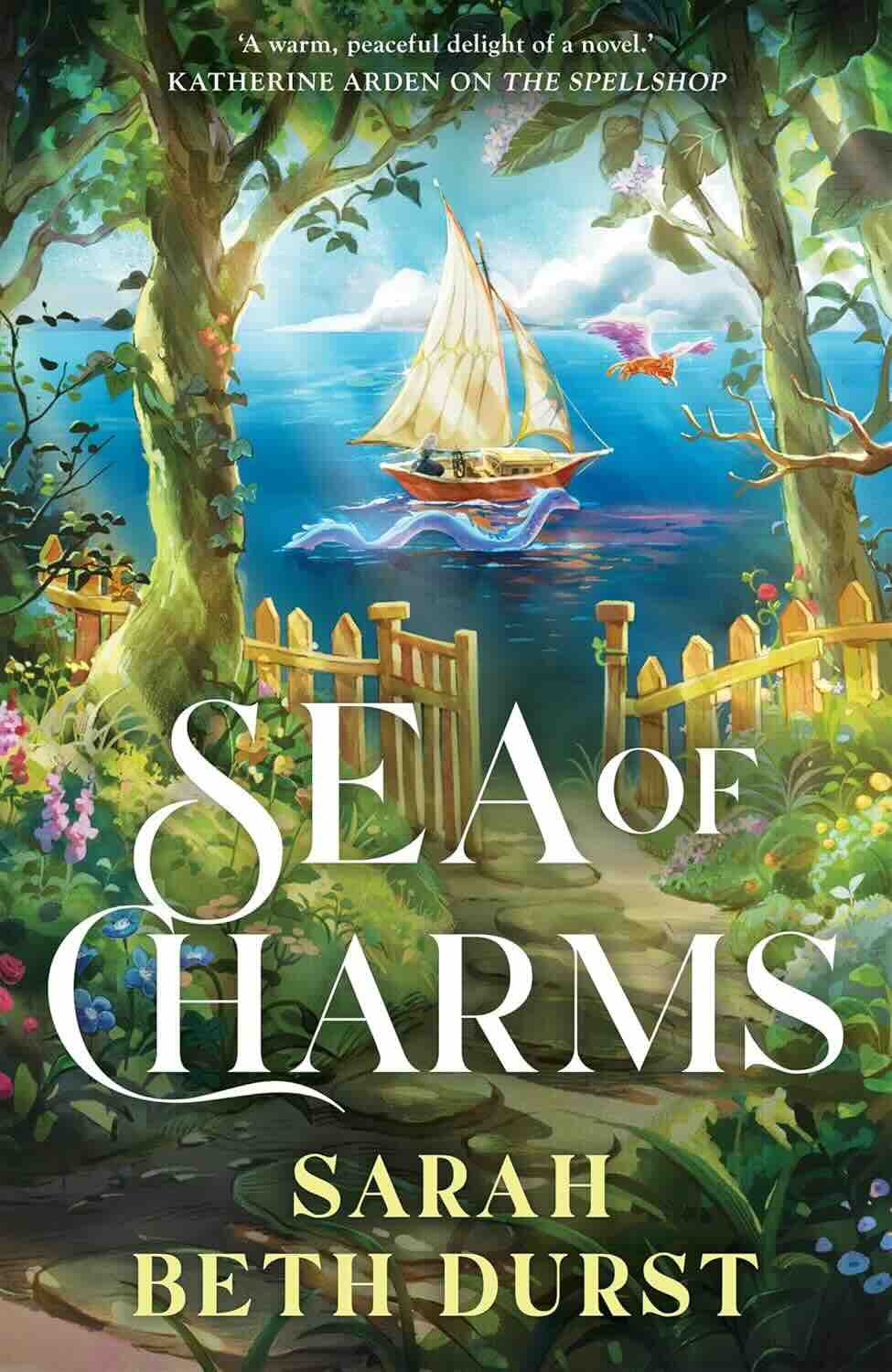
Salt spray replaces shop shelves in the third Spellshop book, which works perfectly well as a standalone entry point. Marin is a supply runner who sails with a singing sea serpent named Perri and Ree, a wax myrtle shrub with more enthusiasm than sense. A routine delivery lands her in a capital city mid-revolution, and she escapes with Dax, a sheltered composer who agrees to play her pretend sweetheart at a harvest festival back home.
The crew is the book’s greatest pleasure: Durst writes found family so tenderly that a shrub shouting “Land, ho!” becomes genuinely moving, and the kelp forests, singing waterfalls, and sugar-cake spires are drawn with real sensory care. Music threads through everything, and the story lets sweetness sit honestly beside grief, including a burning city and a displaced family. The soft spots are real, however.
The villain from Marin’s past looms larger in her mind than on the page, the delivery-to-delivery structure sags in the middle, and the fake-dating romance signals its destination early, with Dax so unfailingly kind that friction rarely sparks. This one belongs to readers of comfort-forward fantasy who want emotional rather than apocalyptic stakes, adore animal companions, and prefer slow-burn, closed-door love stories where kindness does the heavy lifting. It is the gentlest of the books of July 2026.
Prince of Swords by Elise Kova
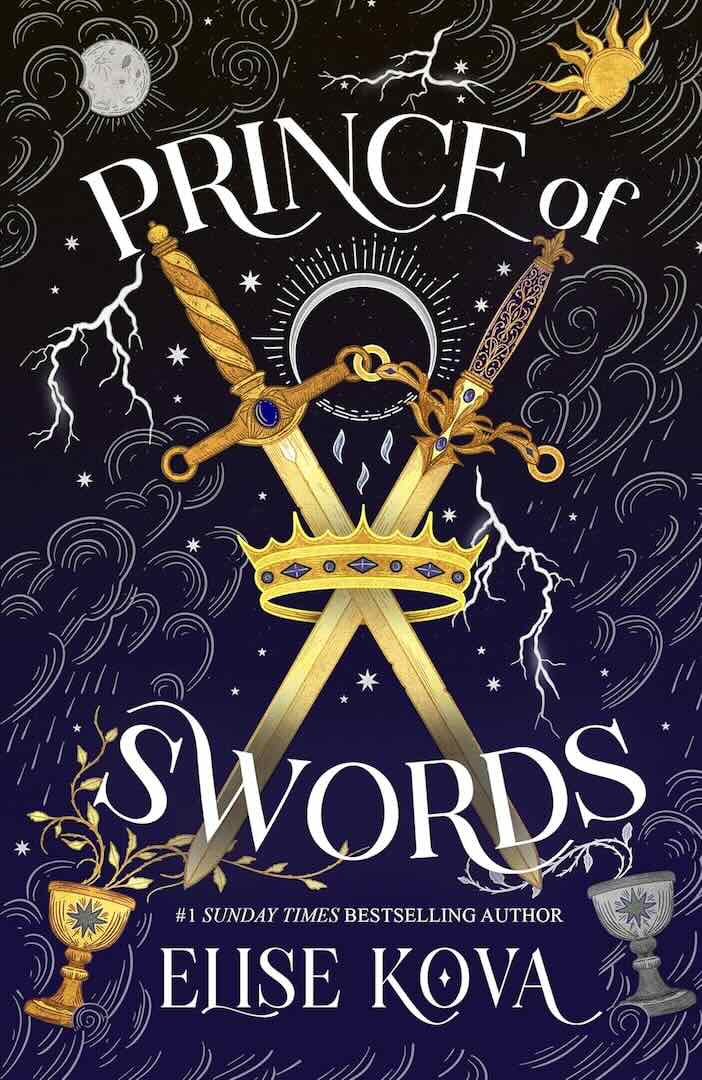
No gentle reintroduction awaits returning readers here. The second Arcana Academy book opens with Clara Graysword bound, beaten, and bargaining with nothing but spite, and Kova assumes you remember book one, which is essential reading first. What follows strips the clever thief down and asks what a person will surrender to survive, with every gain arriving at a cost Clara pays in front of us.
The first-person present-tense voice stays tight and physical, the tarot-based magic functions as a real tactical toolkit in fights, and deaths and injuries actually stick. Kaelis remains genuinely frightening rather than defanged, and his scenes with Clara carry the charge of two people who refuse to flinch at each other. A recovery arc through the middle handles trauma with patience, and the final three chapters reframe everything. It sits at the darkest edge of the romantasy books of July 2026.
The flaws are worth naming: the middle settles into a loop of research and postponement, the Worldkeepers stay thin as characters, allies come a little too easily, and late revelations arrive as dense blocks of two people explaining lore in a quiet room. This is adult fantasy romance, markedly darker than its predecessor, with captivity, torture, and explicit content. Ideal for readers who want romantasy with a real body count, hard magic rules, and morally compromised love interests who stay compromised.
A Forsaken Prophecy by Stacey McEwan
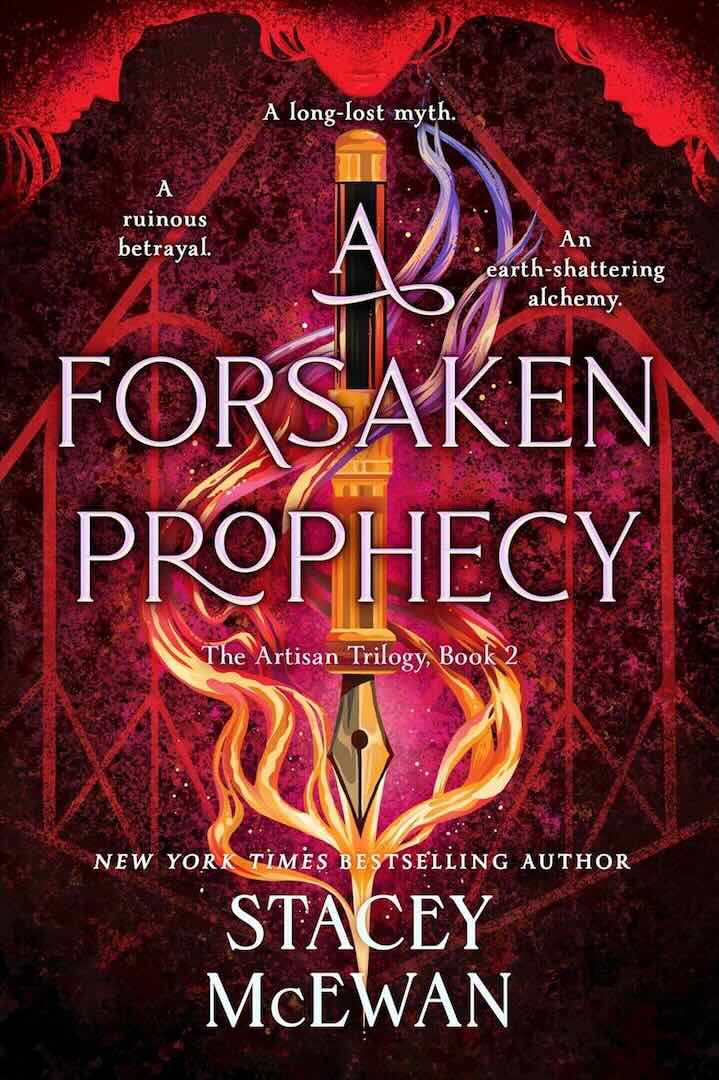
Belavere Trench, the gaslamp-and-gunpowder world of the Artisan Trilogy, runs on idium, the substance Craftsmen mine so the ruling Artisans can work magic, and in this middle book the supply is running dry. Nina Harrow and Patrick Colson open the story as wounded prisoners who can barely look at each other, then flee across dying mining towns chasing a prophecy about an endless vein. The worldbuilding earns the “Peaky Blinders with magic” shorthand readers have given it, all damp timber, union politics, and factory-town menace, and McEwan hands chapters to a wide cast so no single grudge dominates.
Theo, forever changing color to survive, is the book’s best moral knot, and Lord Tanner is a chilling portrait of entitlement. The romance is a slow, aching second-chance burn, cooler and sadder than the sizzling marketing suggests until the back third. Fair warning on the middle-book strain, though: the town-to-town rhythm repeats itself, a late reveal or two lands because the plot needs it, several threads get parked for book three, and the cliffhanger ending will test the impatient.
Mature content includes wartime violence and an attempted assault. Readers who want class politics and industrial grime instead of palace ballrooms, plus villains with interior lives, will find this darker second act stronger for its seriousness.
In the Wake of the Ruined by Kalie Cassidy
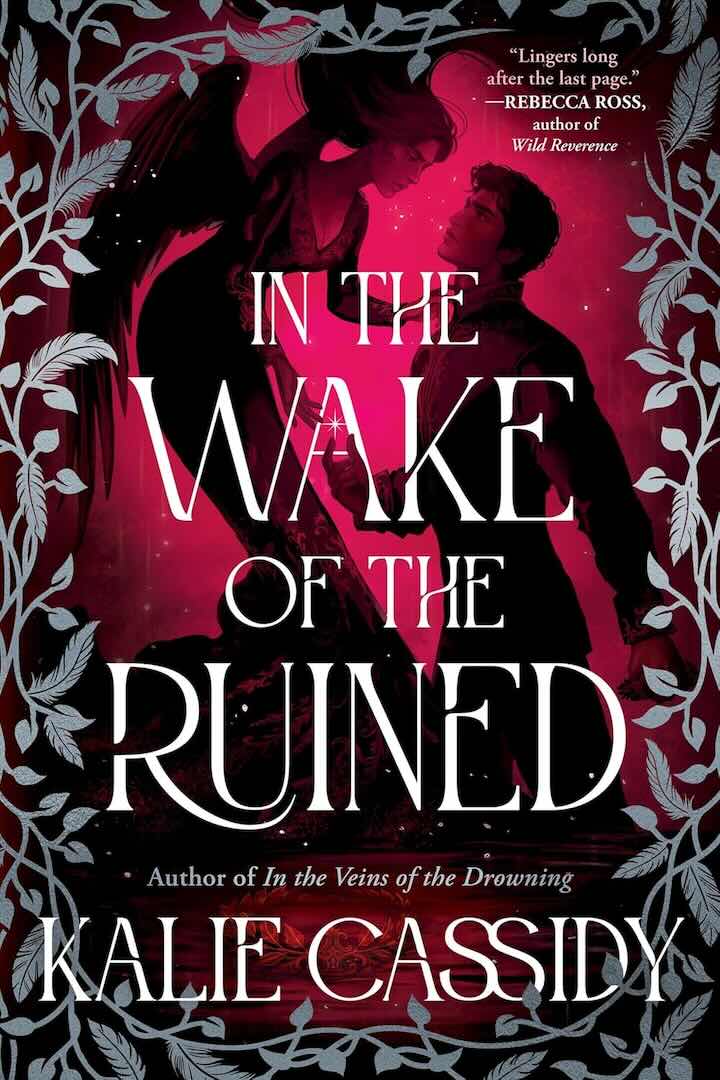
Closing The Siren Mage duet, this finale finds Imogen Nel newly crowned after killing her father, condemned by Varya’s council, and bound to Eusia, an ancient cannibal deity with a hand inside her power. She stows away on the warship carrying Theodore, King of Varya, toward a political marriage, and the forced proximity becomes a loaded weapon, since the god’s hunger and Imogen’s love have grown indistinguishable. The magic is the standout structural choice: every spell in Leucosia costs flesh, blood, or body, and Cassidy never lets anyone cheat that rule.
Chancellor Eftan, who frames his atrocities as devotion to the king he raised, ranks among the year’s best antagonists, and Halla, the rival fiancée, earns a late confession that recontextualizes nearly everything. Cassidy’s decade as a stage actor shows in playable dialogue and physical staging. The seams are visible, though.
The middle third circles through the same resolve-fail-repeat loop, Imogen’s guilt becomes a repeated tic other characters must keep correcting, the needed spell is always conveniently on a flagged page, and the endgame sprints after all that lingering. Content notes include body horror, mutilation, and explicit intimacy. Best for readers who want fantasy romance that hurts before it heals, with a genuinely frightening heroine, and who have read In the Veins of the Drowning first.
Dragonslayer’s Valkyrie: The Legend of Sigurd and Brynhildr by Jennifer Ivy Walker
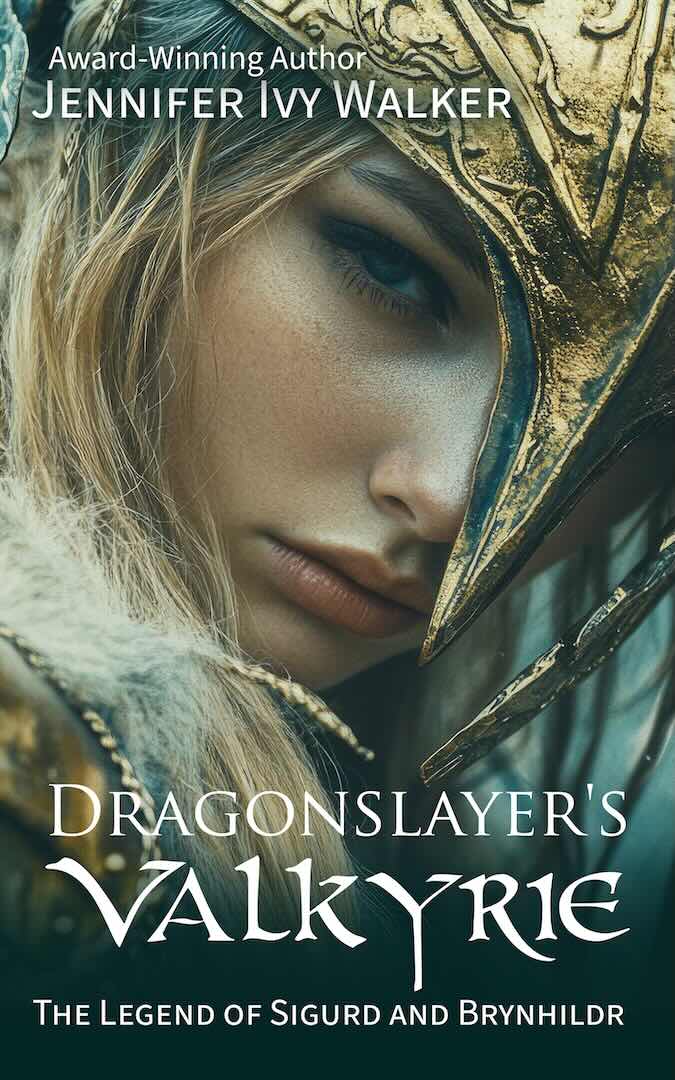
Norse myth gets the full romantic-epic treatment in this first Viking Dragonslayers installment, which reimagines the doomed lovers of the Völsunga saga as flesh-and-blood people defying the gods themselves. Sigurd, last of the Völsung line, earns his place among the Sea Wolves through nine brutal trials, while Brynhildr, shieldmaiden and seeress, learns her father will wed her to a tournament champion and summons Freyja for counsel. Brynhildr is the beating heart of the novel, a heroine who polishes her own armor and negotiates her own fate, never a prize even when a tournament tries to make her one. The supporting cast impresses too, especially Kveld Nightwolf, the rune-crafting vitki who steals nearly every scene, and Walker’s research into blót offerings, rune-casting, and drakkar longships grounds the fantasy in genuine Viking Age culture.
Her prose is deliberately rhythmic and alliterative, echoing skaldic verse, a lush register that readers preferring spare, plain styling should weigh before diving in. Know also that the romance is openly sensual: Walker does not fade to black, so those wanting closed-door love stories may want to look elsewhere, though the emotional intimacy runs deeper than the physical. Fated-lovers romantasy readers, shieldmaiden devotees, and mythology fans wanting a complete arc that still seeds a sequel will be well served.
The Exquisite Torment of Loving Your Enemy by Brigitte Knightley
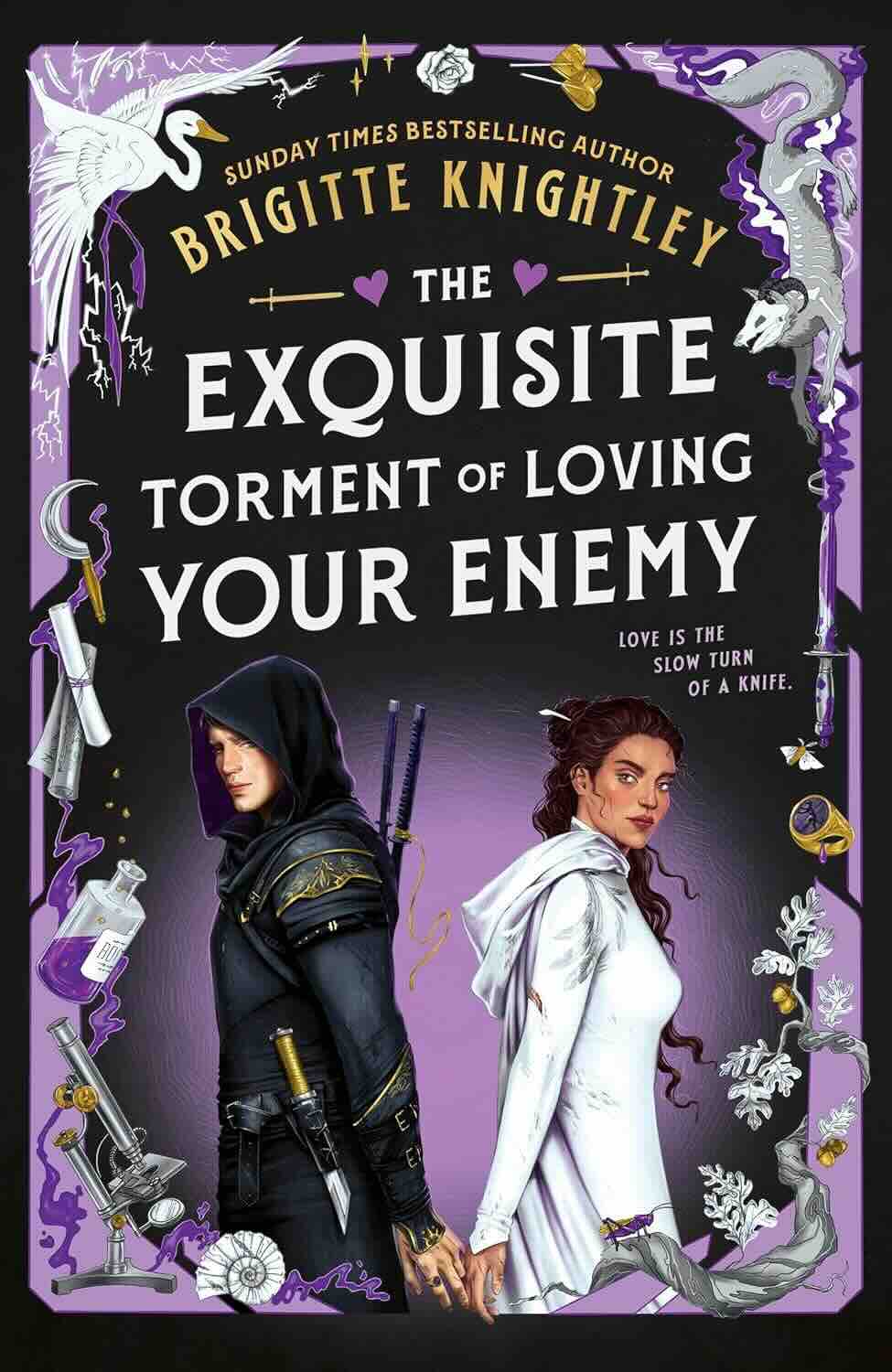
An assassin who kills for money and a healer whose Order swears harm to none close out the Dearly Beloathed duology, both privately horrified to find their hatred rotting into something warmer. Osric Mordaunt, a gloriously theatrical Fyren who flings himself across divans when love inconveniences him, still meets Aurienne Fairhrim in secret every full moon, while the mystery of who unleashed a child-killing plague drags them toward death-knights and political scheming across the ten Tīendoms. The banter stays razor-sharp without curdling into cruelty, the yearning pays off as a reward rather than a box being ticked, and the worldbuilding treats magic as science: healers publish papers, diseases have real pathology, and every term traces back to Old English or Old Norse roots, glossary included. The honest ledger: this is emphatically not a starting point, since the emotional weight rests entirely on book one.
The monthly full-moon structure makes stretches feel episodic, the tonal whiplash between dying children and filthy jokes will jar some readers, Osric’s carpet-bound misery leans on a formula, and the war-and-politics thread resolves faster than it earned. Content notes cover on-page death, sexual content, and sick children. Enemies-to-lovers devotees who read The Irresistible Urge to Fall for Your Enemy first will find the payoff real.
Tides of Fortune by Lauryn Hamilton Murray
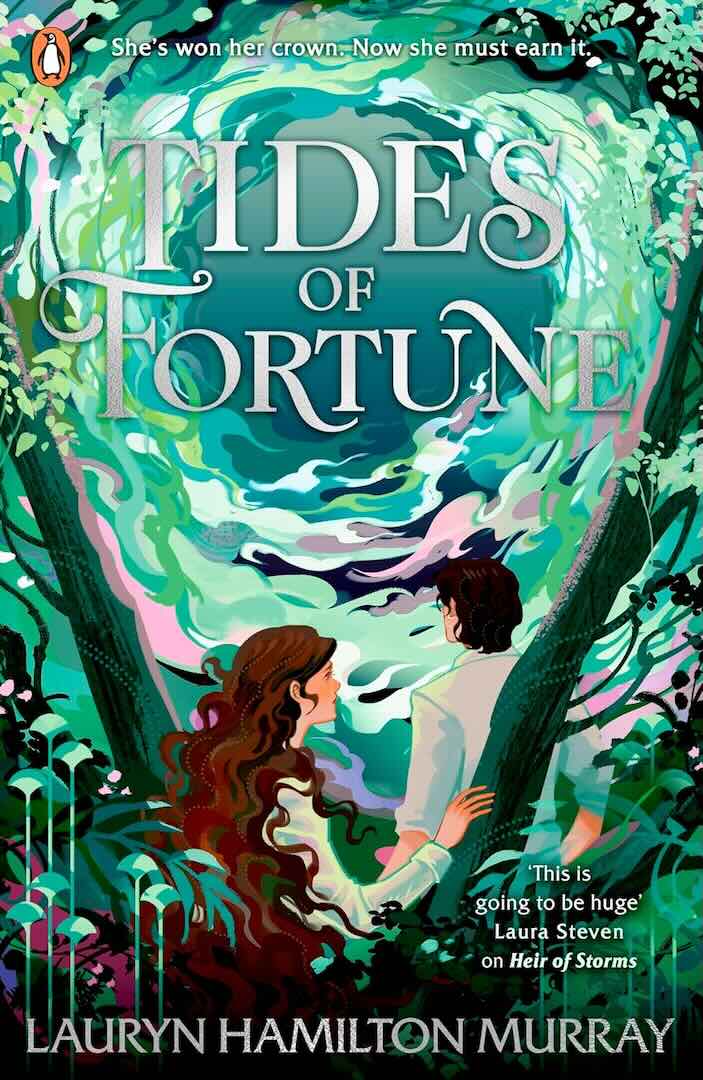
Having survived the trials of book one, Blaze stands on the edge of becoming Queen of the Aquatori, but the usurper King Balen already holds one of the three enchanted Eyes and is hunting the Eye of the Soul. Finding it first means leaving the palace for the Wildlands with Fox, a clever, maddening guide who holds cards he refuses to show, and their partnership hums with the question of whether he can be trusted at all. The banter has real snap, and grief is handled with unusual care: a quiet scene built around ginger tea and a bad night does more for the romance than any grand declaration could. Markets, dialects, and road-met strangers with complicating histories make the world feel lived in, and the stakes stay personal, circling who gets to decide a person’s worth.
Be warned that the lore load runs heavy, with Etheri, Magi, Demari, three sisters, and several courts jostling for room, and the middle-book scaffolding for the finale shows, especially late. The bond between the leads can also feel fated rather than earned, and a late perspective shift pulls away from the voice readers came for. YA fantasy fans who loved Twin Crowns, and who like their slow burn at a simmer rather than a boil, should feel right at home. Among the YA books of July 2026, it is the easiest binge.
The River She Became by Emily Varga
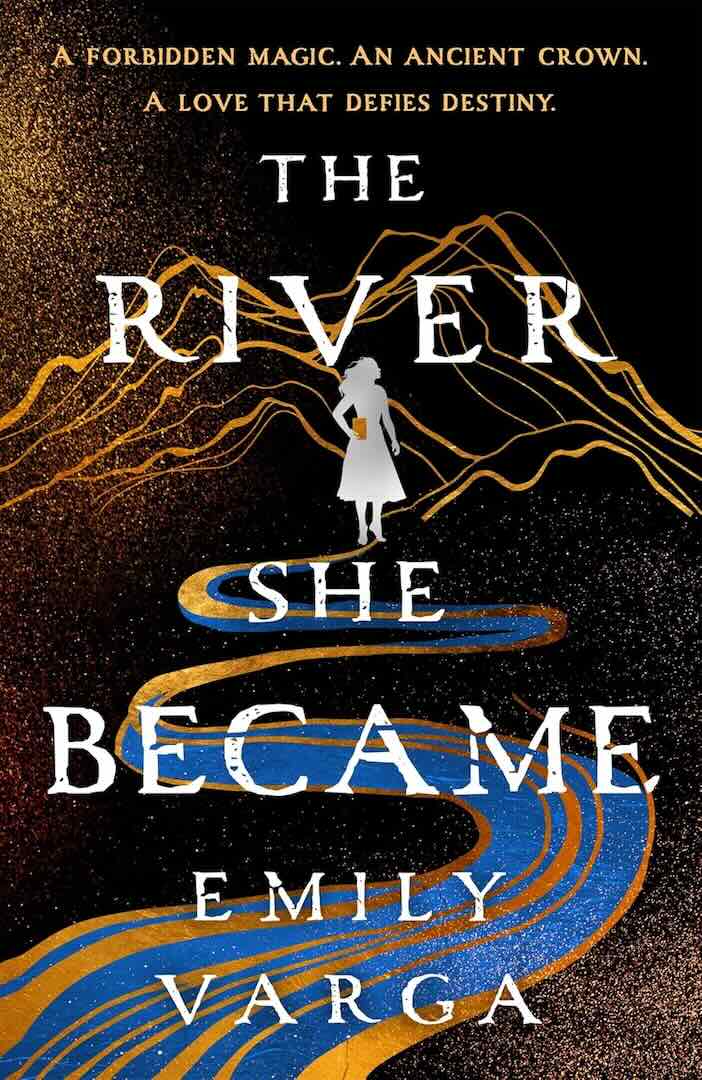
A scholar with spectacles rather than a sword anchors this River & Salt duology opener from the author of For She Is Wrath. Yaseema Nazir catalogs fae relics by day for the colonial Angrezian Empire occupying her homeland of Astola, and steals them back by night, because every crown and cup shipped to a distant Empress means another dead harvest and another forbidden funeral. When she finds a key across the River dividing the human and fae worlds, she crosses into Peristan to hunt an ancient Queen’s crown, where Kiyan, a cold-eyed captain hiding what he truly is, hunts the same prize.
The worldbuilding is the strongest element, with Urdu threaded through the prose and smug colonizer “history” quoted between chapters, so the theft genuinely feels like theft. Kiyan is a thorny love interest whose body count is never waved away, and the vault-and-riddle relic hunts are pure adventure fun. The critiques deserve airing: the romance runs on familiar rails that seasoned romantasy readers will predict, the magic system gets explained in tent-side conversations more than felt in action, Yaseema’s guilt loops through the middle, and a recurring gold motif telegraphs a late reveal.
It also ends on a cliff with the romance unresolved. Fans of The Cruel Prince and An Ember in the Ashes are the target.
The Greatest Threat by Chris Walker
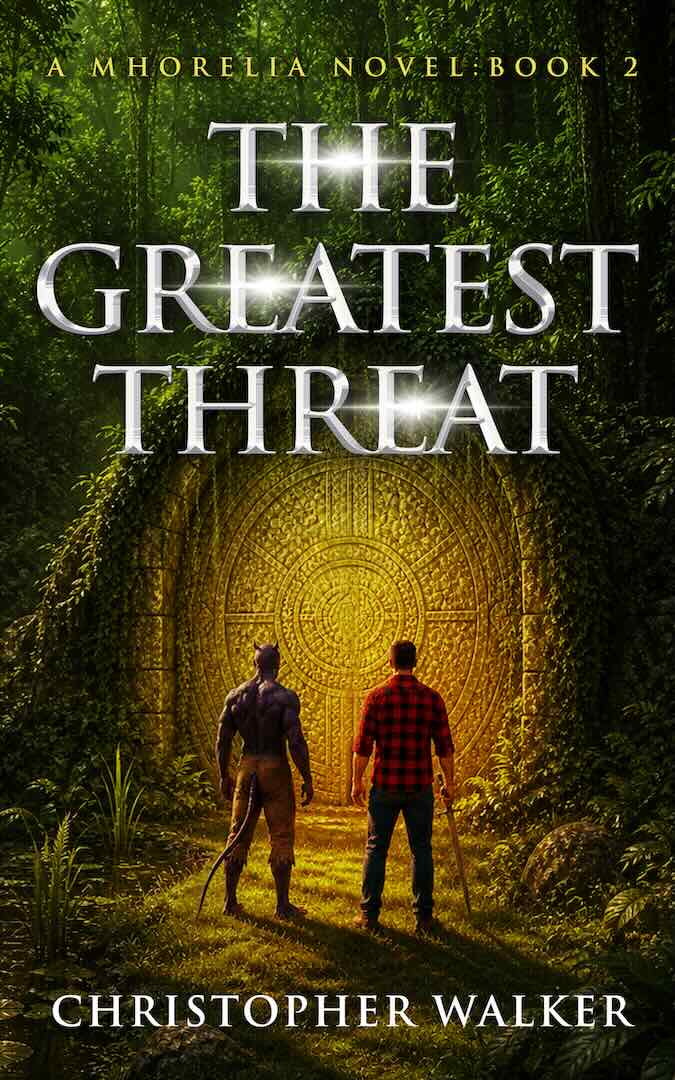
Barely ten days after a tyrant’s fall, John Atwater and the shape-shifting trickster Kaigen stumble on a mysterious map whose ominous inscription gives this Mhorelia sequel its title, shattering the peace they bled for. Across three tightly structured acts, Queen Lorena works to unify a fractured island while the healer Darian and the elder elf Leon undertake a journey that forces both to confront who they want to become, all under a danger that cannot be solved with a sword. Walker’s ensemble chemistry is the standout: John is a veteran who talks openly about therapy and anxiety, a genuine rarity among fantasy protagonists, Kaigen’s sarcasm masks a quietly devastating arc, and even the creatures read like full cast members.
The comedy-screenwriting background shows in dialogue that crackles without undercutting tension, and a bold second-act structural swing produces some of the most touching passages, including the line “One is never too old to have an adventure.” A few orientation notes: this is firmly a sequel, best after The Ascent even though newcomers get enough context, and the comedy-forward voice and deliberate absence of grimdark bleakness mean readers craving brooding thousand-page epics should look elsewhere. For anyone who wants found-family adventure that can raise a laugh and then reach for a tissue, it delivers.
The C7 – Tales of Gisod by KM Hill
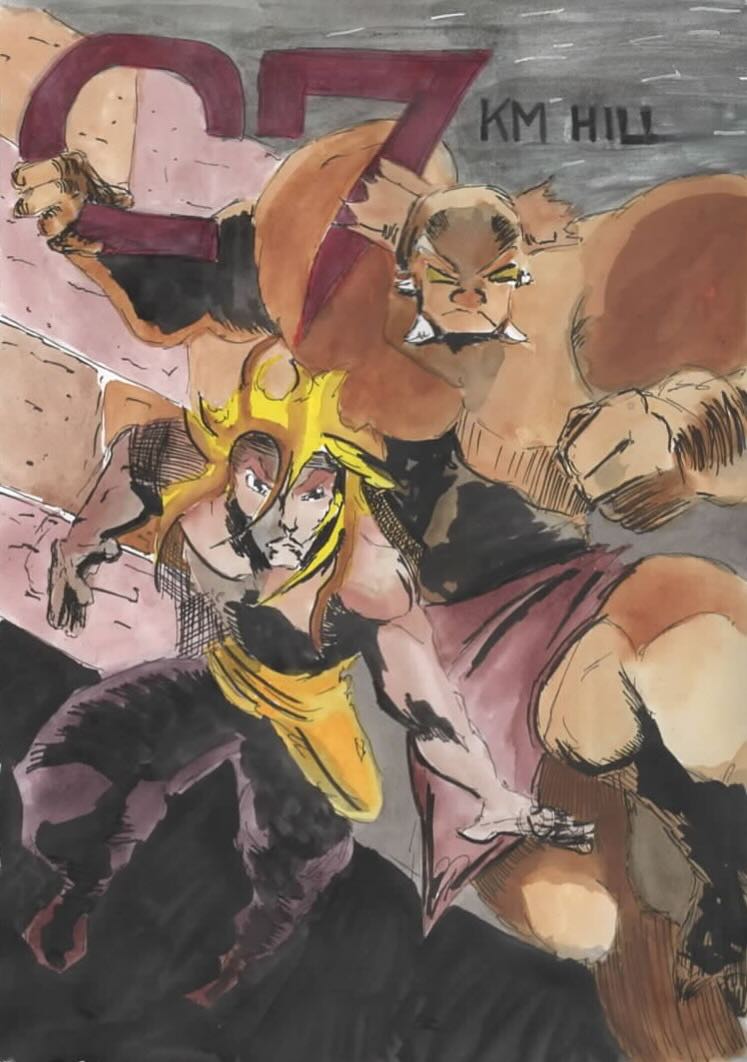
Hand-painted in watercolor and ink, this science-fantasy debut opens with young Gimesh fired into the sea like unwanted cargo, then follows him across Xen Quisha, a rotting planet that behaves like an antagonist with geography. Under the Dark Lord Tansluc, cities have turned hostile and criminals rule the wreckage, an aesthetic Hill calls Fantasy Techno-Primal, where scrapped technology rusts beside tribal weaponry. Gimesh is a discarded boy rather than a chosen one, hunted before he understands why, and his search for a place to belong finds its warmest expression in his bond with a towering horned Vythor, two orphans of the same broken world fighting side by side.
The craft is what separates the book from the shelf: Hill pairs full painted illustrations with flowing prose narration instead of conventional panel grids and dialogue balloons, rationing warm colors so that when they appear they mean something, and trusting images to carry moments the text steps back from. That hybrid format, somewhere between graphic novel, illustrated storybook, and recited saga, is also the honest caveat, since readers expecting traditional comic structure will need to adjust, and as a series origin story it closes with the larger tale only beginning. Readers raised on He-Man, Usagi Yojimbo fans, and lovers of handmade art in a digital age will feel at home.
Mystery, Thriller, and Horror Books of July 2026
The darkest books of July 2026 ran cold: blizzards, rivers, pageants, and locked memories.
Helpless by Jessica Knoll
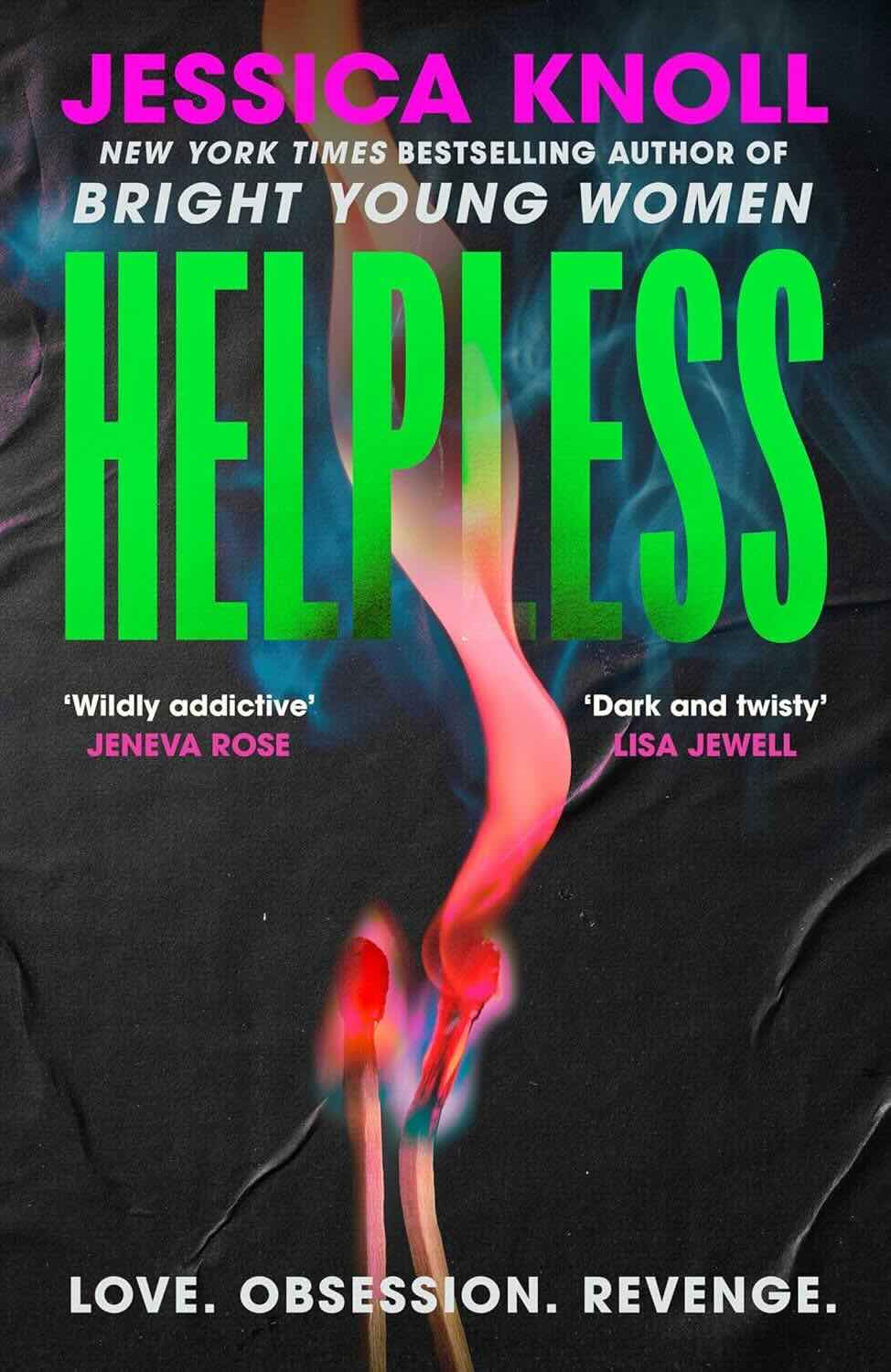
Faye Heron looks enviable from a distance, a Hollywood writer, director, and actress whose life photographs beautifully. Then a beloved professor’s funeral pulls her back to campus and into the orbit of Henry Spalding, the college boyfriend she left twelve years ago and later rewrote as the villain of an award-winning television episode. He drugs her and drives her to a remote cabin, a fact the jacket copy itself discloses, and the novel becomes a slow contest over who holds power on any given page. Of the thriller books of July 2026, this is the one built to divide. Our review singles out Faye’s vain, funny, self-lacerating narration as the engine of the book, praising prose that closes chapters on hooks that feel earned, a Finger Lakes setting thick with menace, and Knoll’s willingness to write desire without flinching or moralizing.
It also flags real caveats: nearly every character is cold or calculating, the captivity chapters occasionally circle the same emotional ground, the central mystery cedes the spotlight to the Faye and Henry dynamic, and the finale sprints after a patient buildup. The explicit content is central rather than decorative, too. This one belongs with readers who loved the unreliable narration of Gone Girl and want an ending engineered to start arguments, not with anyone who needs a clean hero to hold onto.
Pretty Dead Things by Kelsey Cox
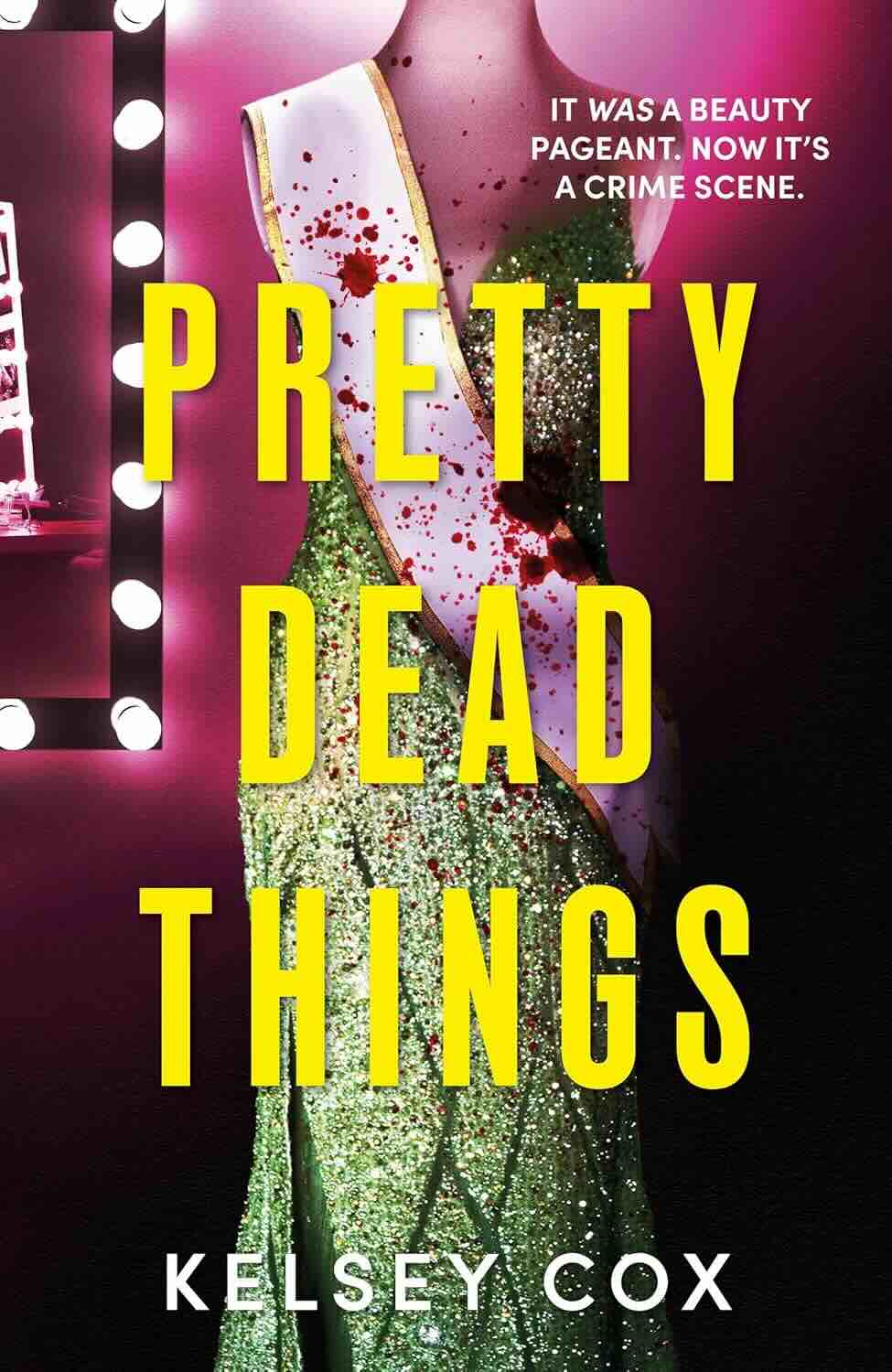
Kelsey Cox sets her second novel in Anhalt, Texas, where seventeen-year-old Isabelle Whitmore drove off toward the library in 2000 and never came home. Twenty-five years later a developer’s backhoes start chewing through eight hundred acres everyone in town has reasons to leave undisturbed, just as the Lone Star Princess Pageant’s golden jubilee collides with an Arctic front and a failing power grid. Four first-person narrators carry the story: Ingrid, the twin who kept living; Cat, newly sober and fighting to be believed; Melanie, the town’s tireless good egg; and Sarah Lynn, a seventeen-year-old pageant thoroughbred whose chapters are the funniest and meanest in the book. Our review praises the genuinely distinct voices, the addiction writing that turns Cat’s own senses into contested evidence, and a pageant staged by generator light that stands as the best set piece here.
The critiques are just as clear: the blurb oversells the locked-room element, which arrives late after a slow small-town first half, several red herrings resolve into shrugs, and ninety-four chapters mean the camera cuts away at awkward moments. Readers who love Southern Gothic tension, mothers and daughters written with teeth, and a reveal worth arguing over should line up. Anyone needing constant velocity should look elsewhere.
The Last to Drown by Noelle W. Ihli
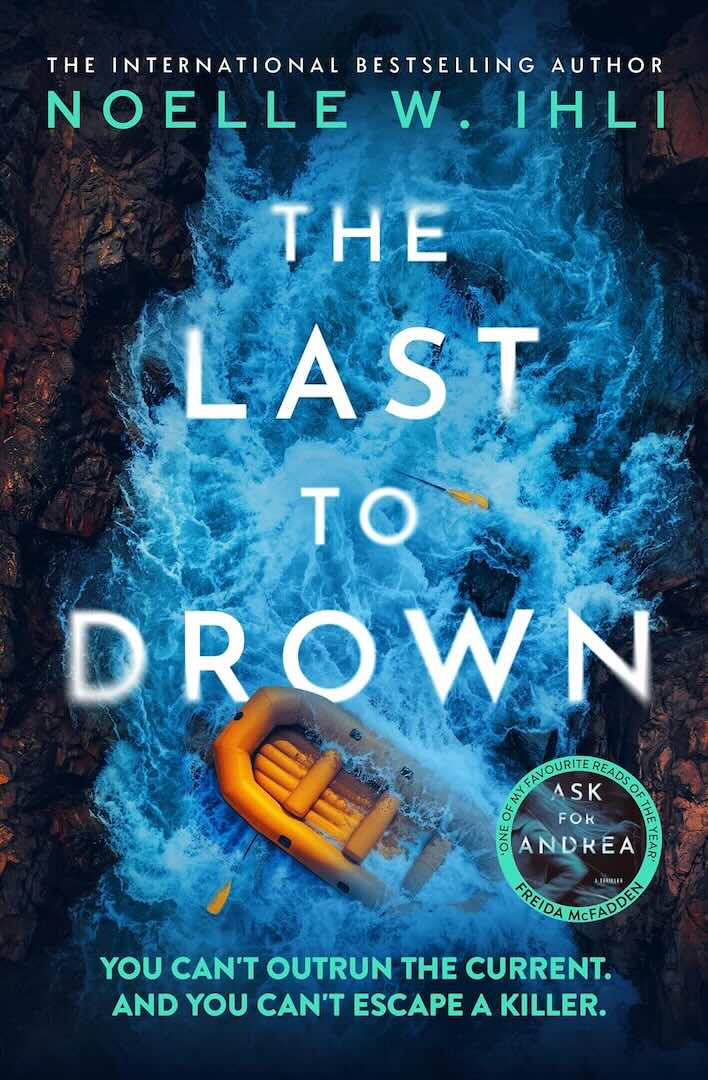
Geography does the trapping in Noelle W. Ihli’s ninth thriller. Twenty women launch rafts down a remote Idaho river hemmed in by basalt cliffs thirty stories tall, with no road out and a current that only runs one direction. Among them is Kaia, who booked the trip with her husband Parker before his death and now travels alone with her grief.
On the first night, a guest asks how close they are to Camas Creek, where a guide murdered fifteen people seven years earlier, and the guides go quiet. Then small things start going wrong. Our review admires how thoroughly the whitewater research pays off, with every detail of foot entrapments, recirculating holes, and class ratings later serving as survival tool or weapon, and finds the grief story underneath, tied to how Parker died, more affecting than the genre usually attempts.
Honest complaints follow: the cast is too large to mourn properly, so some deaths land as statistics, two major turns are signposted well in advance, and the villain becomes less frightening every time he explains himself. The violence is clinically detailed, and the book’s own content advisory should be taken literally. Survival thriller fans who loved the wilderness half of Lucy Foley will feel at home; readers wanting airtight plotting will feel underserved. For pure survival tension, though, no other books of July 2026 come close.
Cross My Heart, I Hope You Die by Mallory Arnold
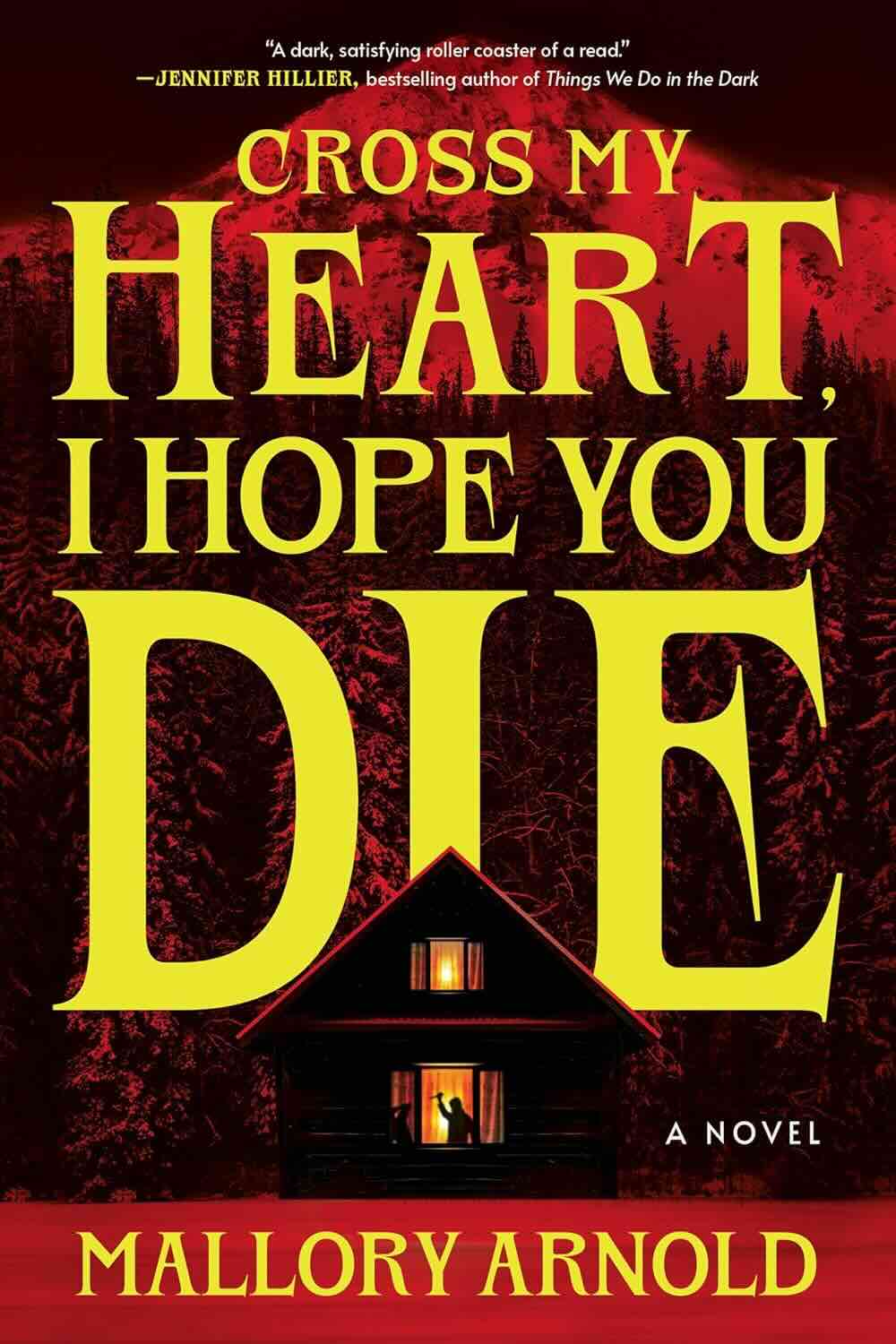
Three strangers discover they share one humiliating problem in Mallory Arnold’s snowbound revenge thriller: the same boyfriend. Jason has been dating, draining, and deceiving Nora, a control-craving cross-country coach, Ruby, a kindergarten teacher hiding steel under her cardigan, and Cham, a mechanic with a short fuse and the darkest history with him. Their plan is to lure him to a cabin at the top of a snow-covered peak and force a confession.
Then he turns up dead, the snow seals everyone in, and the counting of knives begins. Our review calls the pacing relentless in the best way, with short chapters and cliff-edge breaks built to wreck your bedtime, and highlights the interrogation transcripts scattered between chapters, which tease the aftermath while keeping you guessing who gets off the mountain. Jason himself is praised as a horribly believable study of a love-bomber, and the trio’s grudging slide toward friendship gives the horror a warm center.
The reservations: the three first-person voices blur together, the escalation leans on convenient timing once the story tips into full slasher territory, and a villain with zero redeeming qualities is easier to loathe than to fear. Readers who enjoyed The Final Girl Support Group or anything with Dirty John energy will tear through this in a sitting.
The Intrigue by Silvia Moreno-Garcia
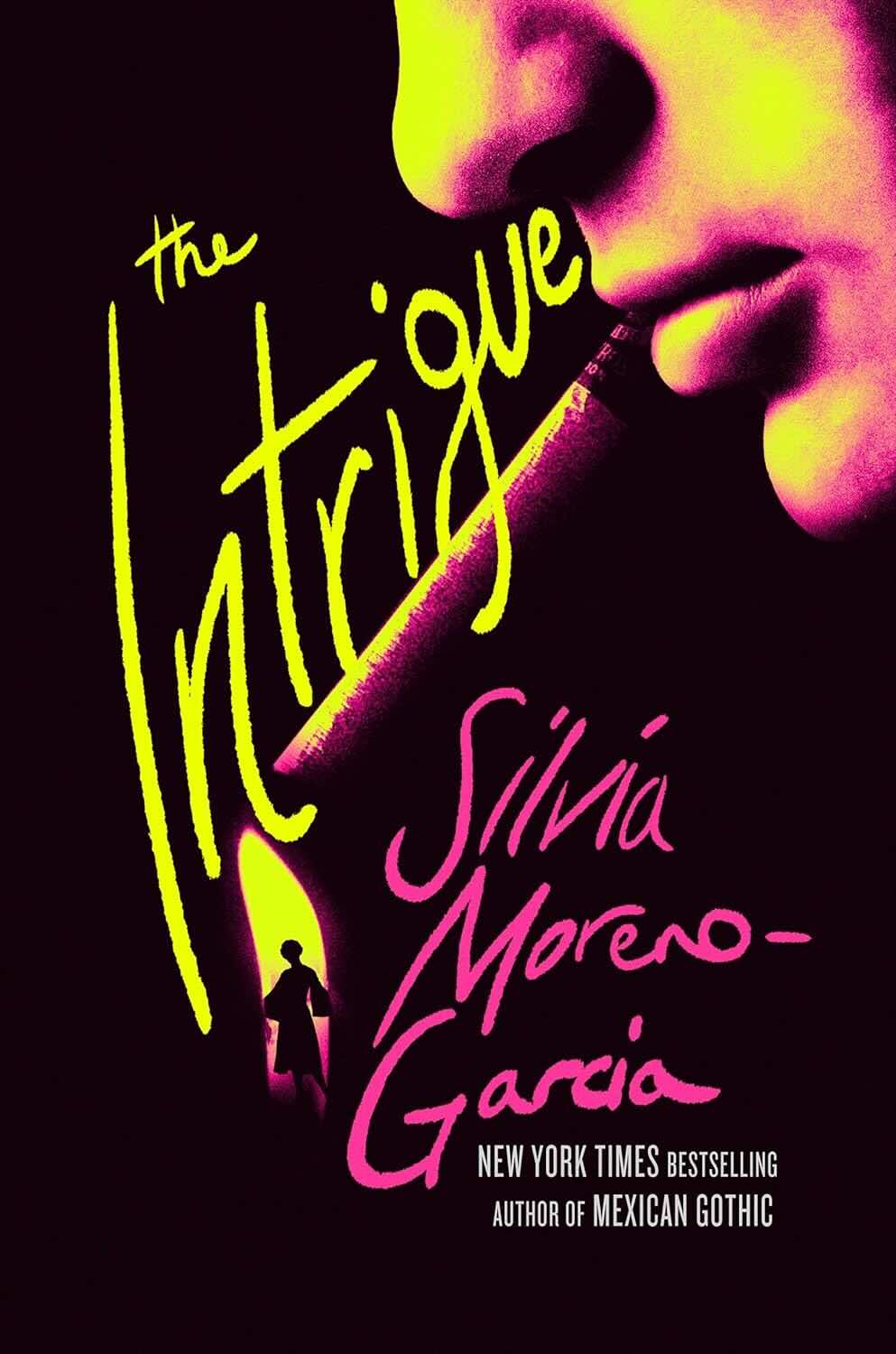
A con man steps off a train in the wrong town in Silvia Moreno-Garcia’s 1943-set domestic noir. Ulises works the lonely hearts columns of Mexican magazines, and his latest mark is Perla Inclán, a proud spinster running a faded Veracruz guesthouse on a dried-up coffee fortune. His plan to marry the money collapses when Perla’s niece Inés, a seamstress who reads men the way she reads cloth, identifies exactly what he is and demands a cut. From that handshake the novel tightens into a nest of schemes, and our review savors the refusal to supply a hero: all three leads are vain, wounded, and self-justifying, yet rendered with enough interior life to understand.
The reviewer names Perla’s flashback chapters as possibly the strongest writing in the book, praises Inés’s sardonic bite, and calls the rotting guesthouse and fog-wrapped town, rendered with real period authority, among its finest achievements. Fair warnings are attached: the middle circles the same beats once the scheme is set, the romance runs cooler than the jacket’s promises suggest, and a late shift in sympathies may divide readers depending on how much villainy they will follow. Patient readers who loved Velvet Was the Night or The Talented Mr. Ripley should pour the sherry and settle in. Among the crime books of July 2026, this is the slow-burn pick.
Locked In a Box by Sheila Sharpe
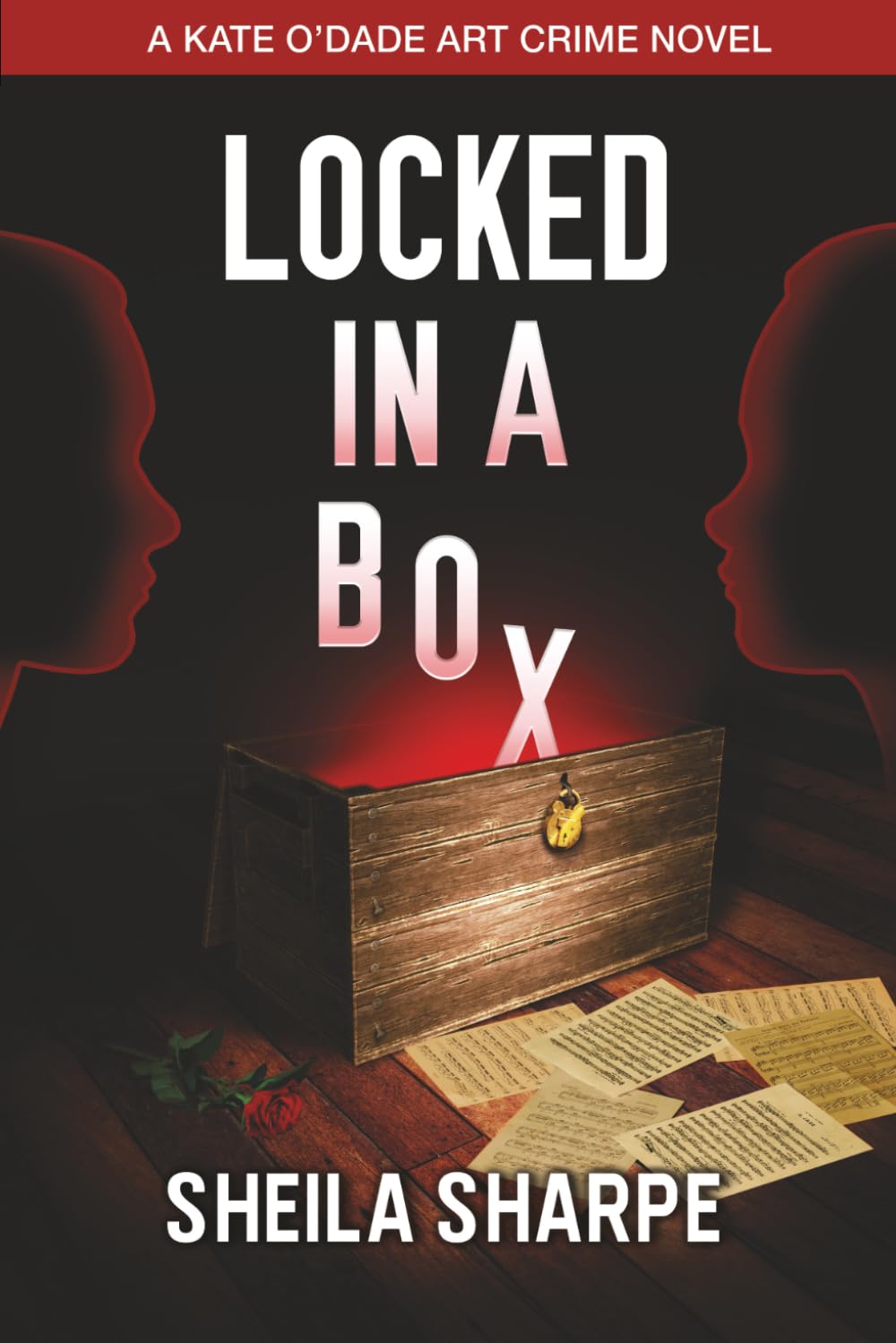
Sheila Sharpe’s prequel to Artist, Lover, Forger, Thief opens with a paraglider falling out of a stormy sky above La Jolla and never lets its heroine regain her footing. In 1985, nine-year-old Katie O’Dade sang in the children’s chorus at the Metropolitan Opera the same night her father, famed bass-baritone Conner O’Dade, died backstage and someone locked her inside a storage box below the stage. She woke with no memory of it.
In 2009, on the anniversary, that vault begins to crack. Our review argues the book’s central irony elevates it above the crowded buried-memory field: Kate is a trauma therapist writing a clinical case formulation on her own nine-year-old self, and Sharpe, a practicing therapist for more than thirty-five years, gives those passages an authenticity research alone could not fake. The reviewer also praises the interleaved Vietnam chapters in Conner’s voice, spare and quietly devastating, the crackling partnership with Apache private investigator Frank Flynn, and whodunit machinery that plays scrupulously fair.
Note the register, though: this is slow-burn suspense where dread accumulates rather than shocks, so readers chasing quick jolts should adjust expectations. For fans of The Silent Patient or In the Woods, it works both as puzzle and as portrait of a woman reclaiming her history.
Into the Fading Twilight by Catherine Cowles
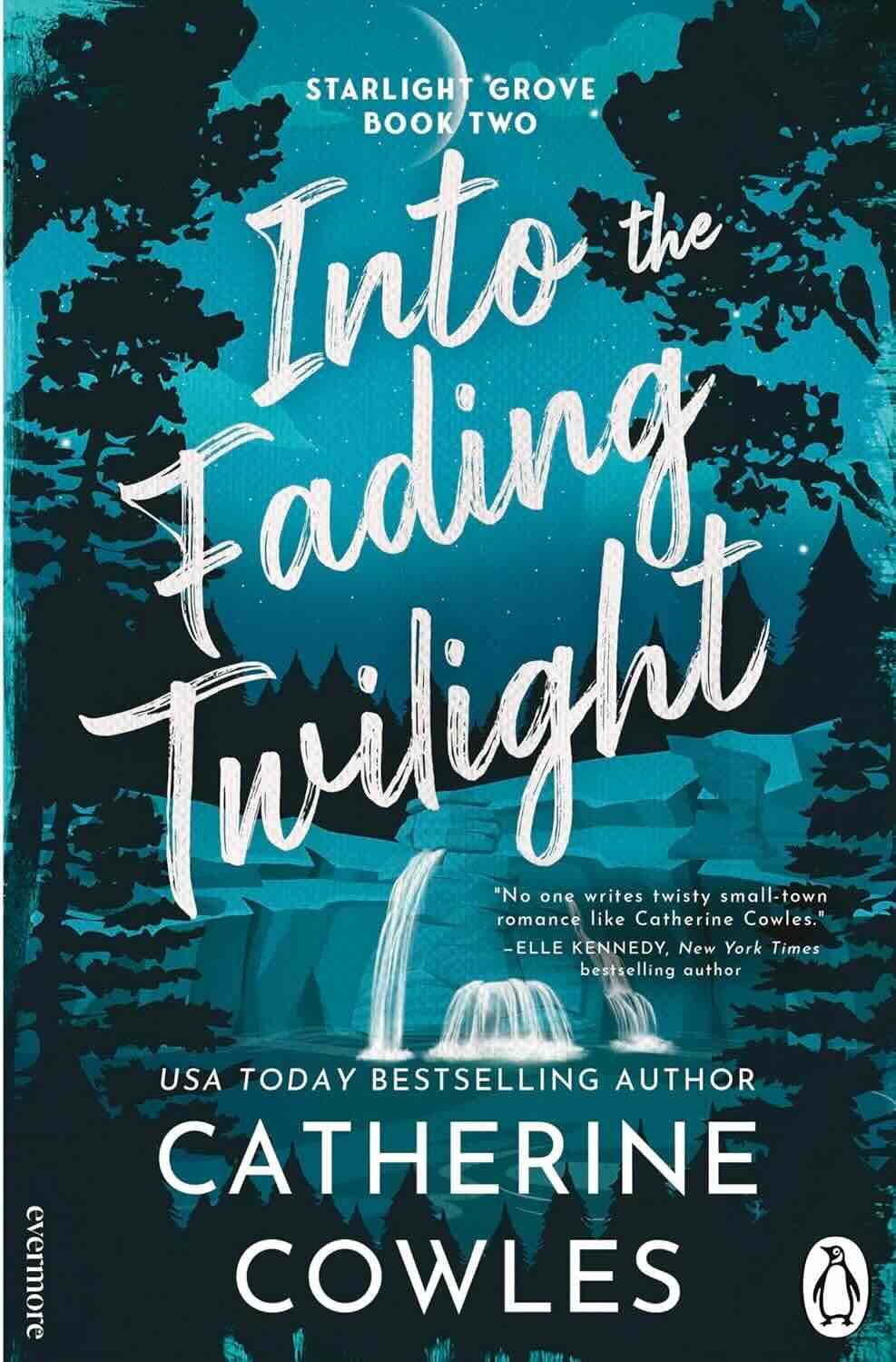
Nova Monroe comes home to Starlight Grove after more than a year in captivity to find the world kept spinning without her, and Catherine Cowles refuses to write her as a woman waiting to be repaired. Nova jumps off cliffs into freezing lake water, smart-mouths handsy bar patrons, and hides panic attacks so well that an eight-year-old is the first to name them. Kol Archer, the investigator who found her, offers the apartment above his garage, and his love arrives as carpentry: a skylight because she was kept in the dark, a bag of self-defense gear with a note about making herself safe. Our review calls Nova the freshest survivor heroine in the subgenre and points to a hug, built up for eighteen chapters, as one of the most affecting beats in recent romance, with young Skylar and the whole Archer family forming a genuine ecosystem around the couple.
The reviewer is equally direct about the flaws: the suspect pool is small enough to solve early, the loudest red herring announces itself on arrival, sequel setup crowds the central romance, and the repeated mantras lose voltage. Read it for the character study and the consent-centered intimacy, not the mystery. Fans of Archer’s Voice and The Obsession will find plenty, ideally after book one.
The Gilded Blade by Jennifer Lynn Barnes
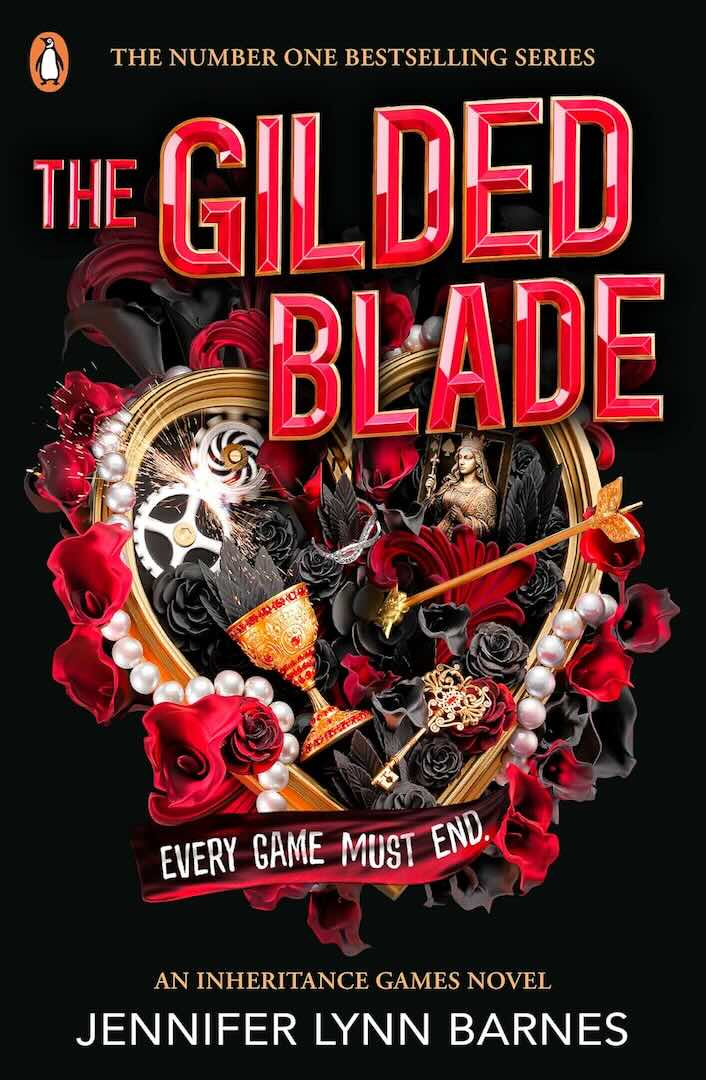
Closing out The Grandest Game trilogy, Jennifer Lynn Barnes sends her cast scrambling after Avery Grambs, who has vanished, and the people who love her refuse to accept it. The trail runs through an ancient women’s society with its own rituals and a trial called the Crucible, splitting the characters between a drowned Louisiana bayou town and a members-only London gambling den called the Devil’s Mercy. Our review credits Barnes with keeping the mystery honest: clues are seeded early and paid off late, constellations spell words, card suits carry meaning, and a single white calla lily eventually means everything. Payoffs from all three books click into place, side characters finally get arcs of their own, Gigi’s chaotic optimism supplies the comedy, and the thorny wagers between Savannah and Rohan give the romance its heat.
The critiques are worth weighing: the society’s dense mythology of roles and bloodlines sometimes halts the action for explanation, the enormous viewpoint cast leaves a few relationships underfed, and the book flatly does not work as a standalone, since nearly every emotional beat depends on the earlier novels. Longtime fans of the Hawthorne universe get the closure they have waited for. Among the young adult books of July 2026, this was the event. Newcomers should begin with The Inheritance Games or The Grandest Game and earn this finale properly.
If Books Could Kill by Kate Eberle
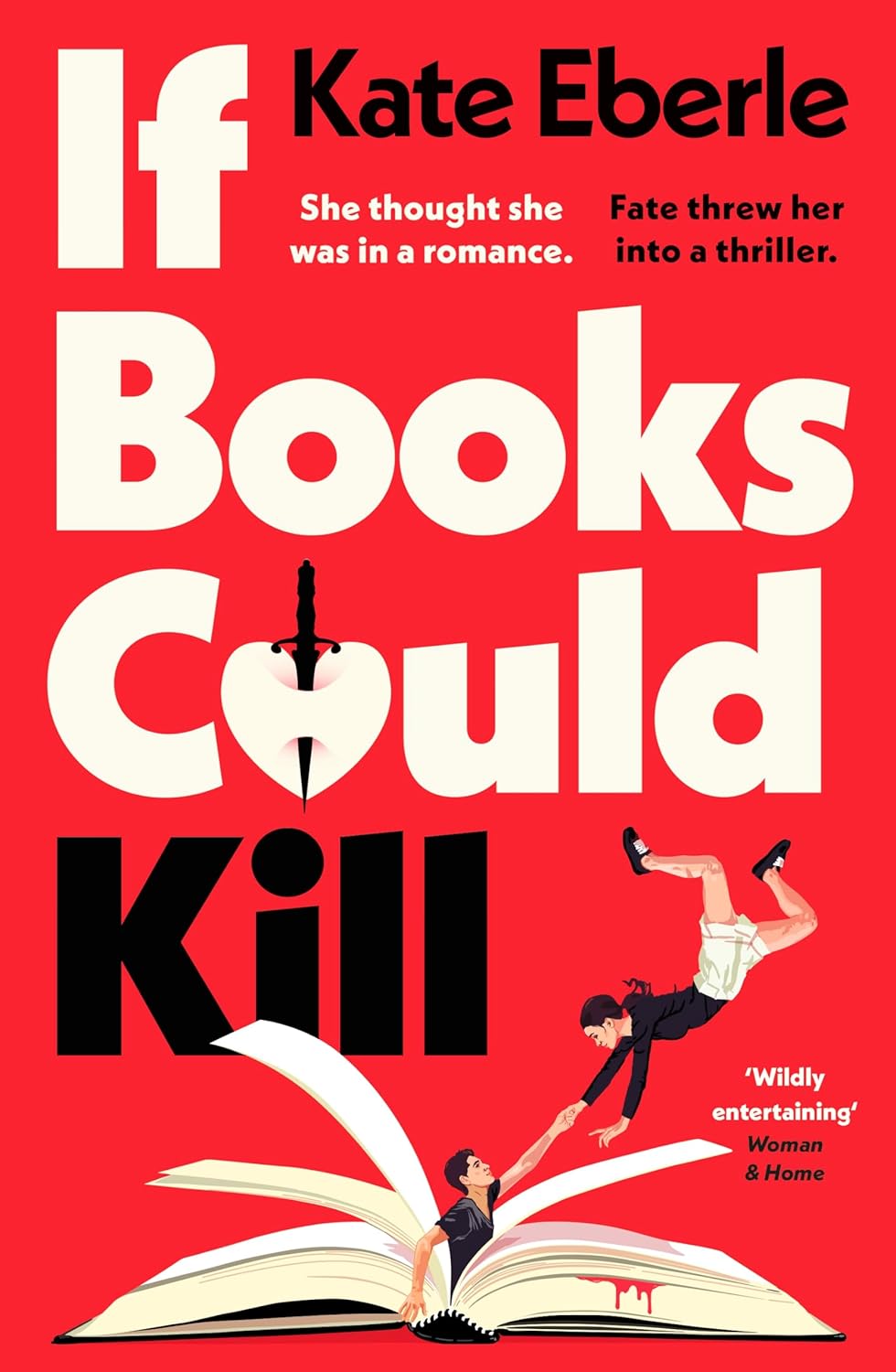
One slightly tipsy wish lands Roxie Mitchell inside her favorite author’s next novel in Kate Eberle’s debut, and the fine print is brutal: the beloved romance writer has secretly switched genres to crime, so instead of meet-cutes Roxie gets a handsome first date who pulls a knife. She knows romance beats the way a pilot knows a runway, but thrillers are a foreign country, which is where Grant Hoffman comes in, an anxious English professor with exactly the genre literacy she lacks. Our review says the voice carries the entire book, with Roxie’s quick, pop-culture-soaked narration generating comedy that grows out of character rather than a joke quota, and finds real emotional undertow in a woman who confuses not wanting things with being afraid of them.
The reviewer also enjoys how Roxie defends romance readers against lazy stereotypes, a quiet thesis the whole story argues. The honest ledger: the magic runs on dream rules that resist scrutiny, a countryside retreat set piece overstays its welcome and sags the middle, the comedic tone keeps real menace cushioned, and readers fluent in the genre will predict the love story’s arc. Fans of Finlay Donovan Is Killing It or A Novel Love Story, and anyone who prefers caper over grit, should grab this one.
Dead But Dreaming of Electric Sheep by Paul Tremblay
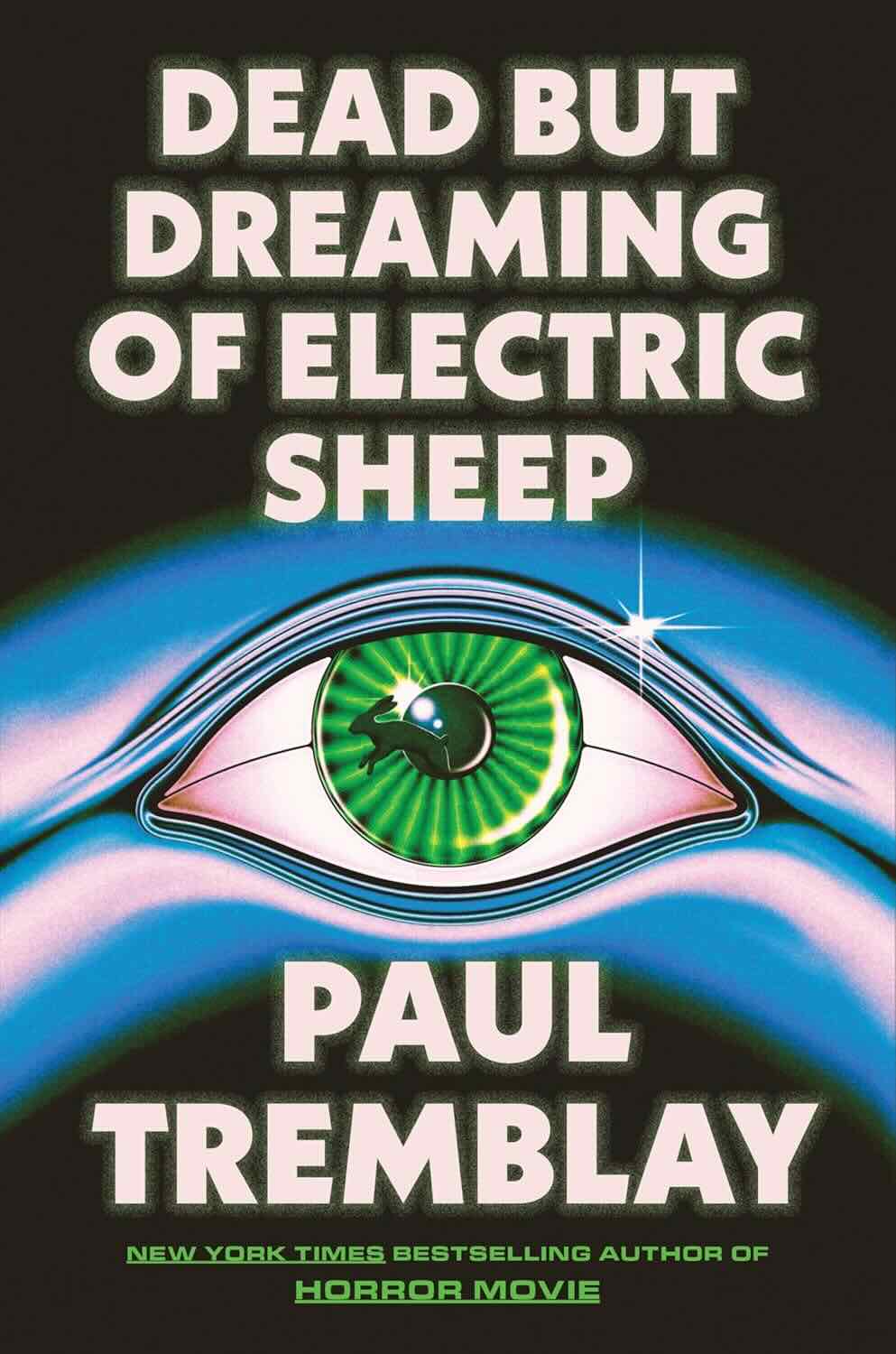
Paul Tremblay splits his genre-blurring latest between two voices. Julia Flang, a broke former semi-professional gamer, takes a temp gig from her estranged tech-executive mother: chaperone a comatose man with proprietary AI stitched into his skull across the country, steering his body with a phone modeled on a game controller. She names him Bernie.
In alternating second-person chapters, Bernie wakes inside a warping nightmare, hunting a person he cannot name. Our review praises Julia as a fully realized narrator with a working person’s chip on her shoulder, singles out her uncle, a noir-quoting retired pilot, as someone who could anchor his own book, and admires how the remote-control premise becomes a genuine ethical vise while the satire of monopoly tech culture lands cleanly. The dissents are specific: the dreamlike chapters run on repetition that strains past the midpoint, the metafictional interludes sometimes read as the author elbowing you in the ribs, the anti-AI convictions occasionally tip from theme into sermon, the plot is thin by design, and the ending leans hard into ambiguity.
This one suits readers who want atmosphere and ideas over tidy resolution, in the neighborhood of Annihilation or Klara and the Sun. Anyone who needs a linear plot with clear answers should approach with caution. It is the strangest of the books of July 2026, and proudly so.
Literary and Speculative Books of July 2026
The literary books of July 2026 favored grief, belief, and second chances.
Meet Me in Paris by Kristin Harmel
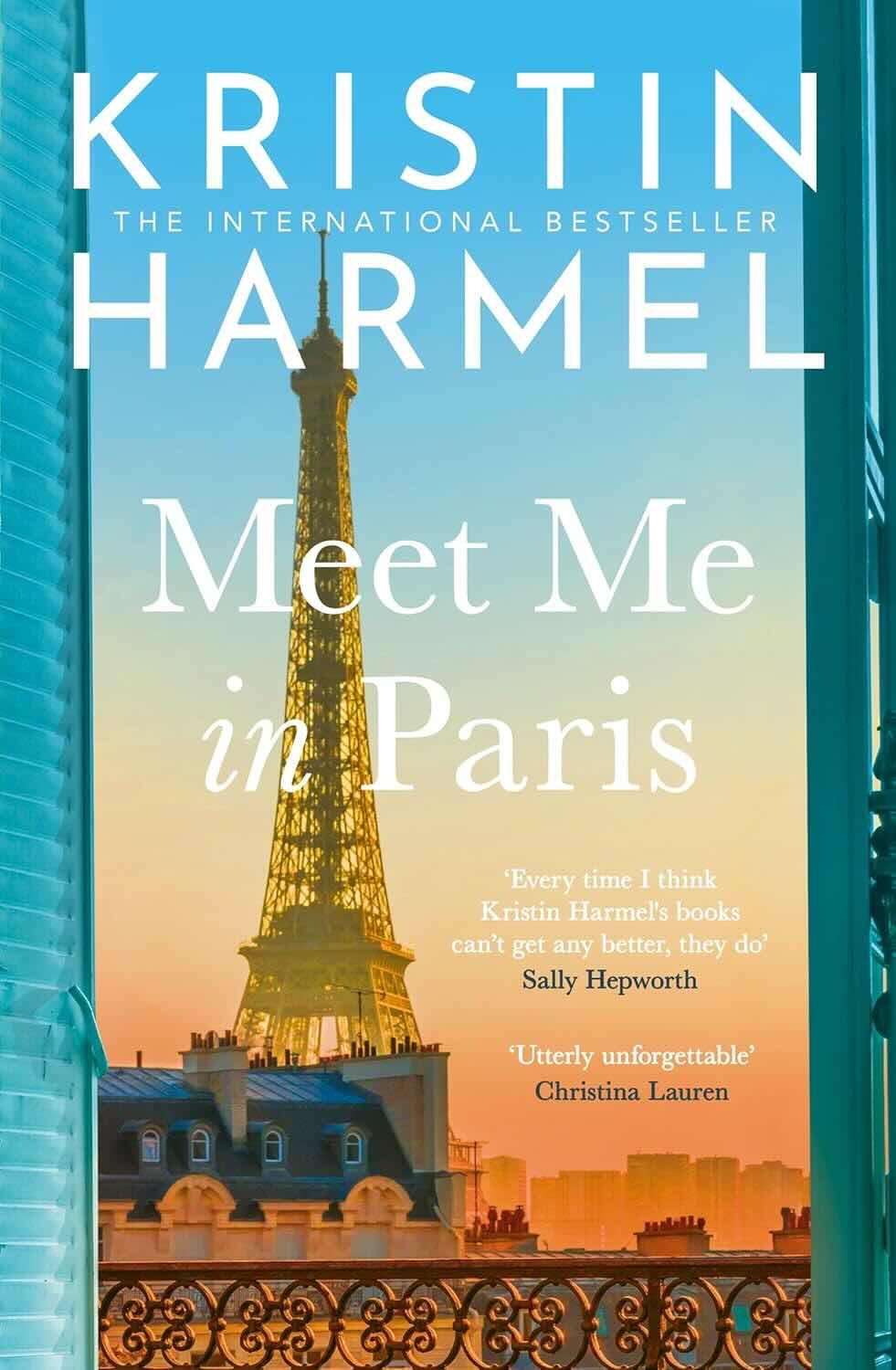
A single spring week in Paris gives Kristin Harmel her stage, and onto it she sends a cluster of Americans whose lives brush against one another until the city starts playing matchmaker. Harmel has cited Love Actually as her model, and the braided ensemble follows that shape, with a wartime strand stretching back to 1943 that draws on her long career in historical fiction. Henry McGee, a songwriter who spent a lifetime composing for one lost love, gives the novel its emotional backbone, and Paris itself is rendered vividly, from café chairs to cool riverside stone, with an affection rooted in the author’s own years in the city.
A storyline touching terminal illness is handled with tenderness rather than melodrama, and short chapters keep the pace brisk. The honest knocks: with so many couples in play, a few arcs read more like sketches, coincidence does considerable heavy lifting in one small city, and certain endings tie off so neatly that the bittersweet notes lose some sting. Readers who love sweeping, emotional romance in the Nicholas Sparks vein, or interwoven stories where a city becomes a character, will settle in happily; anyone wanting grit or tight, single-focus plotting should look elsewhere.
Country People by Daniel Mason
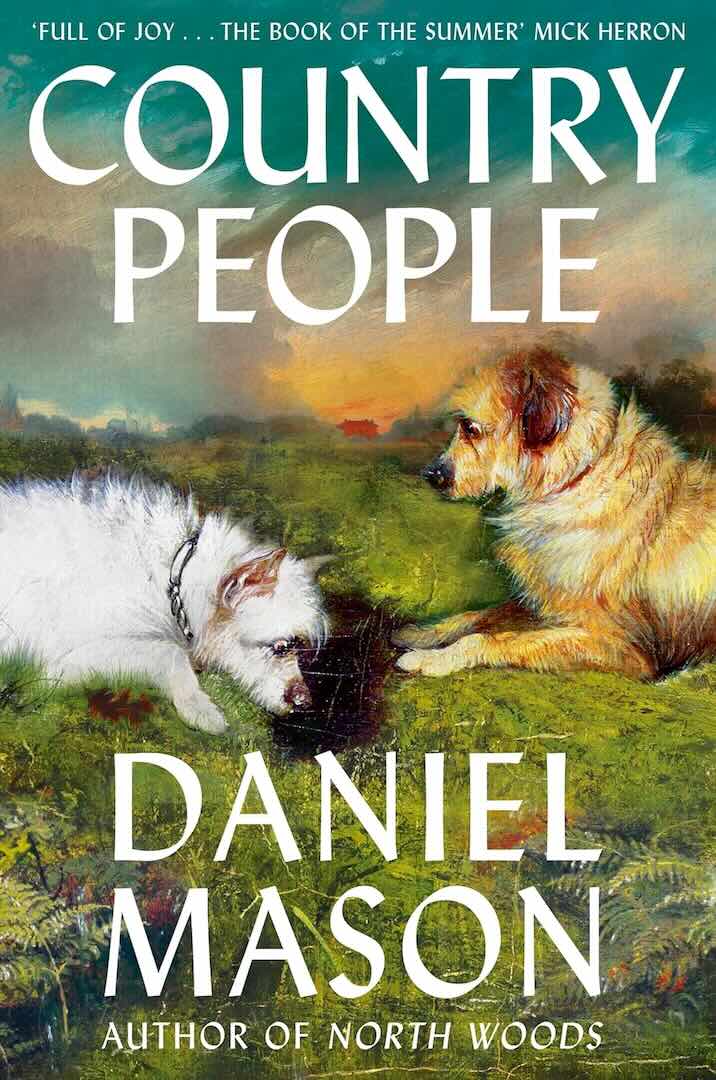
Milton and Blake scholar Kate takes a visiting post at a small Vermont college, and her husband Miles, fourteen years into a dissertation meant to take two, hauls their kids and truffle-hunting dog east to house-sit and finally finish it. Instead he hears a legend in the local woods and slowly talks himself into wonder. Daniel Mason’s follow-up to North Woods runs on its supporting cast, a gallery of rural eccentrics including a biochemist turned scythe evangelist and a snowflake photographer cataloguing human folly on index cards, each given “a wound and a dignity” rather than played for laughs. The sentences carry the show, digressive and alive, braiding invented documents, folktale fragments, and lines from Paradise Lost, while the portrait of marriage and parenthood stays warm without sentimentality.
That same looseness costs the book something: the winter chapters go slack, Kate feels underused as the story lives almost entirely inside Miles’s head, and an ending that trades resolution for mood will frustrate readers wanting answers. Underneath the comedy sits a study of belief and loneliness in a fractured country. Readers who loved the mythic-realist music of North Woods, or any maximalist comic novel that ambles and trusts you to enjoy the walk, should head straight for it. It is the literary standout among the books of July 2026.
Everything Was Beautiful and Nothing Hurt by Ben Reeves
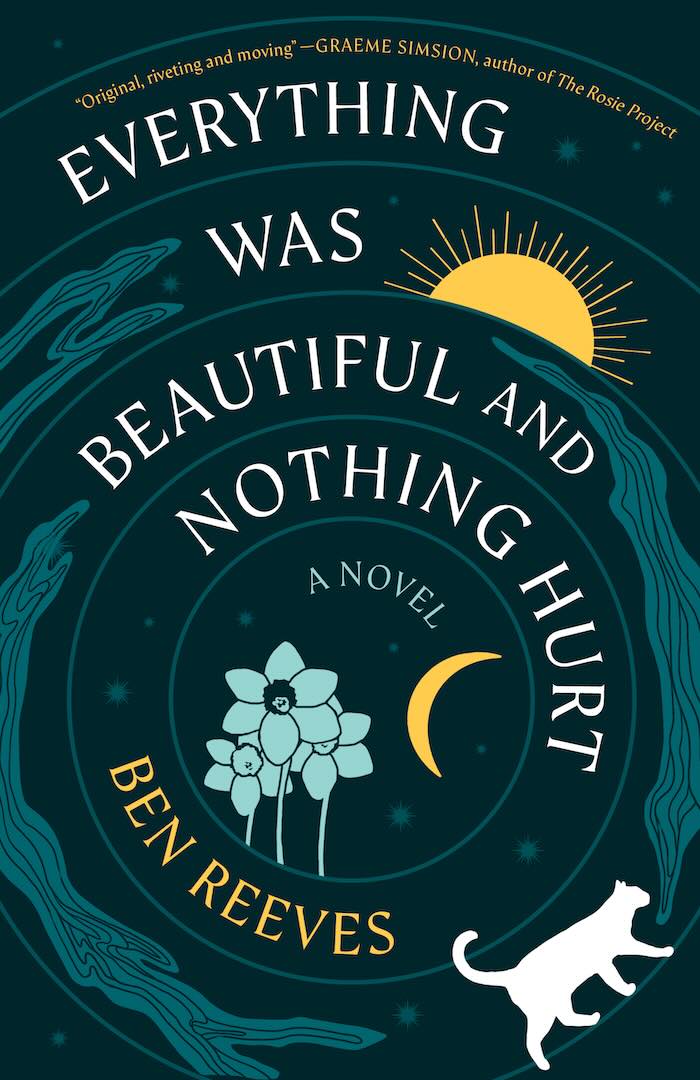
Death goes by Travis in Ben Reeves’s debut, an immortal in a grey jumper and holey socks who comforts the dying in a drab English town and restores old photographs between appointments. When a stray cat leads him to the flat across the hall, home to a tired midwife named Dalia and her two young daughters, he begins wanting a life he was never made to hold. The Bath Novel Award winner runs on voice: restless present tense, sensory prose finding the sacred and the squalid on the same street, and short titled vignettes that often close with the exact years, months, and days a person lived, a device that should feel gimmicky and instead carries real weight. Well-timed humour keeps the grief from curdling, notably a funeral scene with five siblings carrying a coffin, along with Layla’s pitch-perfect child logic.
The strain shows too: Reeves seldom allows a sentence to stay plain, and the stacked lyricism tires across a whole book; some vignettes stall the central story; and the nature metaphors, deer, snail, mayflies, keep restating a point already made beautifully. The premise also stands in the shadow of The Book Thief. Readers who cried through Fredrik Backman and read for voice and feeling should keep tissues close. It is the biggest tearjerker among the books of July 2026.
The Good Parts by Evann Normandin
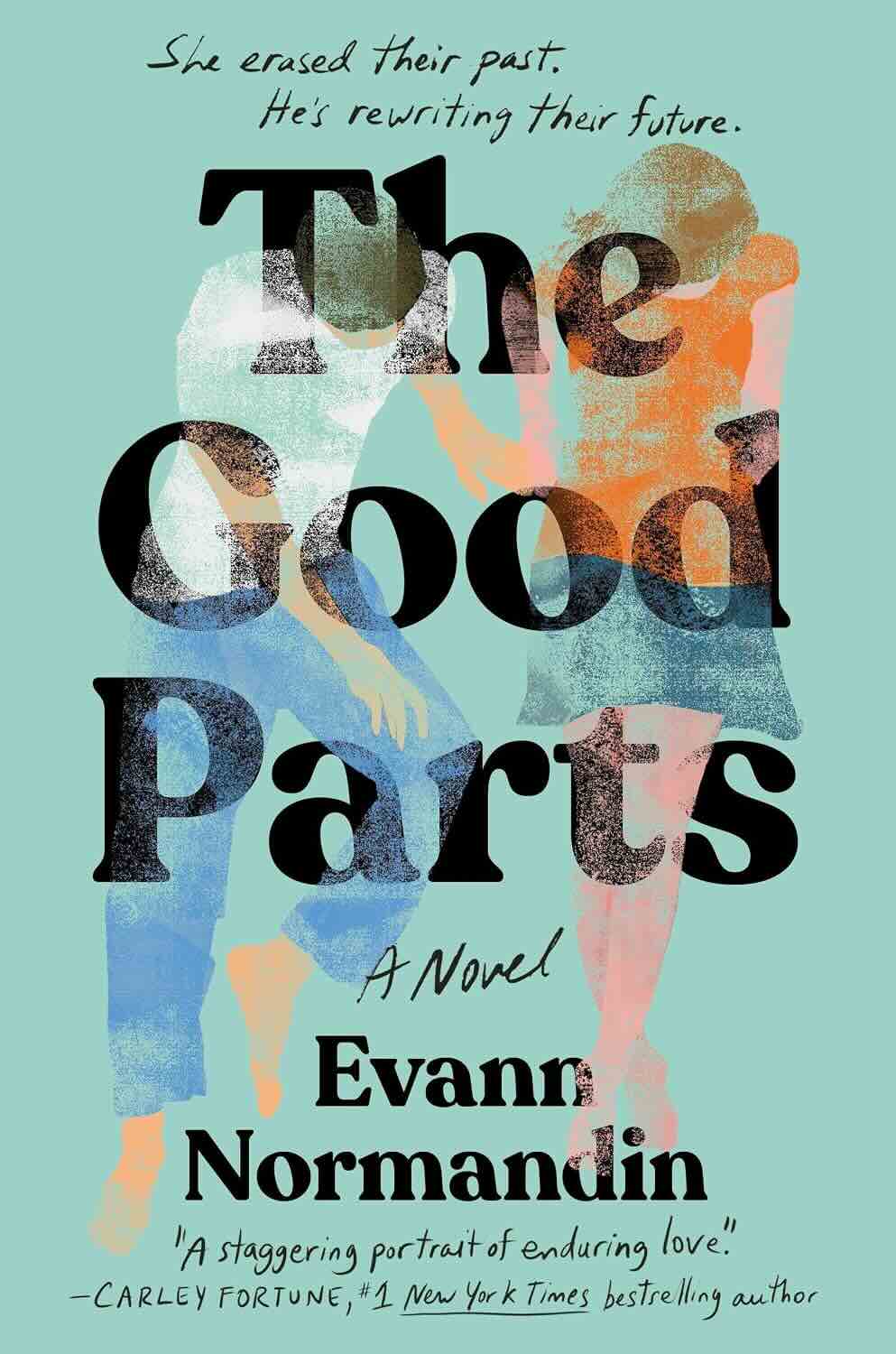
Eleven hours and twelve minutes too late: that is when a crucial letter arrives in Evann Normandin’s debut, and the missed margin reshapes two lives. In a world where a black-market pill can erase grief, Rose has taken it, shedding her sorrow, her history, and her marriage. Her husband Landon follows her to Edinburgh and re-enters her life as a stranger, betting she might choose him twice.
Normandin runs two timelines in opposite directions, Landon’s present against Rose’s backward-moving past, and the dramatic irony gives every warm scene a shadow. Foggy Edinburgh, a city built over buried things, makes an apt setting, the banter crackles, and secondary characters Poppy and Conor bring real life to the margins. Rose’s growth from self-described broken girl into a woman who wears bold, beautiful things is the standout, while Landon’s slippery, possessive scheme divides sympathy by design, and the novel refuses to excuse him.
It is not seamless: momentum sags through the middle third, the pill’s mechanics stay deliberately fuzzy in ways that will bother rule-minded readers, a few metaphors overreach, and attentive readers will see certain reveals coming. Book clubs and fans of Rebecca Serle or David Nicholls, comfortable with heavy themes of loss and infidelity, will find plenty to argue about. No premise among the books of July 2026 invites more debate.
Constants by E.B. Miller
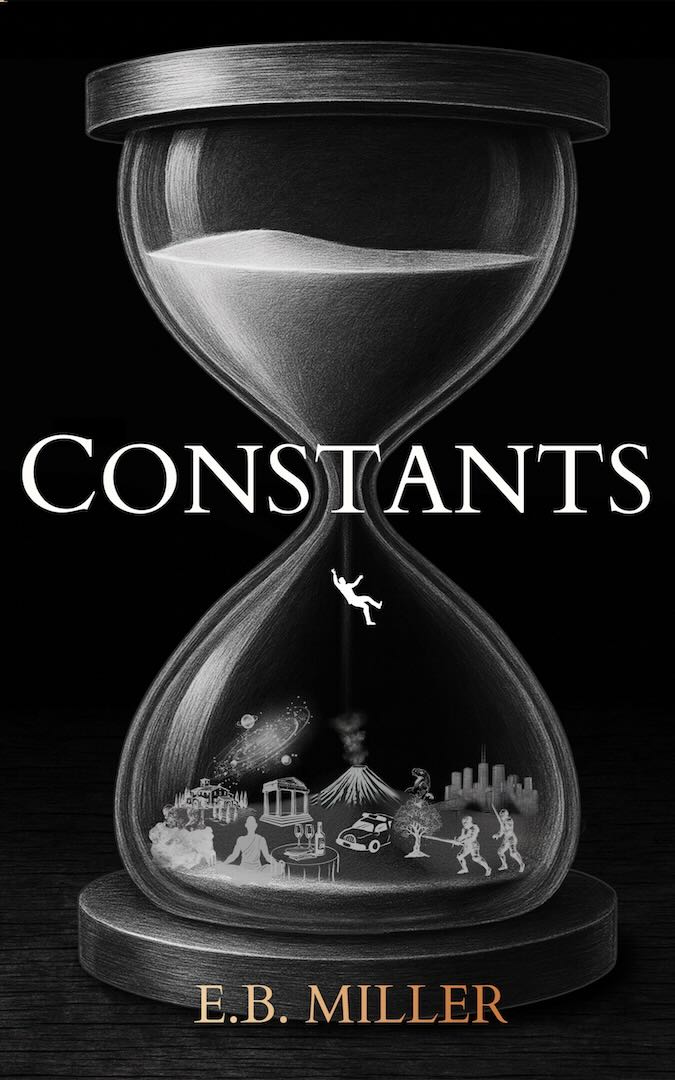
Every eighteen minutes and thirty-two seconds, Mark Robson dies. Each death drops the archaeologist into a new reality, a colonial Indian street market, a candlelit dinner, a cartoon kitchen policed by pigs, and the countdown restarts. E.B. Miller’s debut turns the multiverse premise into a real-time experiment: nearly every chapter spans one full existence, so a second hand ticks beneath even the quiet scenes and the tension becomes structural rather than manufactured. Recurring anchors, the number 1832, unexplained earthquakes, a psychiatrist who turns co-investigator, and Mark’s wife Lya, who appears in nearly every world without their shared history, give the chaos the pull of a genuine mystery.
The narrator’s gallows humour, swinging from Buddhist cosmology to complaints about rave music, keeps a heavy story about grief, drinking, and a sister lost to addiction from collapsing into misery, and the book takes seriously the possibility that flux is a mind in crisis rather than a fractured cosmos. Begun when Miller was seventeen, it shows striking control for a first novel, with images planted early and paid off late. Be warned that the voice runs profane and the clue-tracking asks for an attentive reader; those who like puzzle-box speculative fiction with an open heart, in the vein of Dark Matter or Recursion, should not hesitate. No other books of July 2026 played with structure this boldly.
The Family Speaks by Kirk Ward Robinson
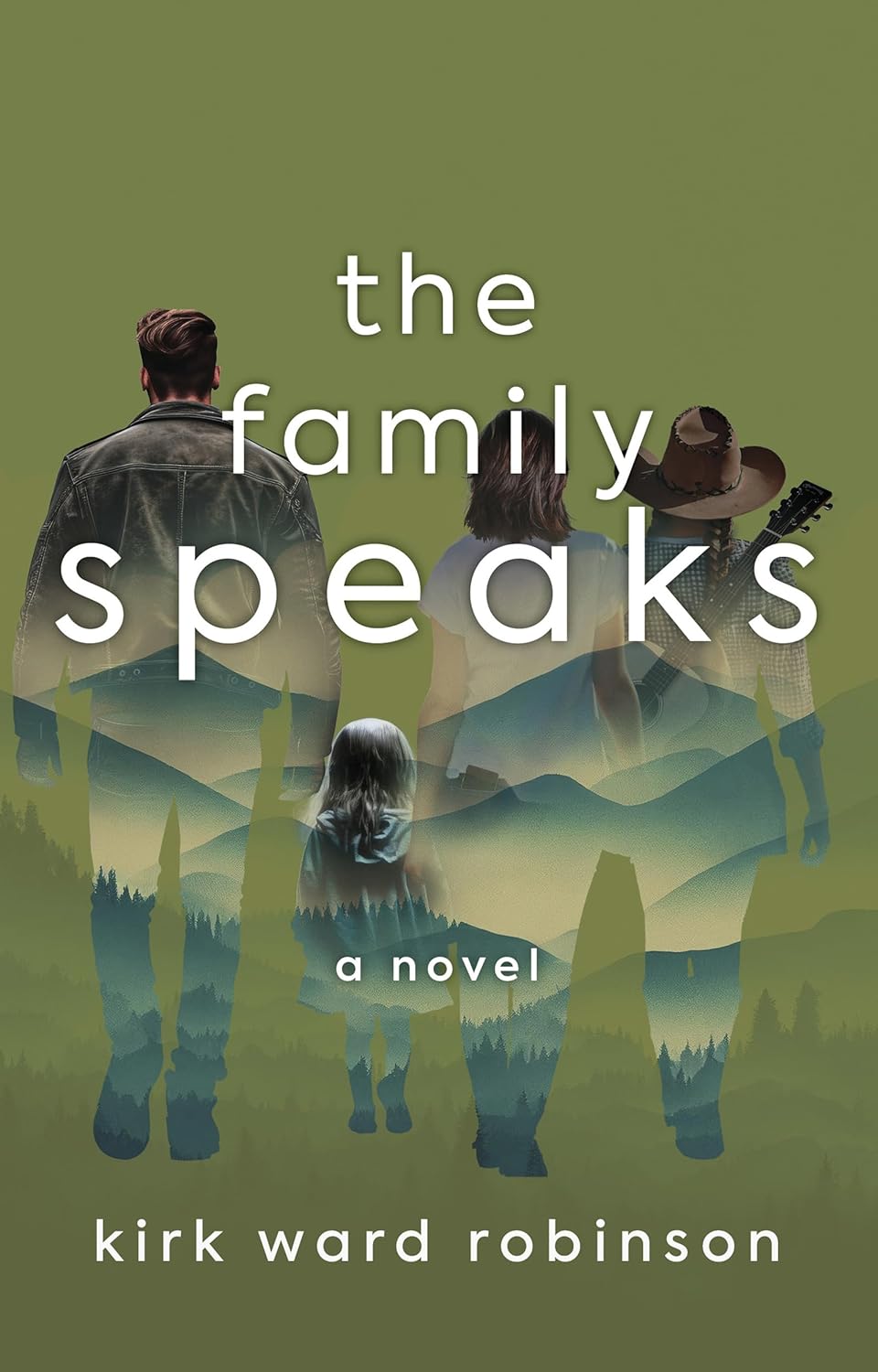
Closing out a five-book saga, Kirk Ward Robinson returns to Bilbo, a poor fictional town on the Appalachian Trail, and to Blaize Speaks, the flinty, chain-smoking matriarch who raised five children through years no parent should endure. Chapters rotate among her scattered family: Timewall walking off an old life on the trail, staff sergeant Tommy carrying wounds his ribbons cannot explain, off-grid Ridley in Colorado, Priscilla delivering physics lectures in an unapologetic mountain twang, Robbie searching scripture in a Texas prison, and Lainey facing a pregnancy alone. The story runs season by season from the winter of 2018 into the pandemic year, which arrives as a slow tightening rather than a headline. Robinson, a four-time thru-hiker, writes the landscape with worn-boot authority, his Appalachian dialect is rendered as a mother tongue rather than comedy, and post-traumatic stress, addiction, and incarceration are observed without judgment.
Newcomers can start here, since every family member is patiently reintroduced. The demands are real, though: seven rotating voices and an unhurried, seasonal pace ask for patience, and this is a novel to read slowly rather than race through. Fans of Demon Copperhead and of multigenerational sagas where reconciliation is hard won, plus armchair hikers who know every blister, will feel at home. Of the books of July 2026, this is the one to read slowest.
A Moment’s Surrender by John Burt
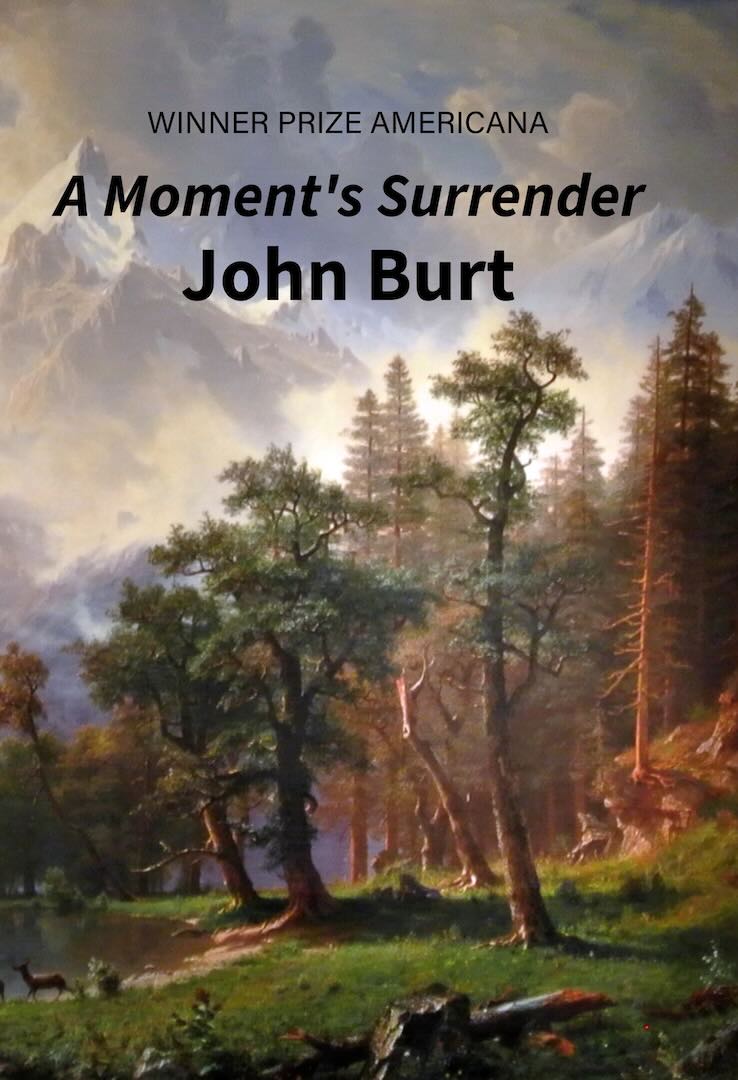
Reno, 1980. Two policemen question a nervous composition instructor named Paul Bishop about the murder of his former best friend, the celebrated poet Tom Corbin, and Paul gives them less than the truth. John Burt’s debut, its title drawn from Eliot’s The Waste Land, builds from that lie into a triangle of loyalty and withheld secrets involving Corbin’s widow Susan, a physician facing terminal illness with unsettling composure, and Rachel Lake, the woman Paul loved and lost.
Burt, a Brandeis professor and Robert Penn Warren scholar, builds his characters layer by careful layer: Paul’s decency keeps colliding with his cowardice, Susan’s unconditional love becomes a quiet dare to everyone around her, and Rachel’s severe, self-punishing spirituality gives the book its sharpest edges. The insider’s portrait of poetry readings and campus politics is precise and often funny, and flashbacks between Reno and Southern California arrive exactly when needed. One caution matters: this is a slow burn rather than a procedural, so readers hoping for a conventional whodunit should adjust, since the suspense is moral, asking “whether love can survive full knowledge of the beloved.” Those who admire Crossing to Safety or Gilead, and want fiction that treats conscience as drama, will find this one lingering for days.
Beyond Fiction: Nonfiction Books of July 2026
Two nonfiction books of July 2026 rounded out the month.
The Inward Quest by Devsingh Balan
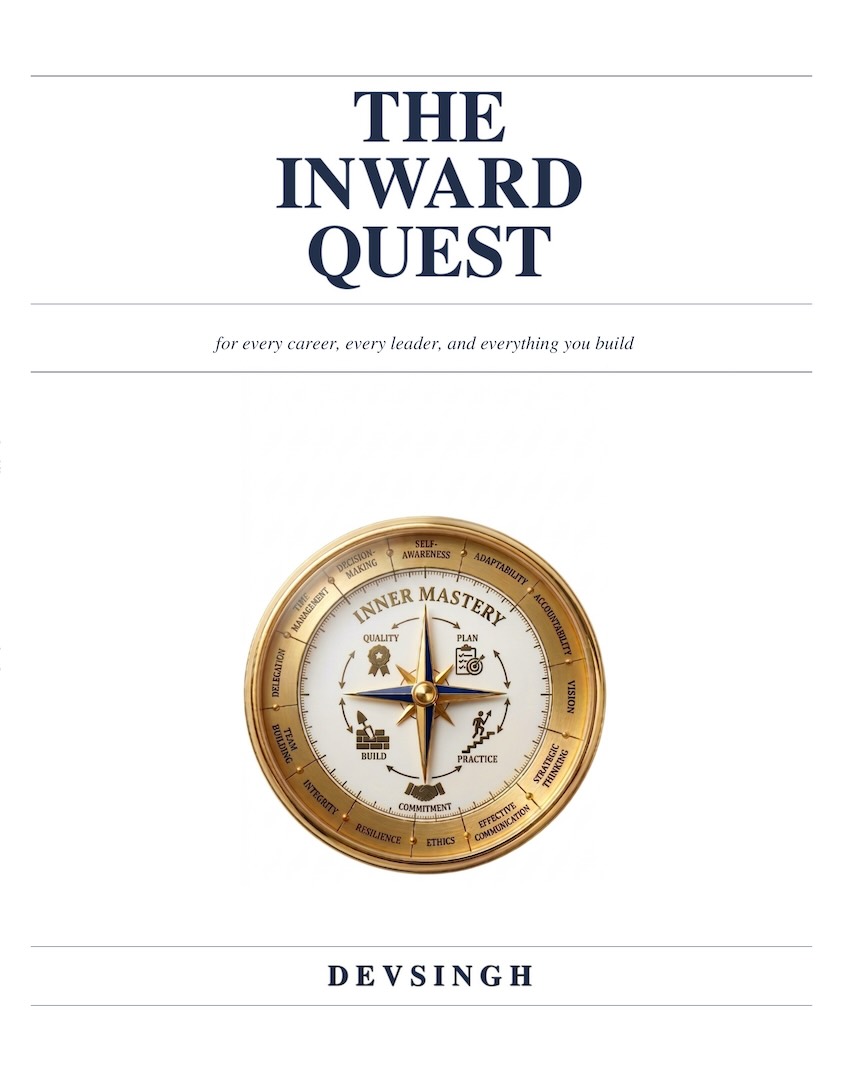
Leadership handbooks usually begin with the organisation; Devsingh Balan begins with the nervous system, arguing that ancient survival equipment keeps misfiring inside offices only a few generations old, so the freeze in a briefing or the endlessly deferred hard conversation is old code running, not a character flaw. The Inward Quest arranges itself into seven parts, moving from inner work through building, leading, and navigating the world, held together by three recurring instruments: the Integrity Bridge, integrity meaning wholeness under pressure; the Mirror Check, which closes sections with uncomfortable diagnostic questions; and the Shadow Check, which follows each virtue into its corrupted form, decisiveness becoming “impatience wearing a better suit.” Every section opens with a specific scenario before any analysis arrives, so lessons land as recognition, and the philosophical sources run to Aristotle, Marcus Aurelius, and William James rather than recent behavioural studies. Fifty condensed leader profiles, from Soichiro Honda to Ela Bhatt and Emily Roebling, supply the evidence.
Balan is candid that the book offers no new research, its value lying in selection and sequencing, and the closing nature parables will suit some temperaments and not others, working only when read slowly. First-time managers, founders carrying unspoken uncertainty, and leaders who suspect their information arrives sanitised will return to it for years.
The Fabric of Creation by Vishnu Muthu

Nine chapters, five fixed lenses: that disciplined architecture carries Vishnu Muthu’s debut, which examines subjects from causality to acoustics through myth, origin, mathematics, science, and commercialization, always in that order, until the repetition itself starts teaching the thesis that everything is connected. The mythological readings are the highlight. Muthu maps the ten Dashavatara forms against both the movement of evolution and an infant’s first year, and reads Hanuman’s eight siddhis twice over, once as metalworking vocabulary and once as a programme of character formation, letting both interpretations stand.
His day job in computer vision, robotics, and AI supplies the book’s texture, with decision-making framed as control loops, memory as an irreversible imprint, and households read through network topology, while a decade of travel notes feeds well-placed parables like the labourer who divides five coins into five purposes. Readers should know what they are signing up for: the sentences run long and stack clause upon clause, the fixed structure means each chapter reads as a variation rather than a fresh idea, and by the author’s own design this is a book to keep beside a chair and dip into, not one to finish in a weekend. Systems thinkers, students of Indian philosophy wanting a contemporary framing, and admirers of The Tao of Physics or Devdutt Pattanaik will find it quietly rewiring how they see.
The Month in One Line
If the books of July 2026 shared a theme, it was second chances: resurrected husbands, second-chance romances, duet finales, and more than one character clawing back a life that looked finished. August’s shelf is already stacking up, and the next roundup will meet you here.







