T. Kingfisher has carved out a distinctive niche in contemporary horror-fantasy, and Snake-Eater demonstrates exactly why readers keep returning to her peculiar, unsettling worlds. This latest offering plunges us into the Sonoran Desert, where ancient spirits walk alongside struggling humans, and where a woman fleeing one nightmare discovers an entirely different kind of terror waiting in the sand.
Selena arrives in the isolated town of Quartz Creek with twenty-seven dollars, a black Lab named Copper, and the desperate hope that her estranged Aunt Amelia might offer sanctuary from an unhappy relationship. Instead, she discovers that Amelia is dead, leaving behind a charming desert house, a thriving garden, and some very unusual neighbors—both human and decidedly not. What begins as a temporary refuge becomes something far more complicated when Selena inadvertently accepts “courtship gifts” from Snake-Eater, a roadrunner god who once loved her aunt and now believes Selena owes him a debt.
The Weight of Not Knowing the Rules
Where Kingfisher truly excels is in capturing the visceral anxiety of navigating unfamiliar social terrain. Selena’s constant worry about saying the wrong thing, missing social cues, and “imposing” on others will resonate deeply with anyone who has ever felt like they’re perpetually one step behind in understanding unspoken rules. The author transforms this relatable struggle into something mythic by making it literal: Selena genuinely doesn’t know the rules governing interactions with desert spirits, and her ignorance has supernatural consequences.
This parallel construction between everyday social anxiety and genuine supernatural peril is masterfully executed. When Selena accepts Snake-Eater’s dead rattlesnakes left on her doorstep—not understanding they’re courtship gifts—the mistake feels both absurd and entirely understandable. Kingfisher never mocks her protagonist for these missteps; instead, she treats Selena’s confusion with the same compassion she affords the character’s struggles with her controlling ex-partner, Walter.
The novel’s emotional core lies in watching Selena slowly realize that perhaps her “instincts” aren’t as wrong as she’s been told, and that the problem might not be her inability to read situations correctly, but rather the people who convinced her she was always wrong. This journey toward self-advocacy unfolds beautifully against the backdrop of desert spirits and supernatural confrontations.
A Cast of Beautifully Realized Eccentrics
Memorable Characters Include:
- Grandma Billy: A shotgun-toting elderly woman with knowledge of desert magic, peacocks, and a refusal to suffer fools
- Father Aguirre: A Catholic priest with his own supernatural secret, who loves his ancient truck and approaches the bizarre with weary acceptance
- Mayor Jenny: The postmaster, fire marshal, and chief of police rolled into one practical, no-nonsense woman
- Snake-Eater: A roadrunner god whose possessiveness and entitlement make him genuinely frightening despite his avian form
Kingfisher populates Quartz Creek with characters who feel authentically lived-in. These aren’t quirky small-town stereotypes but people with depth, flaws, and genuine warmth. Grandma Billy could have been a cliché—the wise old woman with mystical knowledge—but instead she’s profane, occasionally wrong, and fiercely protective in ways that feel earned rather than obligatory. Father Aguirre’s ability to accept the impossible while maintaining his priestly duties adds unexpected humor and humanity.
The antagonist, Snake-Eater, represents a particular kind of masculine entitlement that makes the novel’s horror elements deeply personal. His belief that Selena owes him devotion simply because her aunt loved him mirrors the controlling dynamics of her relationship with Walter, creating a sophisticated parallel between supernatural and mundane threats.
Where the Desert Speaks
Kingfisher’s childhood years in Arizona’s Sonoran Desert shine through every page. The landscape isn’t mere backdrop but an active presence—beautiful, harsh, and inhabited by spirits who’ve claimed it far longer than any human settlement. The author captures both the alien majesty of the desert and its surprising intimacy, from the dangerous grace of roadrunners to the patient strength of saguaro cacti.
The mythology Kingfisher weaves feels organic rather than borrowed. These spirits aren’t generic nature deities but specific beings tied to particular places and natural phenomena: Old Man Rattlesnake, the squash god who tends Amelia’s garden, DJ Raven who commandeers the local radio station, Yellow Dog who defends humans out of genuine affection. Their council scenes crackle with personality while maintaining an otherworldly quality that reminds us these are fundamentally inhuman beings operating on their own logic.
The Balance Between Horror and Heart
Snake-Eater demonstrates Kingfisher’s trademark ability to blend creeping dread with genuine warmth. The “fetches”—horrifying apparitions with too many eyes that press against windows at night—are genuinely disturbing. Snake-Eater’s escalating harassment, from leaving dead rattlesnakes to sending supernatural minions, creates mounting tension. Yet these horror elements never overshadow the novel’s essential humanity.
The book excels at:
- Creating genuinely unsettling supernatural encounters
- Balancing tension with moments of humor and tenderness
- Grounding fantasy elements in emotional truth
- Building suspense through atmospheric detail rather than cheap scares
However, some readers might find the pacing uneven in the middle section, where Selena’s integration into Quartz Creek life occasionally slows the supernatural plot’s momentum. The resolution, while satisfying emotionally, relies on spirit politics that can feel somewhat convenient—though Kingfisher earns this through careful worldbuilding that establishes these rules early.
Echoes of Previous Work and Literary Company
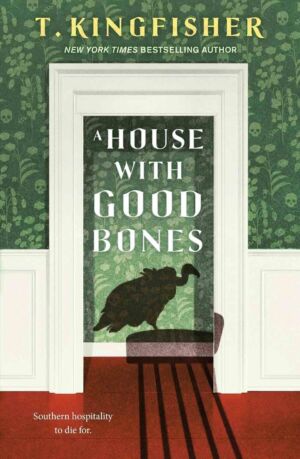
Readers familiar with Kingfisher’s previous horror novels—The Twisted Ones, The Hollow Places, and A House with Good Bones—will recognize her signature style: a woman, often with a dog, confronting the uncanny while maintaining a wry internal monologue. Snake-Eater feels like a refinement of this formula, with the desert setting providing fresh atmosphere and the controlling relationship subplot adding psychological depth.
The novel shares DNA with authors who blend the mythic and the everyday. Silvia Moreno-Garcia’s atmospheric horror, particularly Mexican Gothic, offers similar explorations of place and power. Rachel Harrison’s compassionate treatment of women escaping difficult situations echoes Selena’s journey. Chuck Tingle’s recent work in horror-tinged emotional storytelling finds a kindred spirit here, though Kingfisher’s approach is more grounded in traditional horror tropes.
If you enjoyed Snake-Eater, consider:
- The Hollow Places by T. Kingfisher (for more of her horror)
- Mexican Gothic by Silvia Moreno-Garcia (gothic horror with strong setting)
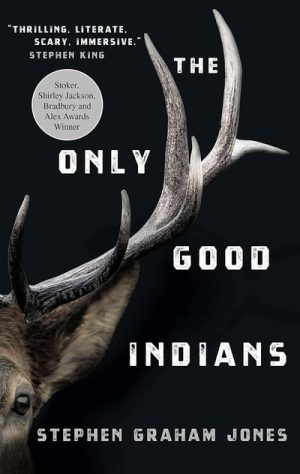
- The Only Good Indians by Stephen Graham Jones (Native American horror with mythic elements)
- Ring Shout by P. Djèlí Clark (supernatural horror rooted in specific cultural landscapes)
- The Drowning Kind by Jennifer McMahon (atmospheric, women-centered horror)
Final Thoughts on Debts and Agency
Snake-Eater ultimately asks what we owe to others and ourselves. Selena spends the novel learning to distinguish between genuine obligations and manufactured guilt, between necessary compromise and erasure of self. The supernatural conflict with Snake-Eater externalizes her internal struggle: refusing to let others define her worth or dictate her choices, even when they claim authority through tradition, love, or divine right.
The novel isn’t perfect—some readers may wish for more visceral horror, while others might find the community’s immediate acceptance of Selena somewhat idealized. The climactic confrontation, though emotionally resonant, could have benefited from higher stakes. Yet these are minor quibbles in a book that succeeds brilliantly at what it attempts: crafting a deeply humane story about finding yourself, your people, and your place, even when ancient gods disagree.
Kingfisher has written a love letter to the desert, to found families, and to everyone who has ever felt like they’re playing a game without knowing the rules. Snake-Eater offers both genuine chills and genuine comfort, reminding us that sometimes the scariest monsters are the ones who claim they only want what’s best for us—and that standing up to them, with friends at your back and a good dog at your side, is worth the risk.
More Halloween reading: This book is one of the 58 spooky books on our Halloween list.