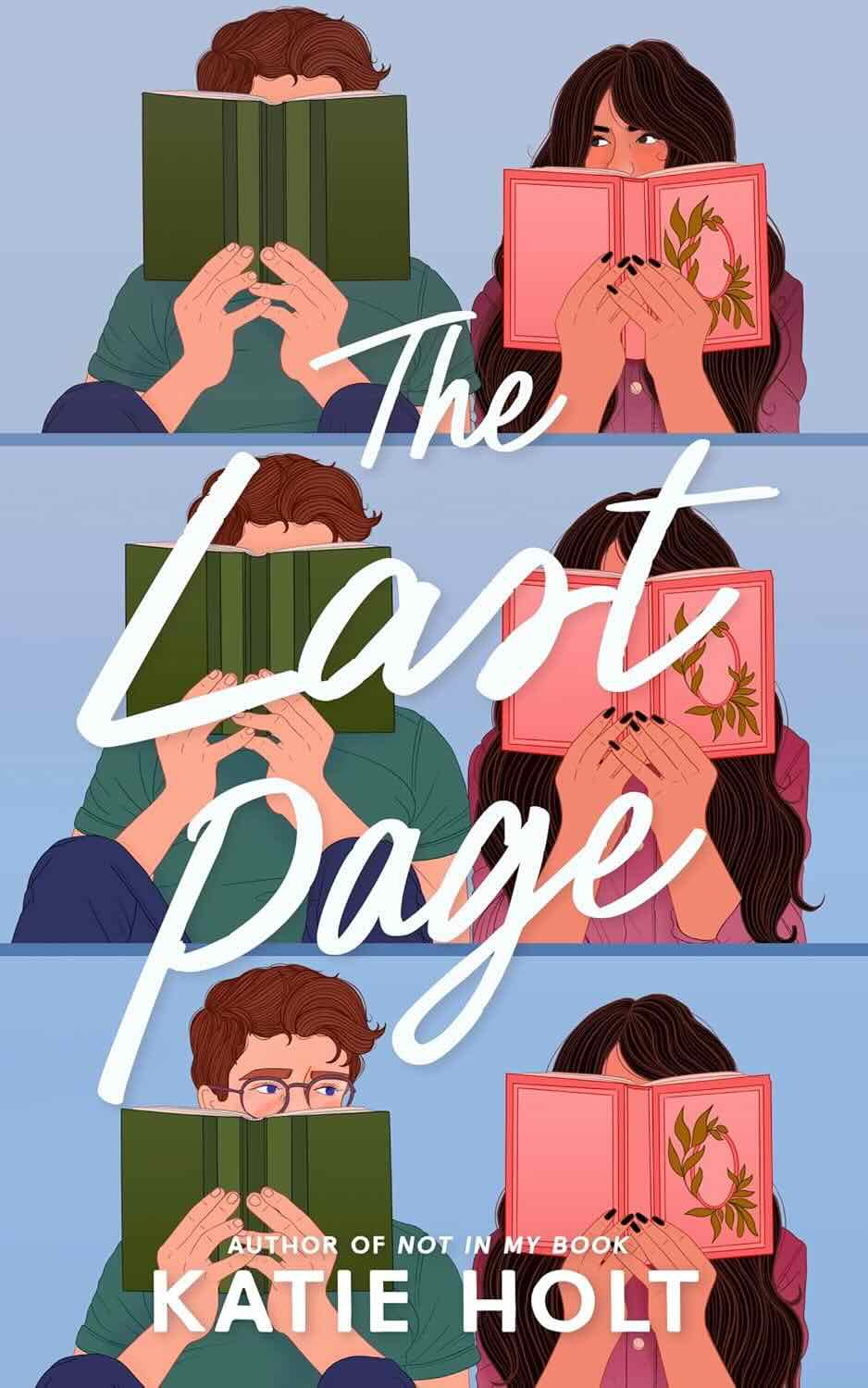
Some romance novels arrive packaged like comfort food, and you can usually spot them a mile off. The Last Page by Katie Holt sits firmly in that category, with all the cozy markers you’d expect: a charming West Village bookshop, a sharp-tongued bookseller heroine, a fish-out-of-water hero, and a slow burn paced like a Sunday afternoon at the register. What sets it apart from the bookish romance crowd is less the structure and more the texture. Holt, who once worked at The Strand and clearly drained every ounce of that experience onto the page, builds a setting so specific and so lovingly detailed that the store itself becomes the third lead.
A Premise You’ve Met Before, Dressed Up Beautifully
Carmella “Ella” Sanchez has spent most of her life inside The Last Page, the kind of independent bookstore where her first kiss happened in women’s health and a college boyfriend dumped her next to Tina Fey’s Bossypants. Leo Martin, the owner, treated her like a granddaughter and quietly groomed her to take the store over. When Leo dies and the entire shop passes instead to Henry Martin, the estranged Tennessee grandson nobody at the shop has even met, Ella’s life plan collapses on a Tuesday morning. Henry shows up in a Volunteers ball cap, full of business consultant instincts and a deep distrust of New York City.
They’ve met before, of course. The subway scene that opens their dynamic is sharp, awkward, and quietly funny. By the time Henry walks through the bookstore door as the new owner, the meet-cute has already curdled into a meet-disaster.
What follows is rivals to friends to lovers played by the book, which is both the novel’s biggest comfort and its mildest limitation. If you’ve read enough of the genre, you can sketch most beats from a chapter or two in. But Holt is a confident enough writer to make familiar territory feel lived-in rather than warmed-over.
The Bookstore as Living Character
The real love story in The Last Page by Katie Holt is the quiet one between Ella and the shop itself. Holt spends generous pages on the mezzanine of New York City books, the basement chaos, the third-floor children’s section, Leo’s office walls papered with photographs, and the daily mess of staff picks and dog-eared bestsellers. None of this reads as filler. It reads as someone who actually understands what it smells like inside a multi-floor used bookstore in March.
A few of the strongest passages simply describe a normal day on the floor: a streaker barreling through the main level, Bill Clinton browsing American History, a customer with a rat in his shirt pocket. By the time the financial crisis at the store arrives, you understand exactly why everyone is panicked, because Holt has earned that emotional stake.
What Holt Gets Right
Several things lift this above genre baseline:
- The booksellers as a found family. Joey, Julie, Stewart, Mabel, Jack, Ren, Mina, Ameerah, David, and the rest are loud, opinionated, and reliably funny. The morning meeting scenes alone are worth the cover price.
- The Peruvian-American specificity. Ella’s family in Forest Hills, her mother’s papa rellena, the Spanish slipped naturally into dinner conversation, the way she translates her culture for Henry without it ever feeling like a lesson plan.
- Real grief. Leo’s absence is not decorative. The author’s note confirms Holt lost her own grandfather while writing this, and that ache shows up when Ella refuses to use Leo in the past tense, or when Henry sits across from the desk he can’t bring himself to occupy.
- Format variety. Email threads between Ella and Henry, New Yorker articles that frame the store’s public arc, staff pick epigraphs opening each chapter. None of it feels gimmicky.
The writing voice is breezy and modern, full of throwaway observations that mark a writer paying attention. Ella’s interior monologue runs hot and a little manic, and Henry’s quieter Southern cadence offers a useful counterweight in the dual POV.
Where It Falters
The book is not without snags. The third act tension follows a route most regular romance readers will see coming from a long way out, and the obstacle keeping Ella and Henry apart never quite carries the weight Holt seems to want it to. There are also stretches in the middle where the side cast gets so crowded that you start losing track of who hooked up with whom and which bookseller refuses to shelve which section.
A few of the conflicts also resolve a touch too neatly. The financial crisis at the store, in particular, is solved with a viral-moment momentum that feels more wish-fulfillment than realism. For a story so grounded in the texture of running an independent shop, the rescue plot leans hard on Pinterest-board optimism. None of these are dealbreakers. They explain why the book lands closer to a strong four than a perfect five.
The banter also tips into self-aware territory at times, with characters practically announcing what trope they’re in. Some readers will love this. Others will find it pulls them out of the story.
Who Should Read It
This one is for you if you happily live in the Christina Lauren and Ali Hazelwood corner of the bookshop. Readers who loved Emily Henry’s Book Lovers will find a similar pleasure here, the same fizzy banter and well-drawn workplace. The Last Page by Katie Holt is also a strong recommendation for anyone who enjoys:
- Book Lovers by Emily Henry for the bookish-meets-bookish workplace dynamic
- Love and Other Words by Christina Lauren for slow-burn second-chance chemistry
- The Love Hypothesis by Ali Hazelwood for rivals turning into something more
- The Bookish Life of Nina Hill by Abbi Waxman for chaotic bookstore charm
- The Storied Life of A.J. Fikry by Gabrielle Zevin for the indie-shop-as-home conceit
- The Bookshop on the Corner by Jenny Colgan for cozy, low-angst comfort reading
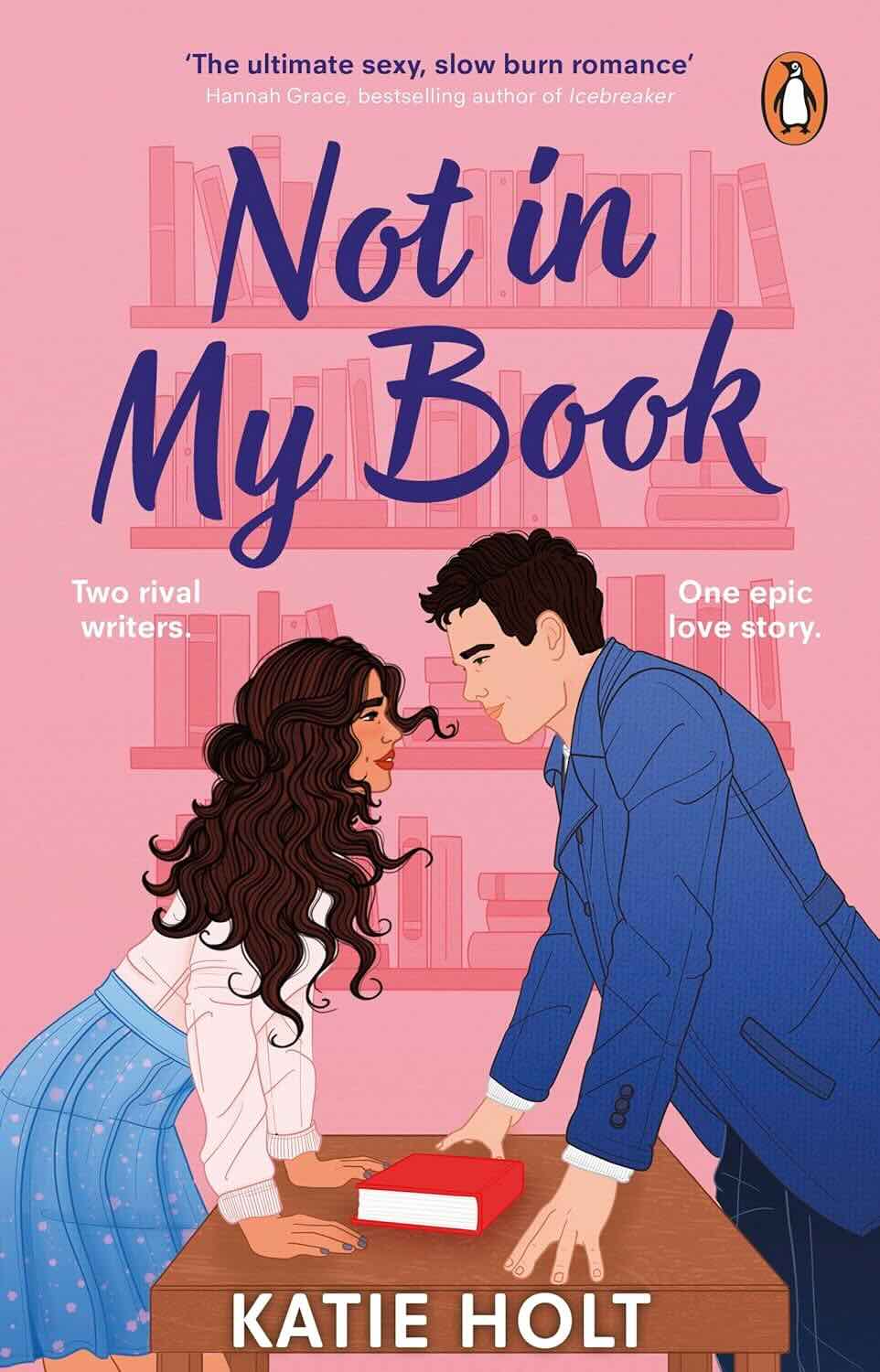
If you came to this book straight from Holt’s debut, Not in My Book, you’ll find a writer who has loosened up considerably between releases. The voice is sharper, the world fuller, the supporting cast more confidently drawn.
Final Thoughts
The Last Page by Katie Holt is not reinventing the wheel and it isn’t trying to. It’s trying to give booklovers a long, warm escape inside a romanticized but fully imagined version of an indie bookstore, and on that count it succeeds. Holt’s affection for booksellers and the strange little communities they build is the warmest part of the novel, and Ella’s voice carries the story even when the romance beats turn familiar. Henry takes a bit longer to come into focus and his Knoxville backstory stays slightly underdeveloped, but by the closing chapters, you’ll have settled comfortably into both of them.
For readers who treat romance as their preferred form of comfort reading, The Last Page by Katie Holt belongs near the top of the summer pile. It’s a book that knows what it is and knows who it’s for, and there is real craft in that.