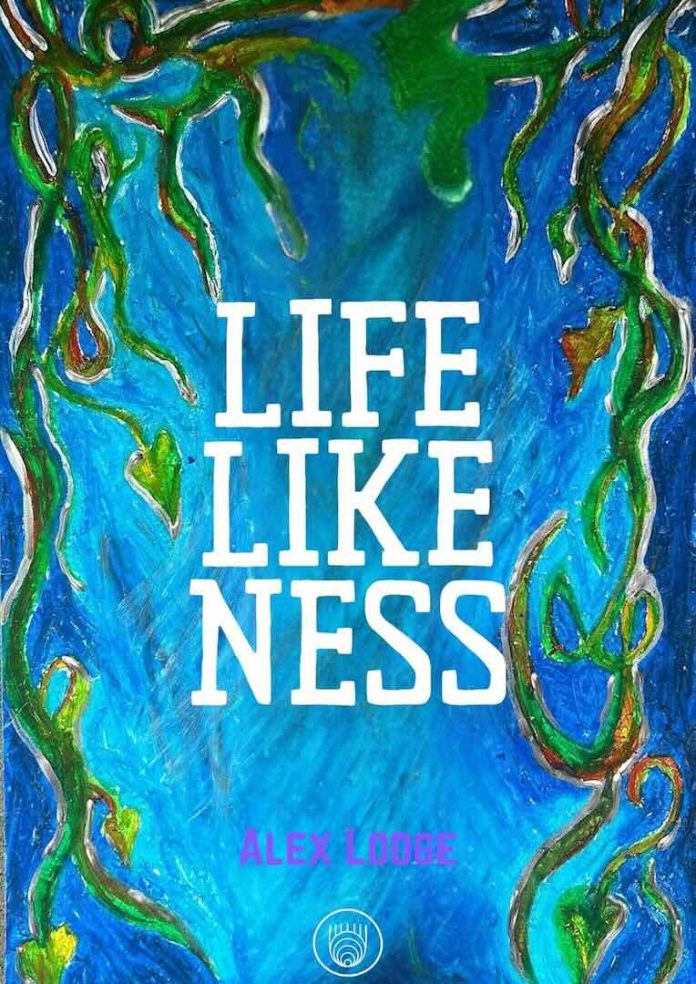
Alex Lodge’s debut novel Lifelikeness arrives as a stunning entry into contemporary science fiction, offering readers a uniquely New Zealand perspective on artificial intelligence, climate catastrophe, and human adaptability. This remarkable first novel from the acclaimed playwright and essayist demonstrates a sophisticated understanding of both literary craft and speculative fiction’s potential to illuminate our present moment through future possibilities.
Set in 2182, nearly a century after the catastrophic “Shift” reshaped Earth’s geography and society, Lodge creates a world where humans and artificial beings called “cyble” coexist in an uneasy alliance. The novel follows Hattie Wood, a materialistic resident of New Seoul’s Orthodox community, whose comfortable but shallow existence crumbles when she becomes the unwitting subject of a cyble documentary that exposes her affair and ostracizes her from everything she’s known.
Character Development and Narrative Arc
The Transformation of Hattie Wood
Lodge’s greatest achievement lies in crafting Hattie as a genuinely flawed yet compelling protagonist. Initially presented as vapid and self-absorbed, obsessed with appearance and social status, Hattie undergoes a profound transformation that feels both authentic and earned. Her journey from the insular Orthodox community through various Pacific Island societies to ultimately discovering her own capacity for growth represents one of the most satisfying character arcs in recent science fiction.
The author skillfully avoids the trap of making Hattie either completely sympathetic or irredeemably awful. Instead, Lodge presents her as recognizably human—petty, confused, occasionally cruel, but also capable of genuine connection and growth. Her relationship with the child Idika becomes particularly poignant, showing how responsibility for others can catalyze personal development.
Supporting Characters and World-Building
The novel’s rich cast includes memorable figures like Kazuo Raven-Eye, the enigmatic cirkus elder whose wisdom guides much of the story’s philosophical framework, and Ani, the cyble whose documentary sets events in motion but who emerges as a complex character grappling with questions of identity and autonomy. Lodge demonstrates particular skill in creating distinct voices and cultures for each community Hattie encounters, from the bread-making traditions of Rotorua to the nomadic cirkus performers.
Thematic Depth and Cultural Resonance
Indigenous Wisdom and Environmental Stewardship
One of the novel’s most compelling aspects is Lodge’s integration of Māori cultural elements and environmental philosophy. The sections set in Rotorua-nui-a-Kahumatamomoe showcase a society that has maintained cultural traditions while adapting to post-catastrophe realities. The reverence for place, the importance of whakapapa (genealogy), and the understanding of humans as part of rather than separate from the natural world provide a powerful counterpoint to the Orthodox community’s isolationist materialism.
Lodge handles these cultural elements with evident respect and research, avoiding appropriation while highlighting how Indigenous knowledge systems might offer pathways through global crises. The bread-making sequences, in particular, become almost meditative explorations of connection, tradition, and the sacred in everyday life.
Technology and Humanity
The relationship between humans and cyble serves as more than simple allegory for artificial intelligence concerns. Lodge explores questions of consciousness, autonomy, and what constitutes authentic existence through characters who must navigate relationships across the human-AI divide. The revelation of the cyble’s true nature and purpose provides genuine surprises while raising profound questions about control, manipulation, and the price of peaceful coexistence.
Literary Craft and Style
Narrative Structure and Pacing
Lodge employs a sophisticated four-part structure that mirrors Hattie’s journey from insularity to understanding. The pacing builds effectively from the domestic drama of Part One through the adventure elements of Parts Two and Three to the philosophical and action-packed conclusion. The author demonstrates particular skill in balancing exposition with character development, never allowing world-building to overwhelm the human story at the novel’s heart.
Language and Voice
The prose style adapts fluidly to different cultural contexts while maintaining consistency of voice. Lodge captures the rhythms of various communities—from the consumerist jargon of New Seoul to the more grounded speech patterns of Pacific Island societies—without resorting to caricature or stereotype. The integration of te reo Māori feels natural and respectful, adding authenticity to the New Zealand setting.
Comparison to Contemporary Science Fiction
Unique Position in the Genre
While Lifelikeness by Alex Lodge shares DNA with climate fiction and AI-focused narratives, it occupies a unique position in contemporary science fiction. Unlike the often pessimistic tone of much climate fiction, Lodge offers a vision of post-catastrophe societies that have found ways to thrive. The novel’s Pacific setting also distinguishes it from the predominantly North American and European perspectives that dominate much English-language science fiction.
The treatment of artificial intelligence avoids both the Terminator-style antagonism and the utopian enhancement narratives common in the genre, instead presenting a more nuanced exploration of coexistence and mutual dependence.
Strengths and Insights
Cultural Authenticity and Research
Lodge’s background as a New Zealand writer brings authentic cultural insight to the novel’s exploration of Pacific societies. The detailed descriptions of traditional practices, from bread-making to storytelling, demonstrate extensive research and genuine appreciation for the cultures depicted.
Environmental Philosophy
The novel’s environmental themes emerge organically from the narrative rather than feeling imposed. The relationship between humans and the volcanic landscape of Rotorua becomes almost a character in itself, embodying themes of power, unpredictability, and the need for respectful coexistence.
Character Psychology
Lodge demonstrates sophisticated understanding of human psychology, particularly in depicting how people respond to crisis and change. The various community structures—from the Orthodox isolationism to the inclusive Pacific Island societies—feel like genuine responses to catastrophic change rather than simple plot devices.
Contemporary Relevance
Lifelikeness speaks directly to current anxieties about climate change, artificial intelligence, and social fragmentation while offering hope for human adaptability and cross-cultural understanding. The novel’s exploration of how communities maintain identity while adapting to change feels particularly relevant in our current moment of global uncertainty.
Similar Reads and Recommendations
Readers who appreciate Lifelikeness by Alex Lodge might enjoy:
- The Fifth Season by N.K. Jemisin – for its innovative approach to climate catastrophe and social structures
- Klara and the Sun by Kazuo Ishiguro – for its nuanced portrayal of AI consciousness
- The Luminous Dead by Caitlin Starling – for Pacific-influenced science fiction perspectives
- Station Eleven by Emily St. John Mandel – for its optimistic post-apocalyptic vision
- The Left Hand of Darkness by Ursula K. Le Guin – for its anthropological approach to science fiction
Final Assessment
Lifelikeness announces Alex Lodge as a significant new voice in science fiction, combining sophisticated world-building with genuine cultural insight and compelling character development. The novel succeeds both as entertainment and as thoughtful exploration of how human societies might navigate the challenges ahead. Lodge’s background in theater and essays clearly informs the novel’s strong dialogue and thematic depth, creating a work that resonates on multiple levels.
This debut demonstrates remarkable maturity in handling complex themes while maintaining narrative momentum and emotional engagement. For readers seeking science fiction that combines adventure with cultural authenticity and philosophical depth, Lifelikeness represents an outstanding addition to the genre that establishes Lodge as an author worth following closely.
The novel’s vision of post-catastrophe resilience, cultural preservation, and cross-species cooperation offers both escapist entertainment and genuine hope for navigating our own uncertain future, making it essential reading for anyone interested in thoughtful, culturally grounded science fiction.







