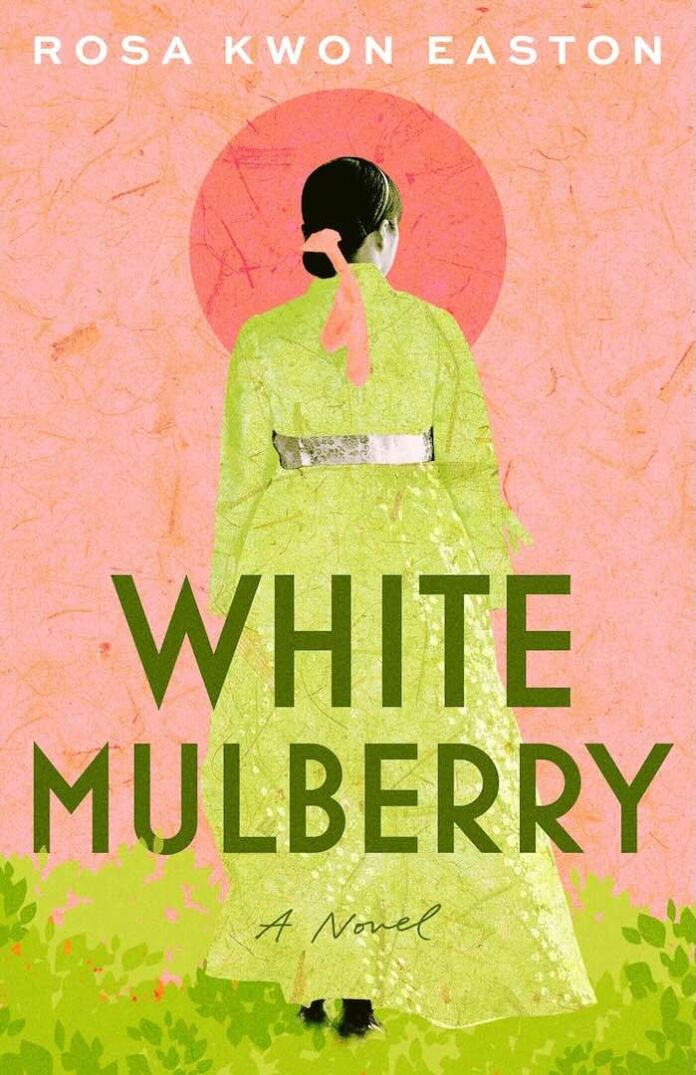
White Mulberry, Rosa Kwon Easton’s debut novel, weaves an intricate tapestry of cultural identity, maternal love, and personal transformation against the backdrop of Japanese-occupied Korea and pre-World War II Japan. Drawing inspiration from her grandmother’s life story, Easton crafts a narrative that resonates deeply with contemporary discussions about immigration, assimilation, and the preservation of cultural heritage.
Historical Context and Setting
The story unfolds in 1928 Korea, during the Japanese occupation, and follows the journey of eleven-year-old Miyoung as she navigates between two worlds. Easton masterfully depicts the political tensions and social dynamics of the era, particularly the discrimination faced by Koreans living in Japan. The author’s meticulous research shines through in her detailed portrayal of daily life, customs, and the growing militarization of Japanese society in the 1930s and early 1940s.
Narrative Structure and Style
Easton employs a linear narrative structure that effectively traces Miyoung’s transformation from a spirited village girl to a resilient young woman. The prose is elegant and measured, with occasional bursts of lyrical description that bring the setting to life. However, some readers might find the pacing in the middle section slightly uneven, particularly during Miyoung’s early years in Japan.
Character Development
Strengths:
- The protagonist’s evolution from Miyoung to Miyoko is beautifully rendered, showcasing the complexities of cultural assimilation
- Supporting characters, especially Bohbeh and Hojoon, are well-developed with distinct personalities
- The relationship between Miyoung and her son Ko-chan is portrayed with nuance and emotional depth
Areas for Improvement:
- Some secondary characters, particularly the Japanese antagonists, occasionally verge on stereotypical
- The character of Taeyoung could have been more fully developed given his significance to the story
- The transformation of Halmeoni’s attitude toward Ko-chan feels somewhat abrupt
Themes and Symbolism
The white mulberry tree serves as a powerful central metaphor throughout the novel, representing both Miyoung’s Korean roots and her ability to adapt and survive in hostile conditions. Other recurring themes include:
- The tension between personal identity and survival
- The sacrifices and strength of motherhood
- The role of faith and community in preserving cultural identity
- The impact of colonialism on individual lives
- The power of education and professional achievement in women’s lives
Writing Craft
Easton’s background as a lawyer is evident in her precise, thoughtful prose. Her descriptions of medical procedures and nursing duties demonstrate careful research, lending authenticity to Miyoung’s professional journey. However, there are occasions where the dialogue feels slightly stilted, particularly in emotional scenes.
Cultural Authenticity
One of the novel’s greatest strengths lies in its authentic portrayal of the Korean immigrant experience in pre-war Japan. Easton skillfully depicts the painful choices faced by Koreans who had to hide their identity to survive, while also exploring the psychological toll of such decisions.
Critical Analysis
What Works Well:
- Rich historical detail and context
- Complex exploration of identity and assimilation
- Strong mother-child relationships
- Vivid sense of place and time
- Compelling narrative arc
Areas for Development:
- Pacing issues in certain sections
- Some predictable plot elements
- Occasional overreliance on coincidence to move the story forward
- Could benefit from more nuanced antagonists
Impact and Relevance
White Mulberry resonates strongly with contemporary discussions about immigration, racial discrimination, and cultural identity. The novel’s themes of maternal sacrifice and survival echo through generations, making it particularly relevant to modern readers grappling with similar issues of belonging and identity.
Comparison with Similar Works
The novel stands alongside other significant works exploring the Korean experience during Japanese occupation, such as Min Jin Lee’s Pachinko and Crystal Hana Kim’s If You Leave Me. While these books share similar themes, Easton’s focus on the nursing profession and the specific challenges faced by Korean immigrants in Japan offers a unique perspective.
Final Verdict
White Mulberry is an impressive debut that successfully balances historical detail with emotional depth. Despite some minor flaws, the novel effectively captures the complexity of the Korean immigrant experience in pre-war Japan while telling a deeply human story about motherhood, identity, and survival.
Recommendations
This book will appeal to readers who enjoy:
- Historical fiction set in Asia
- Stories about immigration and cultural identity
- Mother-daughter narratives
- World War II era literature
- Medical historical fiction
We have reviewed The Great Mann by Kyra Davis Lurie too, if another historical fiction is what you are after.
Author’s Background
Rosa Kwon Easton brings her personal experience as a Korean-American and her professional background as a lawyer to this debut novel. Her understanding of both Korean and Japanese culture enriches the narrative, though this is her first published work of fiction.
Conclusion
White Mulberry is a significant addition to the growing body of literature exploring the Korean diaspora experience. Despite some minor shortcomings, Easton has created a moving and important work that deserves attention. The novel successfully illuminates a lesser-known aspect of pre-war Japanese history while telling a universal story about the lengths a mother will go to protect her child and preserve her identity.
The book’s greatest achievement lies in its ability to make readers understand and empathize with the difficult choices faced by immigrants and minorities in hostile environments, while never losing sight of the personal story at its heart. While there is room for growth in Easton’s craft, this debut marks her as an author to watch in historical fiction.
This review is based on a thorough reading of the advance review copy