 0
0 1
1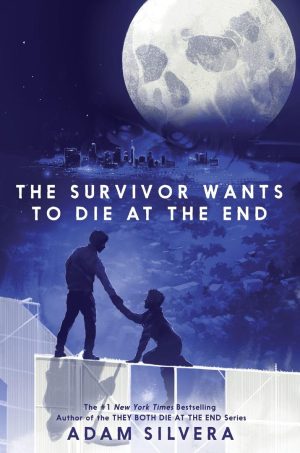 2
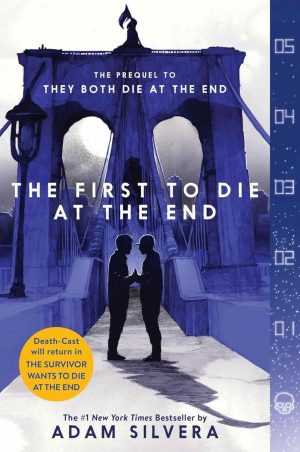
2Adam Silvera’s The First to Die at the End is a prequel that doesn’t just set the stage—it deepens it. Coming five years after the phenomenal success of They Both Die at the End, this origin tale revisits the moment Death-Cast first came alive—both the company and the concept. In this emotionally potent and philosophically resonant story, Silvera once again proves he’s a master at capturing the aching sweetness of fleeting connections.
If you’ve read the original, you know the destination. But The First to Die at the End isn’t about where we’re going. It’s about the unhurried, uncertain, beautifully messy journey we take along the way.
Plot Snapshot: Death-Cast’s First Call, Love’s First Spark
Set in New York City on the eve of Death-Cast’s nationwide launch, the novel introduces us to Orion Pagan and Valentino Prince—two strangers brought together by fate, fear, and a ticking clock.
- Orion, a writer living with a chronic heart condition, has signed up for Death-Cast in hopes of certainty—so that if the end comes, he can be ready.
- Valentino, a newly arrived model from Arizona, is just beginning his life anew. He registers with Death-Cast more out of curiosity and concern for his sister than fear.
When Death-Cast makes its first-ever End Day calls, one of the boys receives a call. The other doesn’t. What follows is a breathtaking 24 hours where love blooms, vulnerability is laid bare, and mortality is no longer an abstract threat—it’s imminent.
Character Analysis: Heartbeats and Hopes
Orion Pagan
Orion is the emotional epicenter of the novel. His life has been defined by precarity—losing his parents in 9/11, grappling with heart failure, and bracing against emotional attachment. His voice, tender and thoughtful, pulses with real human anxiety about living fully when you may not live long. His fascination with stories—ones he writes, ones he wishes to live—is Silvera at his best: writing writers who can’t help but narrate their grief and joy in the same breath.
Valentino Prince
Valentino brings a sense of wonder to the story. Having escaped a suffocating home life, he’s a character in transition—between cities, between dreams, between hiding and being seen. His modeling career and confidence contrast with his fragility, especially regarding his strained family ties and newfound queerness. He’s not just a counterpart to Orion—he’s a mirror and a muse.
Together, they embody the bittersweet truth of life: that sometimes we meet the right person at the wrong time, and that doesn’t make it any less right.
Themes: Time, Mortality, and Making Meaning
Silvera dives headfirst into some of the most existential questions a young adult novel can dare to ask:
- What does it mean to live well if you’re going to die tomorrow?
- Can love born under duress be any less real?
- Is foreknowledge of death a gift—or a curse?
Unlike They Both Die at the End, where Death-Cast is a given, this prequel explores its social, emotional, and political birth. Skeptics protest in the streets. Conspiracy theorists run wild. And yet, the magic—or science—of the premise is never truly explained. Silvera wisely withholds the “how” and focuses instead on the “so what.”
Writing Style: Bittersweet Poetics
Silvera’s signature prose is lyrical without being lofty. He writes young adult characters with compassion and credibility. He knows teenagers are capable of deep philosophical inquiry—and deeply awkward moments of flirtation, embarrassment, and self-doubt.
There’s humor and heartbreak in equal measure, especially in the banter between Orion and Valentino. Dialogue feels lived-in, not performed. Internal monologues are reflective but never indulgent. One strength Silvera flexes here is pacing. Even in a novel set within one day, every moment feels earned, measured, and memorable.
Critical Reflection: What Works and What Feels Less Certain
Strengths:
- Emotional Depth – The emotional maturity of both protagonists is a standout. Their bond never feels rushed, even though it’s constrained by time.
- World-Building Through Emotion – Instead of providing technical exposition about Death-Cast, Silvera builds the world through reaction—fear, resistance, reverence.
- Diverse Representation – The book affirms queer identities not through trauma but through joy, awkwardness, and resilience.
Areas for Improvement:
- Repetitive Reflections – At times, the introspection becomes a touch heavy-handed. The reader is reminded, perhaps too frequently, of how little time they have left.
- Secondary Characters – While Dalma (Orion’s best friend) is well-developed, others feel more like vehicles for plot than fleshed-out people.
- Predictable Emotional Arc – Readers familiar with They Both Die at the End may find that the narrative beats follow a familiar structure, lessening the element of surprise.
Still, even these critiques come from a place of admiration. The First to Die at the End is not just a prequel—it’s an expansion of a philosophy.
Series Context: A Trilogy of Mortality and Meaning
Reading The First to Die at the End deepens the impact of They Both Die at the End. Together, these novels create a rich emotional tapestry about how we might live if death were scheduled rather than random.
Looking ahead, The Survivor Wants to Die at the End (2025) promises to close the loop. That title alone hints at existential twists: Can the gift of survival become its own burden? Silvera seems poised to explore new emotional and narrative terrain, proving this series isn’t just about dying at the end—it’s about living until the end.
Similar Reads: If You Liked This…
- History Is All You Left Me by Adam Silvera – another profound exploration of love and loss in queer teen lives.
- They Both Die at the End (if you haven’t already read it).
- More Happy Than Not by Adam Silvera – for readers who enjoy sci-fi twists with emotional weight.
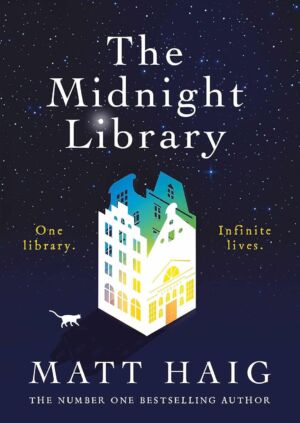
- The Midnight Library by Matt Haig – for adults or older teens craving philosophical fiction about life’s alternate paths.
- They Wish They Were Us by Jessica Goodman – for YA readers interested in New York set-ups and social commentary.
Final Thoughts: Why This Book Matters
The First to Die at the End is a love story under the shadow of death. But more than that, it’s a life story that reminds us no amount of time is promised, and yet every second can be filled with meaning. Adam Silvera doesn’t just write books—he writes emotional experiences that ask readers to interrogate their own fears, hopes, and legacies.
If They Both Die at the End asked how we’d spend our last day, The First to Die at the End asks how we choose to begin again—when the world feels like it’s ending.
Poignant and thoughtful, if occasionally familiar in structure. A must-read for fans of Silvera and lovers of stories that ache.