 1
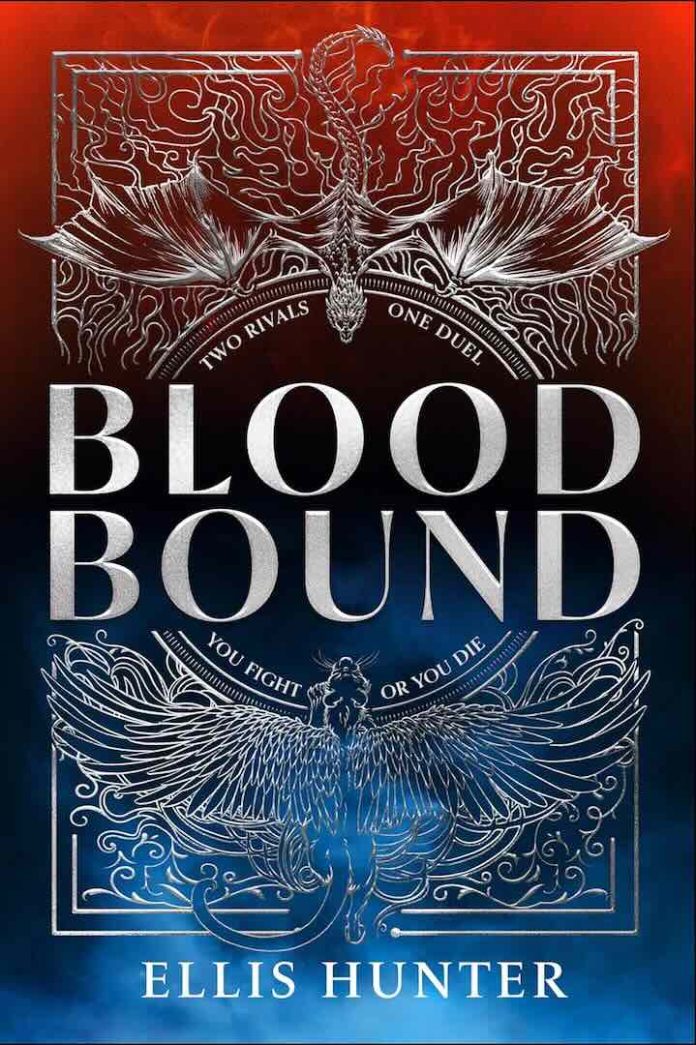
1Two women, raised continents apart, are forced to kill each other by a contract neither of them signed. That is the bone Blood Bound by Ellis Hunter chews on for over five hundred pages, and somehow it manages to feel less like a worn fantasy beat and more like a fresh wound. The novel arrives marketed as the bridge between Fourth Wing’s dragon swagger, Throne of Glass’s witchy court politics, and Red Queen’s rebellion sparks. It earns those comparisons, though it carves out its own bruised, smart-mouthed identity along the way.
The Setup, Spoiler-Free
The world is split between two continents. In the frozen north sits Arturea, a queendom of witches whose magic is dying because the source of all power has gone wrong. In the sun-baked south sits Vatra, a kingdom of Blooded humans and dragon riders. Every generation, an heir from each side must duel to the death over an ancient relic called the Heart, locked in by a magical pact called the Covenant.
Astrid is the last witch of her bloodline, twenty-four years old, terrified, brilliant at brewing potions and useless at battle casting. Skylar is a knife-juggling street performer in a traveling troupe whose best friend has just vanished, swept up by royal conscription. Their stories begin oceans apart. They do not stay that way for long.
Saying any more would spoil the book’s biggest gut-punch, which lands inside the first third and reshapes every scene that follows.
What the Book Does Brilliantly
The greatest strength of Blood Bound by Ellis Hunter, oddly enough, is not the dragons. It is the friendship at its core. Katie Ellis-Brown and Becky Hunter, the writing duo behind the pen name, have called this book a love letter to female friendship, and the prose makes good on the promise. Astrid’s bond with her bodyguard Jessa, and the prickly slow thaw between Astrid and Skylar, give the story a thumping pulse. There is real warmth here, the kind that makes the violence land harder when it comes.
A few things this novel pulls off with full confidence:
- Dual narration that earns its keep. Astrid’s chapters carry grief and quiet competence; Skylar’s crackle with rage and gallows humor. Their voices stay genuinely separate, which is rarer than it should be in dual POV fantasy.
- Familiars with personalities. Bastet, Astrid’s tiny black cat, speaks in dry baritone capitals and may be the funniest character in the book. Quincy the giant fox is forever hungry. The familiars are not pets but soul-bonded equals, and the writing treats them that way.
- A magic system with real costs. Casting taxes the body, brewing taxes nature, Gifts tax the soul. It feels engineered rather than handwaved into convenience.
- Worldbuilding that respects political reality. There are rebels, conscription camps, disposable Blooded, a starving population paying in blood for electricity. The kingdom is rotten, not just gothic.
The romance, when it arrives, is handled with more restraint than the comp titles might lead you to expect. Chemistry between Astrid and the Vatran prince builds through training sessions and verbal sparring rather than instant lust, and there is a refreshingly grown-up acknowledgement that two people can want each other and still be on opposing sides of a war.
Where It Stumbles
A book this ambitious is going to trip on its own ambition at some point, and Blood Bound by Ellis Hunter does. The middle third sags slightly, weighed down by training sequences that start to feel repetitive. There is a stretch where Skylar runs the same gauntlet of magical opponents in different configurations, and the diminishing returns are noticeable.
The worldbuilding, for all its richness, occasionally arrives in dense paragraphs of explanation that pause the action. Readers who came for dragons will sometimes have to wade through a lecture on Vitalas, ambient magic, the Covenant’s exact wording, and the difference between grade two and Prime Blooded before getting back to the swords.
Skylar, as a protagonist, is also a divisive proposition. She is sharp, mean, frequently cruel, and refuses to soften for the reader’s comfort. That is a deliberate choice and a brave one, but some readers will find her exhausting before they find her sympathetic. She is built to grow on you. The growing takes time.
And the ending. The final hundred pages move like a freight train, but the cliffhanger is genuinely vicious. Readers who do not enjoy being suspended over a narrative cliff for the next book should know what they are signing up for. The closing image is striking enough to be worth the wait, but the wait is real.
Voice and Style
The prose is brisk, modern, and unafraid of profanity. Both authors come from publishing backgrounds, which shows in the polish, but neither is precious about the fantasy register. Characters swear when they run out of potions and call each other “Sugarplum” with full sarcastic commitment. The humor is frequent and dry, often arriving right when the tension threatens to flatten the page.
Worth flagging for newer readers: Becky Hunter has published other novels outside this collaboration, while Ellis Hunter is the joint pen name they use together. Their first co-written effort reads like the work of two people who already know how to keep a reader fed.
Comparable Reads to Add to Your Pile
If you tear through Blood Bound by Ellis Hunter and need something to soften the cliffhanger ache, try these:
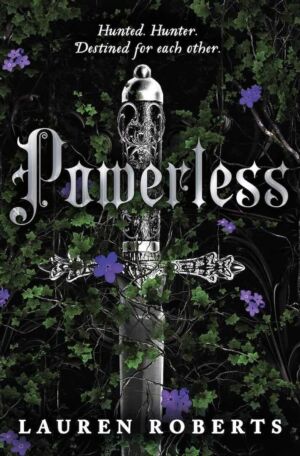
- Powerless by Lauren Roberts, for the political magic-versus-no-magic divide and slow-burn enemies-to-lovers tension.
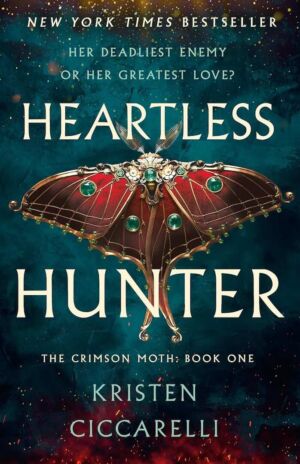
- Heartless Hunter by Kristen Ciccarelli, for witches, persecution, and a heroine you want to shake by the shoulders.
- Daughter of No Worlds by Carissa Broadbent, for harder edges and a protagonist who has clawed her way out of nothing.
- An Ember in the Ashes by Sabaa Tahir, for dual POV on opposing sides of a crumbling empire.
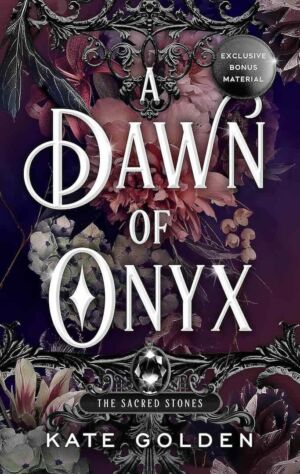
- A Dawn of Onyx by Kate Golden, for witchy heroine versus brooding king energy.
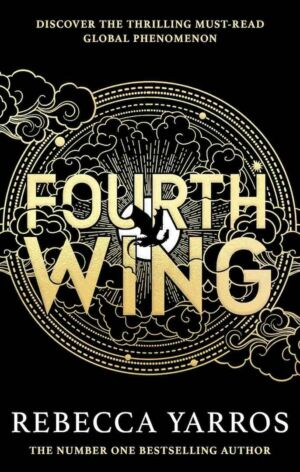
- Fourth Wing by Rebecca Yarros, the obvious pairing, especially if dragons are why you came in the first place.
Final Thoughts
Blood Bound by Ellis Hunter is not a perfect book. It is occasionally over-explained, sometimes stretched, and the cliffhanger asks a lot of patience from anyone reading in real time. But it is also clever, properly funny, and genuinely tender about the women it puts at its center. The world feels lived-in, the magic feels expensive, and the central friendship is the kind of thing that stays in your head long after the last page.
For a debut under this pen name, it walks the tightrope between fan service and originality with more grace than most. If you came for dragons, you will get them. If you stay for the witch and the troublemaker who become each other’s family, you will be the one waiting hardest for book two.