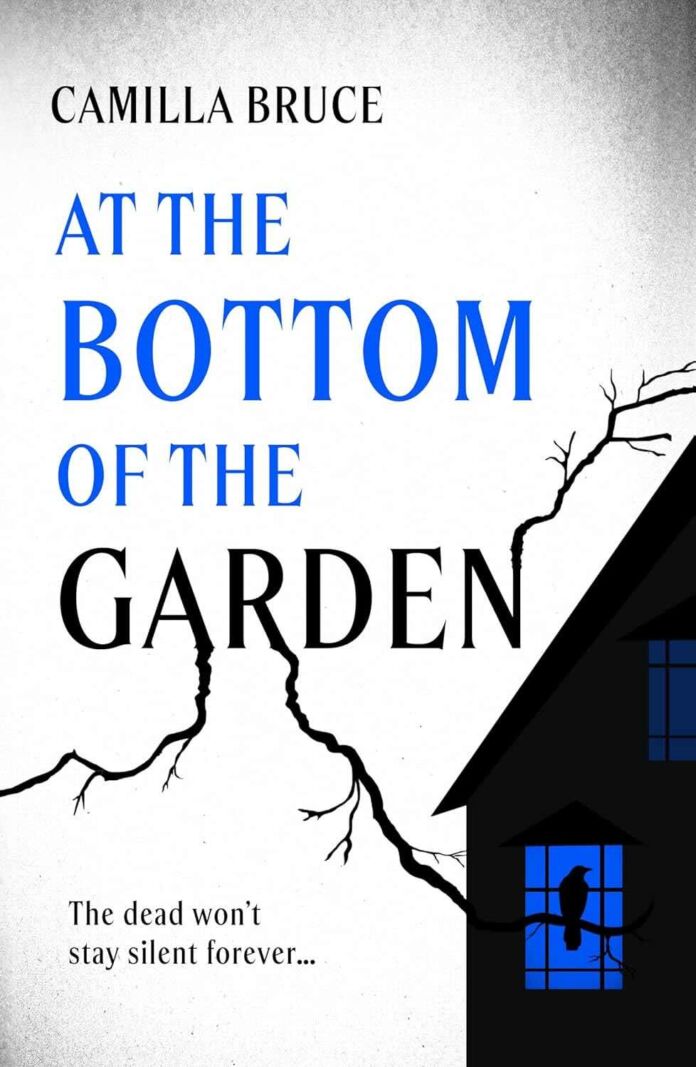
In her latest gothic novel, Camilla Bruce weaves a dark tapestry of murder, magic, and familial bonds that both enthralls and occasionally stumbles. Set against the backdrop of a mysterious house called Crescent Hill, “At the Bottom of the Garden” introduces us to Clara Woods, an unabashedly murderous aunt who becomes guardian to two extraordinary sisters. While the novel shines in its atmospheric writing and unique take on the gothic genre, it sometimes struggles to maintain its momentum through its intricate plot.
The Story’s Dark Heart
At its core, this is a story about legacy—both the tangible kind involving inheritance and diamonds, and the more ethereal variety passed down through bloodlines. Clara Woods, our deliciously amoral antagonist, takes in her recently orphaned nieces Lily and Violet Webb after their parents perish on K2. Her motives are purely mercenary—she wants access to their fortune to fund her dream of launching a diamond jewelry line. However, Clara’s carefully constructed world begins to unravel when nine-year-old Violet reveals she can see and communicate with the dead, including Clara’s murdered husband buried in the garden.
What follows is a taut psychological thriller that morphs into something more supernatural, as the sisters discover their own magical heritage while trying to survive their aunt’s increasingly dangerous machinations. Bruce masterfully plays with reader expectations, subverting traditional gothic tropes while honoring the genre’s roots.
Strengths and Literary Craftsmanship
The novel’s greatest triumph lies in its atmospheric writing and complex characterization. Bruce has a gift for creating deeply flawed yet compelling characters, particularly in Clara Woods. Rather than presenting a one-dimensional villain, she gives us a woman shaped by generational trauma and her own twisted sense of justice. The author’s prose is both elegant and sharp, perfectly suited to the story’s gothic sensibilities:
“I had dealt with Iris herself before, and compared to her grandmother, Lily was merely a speck of dust in the sunlight: annoying, but nothing much to think about.
Or so I thought at the time.”
The relationship between Lily and Violet forms the emotional core of the story. Their bond feels authentic and touching, particularly in how they protect and complement each other. Lily, representing the living side of their magical heritage, heals and nurtures, while Violet’s connection to death allows her to help lost spirits find peace.
Notable Elements
- Atmospheric Setting: Crescent Hill, with its taxidermied animals and dark secrets, becomes a character in its own right
- Unique Magic System: The novel’s approach to magic feels fresh and well-thought-out, particularly in how it ties to family legacy
- Multiple Perspectives: The shifting viewpoints between Clara, Lily, and Violet add depth to the narrative
- Gothic Elements: Bruce effectively incorporates traditional gothic elements while giving them modern twists
Areas for Improvement
While the novel succeeds on many levels, it does have some weaknesses. The pacing occasionally falters, particularly in the middle section where the girls are on the run. Some plot points feel rushed or underdeveloped, especially regarding the girls’ magical heritage and the mysterious lady statue in the clearing.
The resolution, while satisfying on an emotional level, relies perhaps too heavily on coincidence and convenient timing. The introduction of new magical elements late in the story, while intriguing, could have been better foreshadowed throughout the narrative.
Style and Technical Execution
Bruce’s writing style is immersive and distinctive, though sometimes prone to repetition. Her handling of multiple viewpoints is generally skillful, though Clara’s sections occasionally feel more compelling than the others. The author excels at creating tension and atmosphere:
“If I had had the strength, I would have laughed then, because just as Clarabelle Diamonds slipped forever from my grasp, another legacy slotted in its place—passed on to me from Iris, and now from me to the girls.
Murder ran strong in our family.”
Comparison to Other Works
Fans of Shirley Jackson’s “We Have Always Lived in the Castle” and Helen Oyeyemi’s “White is for Witching” will find familiar themes here, though Bruce brings her own unique perspective. The novel also shares DNA with contemporary gothic works like “Mexican Gothic” by Silvia Moreno-Garcia, particularly in its exploration of family curses and inheritance.
Target Audience and Appeal
This novel will particularly appeal to readers who enjoy:
- Gothic fiction with supernatural elements
- Stories about sisterly bonds
- Complex female characters
- Dark family sagas
- Murder mysteries with supernatural twists
Final Verdict
“At the Bottom of the Garden” is a compelling addition to the modern gothic canon, even if it doesn’t quite reach the heights of Bruce’s previous works like “You Let Me In” and “In the Garden of Spite”. The novel is a good read for its atmospheric writing, complex characters, and unique take on familiar themes, despite some pacing issues and plot conveniences.
Strengths
- Rich, atmospheric writing
- Complex, morally ambiguous characters
- Strong sister relationship
- Unique magical elements
- Effective gothic atmosphere
Weaknesses
- Occasional pacing issues
- Some underdeveloped plot points
- Late introduction of important magical elements
- Convenient resolution
Conclusion
Despite its flaws, “At the Bottom of the Garden” offers a fresh take on the gothic genre while exploring themes of family, legacy, and the sometimes thin line between justice and revenge. Bruce’s talent for creating atmospheric tension and complex characters shines through, even when the plot occasionally falters. This is a novel that will stay with readers long after they turn the final page, leaving them to ponder the nature of family inheritance—both the gifts and the curses we pass down through generations.
The book succeeds best when focusing on its core themes of sisterly bonds and the price of revenge, even if some of its supernatural elements feel less fully realized. While not perfect, it’s a worthy addition to any gothic fiction fan’s library and demonstrates Bruce’s continuing evolution as a writer in the genre.
Content Warning: This book contains scenes of murder, discussion of death, and mild violence.







