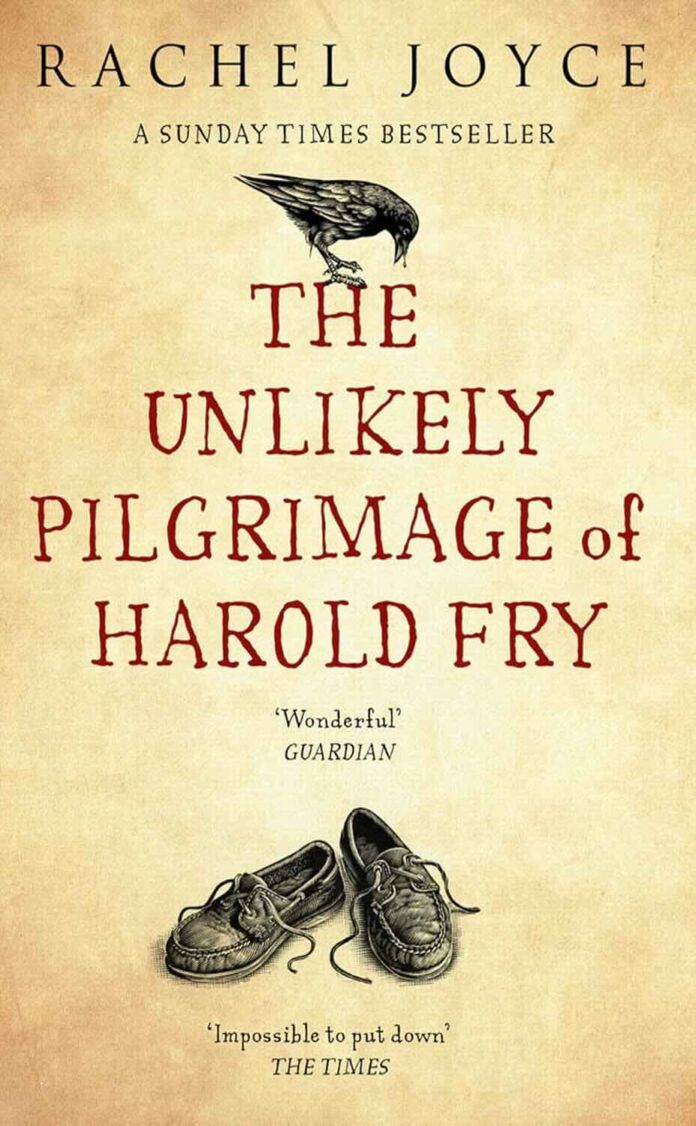
In this poignant debut novel, Rachel Joyce introduces us to Harold Fry, a retired brewery sales representative whose monotonous life in the quiet village of Kingsbridge takes an unexpected turn when he receives a letter from an old colleague, Queenie Hennessy. What begins as a simple walk to post a reply transforms into an impulsive 627-mile journey across England, armed with nothing but yachting shoes and unwavering faith that his walk will keep Queenie alive.
The Art of Storytelling
Joyce’s narrative prowess shines through her masterful handling of both grand themes and minute details. The story unfolds like the English countryside itself—sometimes gentle and meandering, other times steep and challenging. Her prose is deceptively simple yet profound, much like her protagonist Harold.
The author demonstrates remarkable restraint in her writing, allowing silences to speak as loudly as words. This is particularly evident in the scenes between Harold and Maureen, where years of unspoken grief hang in the air like morning mist over the Devon hills.
Character Development
Harold Fry
The transformation of Harold from a man who “moved through life with a stoop” to someone who discovers his own strength is beautifully rendered. His journey becomes a metaphor for life itself—each step forward revealing layers of memories, regrets, and hopes.
Maureen
Perhaps the most complex character in the novel, Maureen’s evolution happens in parallel to Harold’s physical journey. Her initial brittleness gradually softens as she confronts her own grief and guilt over their son David’s death.
Queenie Hennessy
Though physically absent for most of the narrative, Queenie’s presence looms large. The mystery surrounding her relationship with Harold adds depth to the story, later explored fully in the companion novel The Love Song of Miss Queenie Hennessy.
Themes and Symbolism
The novel expertly explores several interconnected themes:
- Faith and Belief: Not necessarily religious, but the power of believing in something bigger than oneself
- Grief and Loss: The different ways people cope with tragedy
- Redemption: The possibility of second chances, even late in life
- Connection: How strangers can impact our lives in profound ways
Critical Analysis
While the novel’s strengths are numerous, there are aspects that could be stronger. The middle section, where Harold becomes surrounded by followers, occasionally feels forced and detracts from the intimate nature of his personal journey. Some readers might find the pacing slow, particularly in the early chapters.
However, these minor flaws are overshadowed by Joyce’s ability to create deeply moving moments from ordinary circumstances. Her understanding of human nature and its complexities shines through every page.
The Harold Fry Series
The success of this novel led to two more books in the series:
- The Love Song of Miss Queenie Hennessy (2014) – A companion novel telling Queenie’s side of the story
- Maureen Fry and the Angel of the North (2023) – The latest addition focusing on Harold’s wife
Each book adds layers to the original story, creating a rich narrative tapestry that explores different perspectives of shared events.
Impact and Literary Merit
The novel’s success lies in its ability to make readers believe in Harold’s journey, both physical and emotional. Joyce tackles profound themes without becoming pretentious or overly sentimental. The book’s popularity led to numerous awards and nominations, including a spot on the Man Booker Prize longlist.
Writing Style and Technique
Joyce’s background in radio drama is evident in her precise dialogue and vivid scene-setting. She employs a third-person narrative that allows intimate access to Harold’s thoughts while maintaining enough distance to observe the broader impact of his journey.
Contemporary Relevance
Despite its simple premise, the novel addresses contemporary issues of isolation, mental health, and the need for human connection. Harold’s pilgrimage resonates particularly strongly in our current era of digital disconnection and seeking meaning in life.
Final Verdict
The Unlikely Pilgrimage of Harold Fry is a remarkable achievement that deserves its place among contemporary literary classics. While not perfect, its flaws are minor compared to its accomplishments in storytelling and character development.
Strengths:
- Beautifully crafted prose
- Deep character development
- Powerful exploration of human relationships
- Skillful handling of complex themes
Areas for Improvement:
- Pacing issues in middle sections
- Some plot developments feel contrived
- Secondary characters occasionally lack depth
Recommended For:
Readers who appreciate thoughtful literary fiction, stories of personal transformation, and novels that explore the complexity of human relationships. Fans of authors like Anne Tyler, Kent Haruf, and Marilynne Robinson will find much to admire here.
Similar Reading:
- A Man Called Ove by Fredrik Backman
- The Hundred-Year-Old Man Who Climbed Out the Window and Disappeared by Jonas Jonasson
- The Rosie Project by Graeme Simsion
Conclusion
Rachel Joyce’s debut novel is a testament to the power of ordinary people doing extraordinary things. Through Harold’s journey, we are reminded that it’s never too late to change, to heal, or to hope. The book’s success spawned two companion novels, creating a rich literary universe that explores the ripple effects of one man’s remarkable decision to keep walking.
In an age of instant gratification and quick fixes, The Unlikely Pilgrimage of Harold Fry reminds us that sometimes the longest way round is the shortest way home.