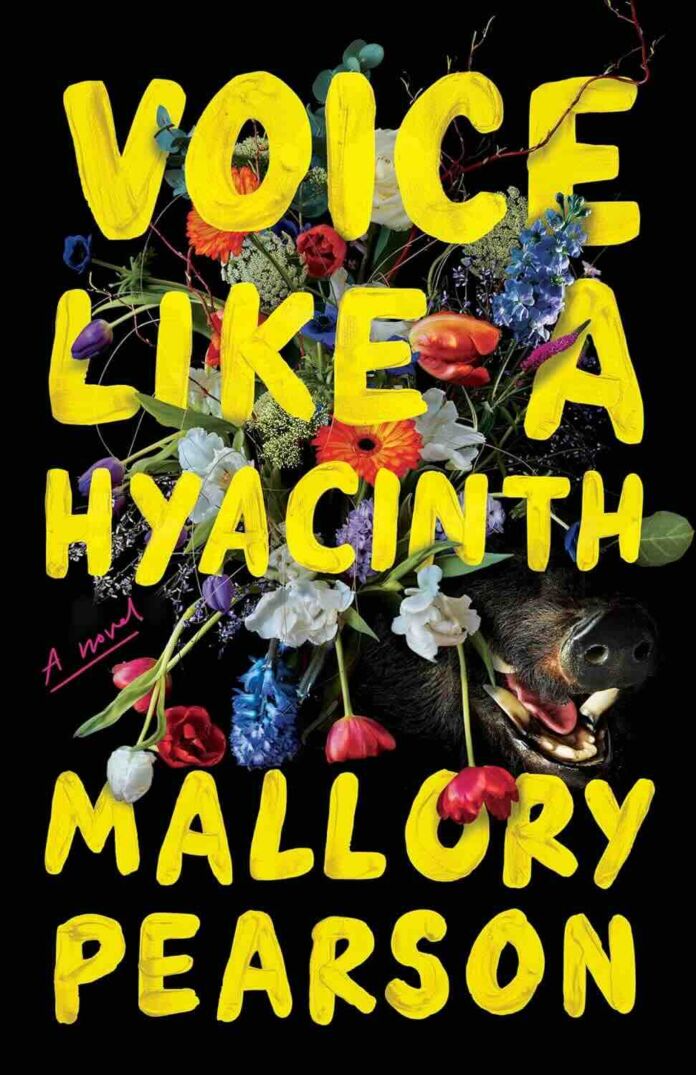
In Mallory Pearson’s second novel Voice Like a Hyacinth, the author crafts a spellbinding narrative that explores the dangerously thin line between artistic devotion and destructive obsession. Following her critically acclaimed debut We Ate the Dark, Pearson delves deeper into themes of queer relationships, supernatural horror, and the all-consuming nature of creative pursuit.
Plot and Setting
The story follows Jo Kozak and her four closest friends at the prestigious Rotham School, an isolated art college in rural Indiana. As painting majors in their final year, they face intense pressure competing for the coveted Solo Show position—an opportunity granted to only one graduating student. When they discover an ancient ritual in a mysterious tome called ANTHROPOMANCY, they believe they’ve found the key to unlocking their creative potential. However, their naïve dabbling in the occult sets off a chain of increasingly disturbing events that threatens to destroy not only their art but their very lives.
Character Development
Pearson excels at crafting complex, flawed characters whose intense relationships feel achingly real. Jo serves as our unreliable narrator, her deteriorating mental state reflected in increasingly fevered prose as the story progresses. The dynamic between the five women—Jo, Caroline, Finch, Amrita, and Saz—forms the emotional core of the novel. Their fierce love for each other is palpable, even as dark forces begin to tear them apart.
Strengths and Literary Merit
Masterful Atmosphere
The author’s greatest triumph lies in her ability to create an oppressive atmosphere of creeping dread. The Rotham campus becomes a character in itself—all gothic architecture and long shadows, perfectly suited to host the supernatural horror that unfolds. Pearson’s vivid descriptions of the art-making process and the physical spaces where creativity happens ground the supernatural elements in tangible reality.
Queer Representation
The novel features authentic LGBTQ+ relationships that feel naturally integrated into the story rather than tokenistic. The romantic tension between Jo and Finch adds another layer of complexity to the group dynamics without overshadowing the central plot.
Artistic Process
Pearson demonstrates intimate knowledge of the competitive nature of art school and the technical aspects of painting. Her descriptions of the characters’ artistic processes and works feel genuine and serve to illuminate their psychological states.
Areas for Improvement
Pacing Issues
The novel’s middle section occasionally drags, with repeated descriptions of Jo’s deteriorating mental state that could have been condensed for better effect.
Supernatural Elements
While mostly effective, some of the supernatural manifestations – particularly the Boar King entity – occasionally venture into territory that strains credibility even within the novel’s established rules.
Resolution
The ending, while poetic, leaves several plot threads somewhat ambiguous. While this appears intentional, some readers may find it frustrating.
Themes and Symbolism
Pearson weaves several compelling themes throughout the narrative:
- The destructive nature of unchecked ambition
- The thin line between inspiration and obsession
- The power and peril of chosen family
- Art as both salvation and destruction
- The cost of creativity
Technical Execution
The prose is lush and immersive, with moments of genuine poetry that elevate the narrative. Pearson employs a variety of literary techniques effectively:
- Unreliable narration that keeps readers questioning reality
- Rich metaphorical language that enhances the atmospheric horror
- Strategic use of repetition to build tension
- Skillful integration of art terminology and technique
Comparisons and Literary Context
Fans of Donna Tartt’s The Secret History will find familiar themes of academic pressure and group dynamics, while readers of Carmen Maria Machado’s work will appreciate the queer horror elements. The novel also shares DNA with Silvia Moreno-Garcia’s Mexican Gothic in its exploration of psychological horror and corruption of safe spaces.
Final Verdict
Voice Like a Hyacinth is a compelling sophomore novel that showcases Pearson’s growth as a writer. While not without its flaws, the book succeeds as both a supernatural horror story and a penetrating examination of artistic ambition and group dynamics. The author’s intimate knowledge of the art world and her ability to craft authentic queer characters elevate the work above similar entries in the genre.
Recommended for:
- Fans of literary horror
- Art school alumni or students
- Readers interested in LGBTQ+ fiction
- Those who enjoy psychological suspense
- Admirers of gothic academia aesthetics
Content Warnings
- Violence and gore
- Mental health issues
- Death and grief
- Substance abuse
- Supernatural horror
Voice Like a Hyacinth proves that Mallory Pearson is an emerging voice to watch in contemporary horror fiction. Through its exploration of art, ambition, and the bonds between women, the novel offers a fresh take on familiar horror tropes while delivering genuine emotional depth and psychological insight.







