The literary landscape of 2025 stands as a testament to the dynamic nature of contemporary literature, where traditional boundaries blur and new voices emerge with unprecedented diversity and technological integration. As we navigate through this pivotal year, several transformative trends are reshaping how stories are told, published, and consumed, creating a literary ecosystem that is more inclusive, innovative, and globally interconnected than ever before.
The Rise of Climate Fiction and Environmental Storytelling
One of the most significant movements defining contemporary literature in 2025 is the explosive growth of climate fiction, commonly known as “cli-fi.” This genre, which addresses climate change through speculative and literary narratives, has evolved from a niche category to a mainstream literary force that captures both critical acclaim and commercial success.
Climate fiction encompasses a broad spectrum of storytelling approaches, from dystopian warnings about environmental collapse to hopeful visions of sustainable futures. Authors like Kim Stanley Robinson, whose “The Ministry for the Future” gained presidential and United Nations attention, have demonstrated the genre’s capacity to influence policy discussions. The genre frequently integrates hard science with compelling human narratives, making complex environmental issues accessible to broad audiences.
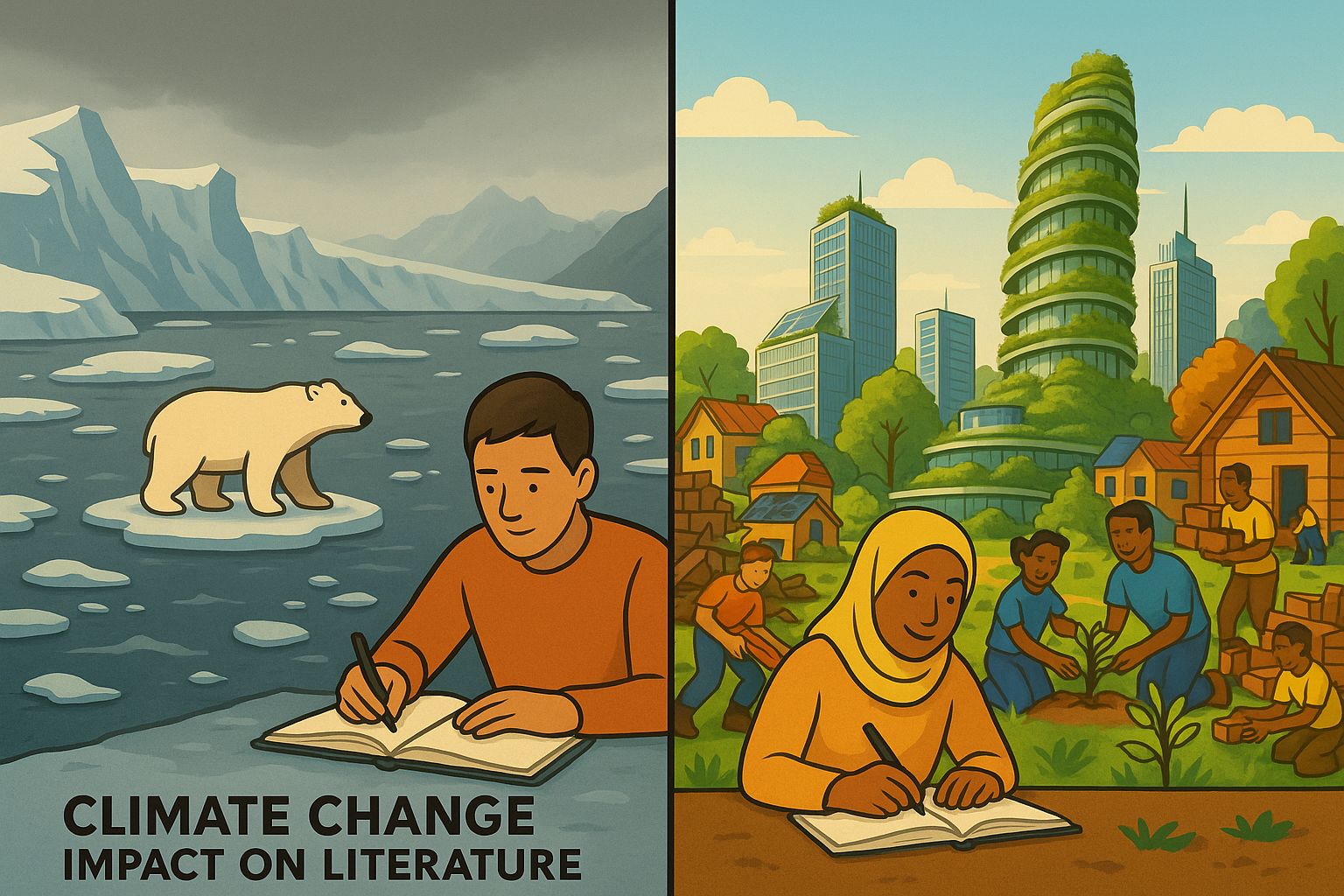
Recent additions to the cli-fi canon include works that explore post-apocalyptic survival, such as “All the Water in the World” by Eiren Caffall, which follows a family navigating a New York ravaged by melting glaciers. These narratives ground speculative scenarios in emotional human experiences, making the potential consequences of climate change viscerally real for readers.
The genre’s appeal extends beyond environmental advocacy. Publishers and literary critics have noted that climate fiction often provides readers with a framework for processing anxiety about the future while offering pathways toward hope and action. This dual function—acknowledging crisis while maintaining agency—reflects broader cultural needs in an era of environmental uncertainty.
Diversity and Inclusion: Amplifying Marginalized Voices
The year 2025 marks a significant milestone in the publishing industry’s commitment to diversity and inclusion, with unprecedented representation of authors from marginalized communities gaining both critical recognition and commercial success. This movement extends beyond simple representation to encompass authentic storytelling that reflects the full spectrum of human experience.
The International Booker Prize 2025’s selection of “Heart Lamp” by Banu Mushtaq, translated from Kannada by Deepa Bhasthi, exemplifies this trend. This collection, the first to win the prize in short story form, chronicles women’s lives in patriarchal communities in southern India. The victory is particularly significant as it represents the first book translated from Kannada—a language spoken by 65 million people—to be nominated for the prize.

Publishers are increasingly prioritizing works by authors from diverse backgrounds, driven by both market demand and social responsibility. The #OwnVoices movement continues to gain momentum, promoting books written by authors from the same marginalized communities they depict. This approach ensures authenticity in representation while providing platforms for voices that have historically been excluded from mainstream publishing.
Literary festivals and awards have responded by creating specific categories and initiatives to recognize diverse voices. The MIT Press Grant Program for Diverse Voices, for example, supports new work by authors who bring excluded perspectives to academic and literary publishing. Such institutional support creates pathways for emerging authors while fostering long-term change in publishing practices.
The Hybrid Genre Revolution
Contemporary literature in 2025 is increasingly characterized by genre-blending works that defy traditional categorization. These hybrid genres combine elements from multiple literary traditions to create innovative narratives that appeal to broader audiences while pushing creative boundaries.
Romantasy—the fusion of romance and fantasy—has emerged as one of the most commercially successful hybrid genres, with series like “A Court of Thorns and Roses” capturing devoted readerships. The success of romantasy has encouraged publishers to experiment with other hybrid combinations, including historical fantasy, science fiction noir, and paranormal mystery.

The appeal of hybrid genres lies in their ability to draw from the strengths of multiple traditions while avoiding the limitations of rigid categorization. Authors like Erin Morgenstern, whose “The Night Circus” successfully combines romance, fantasy, and historical fiction, demonstrate how skillful genre blending can create unique reading experiences that resonate with diverse audiences.
Publishers have adapted their marketing strategies to accommodate hybrid works, often targeting multiple demographic groups simultaneously. This approach has proven particularly effective in digital markets, where algorithmic recommendations can surface books for readers with varied interests.
Digital Publishing and Technological Innovation
The publishing industry in 2025 continues its digital transformation, with new technologies reshaping both content creation and distribution methods. Authors are increasingly leveraging artificial intelligence tools for research, editing, and even creative inspiration, while maintaining human creativity at the narrative core.
Direct-to-consumer sales models have gained significant traction, allowing authors to bypass traditional publishing gatekeepers and maintain greater control over their work. Platforms like Amazon Kindle Direct Publishing and newer alternatives have democratized the publishing process, enabling authors to reach global audiences without traditional publishing house support.
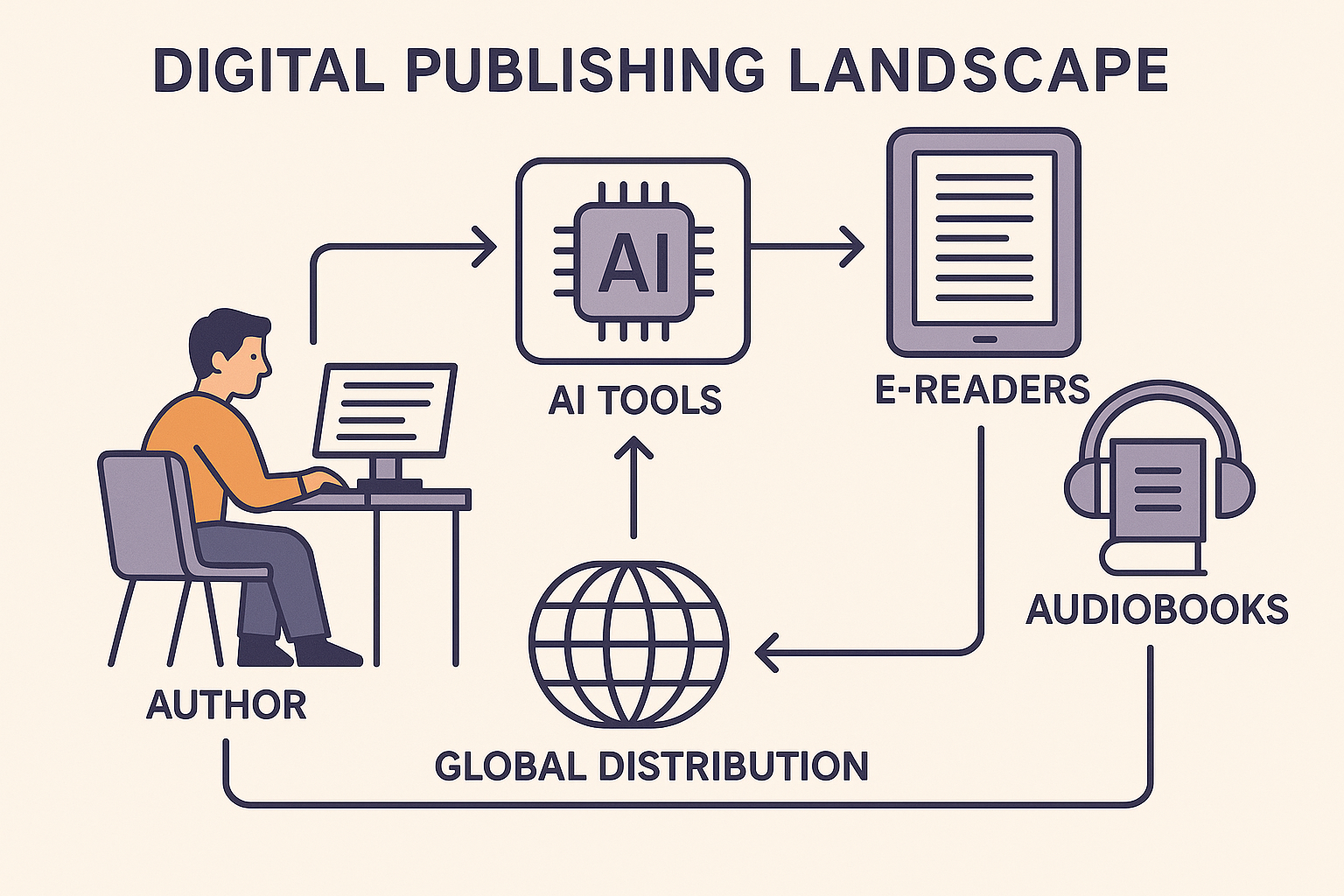
The audiobook market has experienced unprecedented growth, with full-cast productions and celebrity narrators drawing new audiences to literary works. This trend has created opportunities for cross-media storytelling, where authors consider auditory elements during the writing process.
Traditional publishers have responded by adopting hybrid models that combine conventional publishing approaches with digital innovation. Many now offer profit-sharing arrangements rather than traditional advance-and-royalty structures, reflecting the changing economics of literary production.
Hopepunk and Optimistic Resistance
One of the most philosophically significant movements in 2025 contemporary literature is hopepunk, a narrative approach that weaponizes optimism as a form of resistance against cynicism and despair. Coined by author Alexandra Rowland in 2017, hopepunk has gained substantial momentum as readers seek stories that acknowledge hardship while maintaining faith in positive change.
Hopepunk narratives focus on community building, radical kindness, and the power of collective action. Unlike traditional dystopian fiction, which often emphasizes individual heroism, hopepunk celebrates collaborative responses to challenges. This approach resonates particularly strongly with younger readers who face complex global issues while seeking pathways toward meaningful action.

The movement extends beyond genre fiction to influence literary fiction, memoir, and even business literature. Companies and organizations have begun adopting hopepunk principles in their storytelling and brand narratives, recognizing the appeal of purpose-driven messaging in uncertain times.
Notable examples include works that imagine post-apocalyptic communities rebuilding through cooperation rather than competition, and stories that find hope in environmental restoration and social justice movements. These narratives provide readers with models for constructive engagement rather than passive despair.
Neurodivergent Representation and Authentic Voices
Contemporary literature in 2025 has witnessed a significant increase in authentic representation of neurodivergent characters and themes. This trend encompasses not only greater inclusion but also more sophisticated and accurate portrayals of conditions such as autism, ADHD, dyslexia, and other neurological differences.
Authors who are themselves neurodivergent are leading this movement, bringing insider perspectives to their characters and narratives. Research indicates that young people from neurodivergent communities are more likely to engage with reading when they see themselves represented authentically in literature. This has encouraged publishers to prioritize own-voices narratives and work with sensitivity readers to ensure accurate representation.
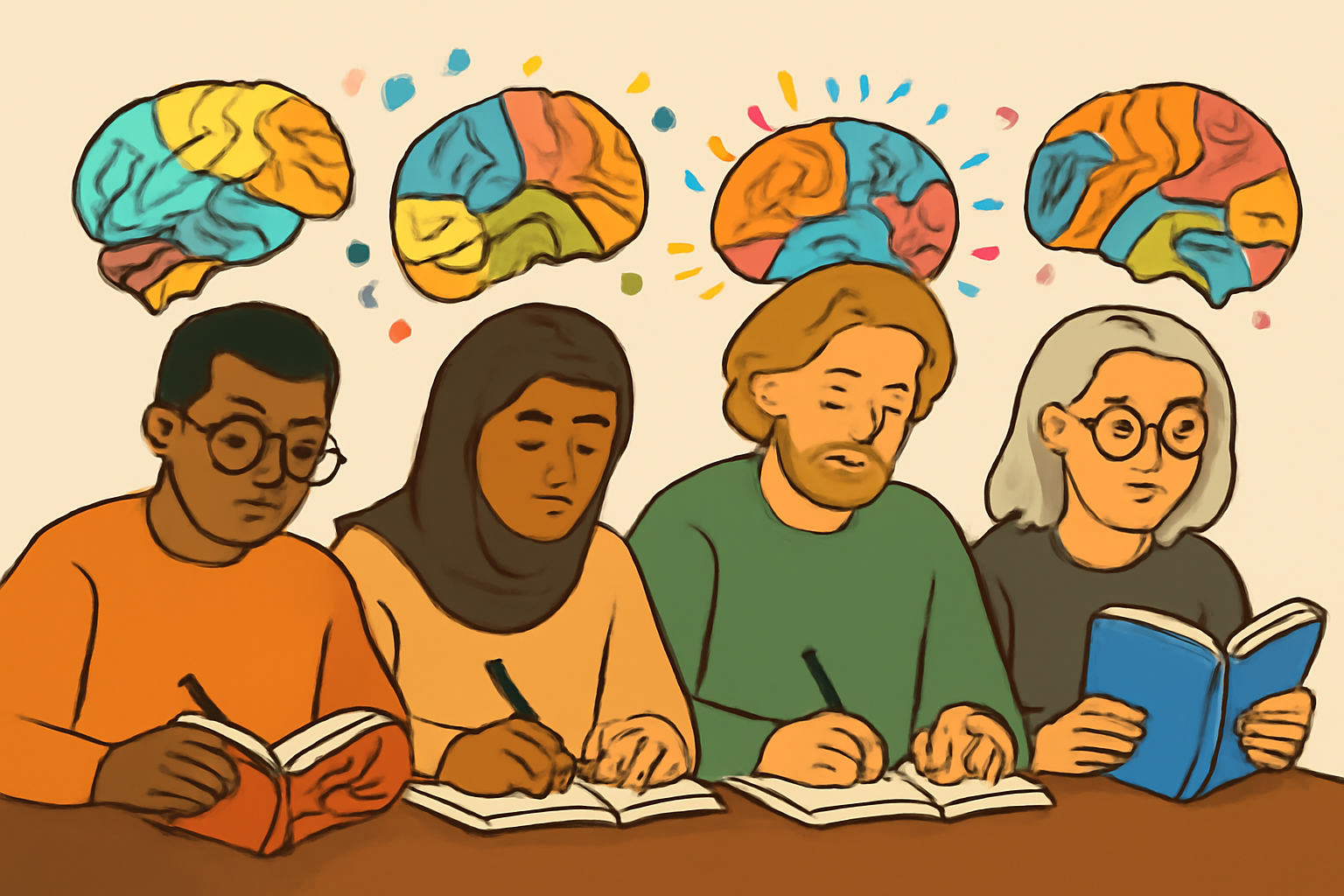
The trend extends across all literary genres, from young adult fiction to literary novels and graphic works. Publishers have created specific award categories recognizing neurodivergent communities, acknowledging the importance of this representation in contemporary publishing.
These works avoid stereotypical portrayals like the “autistic savant” trope, instead presenting neurodivergent characters as complex individuals with varied interests, challenges, and strengths. This approach helps normalize neurodiversity while providing representation that resonates with both neurodivergent and neurotypical readers.
The Global Translation Renaissance
The year 2025 has marked a significant expansion in translated literature availability and appreciation, with readers increasingly seeking stories from beyond the Anglophone world. This trend reflects both globalization and a growing recognition that diverse cultural perspectives enrich literary understanding.
Publishers like Europa Editions, Archipelago, and Fitzcarraldo Editions have pioneered the translation market, making international literature more accessible to English-speaking audiences. The success of authors like Elena Ferrante and Karl Ove Knausgaard demonstrated market appetite for translated works, encouraging publishers to invest in broader translation programs.
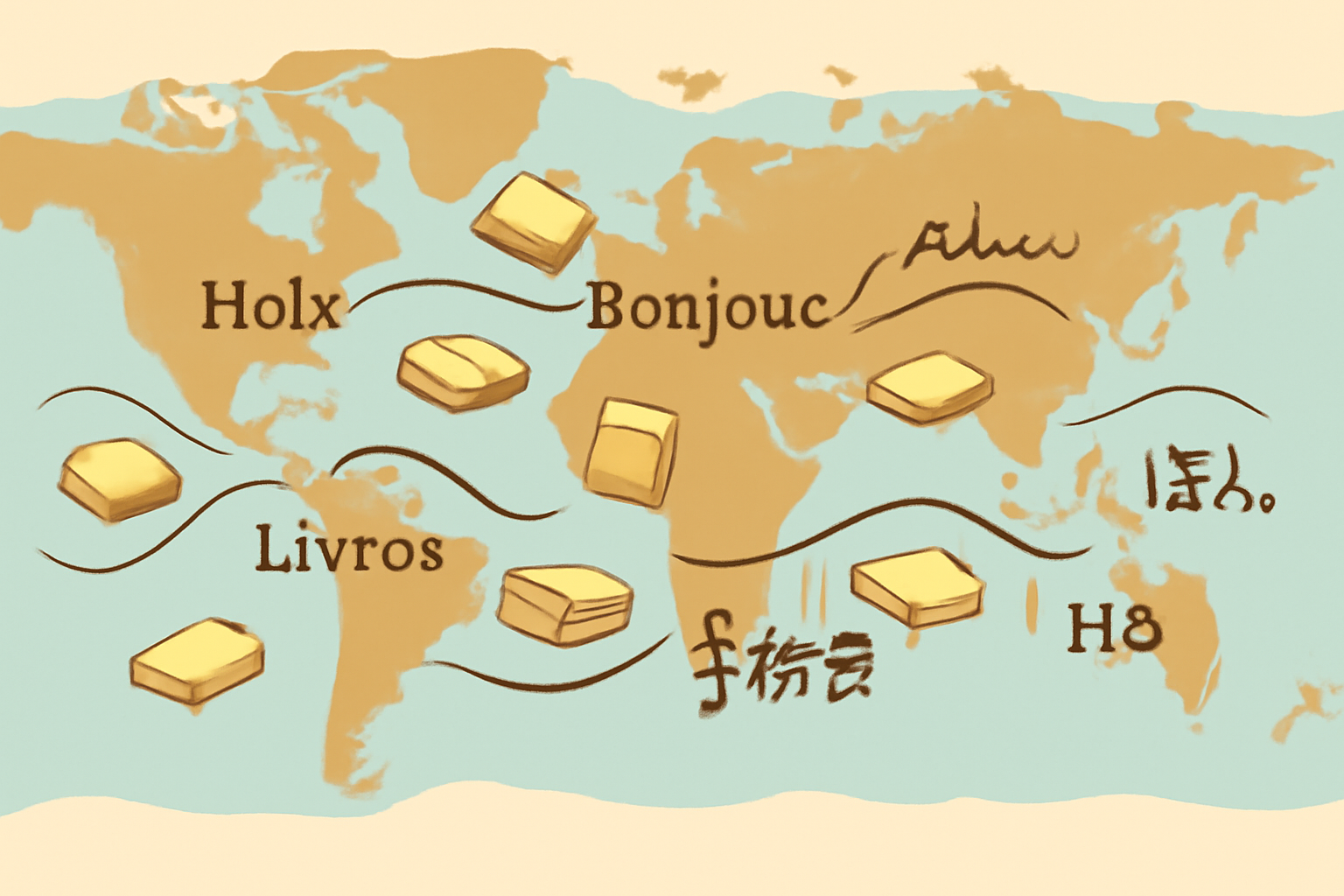
The International Booker Prize’s selection of works from previously underrepresented languages, such as Kannada, signals growing recognition of global literary diversity. Translation technology has evolved to support this expansion, though human translators remain essential for capturing cultural nuance and artistic expression.
Younger readers particularly drive this trend, with sales of translated fiction growing over twenty percent between 2021 and 2022, primarily among readers under 35. This demographic shift suggests long-term sustainability for the translated literature market.
Social Media and Literary Culture
Social media platforms, particularly BookTok on TikTok, have fundamentally altered how literary culture develops and spreads in 2025. These platforms have democratized book recommendations, allowing diverse voices to influence reading trends independently of traditional literary gatekeepers.
The phenomenon has revitalized interest in both contemporary and classic works, with titles gaining bestseller status based on social media popularity rather than traditional review processes. This trend has prompted publishers to collaborate with social media influencers and adapt marketing strategies for digital platforms.

Genre Fiction Dominance and Literary Recognition
The boundary between genre fiction and literary fiction continues to blur in 2025, with fantasy, science fiction, and romance gaining increased critical recognition. This shift reflects both changing reader preferences and evolving definitions of literary merit.
Romance and romantasy have experienced particular growth, with dedicated bookstores opening in high-rent areas to serve this market. The success challenges traditional hierarchies that positioned literary fiction above genre works, encouraging more inclusive definitions of literary value.
Publishers have responded by treating genre works with the same marketing investment and critical attention previously reserved for literary fiction. This approach has proven commercially successful while expanding the overall literary market.
Technology’s Transformative Impact on Reading Habits
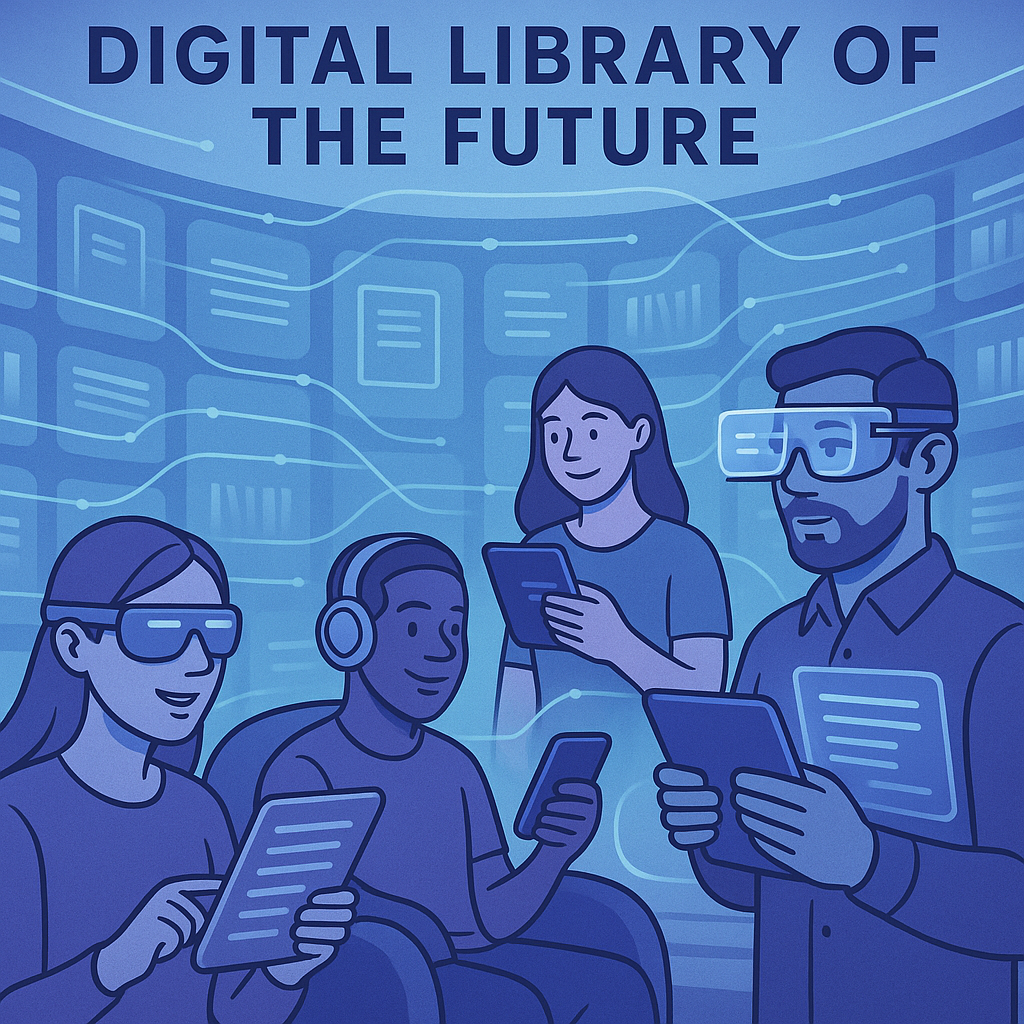
The integration of technology into reading practices has accelerated dramatically in 2025, fundamentally changing how readers discover, consume, and interact with literature. E-readers and digital platforms have not only made books more accessible but have also created new opportunities for interactive and multimedia storytelling.
The rise of audiobook platforms has particularly transformed the literary landscape, with subscription services making vast libraries available to readers who prefer auditory consumption. This shift has influenced authors to consider the spoken word during the writing process, leading to works that perform well in both written and audio formats.
Looking Forward: Implications for the Future
The trends defining contemporary literature in 2025 suggest a future landscape that prioritizes inclusivity, technological integration, and global perspective. Publishers, authors, and readers are collectively creating a more democratic literary ecosystem where diverse voices can find audiences and traditional gatekeepers hold less exclusive power.
The success of climate fiction, hopepunk, and diverse voices indicates readers’ desire for literature that engages with contemporary challenges while offering pathways toward positive change. This preference suggests continued growth for socially conscious and environmentally aware narratives.
Technological integration will likely accelerate, though human creativity remains central to literary value. The most successful authors and publishers will be those who leverage technology to enhance rather than replace human storytelling capabilities.
The global expansion of translated literature and the success of authors from previously marginalized communities suggest a continued broadening of literary perspectives. This trend promises richer, more diverse literary culture that better reflects global human experience.
Conclusion: A Literary Renaissance in Progress
Contemporary literature in 2025 stands at an inflection point where traditional boundaries dissolve and new possibilities emerge. The trends defining this moment—from climate fiction and hopepunk to digital innovation and global translation—collectively point toward a future where literature serves not only as entertainment and art but as a vital tool for understanding and improving the human condition.
As these movements continue to evolve, they will undoubtedly shape the literary landscape for years to come, creating opportunities for both established and emerging voices to contribute to our shared cultural narrative. The evolution of contemporary literature in 2025 reflects broader cultural shifts toward inclusivity, environmental awareness, and technological integration.
These trends suggest that the future of literature lies not in the dominance of any single approach but in the dynamic interplay of diverse voices, innovative formats, and globally conscious perspectives. As we move forward, the literary community’s embrace of change and commitment to expanding representation promises a vibrant and relevant future for contemporary literature that speaks to the full complexity of human experience in our interconnected world.
The literary renaissance we are witnessing in 2025 represents more than mere trend-following; it embodies a fundamental reimagining of literature’s role in society. From the hopeful resistance of climate fiction to the authentic representation of neurodivergent experiences, from the global perspectives offered through translation to the democratic publishing enabled by digital platforms, contemporary literature has become a powerful force for social change, cultural understanding, and human connection.







