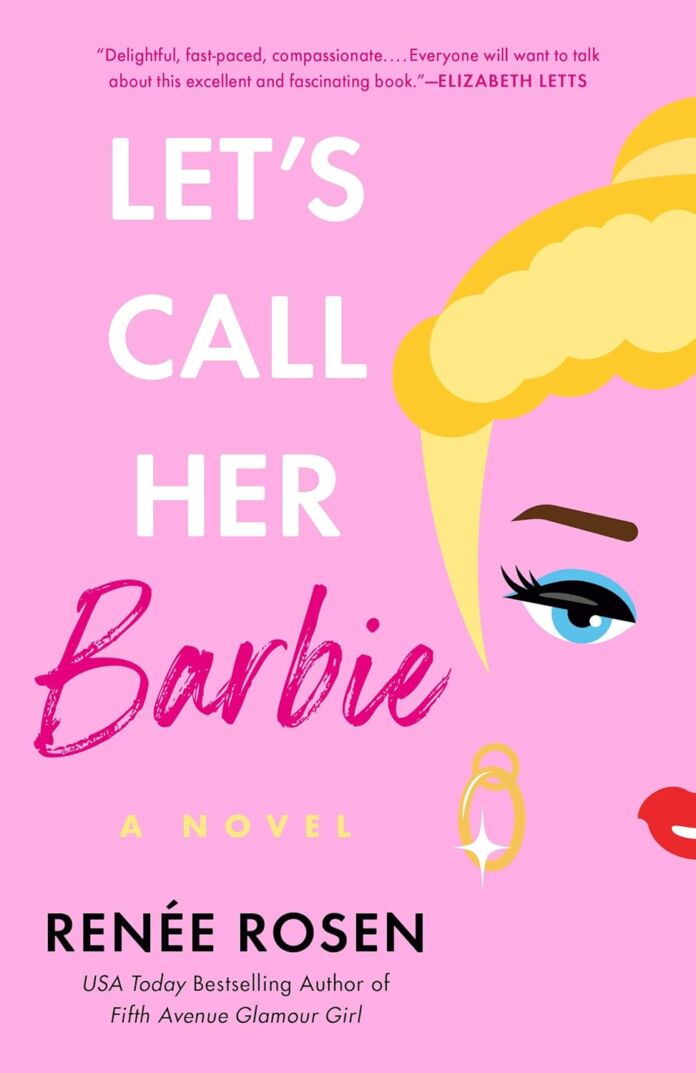
In her masterfully crafted historical novel Let’s Call Her Barbie, Renée Rosen takes readers behind the scenes of one of the most influential toys ever created, revealing the complex personalities, fierce determination, and personal sacrifices that brought Barbie to life. Through meticulous research and vivid storytelling, Rosen transforms what could have been a simple business narrative into a compelling drama about ambition, innovation, and the changing role of women in mid-century America.
The story begins in 1956 when Ruth Handler, co-founder of Mattel, presents her revolutionary idea: a doll shaped like an adult woman rather than the ubiquitous baby dolls of the era. What follows is a twenty-year saga of triumph and tribulation, not just for Barbie but for all the key players involved in her creation.
Characters That Come to Life
Rosen excels at character development, presenting Ruth Handler as a formidable force—ambitious, sometimes ruthless, but ultimately driven by a vision larger than herself. The author skillfully peels back the layers of Ruth’s character, revealing how her childhood abandonment by her mother and being raised by her sister Sarah shaped her into the determined businesswoman she became.
The portrayal of Jack Ryan, Mattel’s brilliant but troubled head engineer, is equally nuanced. His genius is matched only by his demons—dyslexia, bipolar disorder, and various addictions. Through Jack’s character, Rosen explores the fine line between creativity and self-destruction, making him simultaneously sympathetic and frustrating.
One of the novel’s strengths is the fictional character of Stevie Klein, a young designer who serves as our entry point into the world of Mattel. Through her eyes, we experience the excitement and challenges of being a working woman in the 1960s and ’70s, adding depth to the broader themes of female empowerment that Barbie would come to represent.
Strengths and Memorable Moments
The novel shines in its exploration of the creative process. The detailed descriptions of developing Barbie’s look, her articulation points, and her fashions are fascinating. Rosen has clearly done her homework, making technical details accessible and interesting to the general reader.
Particularly memorable scenes include:
- Ruth’s first presentation of the Bild Lilli doll to the skeptical Mattel executives
- The dramatic struggles with melting dolls during the first TV commercial shoot
- The poignant moments between Ruth and her daughter Barbara, revealing the personal cost of professional ambition
Areas for Improvement
While the novel is largely successful, there are a few areas where it could be stronger:
- The pacing occasionally slows in the middle sections, particularly during the detailed business negotiations
- Some readers might find the technical aspects of toy development overwhelming
- The large cast of characters can sometimes be difficult to keep straight
Writing Style and Structure
Rosen’s prose is clean and efficient, with moments of genuine emotional resonance. She handles multiple perspectives skillfully, though Ruth Handler remains the heart of the story. The structure, moving from Barbie’s creation through to the corporate scandals of the 1970s, effectively shows both the triumph and cost of success.
Historical Context and Relevance
Let’s Call Her Barbie excels at capturing the social changes of the mid-20th century. The novel thoughtfully explores:
- The limited options available to women in the 1950s
- The rise of television advertising
- The emergence of the women’s liberation movement
- Changing attitudes toward female ambition and success
Comparison to Other Works
Fans of Rosen’s previous novels (Park Avenue Summer, The Social Graces) will recognize her skill at bringing historical periods to life through the lens of female achievement. This book sits comfortably alongside other works about pioneering businesswomen, such as The Last Mrs. Parrish by Liv Constantine and Park Avenue Summer by Renée Rosen herself.
Impact and Legacy
Beyond being an entertaining read, the novel raises important questions about:
- The role of toys in shaping children’s aspirations
- The personal cost of professional success
- The complex relationship between feminism and fashion
- The challenges women face in male-dominated industries
Final Verdict
Let’s Call Her Barbie is an engrossing look at the birth of an icon and the people who created her. While not perfect, it succeeds in being both entertaining and thought-provoking. Rosen has crafted a narrative that will appeal to:
- Readers interested in women’s history
- Fans of business narratives
- Those nostalgic for mid-century America
- Anyone curious about the story behind this cultural phenomenon
The novel reminds us that behind every cultural icon lies a human story of struggle, ambition, and sacrifice. Ruth Handler’s vision of showing girls they could be anything remains relevant today, and Rosen’s novel does justice to both the triumphs and complications of that legacy.
Who Should Read This Book
This novel will particularly appeal to:
- Fans of historical fiction focused on female pioneers
- Readers interested in business history
- Those who enjoy stories about the mid-century American experience
- Anyone who has ever owned or played with a Barbie doll
Reading Experience and Emotional Impact
Rosen’s attention to historical detail and character development creates an immersive reading experience. The emotional core of the story—Ruth’s complicated relationships with her daughter, her company, and her own ambitions—resonates long after the final page.
The book succeeds in making readers care about not just the outcome of Barbie’s creation, but about the personal journeys of all involved. It’s a reminder that even the most iconic products begin with human dreams, conflicts, and determination.
Let’s Call Her Barbie is more than just the story of a doll; it’s a testament to innovation, perseverance, and the power of believing in your vision, even when others don’t. While not without its flaws, it’s a worthy addition to both Rosen’s bibliography and the larger canon of historical fiction about pioneering women.